
How underbody rust protection extends vehicle lifespan today
Anúncios
Underbody rust protection represents the single most effective investment for any vehicle owner aiming to maximize their car’s operational life in 2026.
While modern manufacturing techniques have improved initial corrosion resistance, the harsh reality of road salt, moisture, and debris continues to attack vulnerable metal components beneath your chassis daily.
Ignoring this hidden vulnerability invites structural decay that eventually compromises safety and resale value.
Anúncios
Proactive maintenance of your vehicle’s foundation ensures that critical systems like brake lines, suspension mounts, and fuel tanks remain intact long after the warranty expires.
By applying a specialized protective barrier today, you essentially buy time for your investment, preventing the silent spread of oxidation that kills automobiles. Understanding this process is key to mastering long-term vehicle care.
Core Topics Covered in This Analysis
- The science of oxidation and why your chassis is at constant risk.
- The specific benefits of modern protective coatings and professional application methods.
- How environmental factors dictate your maintenance schedule for maximum longevity.
- Financial implications of corrosion and expert tips for long-term vehicle health.
What Is Underbody Rust Protection and Why Does It Matter?
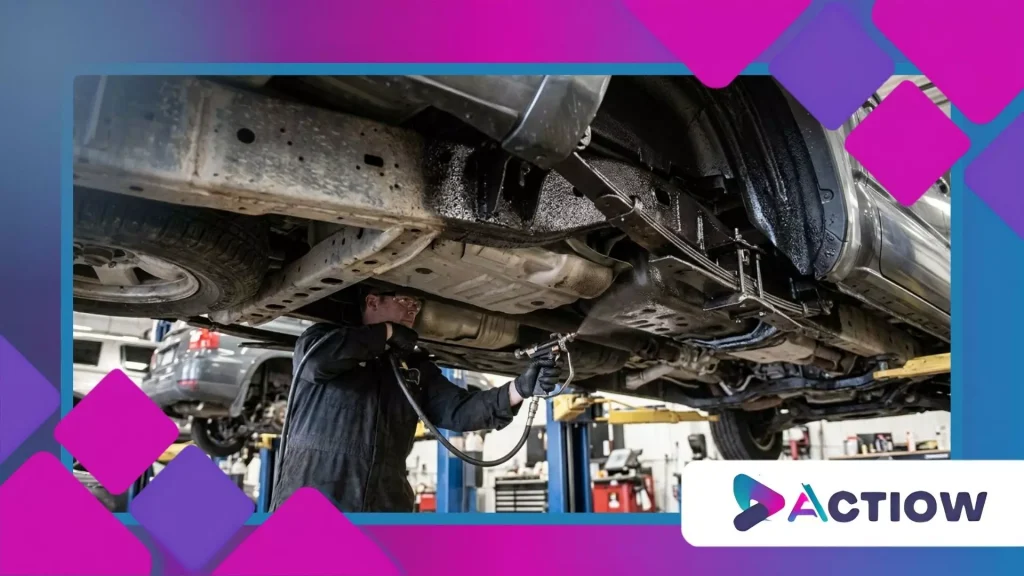
At its core, this treatment is a chemical or physical barrier designed to seal metal surfaces from oxygen and moisture.
Without this shield, the inevitable reaction between metal and corrosive road elements results in oxidation, which weakens structural integrity over time.
Think of your vehicle’s frame as the skeleton of a human body; if the bone decays, the entire system eventually fails regardless of how well you maintain the engine.
Professional application involves cleaning the chassis thoroughly before spraying a high-grade sealant into every crevice, gap, and seam.
This process creates an impermeable layer that stops salt brine and water from penetrating deep into steel folds where rust typically hides.
It is not merely a cosmetic fix; it is a vital defensive layer for your most expensive mobile asset.
Does Modern Manufacturing Prevent Rust Completely?
Many manufacturers use galvanized steel, which resists oxidation significantly better than older, untreated steel frames used decades ago.
However, the manufacturing process leaves many welds and structural joints exposed, which are susceptible to microscopic fissures.
Even minor gravel impacts from daily driving can chip away factory coatings, exposing bare metal to the elements.
++ Why wheel bearing noise should never be ignored by drivers
Is Factory Coating Enough for Modern Drivers?
Factory-applied protections often thin out or degrade after a few years of extreme temperature fluctuations and road hazards.
Relying solely on the original manufacturer’s application ignores the reality of localized environmental stressors that vary by region.
A secondary, professional-grade application bridges the gap between factory limitations and the harsh reality of long-term road use.
Also read: How paint contamination removal protects vehicle resale value
Why Is Underbody Protection Considered a “Hidden” Upgrade?
Because the chassis is out of sight, most owners neglect its condition until a catastrophic failure occurs during a standard safety inspection.
Upgrading your protection level provides peace of mind that your structural components remain solid and reliable. This foresight distinguishes a vehicle that lasts twenty years from one that fails after just ten.
How Does Professional Application Extend Vehicle Lifespan?
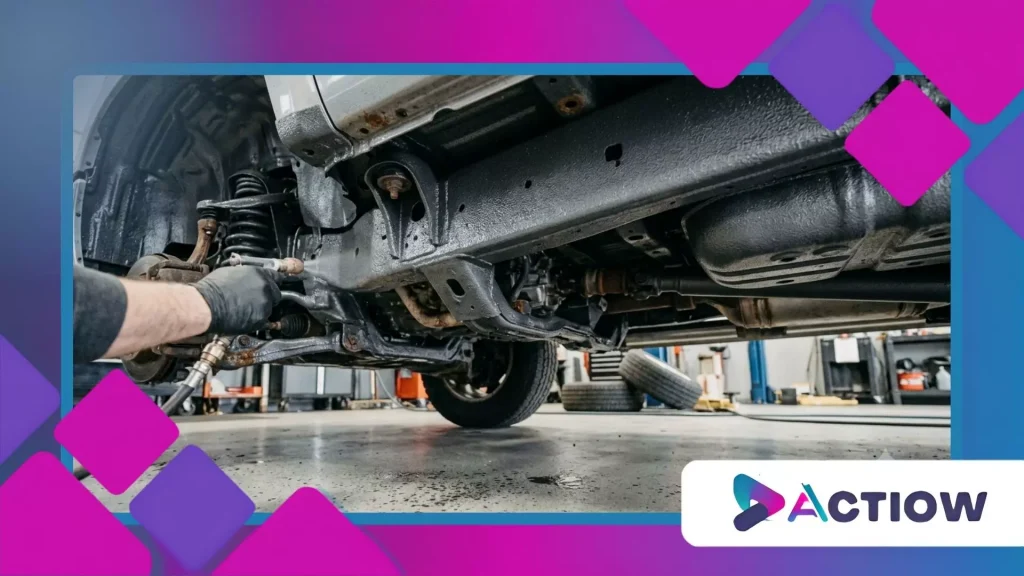
The process begins with high-pressure steam cleaning to remove years of accumulated road grime, grease, and salt residue.
Only a clean, dry surface allows for perfect adhesion of the protective sealant, which is why professional shops often require a full day for preparation.
This meticulous attention to detail ensures the coating penetrates deep into every small weld, bolt, and hidden pocket.
Once the surface is ready, technicians apply specialized waxes, lanolin-based products, or rubberized polymers that remain flexible throughout the year.
Flexibility is crucial because the vehicle frame undergoes constant thermal expansion and contraction during operation.
A rigid coating would eventually crack under these stresses, creating new entry points for moisture and accelerating hidden corrosion from within.
Read more: 10 Signs Your Car Battery May Fail Before Winter Arrives
What Are the Primary Benefits of Flexible Coatings?
Flexible sealants move with the metal, ensuring that the protection layer does not crack during extreme cold or intense heat cycles.
This dynamic behavior maintains a hermetic seal against salt, which is highly aggressive during winter months in northern climates.
Investing in quality materials provides a much higher return than cheap, brittle coatings that flake off within a single season.
Can This Process Be Applied to Used Vehicles?
Absolutely, though the preparation phase requires more effort to remove existing light surface oxidation before sealing the metal.
Treating a used vehicle is an excellent way to arrest the progress of minor corrosion and significantly slow down future deterioration.
It is effectively a “pause button” for the aging process of your car’s undercarriage.
Why Does Rust Management Reduce Repair Costs?
Rust often manifests on brake lines and fuel system components, which are notorious for failing at the worst possible times.
By protecting the entire undercarriage, you prevent these specific failures, saving thousands in emergency repair bills.
A rust-free vehicle remains much easier for mechanics to work on, as bolts do not snap during routine maintenance.
What Environmental Factors Dictate Your Maintenance Needs?
Geography plays the largest role in determining how rapidly your vehicle’s chassis deteriorates throughout its lifespan.
Residents of coastal areas face constant exposure to salt-laden air, which causes rapid surface corrosion on any unprotected metal surface.
Meanwhile, drivers in northern regions battle liquid salt brine and magnesium chloride, both of which are highly conductive and promote rapid oxidation.
Research suggests that vehicles in salt-heavy regions lose up to 15% of their structural thickness every decade if left completely unprotected.
This degradation is often invisible, hiding inside frame rails where it slowly weakens the vehicle’s ability to withstand impacts.
Recognizing your local environmental threat level is the first step toward building a successful underbody rust protection plan.
How Does Seasonal Driving Impact Corrosion?
Winter driving is the most damaging period, as the combination of freezing moisture and road chemicals creates a perfect storm for rust. Regular undercarriage washing is essential, but it cannot replace a physical barrier.
During the summer, trapped dust and dirt in frame crevices can act as a sponge, holding moisture against the metal.
Is Routine Washing a Substitute for Protection?
Frequent undercarriage washes are helpful, but they often struggle to reach the tight spaces where salt accumulates and does the most damage.
Furthermore, high-pressure water can sometimes force moisture deeper into seams if the protective layer is already compromised.
A robust coating acts as the primary defense, while washing serves only as a secondary support.
What Should You Look For During Inspections?
During tire rotations or oil changes, request that your mechanic specifically inspect the frame rails, suspension bushings, and rocker panels for signs of bubbling.
If you notice orange-brown stains or peeling, it is time to have the chassis cleaned and re-applied with a fresh protective layer immediately. Early intervention is the best way to prevent permanent damage.
Comparative Data: Protection Levels and Their Longevity
The following table categorizes the common methods used to protect your vehicle’s chassis against environmental damage.
| Protection Type | Material Base | Durability (Years) | Ideal Climate |
| Wax-Based | Natural/Synthetic Lanolin | 2–3 Years | High Moisture/Coastal |
| Rubberized | Polymer Blend | 5+ Years | Dry/Moderate |
| Oil-Based | Petroleum Derivative | 1 Year (Reapply) | Severe Winter/Salt |
| Epoxy Coating | Hardened Resin | 7+ Years | Low Impact |
Conclusion
Commitment to underbody rust protection is the most practical strategy for ensuring your vehicle stays on the road for the next decade.
By creating a durable, flexible barrier against the elements, you protect your safety, maintain your car’s market value, and prevent costly, unnecessary mechanical failures.
Remember that while the engine may be the heart of the car, the frame is its foundation, and maintaining that foundation is the smartest move any owner can make.
Do you have a specific method for protecting your car’s chassis during the winter? Share your experience in the comments below!
Frequently Asked Questions
Is professional application always necessary?
While DIY kits exist, professional shops have the high-pressure cleaning equipment and specialized spray nozzles needed to reach hidden frame gaps.
Professional application ensures even coverage and better adhesion, which is vital for long-term effectiveness in harsh environments.
How often should I reapply protection?
Reapplication frequency depends on your local climate and the type of product used.
Wax and oil-based coatings often require annual touch-ups, while hard-shell polymers can last five years or more. Always follow the specific instructions provided by the application shop.
Does this warranty affect my manufacturer coverage?
Generally, reputable application services will not void your factory warranty if performed correctly. However, it is always wise to confirm with your dealership.
Using an authorized service provider for your underbody rust protection can often eliminate these concerns entirely.