
Car Dash Cams Reviewed: Best Features for Safety
Anúncios
Car Dash Cams Reviewed!
In an era where road incidents can happen in a split second, car dash cams have evolved from niche gadgets to essential tools for drivers seeking peace of mind.
These compact devices not only capture footage but also integrate smart features that prioritize safety, helping to prevent disputes and promote cautious driving.
Anúncios
This review dives into the latest models and innovations, focusing on how they enhance protection on the road.
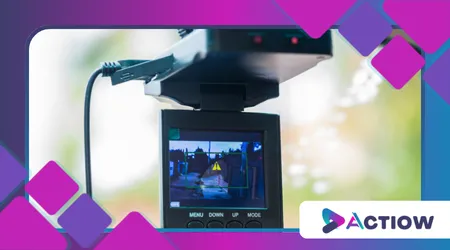
Car Dash Cams Reviewed, What You’ll Find in This Review:
To guide you through this comprehensive exploration, here’s an ordered summary of the topics we’ll cover:
- What Are Car Dash Cams and How Do They Work?
- Why Should You Invest in a Dash Cam for Road Safety?
- What Are the Essential Safety Features in Modern Dash Cams?
- Top Car Dash Cams Reviewed: Our Recommendations
- How to Choose the Right Dash Cam for Your Needs?
- Frequently Asked Questions
++ Mazda CX-90 PHEV Review: A New Luxury Challenger?
What Are Car Dash Cams and How Do They Work?

Car dash cams, short for dashboard cameras, are small video recording devices mounted on a vehicle’s windshield or dashboard to continuously capture footage of the road ahead.
Unlike traditional security cameras, they are designed specifically for automotive use, often looping recordings to save storage space while prioritizing critical events.
Therefore, when an incident occurs, the device automatically saves relevant clips, ensuring evidence is preserved without manual intervention.
Moreover, these cameras typically operate on a loop system, overwriting old footage unless a sensor detects a sudden impact or motion.
This seamless functionality means drivers don’t have to worry about managing files daily; instead, the cam handles it intelligently.
++ Comparing Motorcycle Jackets: Best Choices for Safety and Style
Additionally, many models now include rear-facing lenses, expanding coverage to include what’s behind the vehicle, which proves invaluable in multi-lane highways or parking lots.
Furthermore, the core mechanism relies on built-in sensors like accelerometers that trigger event locking.
For instance, if your car experiences a jolt from a pothole or collision, the footage from moments before and after is safeguarded.
However, integration with vehicle power sources varies—some plug into the cigarette lighter, while advanced ones hardwire into the car’s battery for constant surveillance even when parked.
Why Should You Invest in a Dash Cam for Road Safety?
Investing in a dash cam goes beyond mere documentation; it actively contributes to safer driving habits by providing an objective record that can deter reckless behavior.
Consequently, drivers become more aware of their surroundings, knowing every maneuver is captured.
This psychological shift alone can reduce the likelihood of errors, as the camera serves as a silent reminder to adhere to traffic rules.
++ Holographic Displays in Cars: Sci-Fi or the Next Normal?
Additionally, consider the broader impact on insurance claims and legal disputes.
With clear video evidence, what might have been a drawn-out argument over fault becomes a straightforward resolution.
For example, imagine navigating a busy intersection when another driver runs a red light and sideswipes your vehicle; your dash cam footage could instantly clarify the sequence of events, speeding up claims and potentially lowering premiums over time.
However, the real value shines in unexpected scenarios. Wouldn’t you want an unbiased witness on every drive, especially in hit-and-run situations?
This rhetorical question highlights a key benefit: dash cams empower users with proof, fostering a sense of security.
According to recent surveys, 16% of drivers now own a dash cam, reflecting growing recognition of their role in enhancing road safety.
Moreover, studies show that fleets equipped with dash cams experience up to an 86% decrease in accident-related costs, underscoring their preventive power.
To illustrate, let’s examine an original example: Sarah, a commuter in a bustling city, installed a dash cam after witnessing erratic driving on her route.
One evening, a distracted pedestrian stepped into traffic, forcing her to brake sharply; the cam’s automatic lock captured the near-miss, which she later used to report the hazardous crosswalk to authorities, prompting safety improvements.
Thus, the device not only protected her but also contributed to community-wide enhancements.
What Are the Essential Safety Features in Modern Dash Cams?
Essential safety features in modern dash cams start with high-resolution video capture, such as 4K or 1080p, which ensures crystal-clear footage even in low-light conditions.
Therefore, models with STARVIS sensors excel at night vision, reducing the blur that plagues older cams and making license plates readable after dark.
This clarity is crucial for identifying details in accidents, transforming vague recollections into reliable evidence.
Furthermore, G-sensors, or accelerometers, detect sudden movements and automatically protect recordings from being overwritten.
Additionally, advanced versions include ADAS (Advanced Driver Assistance Systems) like lane departure warnings and forward collision alerts, which beep to alert drivers of potential hazards.
However, these features require proper calibration to avoid false positives, ensuring they enhance rather than distract from the driving experience.
Moreover, cloud connectivity allows for real-time uploads and remote access, meaning you can check on your parked vehicle via an app.
For safety-focused users, this adds a layer of theft deterrence.
Think of a dash cam as a vigilant co-pilot that never blinks—much like how a ship’s radar scans for obstacles around the clock, it anticipates risks and records them faithfully.
In another original example, consider Tom, a long-haul trucker who relies on his dash cam’s parking mode.
While stopped at a rest area, motion detection activated the camera when someone tampered with his cargo; the footage led to a quick police response, preventing loss and highlighting how such features extend safety beyond active driving.
Top Car Dash Cams Reviewed: Our Recommendations
When reviewing top car dash cams for 2025, we prioritize models that balance affordability with cutting-edge safety features.
Consequently, the Viofo A329T stands out for its exceptional license plate capture and STARVIS 2 technology, making it ideal for urban drivers facing heavy traffic.
This dual-channel cam records in 4K front and 1080p rear, with HDR for balanced exposure in varying light.
Additionally, the Nextbase iQ offers an all-in-one package with smart alerts and cloud integration, perfect for those seeking comprehensive security. Its AI-driven features, like emergency SOS, automatically notify contacts in case of a crash.
However, its premium price reflects these advancements, so budget-conscious buyers might prefer the Rove R2-4K Dual, which delivers wide-angle views and reliable G-sensor performance at a fraction of the cost.
Furthermore, Garmin’s Dash Cam Mini 3 emphasizes discretion with its tiny form factor, yet it packs wireless connectivity and clear 1080p video.
This makes it suitable for minimalist setups without sacrificing safety essentials like impact detection.
To compare these models side by side, here’s a table highlighting key safety features:
| Model | Resolution (Front/Rear) | Key Safety Features | Price Range | Night Vision Quality |
|---|---|---|---|---|
| Viofo A329T | 4K / 1080p | STARVIS 2, HDR, G-sensor, Parking Mode | $150-$200 | Excellent |
| Nextbase iQ | 4K / 1080p | ADAS Alerts, Cloud Upload, SOS | $300-$400 | Very Good |
| Rove R2-4K Dual | 4K / 1080p | Wide-Angle Lens, Impact Lock | $100-$150 | Good |
| Garmin Mini 3 | 1080p / N/A | Wireless Sync, Motion Detection | $100-$130 | Good |
This comparison reveals how each cam caters to different needs, from high-end tech to everyday reliability.
How to Choose the Right Dash Cam for Your Needs?
Choosing the right dash cam begins with assessing your driving environment—urban commuters might prioritize night vision, while highway travelers focus on wide-angle coverage.
Therefore, evaluate resolution first; higher pixels mean sharper details, but they also demand more storage.
Additionally, ensure the model supports loop recording to avoid constant maintenance.
Moreover, battery life and power options matter for uninterrupted operation.
Hardwired kits allow 24/7 monitoring, ideal for high-theft areas, whereas plug-in models suit casual users.
However, always check compatibility with your vehicle’s electrical system to prevent draining the battery.
Furthermore, app integration can streamline usage, letting you view footage remotely.
For families, models with voice controls reduce distractions.
In essence, align features with your routine: if you park in public lots often, opt for robust parking modes; for long trips, emphasize GPS logging for route verification.
Car Dash Cams Reviewed: Frequently Asked Questions
To address common curiosities, we’ve compiled a table of frequently asked questions based on driver inquiries.
This provides quick, insightful answers to enhance your understanding.
| Question | Answer |
|---|---|
| Do dash cams reduce insurance rates? | Yes, many insurers offer discounts up to 10% for dash cam users, as they provide evidence that can expedite claims and prevent fraud. |
| Are dash cams legal everywhere? | Generally yes, but check local laws—some regions restrict windshield placement or audio recording without consent. |
| How much storage do I need? | Aim for at least 128GB; 4K models fill up faster, but loop recording manages space efficiently. |
| Can dash cams work in extreme weather? | Most are rated for -20°F to 140°F, with features like heat-resistant capacitors for reliability. |
| What if my dash cam footage is disputed? | Courts often accept it as evidence if timestamped and unedited; consult a lawyer for specifics. |
In conclusion, car dash cams reviewed here demonstrate how innovative features can transform everyday drives into safer journeys.
By selecting one that fits your lifestyle, you’re not just recording—you’re proactively protecting yourself and others.
For more details, here are three current and relevant links: