
Honda WN7: Warum dieses preisgekrönte Elektrofahrrad jetzt weltweit so wichtig ist
Anzeigen
Der Honda WN7 Das Unternehmen tauchte nicht einfach nur auf; es griff in eine globale Debatte ein, die ins Stocken geraten war und von “Konzeptfahrzeugen” überladen war, die das Blaue vom Himmel versprachen, aber selten bis zur Haustür gelangten.
Während viele Hersteller damit beschäftigt waren, überdimensionierte und schwere Motorräder mit unnötigen Touchscreens auszustatten, schlug Honda einen anderen Weg ein – den der radikalen Einfachheit.
Es kommt selten vor, dass ein Fahrzeug im selben Zyklus sowohl den Red Dot Award “Best of the Best” als auch den Global Mobility Innovation Award gewinnt, doch genau das hat dieses Fahrrad geschafft, indem es das eine Problem löste, das alle anderen überkomplizierten: die enorme Reibung der urbanen Fortbewegung.
Anzeigen
Es ist beunruhigend, wie lange wir zugelassen haben, dass unsere Städte zu Freiluftparkplätzen für riesige Stahlboxen werden.
Der Honda WN7 Das ist gerade jetzt wichtig, weil es nicht verlangt, dass man sein Leben ändert, um die Umwelt zu retten; es macht das Leben einfach besser, während man es gleichzeitig tut.
Es ist das erste Mal, dass ein Traditionsriese die zugängliche Seele der klassischen Super Cub mit der modularen, austauschbaren Akkutechnologie des Jahres 2026 erfolgreich vereint hat.
Dies ist nicht einfach nur ein Gerät auf zwei Rädern; es ist ein Statement darüber, wie wir unsere urbanen Zentren im nächsten Jahrhundert bewohnen wollen.
Lesen Sie den Text weiter und erfahren Sie mehr!
Zusammenfassung der Erkundung
- Das demokratische Design: Warum die WN7 weltweite Anerkennung erlangte.
- Neuraler Fluss und Energiepakete: Die Technik unter dem Sitz.
- Philosophie der nächsten Welt: Die globale Mobilitätslücke überbrücken.
- Der Vorteil für Pendler: Praktikabilität vor Hype.
- Verbrenner vs. Elektrofahrzeug: Das Effizienzargument im Jahr 2026.
- Anwendungsbeispiele aus der Praxis: Von Lissabon nach London.
- Häufig gestellte Fragen: Das Wichtigste für neue Fahrer.
Was ist das? Honda WN7 Und warum erlangte es weltweite Anerkennung?
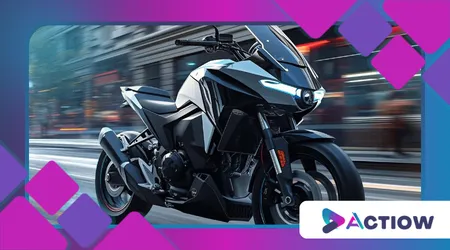
Im Kern ist die Honda WN7 ist ein modulares Elektromotorrad, das für universelle Zugänglichkeit konzipiert wurde, aber diese Definition fühlt sich für die Maschine selbst viel zu klinisch an.
Bei seiner Markteinführung brach es mit allen Konventionen, indem es einen leichten “Exo-Rahmen” aus recyceltem Aluminium verwendete – ein Design, das futuristisch aussieht, sich aber seltsam vertraut anfühlt, wie ein Vintage-Fahrrad, dem sein Ego abgenommen wurde.
Es gewann den International Design Award 2026 nicht für sein auffälliges Design, sondern für sein “demokratisches Design”.”
Die Idee ist einfach: Hochwertige Elektromobilität sollte kein Luxus sein, der nur denjenigen vorbehalten ist, die über eine Garage im Vorort und eine private Ladestation verfügen.
Die weltweite Anerkennung ist größtenteils auf Hondas Engagement für das Honda Mobile Power Pack e: Ökosystem zurückzuführen.
Anstelle eines fest verbauten, schweren Akkus, der einen vier Stunden lang an die Steckdose fesselt, verwendet das Fahrrad ein Dual-Modul-System.
Man kann sie in Sekundenschnelle an einem Bahnhof umtauschen oder mit in die Wohnung nehmen. Diese architektonische Ehrlichkeit spricht eine Generation an, die der Technik überdrüssig ist, die sie weder reparieren noch verstehen kann.
Jede Schraube und jedes Kabel am WN7 wirkt durchdacht und spiegelt eine Rückbesinnung auf Langlebigkeit und Benutzerfreundlichkeit wider.
Darüber hinaus wurde die Ergonomie des Fahrrads unter Verwendung biometrischer Daten von fünf verschiedenen Kontinenten entwickelt, um sicherzustellen, dass sich ein Fahrer in Tokio genauso wohl fühlt wie einer in São Paulo.
Die meisten E-Bikes sind für einen Standardrahmen mittlerer Größe konzipiert, aber die Honda WN7 verfügt über einen verstellbaren “Schaukelsitz”, der für Körpergrößen von 150 cm bis 195 cm geeignet ist.
Haben Sie sich jemals gefragt, warum sich die meisten Fahrräder so anfühlen, als wären sie für jemand anderen angefertigt worden?
Honda hat das ganz offensichtlich getan und beschlossen, die 40%-Motoren auf dem Markt, die nicht dem “Standard”-Schema entsprechen, nicht länger zu ignorieren.
++ Wie Cybersicherheit zu einem Kernbestandteil des Automobildesigns wurde
Wie funktioniert die “Neural Flux”-Technologie genau?
Um zu verstehen, wie die Honda WN7 Wenn man es bedienen will, muss man es sich weniger wie ein herkömmliches Motorrad vorstellen, sondern eher wie einen Hochleistungs-Laptop auf zwei Rädern – aber ohne dessen Zerbrechlichkeit.
Die Energieübertragung erfolgt über einen Mittelmotor, der eine überraschende Spitzenleistung von 12 kW erzeugt.
Die eigentliche Magie liegt jedoch im “Neural Flux”-Controller.
Dieses System überwacht die Straßenverhältnisse 1000 Mal pro Sekunde und passt die Drehmomentabgabe an, um sicherzustellen, dass der Hinterreifen auf nassem Stadtkopfsteinpflaster oder öligem Asphalt niemals die Haftung verliert.
Es ist ein Maß an Stabilität, das fast übernatürlich wirkt.
Die eigentliche Umwälzung liegt in der Batteriearchitektur.
Durch die Verwendung zweier austauschbarer 1,3-kWh-Akkus funktioniert das Fahrrad ähnlich wie eine hochwertige Kamera mit zwei Akkufächern.
Man kann das eine Teil im laufenden Betrieb austauschen, während das andere die “Lebensfunktionen” des Motorrads aufrechterhält.”
Diese Modularität ermöglicht ein leichteres Chassis, da der Hersteller keine massive, schwere Batterie verbauen muss, um eine ordentliche Reichweite zu erzielen. Stattdessen hat er ein dichtes Netz von Wechselstationen aufgebaut, die ein “Auftanken” zu einem 30-sekündigen Boxenstopp machen.
Mit “Haptic Feedback Grips” wurde auch die Sicherheitstechnik in eine neue Dimension gehoben.”
Statt eines lauten, ablenkenden Signaltons, der den Stadtlärm noch verstärkt, vibrieren die Lenkergriffe sanft auf der linken oder rechten Seite, um Sie vor einem Fahrzeug in Ihrem toten Winkel zu warnen.
Es ist eine subtile, auf den Menschen ausgerichtete Art der Datenkommunikation, die dafür sorgt, dass Ihre Aufmerksamkeit dort bleibt, wo sie hingehört: auf der Straße.
Dieses Maß an integrierter KI fühlt sich nicht wie eine Spielerei an; es fühlt sich an wie ein Schutzengel, der die chaotische Natur des städtischen Verkehrs im Jahr 2026 tatsächlich versteht.
Warum ist die “World Next”-Philosophie ein Wendepunkt für das Jahr 2026?
Die “World Next”-Philosophie (WN) hinter der Honda WN7 ist eine direkte Reaktion auf eine erschreckende Realität: Bis 2050 werden fast 701.030 Billionen Menschen weltweit in Städten leben.
Honda erkannte, dass das Modell “eine Person, ein riesiges Auto” grundlegend gescheitert ist.
Der WN7 wurde als “großer Gleichmacher” konzipiert – ein Fahrzeug, das minimalen Platz benötigt, aber maximale Freiheit bietet. Es geht darum, unseren physischen Einfluss zu verringern und gleichzeitig unsere Reichweite zu vergrößern.
Diese Philosophie bestimmt auch den ökologischen Fußabdruck des Fahrrads.
Im Gegensatz zu früheren Generationen von Elektrofahrzeugen, die wegen ihrer hohen CO₂-Intensität bei der Produktion kritisiert wurden, Honda WN7 wird in “klimaneutralen” Mikrofabriken hergestellt.
Durch die Lokalisierung der Produktion hat Honda die mit dem Transport des Motorrads verbundenen Emissionen um fast 401 TP3T reduziert.
Es handelt sich um einen ganzheitlichen Ansatz zur Nachhaltigkeit, der den gesamten Lebenszyklus des Fahrzeugs betrachtet, von der ersten Schweißnaht bis zum eventuellen Recycling der Batteriezellen.
Darüber hinaus schließt die WN7 die Lücke zwischen Entwicklungsländern und Hightech-Städten.
In Städten, in denen die Scooter-Kultur das Rückgrat der Wirtschaft bildet, bietet dieses Fahrrad einen Weg zur Dekarbonisierung, der tatsächlich bezahlbar ist.
Durch das Angebot eines “Battery-as-a-Service”-Modells (BaaS) hat Honda den Einstiegspreis des Honda WN7 um der Leistung eines 125-cm³-Benzinmotorrads zu entsprechen.
Damit wird der “grüne Aufschlag” beseitigt, der die Verbreitung von Elektrofahrzeugen jahrelang behindert hat.
Es ist nicht nur ein Fahrrad für die Elite; es ist ein Fahrrad für den Lieferanten Ihres Mittagessens und den Studenten auf dem Weg zur Vorlesung.
++ Mercedes CLA EV vs. Tesla Model 3: Die beste Elektro-Limousine für 2026
Die praktischen Vorteile der Honda WN7 für Pendler in der Stadt
Wer schon einmal vierzig Minuten mit der Suche nach einem Parkplatz für ein Auto verbracht hat, in dem nur er selbst und ein Laptop Platz fanden, versteht bereits den Hauptvorteil.
Der Honda WN7 Es befindet sich in der idealen Transportzone – schneller als ein E-Bike, wendiger als ein Auto und unendlich viel sauberer als ein herkömmliches Moped.
Durch das Fehlen eines Getriebes und einer Kupplung wird die mentale Belastung beim Fahren reduziert, sodass man sich auf die Umgebung konzentrieren kann, anstatt die Motordrehzahl zu regeln.
Die Wartung ist der Bereich, in dem das WN7 langfristig wirklich punktet.
Ein herkömmlicher Verbrennungsmotor hat Hunderte von beweglichen Teilen, die alle mit der Zeit verschleißen, undicht werden oder kaputtgehen. Der Motor des WN7 hat genau ein bewegliches Teil.
Es gibt keinen Ölwechsel, keine Zündkerzen und keine Auspuffanlagen, die durchrosten könnten.
Für den durchschnittlichen Pendler bedeutet dies eine Reduzierung der jährlichen Wartungskosten um 701 TP3T.
In einer Wirtschaft, in der alles immer teurer wird, fungiert die WN7 als seltene Absicherung gegen Inflation.
Die Geräuscharmut ist vielleicht der am meisten unterschätzte Vorteil. Das Fahren mit dem Honda WN7 Durch eine Stadt um 6:00 Uhr morgens zu fliegen, fühlt sich an wie Fliegen.
Man kann die Vögel, den Wind und – noch wichtiger – die Sirene eines Krankenwagens drei Blocks entfernt hören, die man im Lärm eines Benzinmotors vielleicht überhört hätte.
Wenn tausend WN7-Motorräder tausend Benzinroller ersetzen, verändert sich der Charakter eines Viertels. Es wird zu einem Ort der Unterhaltung statt eines Ortes des Geschreis.
Es ist ein Geschenk an die kollektive psychische Gesundheit der Stadt.
Wie schneidet es im Vergleich zu herkömmlichen Motorrädern mit Verbrennungsmotor ab?
Während einige Puristen die Vibrationen und den Benzingeruch vermissen, Honda WN7 gewinnt das Argument der reinen Effizienz.
Ein herkömmlicher 150-cm³-Benzinmotor hat bestenfalls einen Wirkungsgrad von etwa 30% – der Rest der Energie geht als Wärme und Lärm verloren.
Der elektrische Antriebsstrang im WN7 hat einen Wirkungsgrad von über 90%.
Das ist nicht nur ein Gewinn für den Planeten, sondern auch ein Gewinn für Ihren Geldbeutel.
Jeder Cent, den Sie in die Batterie investieren, fließt direkt in Ihre Vorwärtsbewegung und erwärmt nicht die Luft um Sie herum.
Die Drehmomentkurve ist ein weiterer Ausgangspunkt.
Bei einem benzinbetriebenen Motorrad muss man warten, bis der Motor seine volle Leistung entfaltet.
Der Honda WN7 liefert maximales Drehmoment ab null Umdrehungen pro Minute.
Das bedeutet, dass Sie, wenn die Ampel auf Grün schaltet, die Kreuzung bereits überquert haben und sich in einer sicheren Position befinden, bevor die Fahrzeuge hinter Ihnen überhaupt den ersten Gang eingelegt haben.
Im risikoreichen Spiel des urbanen Überlebens ist dieser anfängliche Geschwindigkeitsschub ein entscheidendes Sicherheitsmerkmal und nicht nur eine Leistungsstatistik.
Die eigentliche “Killer-App” ist jedoch die digitale Integration.
Traditionelle Fahrräder sind “analoge” Maschinen; sie wissen nicht, ob eine Straße gesperrt ist oder ob sich das Wetter ändert.
Das WN7 ist nativ mit dem Honda Global Newsroom Netzwerk.
Es kann Ihnen basierend auf der aktuellen Verkehrslage eine alternative Route vorschlagen oder Sie warnen, wenn jemand Ihr geparktes Fahrrad berührt.
Das ist der Unterschied zwischen einem Wählscheibentelefon und einem modernen Smartphone – mit beiden kann man telefonieren, aber nur mit einem kann man sein Leben organisieren.
Vergleich: Die WN7 vs. die 150-cm³-Standardmaschine
| Metrisch | Honda WN7 (Elektrofahrzeug) | Typischerweise 150 cm³ (Benzin) |
| Brennstoff-/Energiekosten | ~$1,20 pro 100 km | ~$5,50 pro 100 km |
| 0-50 km/h | 3,2 Sekunden | 5,5 Sekunden |
| Geräuschpegel | 15 dB (Brummen) | 80 dB (Brüllen) |
| Routine-Service | Nur Reifen und Bremsen | Öl, Filter, Zündkerzen, Riemen |
| Emissionen | Null (Auspuffrohr) | CO2, NOx, Feinstaub |
Auswirkungen in der Praxis: Zwei originelle Anwendungsfälle
1. Der “digitale Nomade” in Lissabon
Nehmen wir Elena als Beispiel, eine freiberufliche Architektin im hügeligen Lissaboner Stadtteil Alfama.
Vor dem Honda WN7, Sie hatte mit Steigungen von 20 Grad und so engen Straßen zu kämpfen, dass Autos ein Albtraum waren.
Mit einem herkömmlichen E-Bike wäre sie bei Kundenterminen ins Schwitzen gekommen, ein Auto hingegen ließ sich nicht parken.
Mit der WN7 meistert sie die Hügel mühelos.
Da sie in einer Wohnung im dritten Stock ohne Aufzug wohnt, braucht sie keine Garage; sie bringt einfach ihre beiden Akkumodule abends ins Haus und lädt sie neben ihrem Laptop auf.
2. Die “Zustellung auf der letzten Meile” in London
In London hat ein kleines Lieferunternehmen seine benzinbetriebenen Lieferwagen durch WN7-Fahrräder ersetzt.
Dadurch umgingen sie die Gebühren der Ultra Low Emission Zone (ULEZ) vollständig.
Da das Fahrrad mit austauschbaren Akkus ausgestattet ist, müssen die Fahrer nicht stundenlang zum Aufladen anhalten; sie halten für 30 Sekunden an einer “Honda Swap-Go”-Station und können dann weiterfahren.
Das Unternehmen berichtete von einer Steigerung der Liefergeschwindigkeit um 251 TP3T, da die Fahrräder in der Lage seien, sich durch den stockenden Verkehr zu schlängeln, und dass die Gemeinkosten um 401 TP3T gesunken seien.
Häufig gestellte Fragen: Alles, was Sie wissen müssen
| Frage | Antwort |
| Wie lange halten die Batterien? | Die WN7-Batterien sind für 2.500 Ladezyklen ausgelegt und behalten dabei ihre Kapazität von 80% bei – das entspricht etwa 8-10 Jahren täglichem Pendeln. |
| Ist es wasserdicht? | Ja, das Fahrrad und seine Batteriefächer sind nach IP67 zertifiziert, was bedeutet, dass sie starkem Regen und sogar kurzzeitigem Untertauchen standhalten. |
| Kann ich es zu Hause aufladen? | Absolut. Honda WN7 Wird mit einem tragbaren Ladegerät geliefert, das an jede normale Steckdose angeschlossen werden kann. |
| Was passiert, wenn der Akku leer ist? | Die Honda RoadSync App leitet Sie zur nächstgelegenen Tauschstation. Viele Tankstellen und Convenience-Stores verfügen mittlerweile über solche Stationen. |
Das Fahrrad, das wir wirklich verdient haben
Kann eine Maschine ein Gewissen haben?
Das mag zwar etwas weit hergeholt sein, aber Honda WN7 Es vermittelt definitiv den Eindruck, als sei es mit einem Verantwortungsgefühl gegenüber der Zukunft entworfen worden.
Es versucht nicht, mit künstlichen Motorengeräuschen oder grellen Neonlichtern Aufmerksamkeit zu erregen.
Stattdessen gewinnt es Ihren Respekt durch unaufdringliche Kompetenz und durchdachte Details – wie den “Gehmodus”, der Ihnen mit Unterstützung des Motors beim Rückwärtsfahren aus engen Parklücken hilft.
Das Fahrrad spielt heute weltweit eine wichtige Rolle, weil wir einen Wendepunkt erreicht haben.
Wir können die Umweltkosten unseres öffentlichen Nahverkehrs nicht länger ignorieren, aber wir können auch die wirtschaftliche Realität der Menschen, die zur Arbeit kommen müssen, nicht ignorieren.
Die WN7 ist die Brücke. Sie ist ein Paradebeispiel für “Weniger ist mehr” und beweist, dass man die Freude am Fahren entdeckt, wenn man die Komplexität des Benzins beseitigt.
Je weiter wir in das Jahr 2026 vordringen, Honda WN7 Sie wird wohl als das “Modell T” des elektrischen Zeitalters in Erinnerung bleiben – das Fahrrad, das endlich saubere, effiziente und stilvolle Transportmittel für alle zugänglich machte, unabhängig davon, in welchem Teil der Welt sie leben.
Um in Echtzeit zu sehen, wie diese Fahrräder die städtische Infrastruktur verändern, Electrek Mobilitätsbericht bietet detaillierte Einblicke in die Ladeinfrastruktur, die derzeit in ganz Europa und Asien expandiert.