
Pourquoi les motards urbains délaissent-ils la voiture au profit de la moto ?
Annonces
Passer de la voiture à la moto!
Dans les villes animées où chaque minute compte, de plus en plus de navetteurs délaissent les quatre roues pour les deux.
Ce changement, connu sous le nom de passer des voitures aux motos, Ce n'est pas qu'une simple tendance, c'est une réponse pratique aux défis urbains modernes, alliant efficacité et sentiment de liberté.
Annonces
Continuez à lire !
Résumé ordonné des sujets
- Pourquoi les motards urbains délaissent-ils la voiture au profit de la moto ?
- Quels sont les principaux avantages de la moto en ville ?
- Quel impact ce changement a-t-il sur les trajets quotidiens et les coûts ?
- Quels sont les défis que les cyclistes doivent prendre en compte avant de changer de moto ?
- Quels exemples concrets illustrent ce changement ?
- Que révèlent les statistiques sur cette tendance ?
- Pourquoi ce changement est-il comparable à l'échange d'une valise encombrante contre un sac à dos élégant ? Une analogie
- Foire aux questions
Pourquoi les motards urbains délaissent-ils la voiture au profit de la moto ?
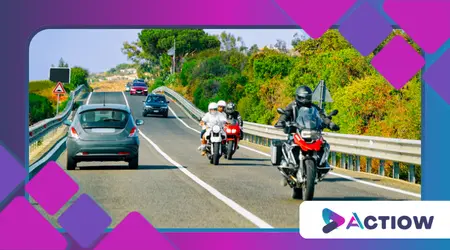
Les cyclistes urbains sont de plus en plus nombreux. passer des voitures aux motos en raison de l'aggravation des embouteillages qui transforment les courts trajets en véritables calvaires de plusieurs heures.
De plus, avec l'expansion des villes et les transports publics souvent peu fiables, les motos offrent une alternative agile qui permet de se faufiler dans les embouteillages.
De plus, la hausse des prix du carburant et les préoccupations environnementales incitent les usagers des transports en commun à se tourner vers des options plus efficaces.
Cependant, ce changement n'est pas simplement une réaction ; il s'agit d'une démarche réfléchie visant à récupérer du temps et à réduire le stress quotidien.
Par conséquent, le télétravail estompant la frontière entre domicile et bureau, les usagers recherchent des véhicules qui s'adaptent à des horaires flexibles sans les tracas des batailles de stationnement.
Par conséquent, tout l'intérêt réside dans la transformation des trajets domicile-travail, souvent frustrants, en expériences stimulantes.
De plus, les jeunes générations privilégient les expériences à la possession, considérant les motos comme des outils d'exploration urbaine plutôt que comme des symboles de statut social.
++ Comment l'IA apprend votre style de conduite — et quand elle se trompe
Quels sont les principaux avantages de la moto en ville ?
L'un de ses principaux atouts réside dans sa maniabilité supérieure en circulation dense, permettant aux cyclistes de se faufiler entre les voitures bloquées.
De plus, cette agilité permet de réduire considérablement le temps de trajet quotidien, ce qui améliore la productivité.
De plus, les motos consomment moins de carburant, atteignant souvent le double du kilométrage des berlines dans des conditions de circulation en ville.
Cependant, les avantages s'étendent au stationnement : se garer dans des espaces restreints inaccessibles aux voitures permet d'économiser du temps et de l'argent sur les frais de stationnement.
++ Comment le freinage régénératif a changé les routines d'entretien des motos
Par conséquent, d'un point de vue environnemental, les modèles électriques réduisent les émissions, conformément aux exigences municipales en matière de qualité de l'air.
Par conséquent, les cyclistes contribuent à des écosystèmes urbains durables tout en bénéficiant de coûts d'entretien réduits.
De plus, le plaisir de rouler en plein air favorise la clarté mentale, transformant les trajets monotones en pauses revigorantes.
Ne préféreriez-vous pas vibrer au rythme de la ville plutôt que d'être isolé dans une boîte métallique ?
Quel impact ce changement a-t-il sur les trajets quotidiens et les coûts ?
Ce changement raccourcit considérablement les temps de trajet, les motos se faufilant plus facilement dans les embouteillages, ce qui pourrait potentiellement réduire de moitié la durée des déplacements aux heures de pointe.
++ Les meilleures voitures urbaines de 2026 selon le stationnement et la visibilité
De plus, cette efficacité se traduit par une réduction des dépenses en carburant, allégeant ainsi les budgets mensuels.
De plus, les primes d'assurance pour les motos peuvent être inférieures à celles des voitures, notamment pour les motards expérimentés ayant un bon dossier de sécurité.
Cependant, les coûts initiaux varient ; des modèles abordables permettent d’y accéder sans emprunts massifs.
Par conséquent, au fil du temps, des économies s'accumulent grâce à la réduction des réparations et à l'absence de besoin d'un grand espace de garage.
Par conséquent, les citadins réorientent leurs fonds vers les loisirs ou les investissements, améliorant ainsi leur qualité de vie.
De plus, cela permet un meilleur équilibre entre vie professionnelle et vie personnelle, car des trajets plus courts libèrent des soirées pour la famille ou les loisirs.
| Aspect | Voitures | Motos | Potentiel d'économies |
|---|---|---|---|
| Temps de trajet (30 km en zone urbaine) | 45-60 min | 20-30 min | Réduction jusqu'à 50% |
| efficacité énergétique | 20-25 mpg | 40-60 mpg | 50% consommation de carburant réduite |
| Frais de stationnement (mensuels) | $100-200 | $0-50 | Jusqu'à $150 économisés |
Quels sont les défis que les cyclistes doivent prendre en compte avant de changer de moto ?
La sécurité demeure une préoccupation majeure, car les motos offrent moins de protection en cas de collision, ce qui exige une vigilance accrue et le port d'équipements de protection.
De plus, l'exposition aux intempéries (pluie ou froid) peut dissuader une utilisation tout au long de l'année sans vêtements appropriés.
De plus, les limitations de stockage impliquent de sacrifier l'espace de chargement, ce qui complique les courses ou les sorties en famille.
Cependant, cela encourage le minimalisme, en se concentrant sur l'essentiel.
Par conséquent, l'obtention des licences et la formation constituent des obstacles initiaux, mais elles renforcent la confiance et génèrent des avantages à long terme.
Par conséquent, les cyclistes doivent mettre ces inconvénients en balance avec les gains potentiels, en commençant peut-être par de courts essais.
De plus, le bruit et les vibrations peuvent fatiguer certaines personnes, même si les conceptions modernes atténuent ce problème grâce à des améliorations ergonomiques.
Quels exemples concrets illustrent ce changement ?
Prenons l'exemple d'Elena, consultante en marketing à New York, qui a troqué son SUV compact contre un scooter de 300 cm3 en 2025 après d'innombrables frustrations liées au stationnement.
De plus, son temps de trajet quotidien est passé de 45 à 20 minutes, ce qui lui a permis de faire des séances de yoga matinales qui ont amélioré sa concentration au travail.
De plus, la facture de carburant d'Elena a été divisée par deux, libérant ainsi $200 par mois pour des événements culturels, transformant son changement en une véritable amélioration de son style de vie.
Cependant, elle a investi dans des vêtements de pluie pour faire face aux caprices de la météo, prouvant ainsi que l'adaptabilité est essentielle.
Cet exemple montre donc comment ce changement favorise le développement personnel au-delà du simple transport.
Un autre exemple est celui de Raj, un développeur de logiciels à Mumbai, qui a abandonné sa berline pour une moto électrique face à la flambée des prix de l'essence.
De plus, il recharge désormais à domicile, ce qui réduit les coûts de 70% tout en évitant les embouteillages qui causaient autrefois des arrivées tardives.
Par conséquent, la productivité de Raj a grimpé en flèche, ce qui lui a valu une promotion, car il arrivait reposé et à l'heure.
Il insiste toutefois sur le port du casque après une frayeur mineure, soulignant le rôle de la sécurité dans la réussite des transitions.
Que révèlent les statistiques sur cette tendance ?
Les statistiques soulignent la dynamique croissante derrière passer des voitures aux motos en milieu urbain.
De plus, selon des données récentes, dans certaines régions urbaines, les immatriculations de motos ont augmenté de plus de 101 000 milliards de dollars par an, reflétant un changement motivé par les besoins de congestion et d'efficacité.
En outre, le marché mondial de la moto devrait passer de $75,82 milliards en 2025 à $119,09 milliards d'ici 2032, avec un TCAC de 6,7%, largement alimenté par la demande urbaine de transport agile.
Cependant, aux États-Unis, le marché des motos et des scooters devrait connaître une croissance annuelle composée de 4,61 milliards de dollars à partir de 2025, pour atteindre 13,6 milliards de dollars d'ici 2034, les citadins privilégiant les options économes en carburant face à la hausse des coûts.
Ces chiffres indiquent donc que cette tendance n'est pas passagère, mais bien une réponse à l'évolution de la dynamique urbaine.
Par conséquent, ils mettent en lumière les possibilités pour les décideurs politiques de soutenir des infrastructures plus sûres.
| Statistique | Valeur | Source Insight |
|---|---|---|
| Croissance annuelle des immatriculations urbaines | Plus de 10% dans certaines régions | Reflète les changements induits par la congestion |
| TCAC du marché mondial (2025-2032) | 6.7% | L'urbanisation comme facteur clé |
| Prévisions du marché américain d'ici 2034 | $13.6B | Priorité à la mobilité efficace |
Pourquoi ce changement est-il comparable à l'échange d'une valise encombrante contre un sac à dos élégant ? Une analogie
Imaginez troquer une valise encombrante — lourde, prenant beaucoup de place et lente à manœuvrer dans un aéroport bondé — contre un sac à dos élégant qui vous permet de vous précipiter sans effort jusqu'à votre porte d'embarquement.
De la même manière, passer des voitures aux motos Cela reflète cette tendance, en abandonnant le poids des véhicules encombrés par la circulation au profit de deux-roues agiles qui naviguent avec précision dans les “ terminaux ” urbains.
De plus, tout comme un sac à dos contient l'essentiel sans superflu, les motos privilégient l'efficacité au luxe, libérant ainsi les motards des frais de stationnement et des véhicules gourmands en carburant.
Cependant, les deux nécessitent un rangement intelligent — des équipements de sécurité pour les cyclistes, comme des compartiments pour les objets de valeur.
Cette analogie révèle donc pourquoi ce changement favorise la mobilité urbaine, transformant les obstacles en opportunités.
Par conséquent, elle encourage à repenser les routines quotidiennes pour une plus grande liberté.
De plus, si la valise représente l'isolement, le sac à dos favorise le lien avec l'environnement, tout comme le vélo en plein air aiguise la conscience urbaine.
Passer de la voiture à la moto : Foire aux questions
| Question | Répondre |
|---|---|
| Quelles sont les principales raisons qui poussent à passer de la voiture à la moto ? | Éviter les embouteillages et réaliser des économies est en tête de liste ; découvrez-en plus dans cet article. Rapport de Yahoo Finance. |
| Le changement de réseau est-il sûr en zone urbaine ? | Avec l'équipement et la formation adéquats, oui, mais la vigilance est essentielle ; consultez les informations de Cycle Trader. |
| Combien puis-je économiser en changeant de marque ? | Jusqu'à 50% pour le carburant et le stationnement ; voir les projections dans Fortune Business Insights. |
| Les motos électriques sont-elles une bonne option ? | Absolument, pour des trajets écologiques ; pensez aux modèles urbains. |
| De quel équipement ai-je besoin pour commencer ? | Casque, gants et veste pour une protection de base. |