
Pourquoi les ménages possédant plusieurs voitures deviennent-ils plus courants dans le monde ?
Annonces
ménages à plusieurs voitures redéfinissent la géographie urbaine et périurbaine moderne à mesure que les familles s'adaptent aux réalités économiques changeantes et à l'évolution de leurs besoins en matière de transport personnel.
Le fait de posséder plusieurs véhicules garés devant une même maison est passé, à l'échelle mondiale, d'un signe de luxe à une stratégie de survie nécessaire.
Cette tendance automobile se développe parallèlement à des mutations complexes du marché immobilier, des modes de vie multigénérationnels et de la décentralisation des lieux de travail.
Annonces
Des millions de personnes constatent qu'un seul véhicule ne peut tout simplement pas combler le fossé entre des horaires fragmentés, des parcours professionnels diversifiés et des lieux de scolarité variés.
Aperçu rapide de cette tendance automobile
- Évolution socio-économique : Analyse des coûts immobiliers et des dynamiques multigénérationnelles à l'origine de la croissance du parc automobile.
- L'impact sur le lieu de travail : Analyse de la manière dont les horaires hybrides et la dispersion des pôles d'emploi modifient la dépendance aux véhicules.
- Diversité stratégique de la flotte : Évaluation de la combinaison de véhicules électriques, de moteurs traditionnels et de motos pour une efficacité maximale.
- Stress des infrastructures : Examen des défis municipaux, spatiaux et logistiques auxquels sont confrontés les parcs de véhicules à l'échelle mondiale.
Pourquoi les ménages possédant plusieurs voitures deviennent-ils la norme mondiale ?
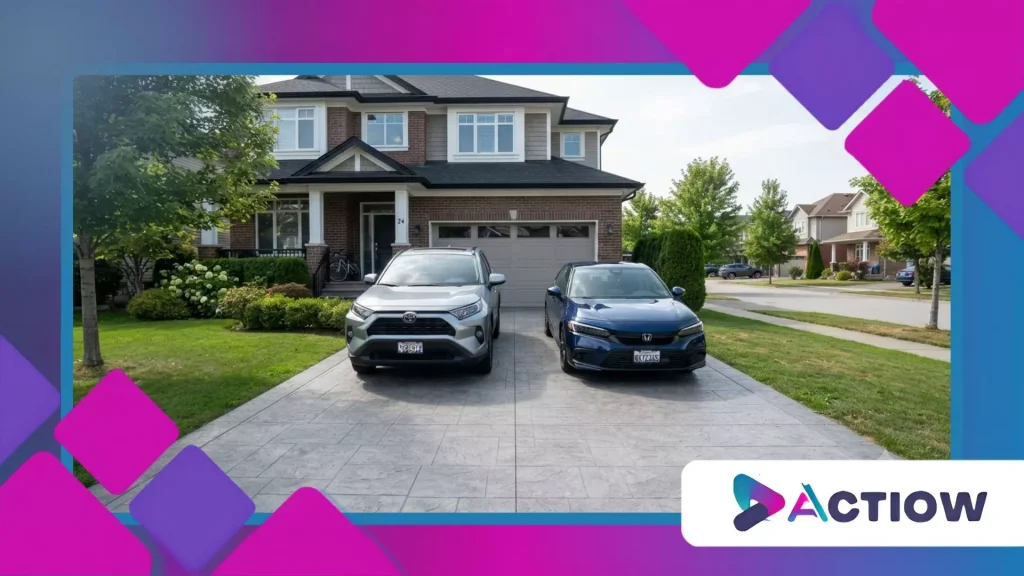
La hausse constante de ménages possédant plusieurs voitures est directement liée à la crise mondiale actuelle du logement abordable.
Les jeunes adultes se retrouvent exclus du marché immobilier en raison des prix élevés, et choisissent de vivre chez leurs parents beaucoup plus longtemps que les générations précédentes.
Par conséquent, une même adresse résidentielle abrite désormais fréquemment trois ou quatre adultes actifs simultanément.
Chacune de ces personnes a besoin d'un moyen de transport indépendant pour pouvoir respecter ses horaires de travail, ses engagements sociaux et ses routines éducatives.
Avez-vous remarqué comment les rues résidentielles qui semblaient autrefois ouvertes et désertes sont maintenant entièrement bordées de véhicules garés pare-chocs contre pare-chocs ?
Ce changement visuel agit comme un miroir géant reflétant de profonds changements structurels au sein de la cellule familiale moderne et des marchés internationaux du travail.
Quel est l’impact de la vie multigénérationnelle sur la possession d’un véhicule ?
Lorsque des enfants adultes, des parents et parfois des grands-parents partagent un même toit, leurs besoins en matière de transport se multiplient de façon exponentielle.
Les données de l'Office national des statistiques du Royaume-Uni confirment que les ménages multigénérationnels constituent le type de ménage dont la croissance est la plus rapide, modifiant ainsi les habitudes d'achat traditionnelles des consommateurs.
Ce mode de vie en colocation permet de mutualiser les ressources financières, ce qui permet aux familles de financer aisément plusieurs polices d'assurance automobile et prêts automobiles.
Au lieu d'investir séparément dans des acomptes pour des appartements coûteux, ces familles investissent massivement dans l'autonomie mobile de chaque membre actif.
++ Pourquoi les pick-ups compacts séduisent les acheteurs de SUV familiaux
Comment l'étalement urbain alimente-t-il le besoin de plusieurs véhicules ?
Le développement immobilier moderne repousse sans cesse les quartiers résidentiels des centres commerciaux centraux des villes.
Les réseaux de transport en commun suivent rarement le rythme de cette expansion rapide, laissant les nouvelles communautés suburbaines isolées et sans lignes de train ou de bus fiables.
Vivre dans ces zones nouvellement aménagées transforme la voiture, d'un confort optionnel, en un outil de survie indispensable au quotidien.
Chaque adulte du foyer doit posséder un volant pour pouvoir accéder aux supermarchés, aux centres médicaux et aux zones d'emploi régionales.
Lire aussi : Honda WN7 : pourquoi cette moto électrique primée est importante à l’échelle mondiale aujourd’hui
Pourquoi les horaires familiaux fragmentés nécessitent-ils un moyen de transport indépendant ?
Dans notre société trépidante, la routine traditionnelle d'une famille partant et rentrant à la maison à la même heure a complètement disparu.
Les individus modernes jonglent avec un mélange chaotique de travail à la tâche, d'horaires de vente au détail imprévisibles, d'activités extrascolaires et d'engagements sportifs variés.
Tenter de coordonner ces horaires opposés avec un seul véhicule familial engendre d'innombrables cauchemars logistiques domestiques.
Les familles se rendent vite compte que l'achat d'un véhicule secondaire abordable permet de gagner énormément de temps et d'éliminer les conflits d'horaires quotidiens.
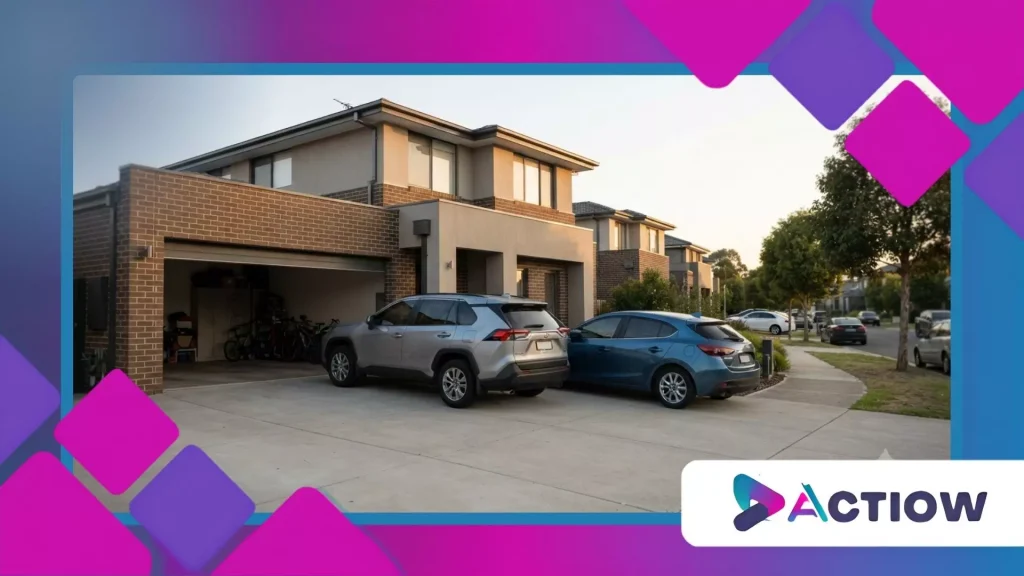
Comment les tendances sur le lieu de travail influencent-elles les décisions d'achat de véhicules ?
La transformation massive des environnements de travail en entreprise a durablement modifié la façon dont les communautés du monde entier abordent la possession d'un véhicule.
Alors que les premières prévisions concernant le télétravail laissaient entrevoir une forte baisse de la dépendance à la voiture, la réalité de 2026 révèle un résultat tout à fait différent.
Les horaires de travail hybrides obligent les employés à se déplacer selon des jours très précis et qui se chevauchent, rendant le partage de véhicule impossible pour les couples travaillant en entreprise.
De plus, l'essor massif des parcs d'activités décentralisés dans les zones périurbaines rend les systèmes de transport en commun traditionnels en étoile extrêmement inefficaces.
Ces frictions logistiques signifient que ménages possédant plusieurs voitures demeurent une condition essentielle pour réussir dans le paysage entrepreneurial contemporain.
Les individus doivent conserver la liberté absolue de se déplacer dans des directions géographiques opposées à tout moment.
En savoir plus: Les véhicules plus petits gagnent en popularité dans les villes.
Quel est le lien entre le travail hybride et la dépendance à la voiture ?
Lorsque les deux conjoints d'un même foyer doivent se rendre au travail les mardis et jeudis, le partage d'une seule voiture devient immédiatement impossible.
La rigidité des politiques de présence au bureau fait que le compromis est rarement une option pour les couples de professionnels occupés.
De ce fait, les familles de la classe moyenne considèrent la possession d'un véhicule secondaire comme une dépense professionnelle nécessaire pour protéger leur progression de carrière.
Cette tendance maintient la demande de voitures neuves et d'occasion très résiliente, même en période d'incertitude économique mondiale plus large.
Pourquoi les pôles d'emploi décentralisés stimulent-ils les ventes de véhicules ?
Les grandes entreprises continuent de délocaliser leurs sièges sociaux hors des centres-villes congestionnés vers des parcs d'activités périphériques moins coûteux.
Ces vastes zones industrielles et commerciales sont spécifiquement conçues autour des infrastructures automobiles plutôt que de l'accessibilité piétonne ou des lignes de bus.
Se rendre quotidiennement sur ces campus d'entreprises éloignés depuis différentes banlieues exige des solutions de transport hautement personnalisées.
Un foyer possédant deux voitures se transforme rapidement en foyer avec trois voitures dès qu'un deuxième membre de la famille trouve un emploi dans une banlieue voisine.
Comment les emplois de l'économie des petits boulots créent-ils une demande de véhicules dédiés ?
L'essor du travail indépendant (livraison, covoiturage et conseil indépendant localisé) exige un accès constant et ininterrompu à un véhicule dédié.
Une personne ne peut pas exploiter une entreprise de livraison si son conjoint a besoin de la berline familiale pour se rendre au travail.
Pour ces micro-entrepreneurs modernes, un véhicule supplémentaire constitue un outil concret de génération de revenus plutôt qu'un simple luxe de consommation.
La voiture s'autofinance grâce à son utilisation quotidienne, ce qui fait de l'agrandissement du parc automobile familial une décision économique tout à fait logique.
Quels sont les avantages de maintenir une flotte familiale diversifiée ?
Les consommateurs avertis n'achètent plus des véhicules identiques pour leurs résidences, préférant constituer des portefeuilles automobiles hautement spécialisés.
Une famille moderne pourrait associer un gros SUV à moteur thermique pour les escapades du week-end à un véhicule électrique compact pour les trajets domicile-travail quotidiens.
Ce mélange intentionnel permet ménages possédant plusieurs voitures pour se prémunir contre la volatilité des prix du carburant tout en optimisant leur efficacité de transport hebdomadaire.
L'ajout d'une moto ou d'un scooter maniable à l'ensemble offre une alternative économique et efficace pour se faufiler dans les embouteillages lors de courses urbaines rapides.
La gestion de ce portefeuille de véhicules diversifié fonctionne exactement comme celle d'un portefeuille d'investissement financier, répartissant les risques et l'utilité entre différents actifs.
Cette approche stratégique garantit que le ménage dispose du moyen de transport idéal pour chaque situation particulière, du déménagement de meubles à la conduite dans les embouteillages.
Comment les véhicules électriques permettent-ils de compenser les coûts des voitures traditionnelles ?
L'intégration d'un véhicule électrique compact aux côtés d'une voiture à essence traditionnelle offre un compromis idéal pour les familles soucieuses de leur budget.
Le véhicule électrique assure les trajets scolaires courts et prévisibles ainsi que les déplacements quotidiens pour quelques centimes par kilomètre grâce à la recharge à domicile.
Parallèlement, le véhicule thermique traditionnel reste réservé aux longs voyages en famille où l'infrastructure de recharge peut faire défaut.
Cette stratégie à double moteur protège les familles des hausses soudaines des prix du pétrole tout en préservant une totale liberté de voyager à travers le pays.
Pourquoi les motos et les scooters rejoignent-ils les flottes familiales ?
Le transport à deux roues offre une solution abordable et très efficace pour accroître les capacités de déplacement d'un ménage sans nécessiter un espace important dans son allée.
Les motos et les scooters agiles permettent de contourner sans effort les embouteillages urbains importants tout en consommant une fraction du carburant consommé par les voitures.
Elles constituent un point d'entrée idéal et peu coûteux pour les jeunes conducteurs qui ont besoin d'une mobilité indépendante mais qui ne peuvent pas se permettre la hausse des primes d'assurance automobile.
Cet ajout astucieux permet aux familles de diversifier leurs options de transport sans contracter de lourdes dettes automobiles à long terme.
Quel rôle jouent les véhicules spécialisés dans la gestion moderne des ménages ?
L'accès à différentes catégories de véhicules permet aux familles de gérer diverses tâches sans avoir recours à des services de location coûteux ni à des frais de livraison.
Une camionnette utilitaire ou un fourgon spacieux simplifient les projets de rénovation domiciliaire, les courses importantes et le transport d'équipement sportif.
Parallèlement, une petite voiture à hayon reste le choix privilégié pour se faufiler dans les parkings étroits du centre-ville et les rues encombrées.
Cette répartition fonctionnelle des tâches entre les véhicules familiaux maximise le confort et réduit l'usure de l'ensemble du parc automobile.
Les données structurées ci-dessous décrivent les principaux facteurs incitant les familles à agrandir leur flotte de véhicules, ainsi que les rôles opérationnels distincts que remplit chaque type de véhicule.
| Type de véhicule | Rôle principal au sein du foyer | Moteur économique clé | Modèle d'utilisation hebdomadaire moyen |
| Véhicule électrique compact (VE) | Trajets quotidiens domicile-travail | Faibles coûts de recharge | Trajets courts à haute fréquence |
| SUV/Berline de taille moyenne | Voyages interurbains et transport familial | Polyvalence et espace en carburant | Trajets longs à moyenne fréquence |
| Moto / Scooter | Courses urbaines et transports en commun en solo | Assurance bon marché et agilité | Navigation aux heures de pointe |
Naviguer dans l'avenir des transports intérieurs
La marche mondiale vers des modes de vie décentralisés garantit que le phénomène de la possession de plusieurs véhicules restera une caractéristique déterminante de nos communautés.
Alors que les urbanistes préconisent des zones sans voitures, le comportement des consommateurs montre que les familles privilégient la flexibilité inégalée qu'offre la possession d'un véhicule personnel.
Pour équilibrer efficacement les coûts financiers liés à l'assurance, à l'entretien et au carburant, il est nécessaire de planifier soigneusement et de choisir stratégiquement son véhicule.
En fin de compte, la montée en puissance mondiale de ménages possédant plusieurs voitures Cela prouve que la mobilité personnelle demeure le fondement ultime de la stabilité économique et de la liberté individuelle.
Comment votre famille gère-t-elle les contraintes logistiques des trajets quotidiens et de la gestion des véhicules ? Partagez votre expérience dans les commentaires ci-dessous et dites-nous si vous envisagez d’agrandir ou de réduire votre flotte cette année !
Foire aux questions
Qu’est-ce qui définit un ménage possédant plusieurs voitures dans les statistiques modernes ?
Un ménage à véhicules multiples est officiellement défini comme toute adresse résidentielle unique qui possède deux véhicules en état de marche ou plus immatriculés sur la propriété.
Comment la hausse des tarifs d'assurance automobile affecte-t-elle les familles possédant plusieurs véhicules ?
Les familles luttent souvent contre la hausse des primes d'assurance en regroupant plusieurs véhicules sous une seule police, ce qui leur permet de bénéficier de réductions importantes auprès des principaux assureurs.
Les infrastructures de stationnement peuvent-elles s'adapter à l'augmentation du nombre de véhicules familiaux ?
De nombreuses maisons de banlieue modernes sont désormais dotées d'allées plus larges et de garages pour plusieurs voitures afin de s'adapter à cette profonde évolution des comportements des consommateurs, même si les zones urbaines plus anciennes sont confrontées à de graves pénuries de places de stationnement dans les rues.