
Comment Harley-Davidson a survécu à plus d'un siècle de concurrence
Annonces
Harley-Davidson Elle a façonné la culture mondiale de la moto depuis plus d'un siècle, transformant le transport à deux roues en un symbole de liberté individuelle.
Alors que des dizaines de constructeurs de motos américains ont disparu au cours du XXe siècle, cette marque née à Milwaukee a réussi à perdurer, à évoluer et, finalement, à dominer le marché.
Cette histoire de survie ne se résume pas à un simple exploit d'ingénierie mécanique, mais constitue plutôt une leçon magistrale en matière de communication émotionnelle, de développement communautaire et de résilience.
Annonces
Ayant traversé deux guerres mondiales, la Grande Dépression, une concurrence étrangère intense et de multiples récessions économiques, l'entreprise a transformé le métal et le pétrole en un mode de vie mondial.
Pour comprendre comment cette marque a survécu là où d'autres ont échoué, nous devons analyser son histoire à travers des prismes stratégiques spécifiques.
Cet article explore comment l'entreprise a surmonté les crises économiques, bâti une communauté sans pareille, adapté son ingénierie et préservé son héritage culturel.
Ce qui nous attend
- Le plan de survieComment les crises économiques ont été surmontées.
- Le culte du bicylindre en VLa psychologie derrière la construction d'une communauté.
- Ingénierie contre traditionConcilier technologie moderne et héritage classique.
- Données historiques: Un résumé détaillé des étapes clés.
- Questions fréquentesRéponses aux questions brûlantes des passionnés.
Pourquoi les crises économiques n'ont-elles pas réussi à faire disparaître cette légende ?
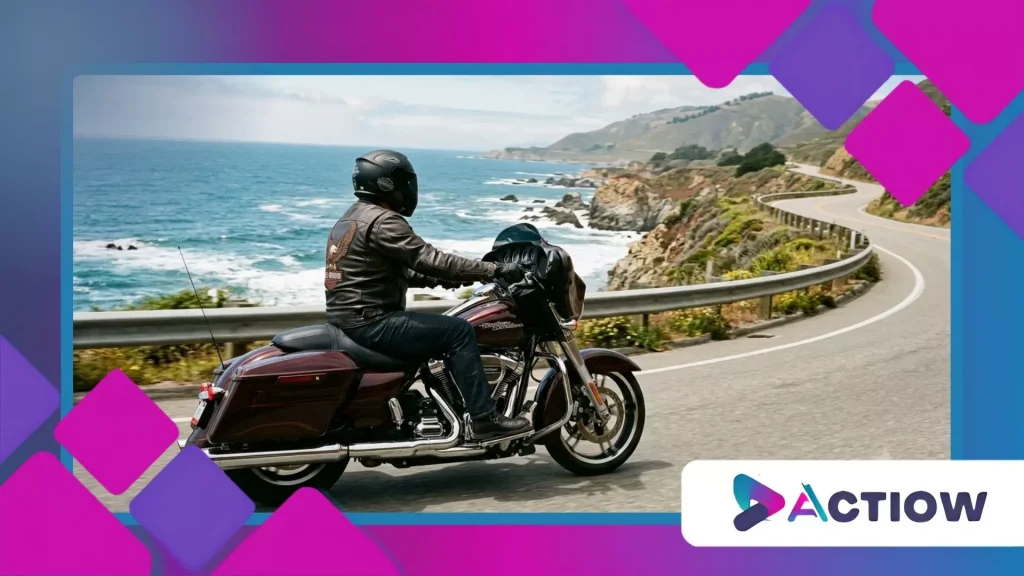
Comment une entreprise peut-elle survivre lorsque 99% de ses premiers concurrents font faillite ?
Durant la Grande Dépression, le paysage américain de la moto a été décimé, ne laissant subsister que deux acteurs majeurs : Indian et notre marque vedette de Milwaukee.
La stratégie de survie de l'entreprise reposait sur une diversification radicale, la fabrication de moteurs industriels et l'obtention de contrats militaires cruciaux qui ont permis de maintenir les chaînes de montage en marche malgré l'effondrement des dépenses de consommation.
En se réorientant vers le soutien aux forces alliées pendant la Seconde Guerre mondiale, ils ont produit plus de 80 000 modèles WLA, assurant ainsi une pertinence et un flux de trésorerie immédiats après la guerre.
Comment la Grande Dépression a-t-elle transformé l'entreprise ?
L'effondrement économique de 1929 a contraint à une rationalisation brutale de la gamme de produits et à une forte orientation vers l'utilité industrielle.
La direction s'est rendu compte que les jouets de luxe ne se vendraient pas, ce qui l'a amenée à commercialiser le Servi-Car à trois roues, qui est devenu un incontournable pour les services de police et les mécaniciens mobiles à travers le pays.
Ce virage axé sur l'utilité a permis aux usines de continuer à tourner à plein régime, prouvant ainsi que l'adaptabilité est bien plus importante que l'adhésion rigide à un seul segment de marché.
En répondant aux besoins municipaux, la marque a maintenu ses effectifs en emploi et son outillage en activité, tandis que ses concurrents étaient au bord de la faillite.
++ Pourquoi les voitures à deux temps ont-elles disparu malgré leur ingénierie simple ?
Quel rôle les contrats militaires ont-ils joué dans la survie ?
Durant la Seconde Guerre mondiale, la production civile s'est totalement arrêtée pour soutenir l'effort de guerre, transformant l'usine en un arsenal de la démocratie.
Le robuste modèle WLA est devenu légendaire sur les champs de bataille d'Europe, faisant découvrir à des milliers de jeunes soldats les sensations fortes et la fiabilité des croiseurs lourds américains.
À leur retour chez eux, ces soldats recherchèrent ce même sentiment de camaraderie et de liberté sur les routes nationales, alimentant ainsi l'essor du motocyclisme après la guerre.
Ce bouleversement démographique massif a créé du jour au lendemain le marché moderne des bateaux de croisière, né directement des nécessités de la guerre.
Lire aussi : Pourquoi la Toyota Supra est redevenue une légende en 2026
Comment l'ère AMF a-t-elle failli détruire la marque ?
En 1969, American Machine and Foundry (AMF) a racheté le fabricant en difficulté, rationalisant la production mais détériorant gravement la qualité de fabrication.
Cette période représente une période sombre où les fuites des réservoirs d'huile et les pannes électriques ont menacé de détruire définitivement la réputation de robustesse et de fiabilité de la marque.
Le soulagement est survenu en 1981 lorsqu'un groupe de treize dirigeants, dont Willie G. Davidson, a orchestré un rachat historique par endettement pour reprendre le contrôle de l'entreprise.
Ils ont rétabli le contrôle qualité, embrassé l'héritage de la marque et prouvé que ce sont les motards passionnés, et non les conglomérats, qui devraient diriger une entreprise de motos.
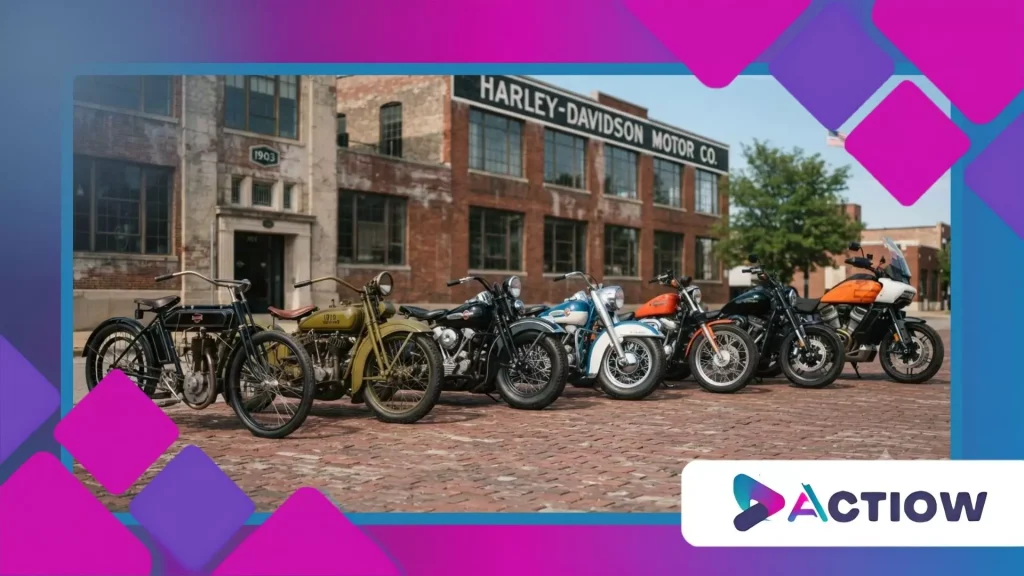
Comment une communauté de marque culte est-elle devenue un bouclier pour une entreprise ?
Le fondement absolu de Harley-Davidson Sa capacité à transformer les clients en véritables ambassadeurs de la marque est un atout majeur. L'achat d'une de ces motos n'est pas qu'une simple transaction commerciale ; c'est l'entrée dans une grande famille pour la vie.
Aucune autre marque automobile ne voit son logo tatoué sur la peau de ses clients aussi fréquemment, illustrant ainsi un lien émotionnel sans égal.
Cette loyauté tribale agit comme un bouclier économique, protégeant l'entreprise des fluctuations du marché et des ralentissements financiers temporaires.
En savoir plus: L'histoire cachée des femmes dans les débuts de la course moto
Quel est le pouvoir du Harley Owners Group ?
Fondé en 1983, le Harley Owners Group (HOG) a transformé les motards occasionnels en un réseau communautaire organisé et extrêmement fidèle.
Les sections HOG ont permis à l'entreprise de contourner la publicité traditionnelle, en impliquant les consommateurs par le biais de rassemblements, de randonnées caritatives et d'aventures partagées le week-end.
En vendant une identité plutôt que de la simple puissance moteur, la marque a établi un flux de revenus récurrents grâce aux pièces détachées, aux accessoires et aux vêtements.
Cet écosystème ingénieux garantit que la relation entre le motard et le concessionnaire ne commence qu'au moment de l'achat de la moto.
Comment la marque vend-elle un style de vie plutôt que de l'acier ?
Le rugissement d'un moteur bicylindre en V classique n'est pas qu'un simple bruit ; c'est une signature acoustique soigneusement préservée, symbole de liberté et de rébellion.
Les campagnes marketing mettent l'accent sur les grands espaces, l'autonomie et l'évasion de la routine monotone de la vie d'entreprise moderne.
Cet appel à l'émotion agit comme une recette éprouvée, transformant une machine lourde et coûteuse en un outil essentiel de transformation personnelle.
Les clients n'achètent pas ces motos pour aller vite ; ils les achètent pour ressentir quelque chose de profondément viscéral.
Pourquoi la culture d'entreprise est-elle si importante ?
Dès le départ, les propriétaires ont dépouillé et personnalisé leurs motos, créant ainsi les mouvements emblématiques bobber et chopper.
L'usine a embrassé cette tendance, concevant des motos comme des toiles vierges qui exigent pratiquement une personnalisation de la part de leurs nouveaux propriétaires.
La vente de milliers d'accessoires sur catalogue permet à chaque motard d'exprimer son identité unique tout en générant des marges bénéficiaires importantes pour les concessionnaires.
Cette culture de la personnalisation transforme chaque garage en un espace de collaboration entre le constructeur et le propriétaire.
Comment l'ingénierie moderne peut-elle coexister avec une tradition centenaire ?
Conserver une esthétique classique tout en respectant les normes modernes strictes en matière d'émissions et de performances est un exercice d'équilibriste délicat.
Pour survivre en 2026, la marque doit innover sans cesse sans s'aliéner sa clientèle traditionnelle, farouchement attachée à ses valeurs.
Cela signifie que les avancées technologiques cachées, comme les aides au pilotage sophistiquées et les culasses à refroidissement liquide, doivent être parfaitement intégrées aux lignes classiques du cadre.
Le défi consiste à donner à une machine moderne et très sophistiquée l'apparence et les sensations d'une simple moto de collection.
Comment le moteur Evolution a-t-il sauvé l'entreprise ?
Introduit en 1984, le moteur Evolution, ou “ Evo ”, constituait une avancée mécanique cruciale qui a résolu les problèmes de fiabilité de l'ère AMF.
Doté de culasses et de cylindres en aluminium, il fonctionnait à une température plus basse, ne fuyait plus d'huile et pouvait être utilisé intensivement pendant des centaines de milliers de kilomètres.
Le moteur Evo a restauré la confiance des consommateurs, prouvant au monde entier que les cruisers américains pouvaient rivaliser avec la fiabilité japonaise sans perdre leur âme.
Cette conception à moteur unique a revitalisé la marque et a posé les bases physiques de l'essor massif des ventes des années 1990.
Pourquoi la V-Rod a-t-elle constitué un choc culturel nécessaire ?
Développée en collaboration avec Porsche, la V-Rod de 2001 était équipée d'un moteur Revolution à refroidissement liquide et à arbre à cames en tête qui a profondément choqué les traditionalistes.
C'était un cruiser moderne et performant, à haut régime, conçu pour attirer une clientèle plus jeune et sportive, qui privilégiait la vitesse à la nostalgie du vintage.
Bien que controversée à ses débuts, la V-Rod a prouvé que l'équipe d'ingénieurs était capable de concevoir des moteurs de classe mondiale et de haute performance lorsqu'elle était libérée des contraintes historiques.
Elle a ouvert la voie aux futures plateformes à refroidissement liquide, démontrant une volonté de transgresser les règles pour attirer de nouveaux publics.
À quoi ressemblera l'avenir de l'électrification ?
Le lancement de la marque LiveWire a démontré que Milwaukee n'a pas peur de la révolution imminente des véhicules électriques.
Le fait de commercialiser les vélos électriques sous une sous-marque distincte permet à l'entreprise de séduire les citadins férus de technologie tout en conservant sa gamme principale axée sur les moteurs bicylindres en V traditionnels.
Cette stratégie à deux volets garantit la pérennité de la marque dans un avenir soucieux de l'environnement, sans pour autant diluer l'héritage qui a bâti sa réputation.
C’est reconnaître avec audace que, si le grondement des moteurs à essence reste essentiel, le couple silencieux des moteurs électriques est inévitable.
Cartographie des étapes clés de la survie
Les données historiques montrent comment des adaptations stratégiques en période de crise ont permis à la marque de perdurer au fil des décennies. Le tableau ci-dessous met en lumière les périodes critiques, les défis et les solutions qui ont jalonné ce parcours.
| Ère / Année | Principal défi rencontré | Mouvement stratégique de survie | Impact à long terme sur la marque |
| 1929–1933 | Grande Dépression et effondrement des marchés | Développement des moteurs Servi-Car et industriels | Maintien des usines ouvertes et préservation de la main-d'œuvre qualifiée |
| 1941–1945 | la production de la Seconde Guerre mondiale | Plus de 80 000 modèles militaires robustes WLA fabriqués | A créé une génération de cavaliers fidèles après la guerre |
| 1969–1981 | Propriété d'AMF et forte baisse de la qualité | Rachat historique mené par des dirigeants en 1981 | Qualité, fierté et direction assurée par les propriétaires restaurées |
| 1983–1984 | Importations japonaises importantes et risque de faillite | Lancement de HOG et du moteur Evolution fiable | Rétablissement de la confiance des clients et création d'une marque axée sur le style de vie |
| 2019–2026 | Vieillissement démographique et émissions vertes | Sortie de LiveWire EV et gammes de refroidissement liquide mises à jour | Pertinence assurée auprès des jeunes cyclistes férus de technologie |
La route s'ouvre devant nous
En fin de compte, la survie de Harley-Davidson Cela témoigne du pouvoir d'une identité de marque authentique par rapport à la simple utilité du produit.
En transformant le transport en un style de vie profondément personnel, la marque a survécu aux récessions, aux crises de qualité et aux bouleversements de la concurrence mondiale.
Ils n'ont pas seulement construit des motos ; ils ont créé une communauté qui a refusé de laisser la marque mourir.
Alors que l'industrie s'oriente vers l'électrification et le transport automatisé, l'attrait de la route, sauvage et ouverte, demeure un puissant désir humain.
La marque continuera-t-elle d'adapter sa formule emblématique à la prochaine génération de motards ? Partagez vos impressions, vos souvenirs de road trips ou vos modèles classiques préférés dans les commentaires ci-dessous !
Foire aux questions
Pourquoi le son du moteur de cette marque est-il si particulier ?
Le son emblématique “ pomme de terre-pomme de terre ” est une conséquence directe de la conception du moteur bicylindre en V à 45 degrés, où les deux pistons sont reliés à un seul axe sur le vilebrequin.
Cette configuration unique engendre des intervalles de tir irréguliers, créant un grondement rythmé et syncopé que les passionnés adorent.
Comment l'entreprise a-t-elle fait face à la concurrence japonaise dans les années 1980 ?
En 1983, la société a réussi à convaincre le gouvernement américain d'instaurer des droits de douane temporaires sur les motos japonaises dont la cylindrée était supérieure à 700 cm3.
Cette marge de manœuvre cruciale a permis à la marque de lancer le moteur Evolution, réputé fiable, et de restructurer ses processus de fabrication.
L'entreprise fabrique-t-elle toujours des motos aux États-Unis ?
Oui, l'entreprise possède d'importantes installations de fabrication et d'assemblage en Pennsylvanie et au Wisconsin.
Bien que certains composants proviennent du monde entier et qu'une partie de l'assemblage soit réalisée à l'international pour les marchés étrangers, les principaux gros cruisers destinés aux routes nord-américaines sont construits à York, en Pennsylvanie.