
La véritable raison de la disparition des muscle cars classiques dans les années 1970
Annonces
Voitures musclées Elle a connu un déclin soudain et spectaculaire dans les années 1970 en raison du durcissement des réglementations gouvernementales, de la flambée des prix du carburant et de l'envolée des primes d'assurance.
Les constructeurs de Detroit ont vu leurs modèles phares à moteur V8 de forte cylindrée se transformer du jour au lendemain de voitures de course abordables en symboles lourds et suffocants de surconsommation.
Les réglementations environnementales fédérales ont contraint les équipes d'ingénierie à brider la puissance des moteurs avec des systèmes de contrôle des émissions rudimentaires afin de se conformer aux lois sur la qualité de l'air.
Annonces
Comprendre cette évolution historique du secteur automobile permet de révéler comment les crises politiques et économiques ont durablement modifié la culture automobile mondiale.
L’enquête sur la disparition soudaine de ces véhicules emblématiques révèle un ensemble complexe de chocs géopolitiques et d’interventions législatives.
Les passionnés de performances traditionnelles se sont retrouvés confrontés à une réalité inédite où la puissance brute laissait place à la consommation de carburant et au respect des normes de sécurité.
Imaginez un géant industriel irrésistible se heurtant de plein fouet à un mur infranchissable de législation fédérale. Êtes-vous prêt à découvrir les véritables mécanismes économiques qui ont réduit au silence les gaz d'échappement américains ?
Naviguer dans l'histoire de l'automobile
- Analyse de l'impact dévastateur de l'embargo pétrolier de 1973 sur la disponibilité des carburants.
- Évaluation de la législation fédérale sur la qualité de l'air et des premières obligations de contrôle des émissions.
- Analyse des surtaxes d'assurance exorbitantes ciblant les jeunes acheteurs de voitures de sport.
- Documenter la transition rapide de Detroit des gros moteurs V8 aux moteurs étouffés.
Comment la crise pétrolière de 1973 a-t-elle paralysé l'ingénierie de la performance ?
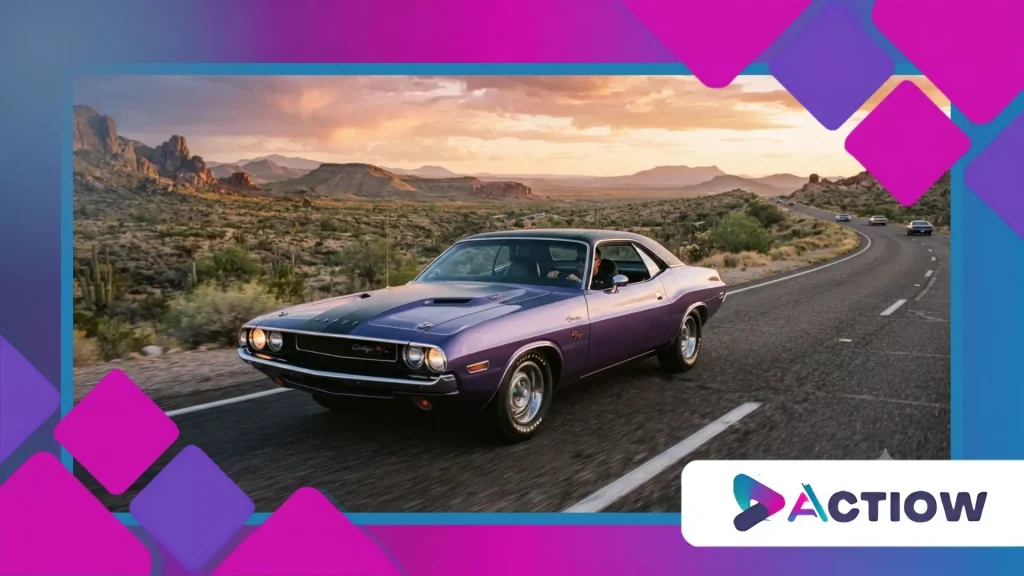
Voitures musclées Elle dépendait entièrement du pétrole bon marché et abondant pour alimenter d'énormes carburateurs et des moteurs V8 à haute compression sans aucun coût financier.
L'embargo pétrolier soudain de l'OPEP en 1973 a quadruplé les prix du pétrole brut presque du jour au lendemain, provoquant une vague de panique sur les marchés mondiaux des transports.
Les longues files d'attente aux stations-service ont contraint les automobilistes à abandonner leurs grosses cylindrées gourmandes au profit de voitures importées compactes et économes.
Imaginez une sécheresse soudaine privant une bête magnifique de l'eau dont elle a besoin pour survivre.
Archives automobiles historiques conservées par Société des ingénieurs automobiles Ce document atteste que les prix moyens des carburants ont dépassé des seuils historiques en quelques mois seulement.
Les acheteurs ont immédiatement cessé d'acheter des coupés sportifs gourmands en essence, laissant les concessionnaires avec des stocks invendus.
Les conseils d'administration des entreprises ont paniqué et ont immédiatement réduit les budgets de recherche alloués aux programmes de développement à haute performance.
Ce choc pétrolier a porté un coup fatal aux philosophies d'ingénierie traditionnelles de Détroit.
Pourquoi les moteurs à haute compression sont-ils devenus obsolètes ?
L'essence bon marché a permis aux ingénieurs de construire des moteurs à haute compression qui nécessitaient un carburant de qualité supérieure pour générer une accélération explosive.
Lorsque les prix du carburant ont flambé et que l'indice d'octane a chuté, ces systèmes sophistiqués ont commencé à subir de violents cliquetis. Les constructeurs ont dû réduire drastiquement les taux de compression, ce qui a entraîné une perte de puissance considérable du jour au lendemain.
++ Pourquoi les voitures à deux temps ont-elles disparu malgré leur ingénierie simple ?
Comment les préférences des consommateurs ont-elles changé du jour au lendemain ?
Les automobilistes ont cessé de se soucier des temps d'accélération sur le quart de mile et se sont concentrés entièrement sur la consommation de carburant (en miles par gallon) pour survivre à leurs trajets domicile-travail.
Les marques importées, proposant des moteurs quatre cylindres fiables et économes en carburant, ont conquis une part de marché considérable au détriment des géants nationaux. Les priorités des consommateurs se sont durablement tournées vers le côté pratique.
Lire aussi : Pourquoi la Toyota Supra est redevenue une légende en 2026
Quel rôle a joué le rationnement du carburant ?
De nombreux États ont mis en place des systèmes de rationnement des plaques d'immatriculation paires et impaires, limitant ainsi les jours où les automobilistes pouvaient acheter de l'essence aux pompes.
Conduire un coupé sportif gourmand en carburant était devenu un véritable casse-tête logistique au quotidien. L'opinion publique s'est massivement opposée aux cylindrées excessives.
Quelles réglementations fédérales ont freiné la course à la puissance à Detroit ?
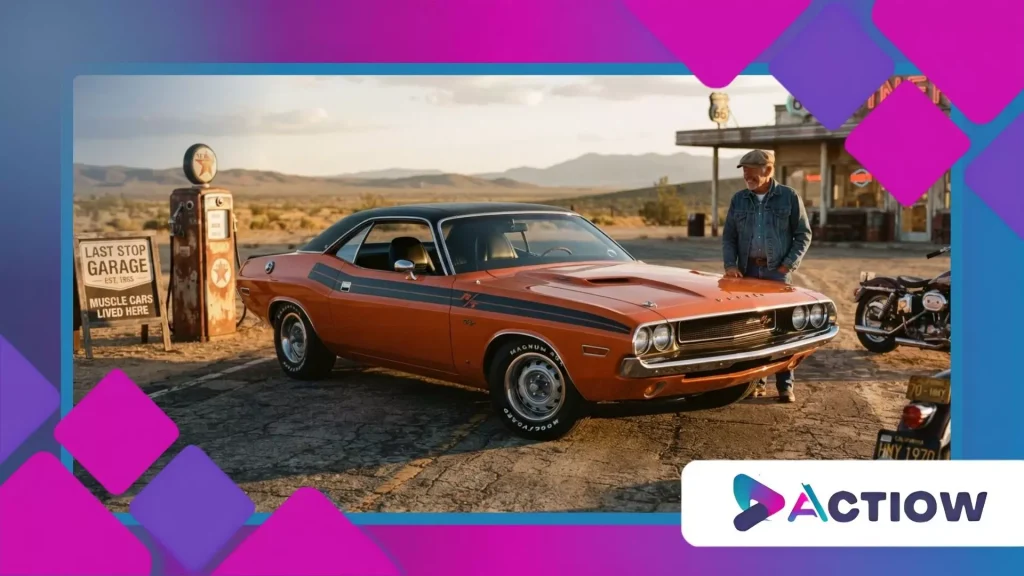
Voitures musclées Ils se sont heurtés à un mur législatif insurmontable lorsque l'Agence américaine de protection de l'environnement a introduit des normes strictes en matière d'émissions au début des années 1970.
Les premiers convertisseurs catalytiques et réacteurs thermiques obstruaient le flux d'échappement, réduisant la puissance de 30 à 50 % sur les modèles populaires.
Imaginez un athlète de haut niveau contraint de courir un marathon en respirant à travers une paille étroite.
Les législateurs fédéraux ont donné la priorité à la qualité de l'air et à la santé publique plutôt qu'aux sensations fortes des courses de vitesse sur 400 mètres.
Les historiens de l'automobile notent que le passage des puissances brutes aux puissances nettes SAE en 1972 a créé une illusion de déclin soudain.
Les moteurs perdaient en réalité une puissance considérable à cause des pompes à air rudimentaires, du retard d'allumage et des pistons à faible compression imposés par la loi.
Les services de conformité ont remplacé les ingénieurs de performance au sommet des hiérarchies des entreprises automobiles.
L'intervention gouvernementale a mis fin avec succès à l'âge d'or de la puissance américaine débridée.
En savoir plus: L'histoire cachée des femmes dans les débuts de la course moto
Comment les premiers systèmes de contrôle des émissions ont-ils étouffé les moteurs ?
Les dispositifs primitifs de contrôle de la pollution réinjectaient les gaz d'échappement dans les chambres de combustion afin de réduire efficacement les émissions d'oxyde nitreux.
Cet air recyclé a certes abaissé les températures de combustion, mais a privé les cylindres d'oxygène pur, ce qui a considérablement nui à la réactivité de l'accélérateur. Les performances de toutes les marques nationales ont chuté de façon catastrophique.
Pourquoi le passage à la puissance nette a-t-il été mal compris ?
Avant 1972, les constructeurs annonçaient des puissances brutes gonflées, mesurées sur des moteurs nus sans accessoires.
La nouvelle norme de puissance nette mesurait la puissance avec les alternateurs, les pompes à eau et les systèmes d'échappement d'origine installés. Ce changement administratif a eu pour conséquence de rendre les voitures beaucoup moins puissantes du jour au lendemain.
Comment les normes de sécurité ont-elles engendré un poids mort ?
Les normes fédérales en matière de pare-chocs exigeaient que les voitures résistent à des impacts à cinq miles par heure sans dommages structurels, ce qui ajoutait des centaines de livres d'acier.
Ce poids supplémentaire a ralenti les performances en accélération et ruiné la maniabilité agile des coupés classiques. Les modifications importantes apportées au châssis ont anéanti l'esprit vif des modèles originaux.
Comment les surtaxes d'assurance ont-elles rendu les prix inaccessibles aux jeunes acheteurs ?
Voitures musclées Ces situations sont devenues des passifs financiers lorsque les compagnies d'assurance ont introduit des surtaxes punitives visant les véhicules de forte puissance conduits par de jeunes automobilistes.
Les tables actuarielles ont prouvé que les jeunes conducteurs enclins aux courses de rue subissaient des taux d'accidents catastrophiques au volant de coupés à gros moteur.
Les primes d'assurance dépassaient souvent le montant des mensualités de la voiture, rendant son acquisition impossible pour le consommateur moyen. Imaginez devoir assurer une fusée avec un salaire de débutant !.
Les rapports sectoriels de l'époque confirment que les compagnies d'assurance excluaient activement de toute couverture certains modèles de performance.
Les parents ont refusé de se porter caution pour des prêts automobiles classés dans des catégories de risque exorbitantes. Faute d'un flux constant de jeunes acheteurs dans les concessions, les ventes se sont effondrées.
Les pressions des marchés financiers ont achevé la destruction amorcée par les organismes de réglementation gouvernementaux.
Pourquoi les groupes de mutualisation des risques d'assurance ont-ils ciblé les coupés ?
Des actuaires ont analysé d'immenses bases de données sur les accidents et ont découvert une corrélation statistique directe entre la cylindrée du moteur et les collisions mortelles.
Les assureurs ont réagi en rendant les modèles haute performance inaccessibles afin de préserver les bilans des entreprises. La gestion des risques a eu raison des ambitions de puissance.
Comment les concessionnaires automobiles se sont-ils adaptés à la crise ?
Les espaces de vente se sont rapidement orientés vers les berlines de luxe, les toits en vinyle et les coupés de luxe personnels confortables plutôt que vers les voitures de course.
Les services marketing des concessionnaires ont rebaptisé les véhicules restants en « voitures de croisière économiques » pour éviter les pénalités d'assurance. La survie exigeait une adaptation absolue à l'évolution démographique des consommateurs.
Qu'est-il arrivé aux ateliers de préparation de véhicules sur mesure ?
Les fabricants de pièces de performance ont été confrontés à des faillites soudaines, la culture des courses de rue se repliant dans la clandestinité en raison du coût du carburant.
Les ateliers de préparation automobile locaux ont fermé leurs portes par milliers, la demande en arbres à cames et carburateurs s'étant effondrée. Toute une sous-culture est tombée en désuétude pendant des décennies.
Matrice comparative de l'évolution automobile classique
Le tableau structuré ci-dessous compare l'âge d'or des performances débridées avec le paysage automobile fortement réglementé de la fin des années 1970.
| L'ère automobile | Puissance moyenne | Orientation principale en matière de conception | environnement réglementaire |
| Âge d'or (1965-1970) | Élevée (350 – 450+ ch) | Accélération et déplacement bruts | Surveillance minimale des émissions |
| Période de transition (1973–1979) | Faible à modérée (140 – 220 ch) | Conformité aux normes d'économie de carburant et d'émissions | Lois fédérales strictes sur la qualité de l'air |
| Ère moderne (2026) | Extrême (400 – 800+ ch) | Haute efficacité et sécurité informatique | Gestion électronique avancée |
Préserver l'héritage de l'âge d'or de Détroit
Voitures musclées Elles ont peut-être temporairement disparu des chaînes de production dans les années 1970, mais leur empreinte culturelle reste immortalisée dans le monde entier.
Les chocs économiques, les lois environnementales strictes et la flambée des primes d'assurance ont conspiré pour clore un chapitre légendaire de l'histoire automobile.
Aujourd'hui, les exemplaires survivants atteignent des prix astronomiques aux enchères, les collectionneurs préservant l'esprit indomptable de la plus grande décennie de Detroit.
Comprendre ces pressions historiques nous permet de mieux apprécier la façon dont l'ingénierie moderne a ressuscité des conceptions de haute performance.
Quel est votre véhicule classique préféré de cette époque légendaire de l'histoire automobile ? Partagez votre expérience dans les commentaires ci-dessous !
Foire aux questions
Pourquoi les muscle cars ont-elles disparu dans les années 1970 ?
Leur disparition est principalement due à l'embargo pétrolier de 1973, aux nouvelles réglementations fédérales strictes sur les émissions et à la flambée des primes d'assurance qui ont rendu les acheteurs inaccessibles au marché.
Les normes antipollution ont-elles complètement anéanti la puissance des moteurs ?
Les premiers systèmes de contrôle des émissions, rudimentaires, entravaient le flux d'air du moteur et réduisaient les taux de compression, entraînant une chute spectaculaire de la puissance des moteurs d'usine tout au long de la décennie.
Comment la crise pétrolière de 1973 a-t-elle affecté les acheteurs de voitures ?
La multiplication par quatre du prix du carburant a contraint les automobilistes à abandonner les moteurs V8 gourmands au profit de véhicules importés, efficaces et économiques, qui leur permettaient de réaliser des économies sur leurs trajets quotidiens.
Les muscle cars des années 1970 sont-elles considérées comme précieuses aujourd'hui ?
Oui, malgré une puissance d'usine inférieure à celle des modèles des années 1960, les voitures de performance des années 1970 bien conservées sont très recherchées par les collectionneurs pour leur importance historique unique.
Pourquoi les compagnies d'assurance pénalisaient-elles les voitures hautes performances ?
Les données actuarielles ont prouvé que les véhicules de forte cylindrée conduits par de jeunes automobilistes subissaient des taux d'accidents élevés, ce qui a incité les assureurs à exiger des primes d'assurance exorbitantes.