
Toit ouvrant panoramique ou toit standard : avantages à long terme
Annonces
Toits ouvrants panoramiques vs toits standards représente un choix crucial lorsque les acheteurs configurent des véhicules modernes pour une possession à long terme, en trouvant un équilibre entre l'ambiance aérée de l'habitacle, la complexité structurelle et les coûts de durabilité à long terme.
Les ingénieurs automobiles modernes sont confrontés à des défis constants, les consommateurs exigeant de grandes surfaces vitrées inondant l'habitacle de lumière naturelle tout en maintenant les niveaux de sécurité en cas de collision et l'efficacité thermique.
Le choix entre une vaste verrière et un toit traditionnel en acier massif a un impact significatif sur les coûts d'entretien à long terme, la température de la cabine et la valeur de revente.
Annonces
Les journalistes automobiles et les essayeurs de véhicules à long terme notent que les panneaux de verre introduisent des points d'usure mécanique spécifiques qui n'existent pas sur les toits en métal embouti.
Choisir l'architecture qui correspond à vos habitudes de conduite implique de mettre en balance les avantages esthétiques et les réalités de l'entretien à long terme.
L'évaluation de l'architecture d'un véhicule exige un examen approfondi du comportement de la dégradation des joints d'étanchéité, des moteurs mécaniques des chenilles et du rejet de la chaleur de l'habitacle sur un cycle de vie de cinq à dix ans.
Imaginez un toit panoramique en verre comme une verrière architecturale montée sur un véhicule en mouvement, soumise à une flexion constante du châssis, à des variations de température et à des conditions météorologiques extrêmes.
Êtes-vous prêt à gérer d'éventuelles fuites de joints et des remplacements de moteur à l'avenir pour profiter d'une vue imprenable sur le ciel ?
Examinons les données, les compromis techniques et les implications structurelles pour vous aider à réaliser un investissement automobile éclairé.
Aperçu de la navigation rapide
- Analyse de la fiabilité mécanique et des risques de dégradation des joints d'étanchéité sur des cycles de possession pluriannuels.
- Analyse de la dynamique thermique de la cabine, de la charge de climatisation et de l'efficacité du contrôle climatique intérieur.
- Comparaison de la répartition du poids, de la rigidité structurelle et des indicateurs de performance en matière de sécurité en cas de collision.
- Analyse de la valeur de revente à long terme des différentes configurations de toiture sur le marché secondaire.
Quelles sont les réalités mécaniques et d'entretien des vitrages panoramiques ?
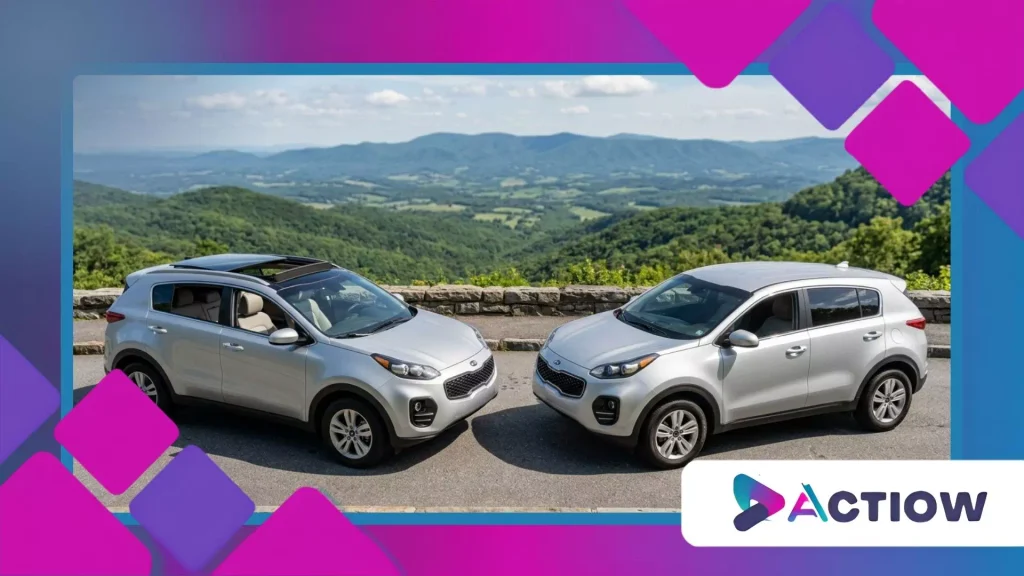
Toits ouvrants panoramiques vs toits standards Les comparaisons mettent toujours en évidence la complexité des mécanismes nécessaires pour rétracter, incliner et sceller d'immenses panneaux de verre soumis à des années de vibrations quotidiennes.
Les toitures standard en acier massif ne comportent aucune pièce mobile, des joints soudés de façon permanente et des joints d'étanchéité d'usine qui ne tombent que rarement en panne, sauf en cas de dommages physiques extrêmes.
À l'inverse, les systèmes panoramiques reposent sur des moteurs électroniques, des rails de guidage, des canaux de drainage et des joints en caoutchouc flexibles qui se dessèchent, se fissurent et s'encrassent de débris.
Les données de réparation du secteur automobile, fournies par les principaux fournisseurs de garanties, indiquent que les mécanismes de toit en verre génèrent un nombre de demandes d'intervention hors garantie nettement supérieur aux systèmes traditionnels.
Le débouchage annuel des tubes d'évacuation et la lubrification des rails de glissière permettent d'éviter que l'eau de pluie ne se déverse sur les garnitures de plafond et ne provoque des courts-circuits dans les coûteuses unités de commande électroniques situées au plafond.
Négliger l'entretien régulier d'un toit en verre entraîne souvent des infiltrations d'eau coûteuses qui endommagent les sièges et compromettent l'électronique du véhicule.
Les toits métalliques standard permettent d'éviter complètement ces problèmes, offrant un abri sans entretien pendant toute la durée de vie opérationnelle du véhicule.
La simplicité dans la conception automobile se traduit presque toujours par des coûts d'entretien à long terme plus faibles et moins de visites imprévues au garage.
Comment les canaux de drainage se détériorent-ils avec le temps ?
Au fil des années de stationnement en plein air, la poussière, le pollen et la sève des arbres s'accumulent à l'intérieur des canaux extérieurs du toit, finissant par obstruer les tuyaux d'évacuation en caoutchouc situés près des piliers A et C.
Lorsque l'eau ne peut pas s'évacuer vers le bas à travers le châssis, elle remonte dans l'habitacle, imbibant le ciel de toit et créant de mauvaises odeurs de moisissure.
++ Jeep Compass EV contre Peugeot E-3008 : quel SUV électrique a la plus grande autonomie ?
Quelles sont les causes de la panne mécanique d'un moteur ?
Les blocages causés par un manque de lubrification ou par des composants de châssis déformés obligent les moteurs électriques à travailler deux fois plus pour faire glisser les lourds panneaux de verre.
Cette contrainte électrique chronique finit par provoquer une panne du moteur, laissant les toitures vitrées bloquées exposées à des orages soudains.
En quoi la dynamique thermique et le confort en cabine diffèrent-ils ?
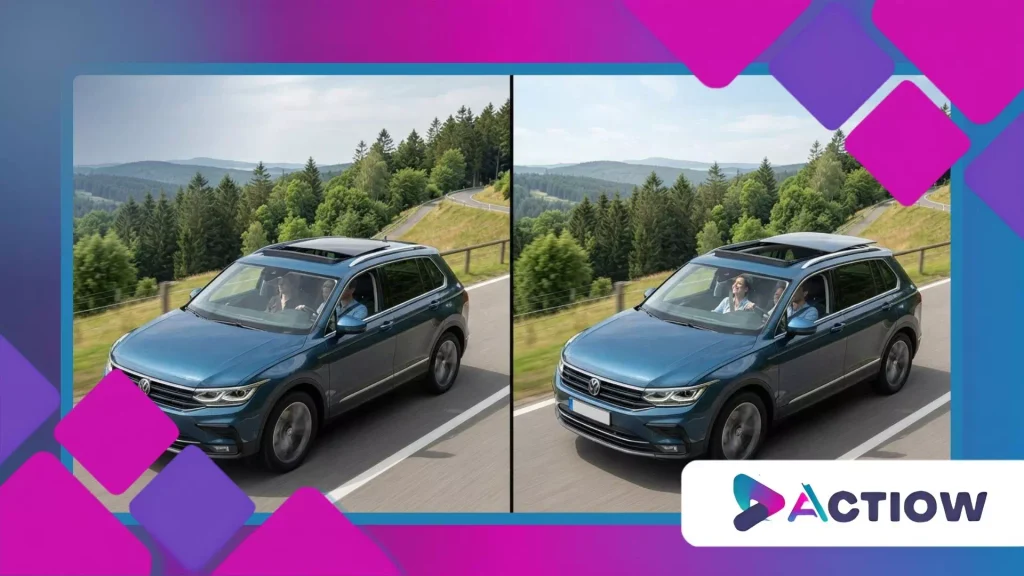
Toits ouvrants panoramiques vs toits standards Les évaluations doivent aborder la manière dont les grandes surfaces vitrées en hauteur modifient l'efficacité de la climatisation intérieure, les gains de chaleur solaire et les charges électriques du système de chauffage, ventilation et climatisation.
Les panneaux de verre transmettent intrinsèquement plus de rayonnement infrarouge et ultraviolet que les toitures en acier isolées, même lorsqu'ils sont traités en usine avec un film de contrôle solaire et des stores motorisés.
Selon des études d'ingénierie thermique automobile publiées par SAE International, les habitacles équipés de grands toits vitrés subissent des températures intérieures jusqu'à 15 degrés Fahrenheit plus élevées lorsqu'ils sont stationnés en plein soleil en été.
Cette charge thermique supplémentaire oblige les compresseurs de climatisation à fonctionner à pleine puissance plus longtemps, ce qui a un impact marginal sur la consommation de carburant des voitures à essence et réduit l'autonomie des batteries haute tension des véhicules électriques.
Les toitures en acier massif agissent comme des barrières thermiques rigides, maintenant des températures remarquablement stables dans l'habitacle et réduisant ainsi le recours à une climatisation agressive pendant les mois d'été caniculaires.
Bien que les pare-soleil en tissu contribuent à bloquer l'éblouissement direct du soleil, la chaleur rayonnante pénètre tout de même dans la cabine à travers les couches de verre feuilleté.
Les conducteurs vivant dans des régions chaudes et ensoleillées indiquent fréquemment qu'ils gardent leurs pare-soleil intérieurs fermés en permanence, ce qui annule le principal avantage esthétique d'un toit en verre.
Concilier l'ouverture visuelle et le confort thermique reste un défi majeur en matière de conception pour les constructeurs automobiles du monde entier.
Lire aussi : Toyota Prius contre Honda Insight : L’hybride la plus efficiente pour la conduite quotidienne
Pourquoi le gain de chaleur solaire est-il important pour les véhicules électriques ?
Les véhicules électriques dépendent entièrement de leurs batteries principales pour alimenter les systèmes de climatisation de l'habitacle, ce qui signifie que l'excès de chaleur solaire absorbée par les grands toits vitrés réduit directement l'autonomie globale par charge.
Minimiser les charges thermiques permet de préserver la précieuse capacité de la batterie lors des longs trajets routiers estivaux.
En savoir plus: Tesla Model Y contre Kia EV6 : quel SUV électrique sera le meilleur en 2026 ?
Les panneaux de verre feuilleté acoustiques réduisent-ils le bruit ?
Les installations panoramiques modernes utilisent du verre acoustique multicouche pour atténuer le bruit du vent et de l'autoroute, mais elles égalent rarement la masse insonorisante d'un toit en acier massif recouvert d'épais panneaux isolants.
Le niveau sonore sur autoroute reste sensiblement plus faible dans les versions traditionnelles à toit métallique.
Quels sont les compromis en matière de structure, de poids et de sécurité ?
Toits ouvrants panoramiques vs toits standards Les comparaisons structurelles révèlent des compromis fondamentaux dans la répartition du poids du véhicule, son centre de gravité et son intégrité en cas de retournement.
Découper une large ouverture dans la structure emboutie du toit d'un véhicule oblige les fabricants à souder de lourds sous-châssis de renfort en acier ou en aluminium autour du périmètre afin de maintenir la rigidité en torsion.
Ce renfort supplémentaire déplace le poids du véhicule vers le haut, en direction du toit, ce qui relève le centre de gravité et modifie légèrement la dynamique en virage lors de manœuvres de conduite agressives.
Les toits pleins traditionnels assurent naturellement une résistance uniforme du châssis sans nécessiter de lourds renforts secondaires.
Les tests de sécurité en cas de collision menés par des instituts d'assurance indépendants démontrent que les véhicules modernes dotés d'un toit en verre répondent toujours aux normes fédérales strictes en matière de retournement grâce à des piliers renforcés et des châssis en acier au bore à haute résistance.
Toutefois, la présence de verre introduit un risque marginal d'éjection des occupants ou de lacérations mineures lors de collisions multiples graves où l'intégrité du toit est compromise.
Les ingénieurs utilisent des analyses par éléments finis sophistiquées pour renforcer les châssis à toit vitré, mais les lois de la physique imposent qu'une tôle d'acier continue reste intrinsèquement plus robuste.
Les acheteurs soucieux de la sécurité privilégient souvent la continuité structurelle sans compromis d'une toiture métallique classique.
Comment le poids du toit affecte-t-il l'équilibre de la tenue de route ?
L'ajout de panneaux de verre épais et de cassettes de support en acier placées bien au-dessus du plancher du véhicule augmente le roulis dans les virages serrés et réduit l'agilité lors des changements de voie d'urgence.
Les toits en acier standard permettent de maintenir le poids du véhicule plus bas par rapport au sol, pour une stabilité supérieure.
Les débris d'un impact peuvent-ils fissurer les panneaux de verre panoramiques ?
Les débris projetés par les semi-remorques sur les autoroutes, tels que des cailloux ou des morceaux de glace, frappent les toits panoramiques en verre inclinés à grande vitesse, provoquant des fissures soudaines qui nécessitent un remplacement coûteux du verre.
Les toitures en acier ne subissent que de légers éclats de peinture sous des impacts identiques.
Matrice comparative de propriété à long terme
Le tableau structuré ci-dessous compare les toits ouvrants panoramiques et les toits pleins standard selon des indicateurs clés liés à la propriété, aux finances et à l'exploitation.
| Facteur de propriété | Toit panoramique en verre | Toiture standard en acier massif |
|---|---|---|
| Complexité de la maintenance | Nécessite le débouchage des canalisations, le conditionnement des joints et l'entretien du moteur. | Aucun entretien du toit requis pendant toute la durée de vie du véhicule |
| Charge thermique de la cabine | Un gain de chaleur solaire plus élevé nécessite une utilisation accrue du système de chauffage, de ventilation et de climatisation. | Isolation thermique supérieure et températures stables dans la cabine |
| Poids et centre de gravité | Structure supérieure plus lourde avec cadres de cassettes en acier renforcé | Embossage monocoque léger préservant un centre de gravité bas |
| Impact à long terme sur la revente | Populaires auprès des acheteurs urbains, mais redoutées pour les fuites hors garantie. | Fiabilité universelle, réduisant l'anxiété liée aux réparations sur le marché secondaire |
Explorer l'avenir de l'architecture des toits automobiles
Toits ouvrants panoramiques vs toits standards En fin de compte, les choix se résument aux priorités de style de vie individuelles, aux conditions climatiques géographiques et à la durée pendant laquelle vous prévoyez de conserver votre véhicule.
Les conducteurs qui changent de voiture tous les trois ans ne rencontrent aucun problème de dégradation à long terme, ce qui fait des toits en verre un atout majeur en concession qui améliore immédiatement la luminosité de l'habitacle.
À l'inverse, les propriétaires à long terme qui conservent leurs véhicules au-delà de l'expiration de la garantie bénéficient grandement de la simplicité mécanique, des risques de réparation moindres et de l'efficacité thermique des toits en acier standard.
Réfléchir à vos objectifs personnels en matière de propriété automobile vous permettra de faire en sorte que votre prochain achat de véhicule soit parfaitement en phase avec votre tranquillité d'esprit à long terme.
Quelle configuration de toit préférez-vous pour votre voiture de tous les jours ? Partagez votre expérience dans les commentaires ci-dessous !
Foire aux questions
Les toits ouvrants panoramiques fuient-ils plus souvent avec l'âge des véhicules ?
Oui, les joints d'étanchéité en caoutchouc se dégradent et les tuyaux d'évacuation se bouchent avec le temps, ce qui rend les toitures en verre anciennes beaucoup plus sujettes aux fuites d'eau que les toitures en métal massif.
Quel est le poids supplémentaire qu'ajoute un toit panoramique en verre à une voiture ?
Un toit panoramique ajoute généralement entre 60 et 120 livres de poids supplémentaire, la majeure partie étant située en hauteur, près de la ligne de toit du véhicule.
Les polices d'assurance couvrent-elles les toitures panoramiques en verre fissurées ?
Les polices d'assurance automobile tous risques couvrent généralement les dommages causés au vitrage, bien que les panneaux panoramiques entraînent souvent des franchises plus élevées que les remplacements de pare-brise standard.
Les toits ouvrants panoramiques sont-ils sûrs en cas de retournement de véhicule ?
Les véhicules modernes utilisent des piliers en acier renforcé à haute résistance qui réussissent les tests de retournement fédéraux rigoureux, même avec de grandes ouvertures vitrées installées au-dessus.
Pourquoi certains acheteurs préfèrent-ils les toits pleins classiques aux toits vitrés ?
Les toits standard éliminent les risques d'infiltration d'eau, réduisent l'accumulation de chaleur dans l'habitacle en été, sont plus légers et leur entretien est gratuit sur des centaines de milliers de kilomètres.