
सुपर-वन ईवी: क्या होंडा 2026 में कॉम्पैक्ट सिटी ईवी को फिर से मजेदार बना सकती है?
Anúncios
सुपर-वन ईवी यह कार उद्योग के लिए एक अजीब समय पर आया है।.
तकनीकी रूप से इलेक्ट्रिक वाहन पहले से कहीं बेहतर हैं—ये शांत, स्वच्छ, स्मार्ट हैं और इनमें ऐसा सॉफ्टवेयर लगा है जो लगभग हर चीज का अनुमान लगा लेता है।.
फिर भी, कई कॉम्पैक्ट इलेक्ट्रिक वाहन एक अजीब तरह का खोखलापन का एहसास छोड़ते हैं।.
Anúncios
कुशल? बिलकुल। यादगार? बिल्कुल नहीं।.
समय के साथ-साथ, शहरी कारों ने अपनी पहचान खो दी। वे चलती-फिरती इंटरफेस बन गईं। स्पर्श नियंत्रणों की जगह बड़ी स्क्रीन ने ले ली। वजन बढ़ गया।.
ड्राइविंग पहले से अधिक सुगम हो गई, लेकिन साथ ही साथ सपाट भी हो गई, मानो इंजीनियर हर खुरदुरे किनारे को तब तक घिसते रहे जब तक कि भावनात्मक रूप से कुछ भी विशिष्ट शेष न रह जाए।.
होंडा इस रुझान से वाकिफ प्रतीत होती है।.
इस विषय पर बढ़ती चर्चा के कारण सुपर-वन ईवी यह मौजूदा समय में प्रचलित अत्यधिक बड़ी बैटरियों और नीरस न्यूनतमवाद के फार्मूले से कुछ अलग सुझाव देता है।.
कॉम्पैक्ट इलेक्ट्रिक वाहनों को घरेलू उपकरणों की तरह मानने के बजाय, होंडा शायद एक पुराने विचार पर फिर से विचार कर रही है जिसे उद्योग ने चुपचाप त्याग दिया था: छोटी कारें अभी भी लोगों के चेहरे पर मुस्कान लानी चाहिए।.
पहली नज़र में यह बात पुरानी यादों से भरी लगती है। लेकिन ऐसा नहीं है। इसके पीछे एक व्यावहारिक तर्क छिपा है। शहर तंग, घने और उनमें घूमना-फिरना थका देने वाला होता जा रहा है।.
एक कॉम्पैक्ट इलेक्ट्रिक वाहन जो फुर्तीला और जीवंत महसूस होता है, वास्तव में आधुनिक शहरी जीवन के लिए एक अन्य बड़े आकार के "स्मार्ट" क्रॉसओवर की तुलना में बेहतर विकल्प हो सकता है जो भविष्यवादी होने का दिखावा करता है।.
हमारा लेख पढ़ना जारी रखें और अधिक जानें!
विषयसूची
- यह क्या है सुपर-वन ईवी किसका प्रतिनिधित्व करना चाहिए?
- इतनी सारी कॉम्पैक्ट इलेक्ट्रिक गाड़ियां भावनात्मक रूप से नीरस क्यों लगती हैं?
- होंडा इसे कैसे बना सकती है? सुपर-वन ईवी क्या वाकई मजेदार है?
- 2026 में कौन सी विशेषताएं इस कार को परिभाषित कर सकती हैं?
- वास्तविक दुनिया के उदाहरण जहां यह दर्शन तर्कसंगत प्रतीत होता है
- एसयूवी के प्रभुत्व वाले शहरों में क्या कॉम्पैक्ट इलेक्ट्रिक वाहनों का अभी भी महत्व है?
- तुलनात्मक तालिका: सामान्य कॉम्पैक्ट इलेक्ट्रिक वाहनों बनाम सुपर-वन इलेक्ट्रिक वाहन दर्शन
- अक्सर पूछे जाने वाले प्रश्न (FAQ)
यह क्या है सुपर-वन ईवी किसका प्रतिनिधित्व करना चाहिए?
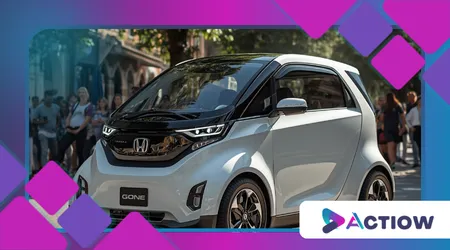
होंडा ने अभी तक आधिकारिक तौर पर इससे जुड़ी हर जानकारी का खुलासा नहीं किया है। सुपर-वन ईवी, लेकिन उद्योग जगत की शुरुआती चर्चाओं से संकेत मिलता है कि एक हल्का शहरी इलेक्ट्रिक वाहन बनाया जाएगा जो दिखावे पर कम और उपयोगिता पर अधिक ध्यान केंद्रित करेगा।.
यह अंतर विपणन विभागों द्वारा स्वीकार किए जाने की तुलना में कहीं अधिक महत्वपूर्ण है।.
इलेक्ट्रिक वाहनों का बाजार वर्तमान में चरम सीमाओं को पुरस्कृत करता है: अत्यधिक हॉर्सपावर, विशाल टचस्क्रीन, और बढ़ा-चढ़ाकर बताए गए त्वरण के आंकड़े।.
वहीं, कई शहरी चालक बस एक ऐसी कार चाहते हैं जो सहज और चलाने में आसान हो।.
होंडा ऐतिहासिक रूप से अधिकांश ऑटोमोबाइल निर्माताओं की तुलना में इस संतुलन को बेहतर ढंग से समझती थी।.
मूल सिविक और होंडा फिट जैसी कारें इसलिए सफल हुईं क्योंकि वे अत्यधिक उत्पादन के बजाय सोच-समझकर इंजीनियर की गई प्रतीत होती थीं।.
वे आकार में छोटे थे लेकिन सस्ते नहीं लगते थे, और कुशल थे लेकिन नीरस नहीं थे।.
इसके साथ ही, सतह के नीचे एक सांस्कृतिक बदलाव भी हो रहा है। युवा चालक कारों को आजीवन आकांक्षाओं के बजाय अस्थायी उपयोगिता के रूप में देखने लगे हैं।.
इस वास्तविकता ने कई निर्माताओं को कोल्ड फंक्शनैलिटी की ओर धकेल दिया है।.
The सुपर-वन ईवी यह दिलचस्प इसलिए लगता है क्योंकि यह उस प्रवृत्ति के आगे पूरी तरह से आत्मसमर्पण करने के बजाय धीरे से उसका विरोध करता है।.
इतनी सारी कॉम्पैक्ट इलेक्ट्रिक गाड़ियां भावनात्मक रूप से नीरस क्यों लगती हैं?
कुछ मिनटों तक गाड़ी चलाने के बाद, आश्चर्यजनक रूप से कई आधुनिक इलेक्ट्रिक वाहन एक जैसे लगने लगते हैं।.
इसका कुछ हिस्सा इंजीनियरिंग प्राथमिकताओं से आता है।.
वायुगतिकी के कारण समान आकार बनते हैं। बैटरी की पैकेजिंग से भी समान अनुपात बनते हैं।.
सॉफ्टवेयर इकोसिस्टम इंटीरियर डिजाइन को एक ही तरह के डिजिटल डैशबोर्ड के विभिन्न रूपों में बदल देते हैं।.
लेकिन इसके अलावा भी कुछ और गहरा घट रहा है।.
उद्योग जगत घर्षण को दूर करने के लिए जुनूनी हो गया।.
ड्राइविंग को परिभाषित करने वाली हर अनुभूति—इंजन का कंपन, गियर बदलना, यांत्रिक प्रतिक्रिया—को एक दोष की तरह माना जाता था जिसे दूर किया जाना था।.
इस विडंबना को नजरअंदाज करना मुश्किल है। इलेक्ट्रिक ड्राइवट्रेन वास्तव में प्रयोगों के अवसर पैदा करते हैं।.
त्वरित टॉर्क, लचीले लेआउट, गुरुत्वाकर्षण के निचले केंद्र—ये चीजें रचनात्मक इंजीनियरिंग को प्रोत्साहित कर सकती हैं।.
इसके बजाय, कई कॉम्पैक्ट इलेक्ट्रिक वाहन भावनात्मक रूप से मंद महसूस होते हैं, जैसे कि सावधानीपूर्वक अनुकूलित घरेलू इलेक्ट्रॉनिक उपकरण।.
The सुपर-वन ईवी यह इसलिए मायने रखता है क्योंकि होंडा शायद उस बात को समझती है जिसे उसके प्रतिस्पर्धी नजरअंदाज कर देते हैं: लोग जरूरी नहीं कि सिटी कार से पूर्णता की उम्मीद करते हों।.
उन्हें व्यक्तित्व चाहिए। छोटी-मोटी कमियां अक्सर लगाव पैदा करती हैं।.
होंडा इसे कैसे बना सकती है? सुपर-वन ईवी क्या वाकई मजेदार है?
इसका उत्तर शायद अत्यधिक त्वरण से संबंधित नहीं है।.
शहरी इलाकों में गाड़ी चलाते समय शायद ही कभी बल प्रयोग का कोई इनाम मिलता है। इसके बजाय, चालक जो याद रखते हैं वह है प्रतिक्रियाशीलता।.
एक ऐसी कार जो ट्रैफिक में स्वाभाविक रूप से प्रतिक्रिया करती है, आसानी से संकरे पार्किंग स्थलों में घुस जाती है और चलने में हल्की महसूस होती है, एक बिल्कुल अलग भावनात्मक अनुभव पैदा करती है।.
वजन से ही संभवतः यह तय होगा कि सुपर-वन ईवी दार्शनिक दृष्टि से सफल होता है।.
कई आधुनिक इलेक्ट्रिक वाहन इतने भारी हो गए हैं कि वे उन चपलता को ही धूमिल कर देते हैं जिनके लिए कभी कॉम्पैक्ट कारें प्रसिद्ध थीं।.
बड़ी बैटरियों से रेंज तो बढ़ जाती है, लेकिन अक्सर इनसे शहरी कारों में भारीपन महसूस होने लगता है।.
यहां एक छिपी हुई समानता है। कई आधुनिक इलेक्ट्रिक वाहन लग्जरी होटल की लिफ्टों की तरह व्यवहार करते हैं - सुचारू, शांत, तकनीकी रूप से प्रभावशाली, लेकिन भावनात्मक रूप से उदासीन।.
एक सचमुच आकर्षक कॉम्पैक्ट ईवी को शहर की सड़कों पर संतुलित साइकिल की तरह महसूस होना चाहिए: तेज, सहज, लगभग चंचल।.
होंडा की सबसे बेहतरीन छोटी कारें कभी भी रोमांचक नहीं थीं क्योंकि वे ड्राइवरों को अभिभूत कर देती थीं।.
उन्होंने काम इसलिए किया क्योंकि वे उत्सुक थे। यह अंतर सूक्ष्म है, फिर भी यह सब कुछ बदल देता है।.
2026 में कौन सी विशेषताएं इस कार को परिभाषित कर सकती हैं?
इसका सबसे आकर्षक हिस्सा यह है कि सुपर-वन ईवी यह शायद भविष्यवादी तकनीक बिल्कुल भी न हो। यह संयम भी हो सकता है।.
वाहन चालकों को गाड़ियों के अंदर स्क्रीन के इस्तेमाल से थकान महसूस होने लगी है।.
बहुस्तरीय मेनू और स्पर्श-संवेदनशील नियंत्रण अक्सर परिष्कृत लगने के बजाय ध्यान भटकाने वाले प्रतीत होते हैं।.
सरलता की ओर आकर्षण बढ़ता जा रहा है—भौतिक बटन, स्पष्ट लेआउट, ऐसे नियंत्रण जिनका उपयोग सॉफ्टवेयर मेनू में खोजे बिना किया जा सकता है।.
बैटरी संबंधी रणनीति भी कार की पहचान को आकार देगी।.
अंतर्राष्ट्रीय ऊर्जा एजेंसी के अनुसार, वैश्विक इलेक्ट्रिक वाहन (ईवी) की बिक्री 2024 और 2025 में भी बढ़ती रहेगी, लेकिन शहरी खरीदारों के लिए सामर्थ्य अभी भी सबसे बड़ी बाधाओं में से एक है।.
यह आंकड़ा कुछ ऐसा उजागर करता है जिसे निर्माता कभी-कभी स्वीकार करने से बचते हैं: रेंज को लेकर जुनून कॉम्पैक्ट इलेक्ट्रिक वाहनों को अनावश्यक रूप से महंगा बना सकता है।.
अवास्तविक रेंज संख्याओं का पीछा करने के बजाय, सुपर-वन ईवी वास्तविक शहरी व्यवहार पर ध्यान केंद्रित किया जा सकता है। दैनिक आवागमन, छोटी यात्राएं, आसान चार्जिंग चक्र।.
शहर में गाड़ी चलाने वाले हर व्यक्ति को दो टन वजनी बैटरी के साथ 500 मील की रेंज की जरूरत नहीं होती।.
कॉम्पैक्ट कारों का एक मनोवैज्ञानिक पहलू भी है जिसे अक्सर नजरअंदाज कर दिया जाता है।.
छोटे वाहन अक्सर चालकों को अपने परिवेश से अलग-थलग महसूस करने के बजाय उससे जुड़ाव का एहसास कराते हैं।.
बड़े क्रॉसओवर सड़क से, शहर से और यहां तक कि अन्य ड्राइवरों से भी दूरी बनाते हैं।.
वास्तविक दुनिया के उदाहरण जहां यह दर्शन तर्कसंगत प्रतीत होता है
उदाहरण 1: शहरी भीड़भाड़, बिना अधिक भार के
व्यस्त समय के दौरान मध्य टोक्यो की कल्पना कीजिए।.
घनी आबादी वाले शहरी इलाकों में बड़ी-बड़ी एसयूवी गाड़ियां लगातार दिखाई दे रही हैं, जबकि वे ऐसे वातावरण के लिए बिल्कुल भी उपयुक्त नहीं हैं। पार्किंग तनावपूर्ण हो जाती है।.
संकरी सड़कें और भी तंग महसूस होती हैं। गाड़ी चलाना एक गतिविधि के बजाय एक बोझ बन जाता है।.
एक कॉम्पैक्ट ईवी जैसे कि सुपर-वन ईवी यह उस गतिशीलता को पूरी तरह से बदल देता है।.
चपलता अपने आप में एक प्रकार का आराम बन जाती है। चालक वाहन से जूझने में कम समय व्यतीत करता है और शहर में स्वाभाविक रूप से आगे बढ़ने में अधिक समय लगाता है।.
यह मामूली लग सकता है, लेकिन रोजमर्रा की छोटी-मोटी परेशानियां लॉन्च के समय की आकर्षक विशिष्टताओं की तुलना में दीर्घकालिक स्वामित्व को कहीं अधिक प्रभावित करती हैं।.
उदाहरण 2: युवा ड्राइवर जो बिना किसी अतिरिक्त दिखावे के व्यक्तित्व चाहते हैं
इलेक्ट्रिक वाहन बाजार में प्रवेश करने वाले युवा खरीदारों को अक्सर निराशाजनक विकल्पों का सामना करना पड़ता है।.
किफायती इलेक्ट्रिक वाहन बेजान महसूस हो सकते हैं, जबकि भावनात्मक रूप से आकर्षक इलेक्ट्रिक कारें आर्थिक रूप से पहुंच से बाहर रहती हैं।.
The सुपर-वन ईवी यह एक असामान्य मध्य मार्ग अपना सकता है—व्यावहारिक स्वामित्व के लिए पर्याप्त रूप से सुलभ होने के साथ-साथ व्यक्तित्व की भावना भी प्रदान करता है।.
वह संतुलन कई पसंदीदा होंडा कारों की पहचान हुआ करता था।.
अब चुनौती यह है कि क्या आधुनिक सुरक्षा नियम, सॉफ्टवेयर संबंधी अपेक्षाएं और बैटरी की लागत संबंधी आर्थिक स्थिति अभी भी हल्के-फुल्के मनोरंजन के लिए गुंजाइश छोड़ती हैं या नहीं।.
इसे करने का प्रयास करना भी एक प्रकार का मौन विद्रोह है।.
एसयूवी के प्रभुत्व वाले शहरों में क्या कॉम्पैक्ट इलेक्ट्रिक वाहनों का अभी भी महत्व है?
यह प्रश्न पूरी प्रक्रिया के मूल में निहित है। सुपर-वन ईवी बातचीत।.
शहरी अवसंरचना छोटे वाहनों के पक्ष में तेजी से विकसित हो रही है, चाहे उपभोक्ता इसे स्वीकार करें या न करें। पार्किंग स्थल सिकुड़ रहे हैं। भीड़भाड़ के कारण लगने वाले शुल्क बढ़ रहे हैं।.
ईंधन और ऊर्जा की लागत में अप्रत्याशित रूप से उतार-चढ़ाव होता रहता है। फिर भी, वाहन निर्माता कंपनियां बड़े वाहनों को बढ़ावा देना जारी रखती हैं क्योंकि इनसे उन्हें अधिक लाभ मिलता है।.
इस विरोधाभास में सांस्कृतिक रूप से कुछ महत्वपूर्ण बातें छिपी हैं। कई खरीदार वास्तविक दैनिक दिनचर्या के बजाय काल्पनिक जीवनशैली के लिए वाहन खरीदते हैं।.
इसका परिणाम यह है कि शहर भीड़भाड़ वाली सड़कों पर एक ही व्यक्ति को ले जाने वाली विशालकाय कारों से भरे पड़े हैं।.
होंडा को शायद ग्राहकों के मूड में बदलाव महसूस हो रहा है। ड्राइवर थक रहे हैं—न सिर्फ आर्थिक रूप से, बल्कि मानसिक रूप से भी।.
बड़े-बड़े डैशबोर्ड, बड़ी-बड़ी बैटरियों, और भारी-भरकम मासिक किश्तों से तंग आ चुके हैं। उन वाहनों से तंग आ चुके हैं जो भविष्यवादी दिखने की हद से ज्यादा कोशिश करते हैं।.
The सुपर-वन ईवी यह इसलिए सफल हो सकता है क्योंकि यह अपनी सीमाओं को छिपाने के बजाय उन्हें स्वीकार करता है।.
अक्सर अच्छी शहरी कारों का यही तरीका होता है। वे जानती हैं कि वे क्या हैं और क्या नहीं हैं।.
तुलनात्मक तालिका: सामान्य कॉम्पैक्ट इलेक्ट्रिक वाहनों बनाम सुपर-वन इलेक्ट्रिक वाहन दर्शन
| विशेषता | विशिष्ट कॉम्पैक्ट ईवी | सुपर-वन ईवी दिशा |
|---|---|---|
| डिजाइन दर्शन | प्रौद्योगिकी-केंद्रित | चालक केंद्रित |
| वाहन का वजन | तेजी से भारी | संभवतः हल्का |
| आंतरिक लेआउट | स्क्रीन-प्रधान | सरलीकृत उपयोगिता |
| शहरी चपलता | मध्यम | केंद्रीय प्राथमिकता |
| ड्राइविंग का अनुभव | परिष्कृत लेकिन दूरस्थ | प्रतिक्रियाशील और चंचल |
| रेंज रणनीति | अधिकतम संभव सीमा | यथार्थवादी शहरी क्षेत्र |
| भावनात्मक पहचान | अक्सर सामान्य | विशिष्ट व्यक्तित्व |
अक्सर पूछे जाने वाले प्रश्न (FAQ)
| सवाल | उत्तर |
|---|---|
| क्या है सुपर-वन ईवी? | यह होंडा का एक संभावित कॉम्पैक्ट इलेक्ट्रिक वाहन कॉन्सेप्ट है, जिसके शहरी गतिशीलता और हल्के वजन के साथ उपयोगिता पर केंद्रित होने की अफवाह है।. |
| क्या सुपर-वन ईवी गति को प्राथमिकता दें? | शायद नहीं। चपलता और ड्राइविंग का अनुभव इसकी चर्चित विचारधारा से अधिक मेल खाता प्रतीत होता है।. |
| कॉम्पैक्ट इलेक्ट्रिक वाहन दोबारा प्रासंगिक क्यों हो रहे हैं? | शहरी भीड़भाड़, पार्किंग की कमी और स्वामित्व लागत में वृद्धि के कारण छोटे वाहन अधिक से अधिक व्यावहारिक होते जा रहे हैं।. |
| क्या हो सकता है सुपर-वन ईवी क्या ये किफायती बने रहेंगे? | इसकी किफायती कीमत ही इसकी लोकप्रियता का मुख्य कारण प्रतीत होती है, हालांकि आधिकारिक मूल्य की घोषणा अभी तक नहीं की गई है।. |
| आजकल कई इलेक्ट्रिक वाहन एक जैसे क्यों लगते हैं? | समान वायुगतिकीय आवश्यकताएं, बैटरी लेआउट और सॉफ्टवेयर से भरपूर आंतरिक संरचनाएं डिजाइन में एकरूपता लाने में योगदान करती हैं।. |
| क्या होंडा को आकर्षक छोटी कारें बनाने का अनुभव है? | जी हां। सिविक और फिट जैसे मॉडलों ने अपनी चतुर इंजीनियरिंग और सहज ड्राइविंग गतिशीलता के माध्यम से मजबूत प्रतिष्ठा हासिल की।. |
इस विषय पर हुई चर्चा के दौरान सुपर-वन ईवी यह असल में तकनीक के बारे में नहीं है।.
अब हर निर्माता के पास बैटरी, सॉफ्टवेयर प्लेटफॉर्म और कनेक्टेड इकोसिस्टम तक पहुंच है।.
वह हिस्सा आश्चर्यजनक रूप से तेजी से मानकीकृत हो रहा है।.
इससे भी ज्यादा दिलचस्प बात यह है कि क्या होंडा को अभी भी भावनात्मक स्पर्श वाली छोटी कार बनाना याद है या नहीं।.
वर्षों तक, ऑटोमोटिव उद्योग ने इलेक्ट्रिक मोबिलिटी को एक स्प्रेडशीट समस्या की तरह देखा: दक्षता को अधिकतम करना, प्रतिरोध को कम करना, हर संभव चीज को स्वचालित करना।.
उस सोच ने सक्षम वाहन तैयार किए। कभी-कभी तो बेहतरीन वाहन भी। लेकिन केवल क्षमता से ही लोगों का स्नेह उत्पन्न नहीं होता।.
सबसे लोकप्रिय कॉम्पैक्ट कारें कभी भी परिपूर्ण मशीनें नहीं थीं।.
वे मिलनसार, थोड़े शरारती और उत्सुक थे, जिससे सामान्य ड्राइविंग कम यादगार बन जाती थी।.
यदि सुपर-वन ईवी अगर यह उस भावना का कुछ हिस्सा भी हासिल करने में कामयाब हो जाता है, तो यह अपने आसपास की कई भविष्यवादी इलेक्ट्रिक वाहनों की तुलना में अधिक आधुनिक महसूस हो सकता है।.
++ एक और ऑटोमोबाइल कंपनी एक और सस्ती कार बना रही है जिसे अमेरिकी खरीद नहीं पाएंगे।