
How Solid-State Batteries Could Change Electric Cars in 2026
Anúncios
Solid-state batteries represent the ultimate technological frontier for electric vehicles as global manufacturers rapidly overhaul their traditional liquid-electrolyte systems this year.
This shifting engineering paradigm demands immediate attention from automotive buyers who want to invest in truly future-proof, long-range transportation options.
The rapid emergence of pilot manufacturing lines and proprietary ceramic compounds has completely altered the trajectory of the modern electric vehicle industry.
Anúncios
Drivers who rely on older lithium-ion models face accelerated vehicle depreciation as solid-state commercialization reaches critical milestones.
Inside This Exploration
- The Core Chemistry of Next-Gen Power
- Real-World Range and Charging Advancements
- Manufacturing Hurdles and Market Timelines
- Frequently Asked Questions for Buyers
What Is the Science Driving This Automotive Battery Shift?
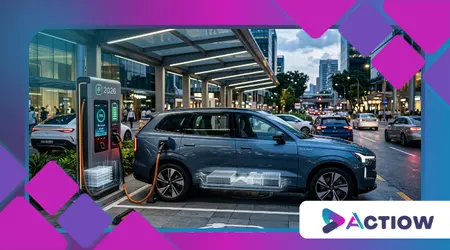
The modern electric vehicle landscape faces inherent physical limitations because conventional lithium-ion packs rely on volatile liquid electrolytes to transfer energy.
This structural design requires heavy cooling systems and robust protective shielding to prevent hazardous thermal runaway events during severe highway collisions.
Why should premium car buyers care about the internal state of their vehicle’s battery cells right now? The answer lies in structural safety and energy density, which dictate both the total weight and long-term resale value of electric cars.
A recent 2026 technical filing by Contemporary Amperex Technology Co. Limited (CATL) revealed that their latest solid-state prototypes have successfully achieved an unprecedented energy density of 500 Wh/kg.
This empirical data proves that the technology has officially moved past theoretical laboratory models into practical, automotive-grade development cycles.
Global supply chains and mineral resource allocations mean that traditional graphite anodes are rapidly losing their technological dominance to advanced lithium-metal alternatives.
Automakers solid-state batteries integration plans should prioritize these dense metal configurations to maximize vehicle efficiency and reduce total pack weights.
How Does the Solid Electrolyte Eliminate Thermal Runaway?
Replacing flammable liquid solvents with non-combustible ceramic or polymer materials fundamentally eliminates the core cause of catastrophic electric car fires.
Even when subjected to extreme physical punctures or severe electrical overloads, these solid matrices remain structurally stable.
Automotive safety engineers can consequently remove massive, complex cooling networks and heavy steel structural enclosures from the vehicle’s chassis entirely.
This weight reduction directly translates into improved handling dynamics and significantly lower manufacturing costs per individual vehicle unit.
++ How Digital Twins Are Used in Vehicle Development
Why Do Lithium-Metal Anodes Superiorly Store Electrical Energy?
Traditional electric car packs use graphite anodes that mechanically restrict the volume of lithium ions stored within the battery cell.
Solid-state architecture allows for the implementation of pure lithium-metal anodes, which possess an incredibly high theoretical energy storage capacity.
Engineering teams can pack twice the electrical energy into the exact same physical footprint as a standard lithium-ion pack.
This massive leap in spatial efficiency allows designers to create sleeker, more aerodynamic vehicles without compromising passenger legroom.
Also read: Why Radar Still Matters in a Camera-Dominated World
How Do Solid Polymers Stabilize Volatile Chemical Compounds?
Solid polymer materials act as a microscopic physical barrier that prevents dangerous lithium dendrites from piercing the internal battery separator.
Dendrites are tiny, metallic needles that grow during rapid charging cycles and cause internal short circuits in older batteries.
Taming these crystalline growths ensures that high-voltage packs can operate continuously under extreme stress without degradation.
This chemical stabilization forms the foundation of the long-lasting, ultra-reliable powertrain systems entering the luxury vehicle market.
How Will Next-Gen Energy Density Transform Real-World Range?
Achieving true long-range freedom requires separating vehicle utility from the current density of regional highway charging infrastructures.
Motorists solid-state batteries utilization will unlock driving ranges exceeding 1,200 kilometers on a single charge, completely erasing public range anxiety.
Implementing these dense cell structures ensures that vehicles can maintain consistent operating efficiencies even during harsh sub-zero winter conditions.
This systemic resilience removes the unpredictable driving range drops that currently plague drivers living in northern geographic climates.
By maintaining stable performance across extreme thermal spectrums, next-generation vehicles can operate reliably without requiring extensive pre-conditioning cycles.
This engineering milestone positions solid-state propulsion as a direct, uncompromising replacement for heavy-duty diesel and gasoline engines.
read more: How Vehicle Software Subscriptions Are Changing Ownership
What Is the Real-World Impact on High-Speed Charging Times?
Solid-state cells can accept massive electrical currents simultaneously because they do not suffer from the thermal limitations of liquid chemistries.
Drivers can replenish their battery from 10% to 80% capacity in less than ten minutes at ultra-fast charging stations.
This rapid energy transfer matches the convenience of traditional fossil fuel refueling stops, transforming long-distance family road trips.
Eliminating lengthy charging delays will dramatically accelerate the mainstream public adoption of zero-emission transportation options worldwide.
How Do Cold Climates Affect Next-Generation Cells?
Conventional liquid batteries experience severe internal resistance when ambient temperatures drop below freezing, reducing driving range by up to 30%.
Solid ceramic and stable polymer electrolytes maintain high ion conductivity even at minus thirty degrees Celsius.
This thermal endurance ensures that cabin heating systems can operate fully without prematurely draining the vehicle’s main propulsion reserves.
Drivers in colder regions no longer need to compromise between personal comfort and reaching their destination safely.
Why Do Longer Lifecycles Reduce Total Vehicle Ownership Costs?
The absence of liquid degradation mechanisms means that solid-state packs can endure over 1,500 full charge cycles before losing noticeable capacity.
A vehicle can easily accumulate over 500,000 miles of driving life while retaining its original performance characteristics.
Extended component longevity eliminates the need for expensive mid-life battery replacements, significantly lowering the long-term total cost of ownership.
Used electric cars will retain high market values, creating a healthier, more sustainable secondary automotive marketplace.
Which Manufacturing Challenges Delay Mass-Market Vehicle Adoption?
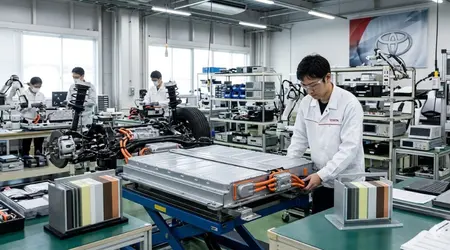
Scaling up specialized solid-state production requires moving away from traditional wet-battery assembly methods toward highly precise cleanroom manufacturing environments.
Industrial partners solid-state batteries scaling efforts must overcome high assembly rejection rates caused by microscopic material imperfections.
Failing to achieve uniform pressure across the solid electrolyte interfaces results in localized cell failures during rapid discharge cycles.
Modern assembly plants require multi-billion dollar investments to install specialized automated presses that maintain consistent mechanical tension.
Understanding the complex material science behind ceramic brittleness prevents manufacturing defects during high-volume production runs.
Working with advanced material startups ensures that global automakers can secure the proprietary chemical components needed for scaling.
The proactive development of robust manufacturing processes allows forward-thinking brands to capture early market share in the premium segment.
Overcoming these initial industrial bottlenecks remains the single most critical task for the global automotive sector today.
Why Is Continuous Mechanical Pressure Vital for Solid Cells?
Solid-state components expand and contract slightly during normal charging and discharging cycles, creating immense internal physical stress.
Maintaining uniform mechanical pressure across every layer prevents microscopic delamination, which blocks the vital flow of lithium ions.
Automakers must integrate specialized internal spring mechanisms within the overall battery module casing to absorb these microscopic volumetric changes.
This mechanical engineering solution ensures continuous electrical contact over years of rigorous real-world driving.
How Do Cleanroom Environmental Requirements Increase Production Costs?
Slight traces of moisture in the manufacturing atmosphere can ruin sensitive solid-state electrolyte materials during the assembly phase.
Production facilities must operate ultra-dry cleanrooms with humidity levels kept strictly below one percent at all times.
Operating these advanced environmental control systems dramatically increases the baseline energy consumption and setup costs of new gigafactories.
These high capital expenditures mean that initial next-gen vehicles will carry premium price tags.
What Is the Current Timeline for True Mass-Market Affordability?
While semi-solid packs are currently appearing in premium vehicles, fully solid-state options will remain limited to luxury models until around 2030.
The transition to affordable, high-volume economy cars requires further optimization of global raw material supply chains.
Early adopters will pay a premium for the elite range and safety benefits offered by these initial production runs.
As manufacturing yields improve throughout the decade, prices will fall to parity with current lithium-ion options.
Comparative Technology Evaluation
The data table below highlights the distinct performance variations between traditional liquid energy storage systems and incoming solid-state architectures.
Serious automotive consumers solid-state batteries capabilities should analyze these metrics to understand the shifting technical baseline.
| Performance Metric | Standard Liquid Lithium-Ion (2026) | Advanced Solid-State Battery (2026) |
| Volumetric Energy Density | 250–300 Wh/kg baseline average | 450–500 Wh/kg in pilot production |
| 10% to 80% Charging Time | 25 to 40 minutes under ideal conditions | 8 to 12 minutes via ultra-fast chargers |
| Thermal Fire Risk Threshold | Moderate risk; requires active cooling | Negligible risk; inherently non-flammable |
| Sub-Zero Capacity Retention | 65% to 75% at -20°C temperatures | 90% to 95% stable performance |
Summary of the Automotive Electric Revolution
Navigating the rapid evolution of modern transportation requires a clear understanding of the electrochemical forces reshaping the market.
Smart drivers solid-state batteries developments should monitor these manufacturing milestones to time their next major vehicle purchase perfectly.
Transitioning to solid energy platforms guarantees unmatched safety, faster charging, and liberating driving ranges for future car owners.
Embracing this technological shift transforms your daily commute from a logistical challenge into an absolute driving pleasure.
Share your experience with electric car range in the comments below to join this global technological conversation.
Frequently Asked Questions
What makes solid-state batteries safer than current electric car batteries?
They replace the highly flammable liquid electrolyte with a solid ceramic or polymer matrix, completely eliminating the risk of chemical fires during high-impact collisions.
When will affordable electric cars feature fully solid-state batteries?
Fully solid-state packs will debut in low-volume luxury vehicles by 2027, while broad mass-market affordability is projected to arrive closer to 2030.
Can current public fast chargers support solid-state vehicle charging speeds?
Yes, but maximizing their sub-ten-minute charging potential requires utilizing the latest generation of high-output 400 kW ultra-fast charging networks.