
How split windshields shaped early automotive safety design
Anúncios
Split windshields represent a fascinating chapter in automotive history, marking a period when design prioritized simplicity and manufacturing capability over aerodynamic efficiency or safety.
During the early 20th century, flat glass was significantly easier and cheaper to produce than curved, panoramic pieces.
Engineers initially segmented the front viewing area because shaping large, monolithic sheets of glass remained a formidable technical challenge for the nascent automotive industry.
Anúncios
This architectural choice became a defining aesthetic of the era, visible in iconic vehicles ranging from the Ford Model T to early performance roadsters.
Designers eventually pivoted toward unified glass as manufacturing technology improved, but the influence of early design choices remains visible in contemporary vehicle aesthetics.
The shift away from segmented views signaled a broader move toward prioritizing driver visibility and crash safety.
As we examine these early mechanical solutions, we gain insight into how far vehicle safety has evolved over the past century.
Have you ever wondered why those early segmented windows ultimately disappeared from the streets of the modern world?
Exploring the Segmented Glass Era
- The manufacturing limitations that dictated early glass design.
- How architectural constraints influenced the visual identity of vintage cars.
- The transition from segmented views to seamless, panoramic safety glass.
- Lasting impacts of early glass geometry on modern safety testing.
Why Did Early Manufacturers Choose Segmented Glass?
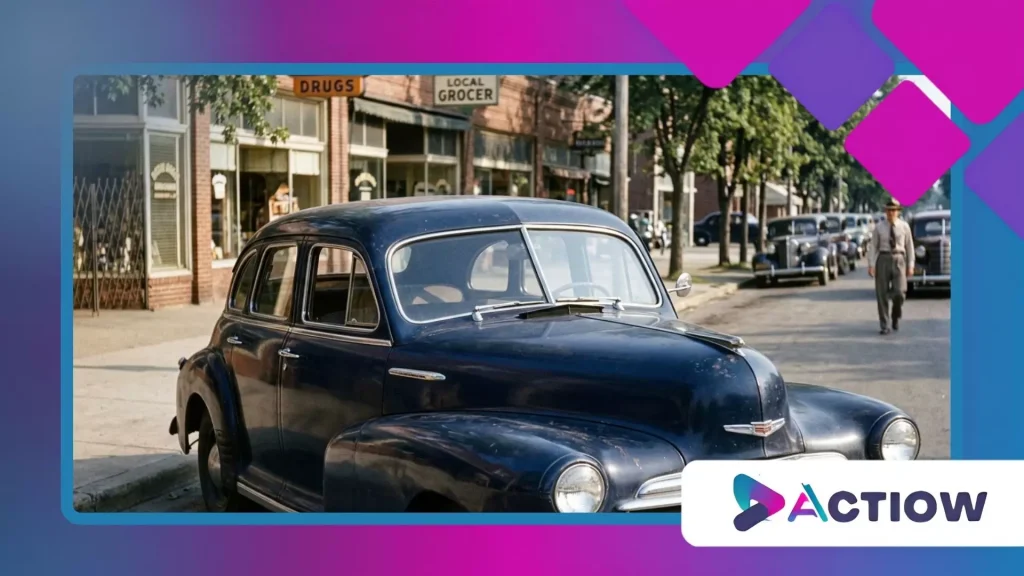
Manufacturing flat glass was a relatively straightforward process, whereas creating large, curved panes required advanced heating and bending techniques not yet available at scale.
Automakers prioritized cost-effective assembly, making split windshields a practical solution for the high-volume production demands of the 1920s and 1930s.
This design allowed for the use of two smaller, identical pieces of glass, which simplified inventory management and reduced the risk of breakage during shipping.
Beyond cost, the structural integrity of the vehicle frame benefited from the metal pillar separating the two glass panels.
Early car bodies were often constructed with wooden or thin steel frames that flexed significantly under load.
A central divider provided a rigid mounting point for the roof, adding necessary structural support that a single large sheet could not provide at the time.
What Role Did Glass Production Play?
Producing a perfectly clear, distortion-free curved pane required temperature-controlled molds that didn’t exist in early automotive factories.
By keeping glass panels flat, companies avoided the optical warping that plagued early experimental attempts at shaping windscreens.
Flat glass provided a reliable, affordable option that ensured consistent quality across thousands of identical units produced daily.
++ Why two stroke cars vanished despite their simple engineering
How Did Styling Influence the Design?
The aesthetic appeal of the segmented look became deeply tied to the “classic” appearance of vintage motorcars.
Enthusiasts often associate the distinctive center bar with the nostalgic spirit of early touring and road racing.
This look defined the visual language of an entire generation, making it a stylistic hallmark that manufacturers felt hesitant to abandon for years.
Also read: Why the Toyota Supra Became a Legend Again in 2026
Were There Practical Benefits to Segmentation?
Replacing a shattered window became significantly cheaper when the owner only had to source a smaller, flat panel.
Owners could easily replace half the glass assembly without needing to involve specialized repair shops or complex adhesives.
This ease of maintenance contributed to the long-term popularity of the design among everyday drivers who valued utility and affordability.
How Did Safety Standards Drive the Transition?

Safety regulations eventually forced a change, as the central metal pillar posed a severe hazard during high-speed frontal collisions.
Crash investigations consistently identified the rigid divider as a primary source of head and facial injuries for front-seat occupants.
Automakers realized that moving toward a curved, panoramic design would eliminate this dangerous obstruction, fundamentally improving the safety profile of the modern cabin.
This transition mirrored the broader industrial movement toward integrated, protective passenger cells.
Safety engineers began advocating for glass that would remain intact under impact, leading to the development of laminated, safety-conscious materials.
The removal of split windshields symbolized a paradigm shift, where human survival became more important than the ease of factory manufacturing or simple aesthetic preferences.
Read more: The Hidden History of Women in Early Motorcycle Racing
Why Was the Center Pillar Dangerous?
The divider acted as a spear point in the event of an impact, concentrating immense forces onto a small surface area.
Passengers often suffered severe blunt-force trauma when thrown forward against this rigid structure during sudden stops or accidents.
Replacing it with a single, impact-absorbing sheet greatly reduced the risk of fatal injuries in standard highway scenarios.
When Did Curved Glass Become Mainstream?
Post-World War II advancements in industrial heating allowed manufacturers to bend glass with extreme precision and clarity.
By the mid-1950s, the “panoramic” windscreen became a symbol of status and modern technical prowess.
This shift permanently retired the segmented look, as consumers demanded the unobstructed, wide-angle field of view that curved designs provided.
How Did Visibility Standards Improve?
Single-pane glass eliminated the blind spot created by the central pillar, allowing drivers a much clearer view of the road ahead.
Enhanced situational awareness directly contributed to fewer pedestrian accidents at intersections and improved safety during complex driving maneuvers.
This change proved that better engineering could simultaneously improve comfort and save lives on a massive scale.
What Is the Legacy of Early Glass Geometry?
While the segmented design is largely a relic of the past, its influence persists in the way we structure vehicle pillars and frame views.
Modern safety engineering prioritizes “A-pillar” visibility, often using slim, high-strength steel to keep the view clear.
The lessons learned from the failure of the central divider guide current efforts to maximize sightlines while maintaining rigorous roll-over protection.
An analogy helps visualize this shift: consider the transition from a cramped, multi-windowed room to a modern house with a large, singular bay window.
The view transforms from fragmented glimpses into a cohesive, immersive experience that connects the occupant to the environment.
This evolution reflects the broader history of the automotive industry, which moved from mechanical experiments to user-centric, sophisticated machine design.
How Does This Apply to Modern Safety?
Current safety testing rigorously evaluates glass performance and structural pillar integrity during high-speed roll-over events.
We now require that glass remains within its frame, preventing occupants from being ejected while ensuring the roof does not collapse.
The lessons derived from the flaws of split windshields remain fundamental to how we construct every new vehicle today.
Can We See Echoes of the Past Today?
Some modern restoration projects or retro-inspired designs occasionally feature split layouts to honor the classic aesthetic.
However, engineers now utilize advanced composite materials to ensure these structures meet modern safety standards despite their traditional appearance.
These vehicles bridge the gap between historic charm and contemporary safety expectations, allowing enthusiasts to experience the past safely.
Why Does History Matter to Consumers?
Understanding the evolution of the windshield helps buyers appreciate the sophistication of the modern vehicles they drive daily.
Recognizing the trade-offs made by early engineers highlights the immense progress achieved in materials science and safety protocols.
Knowledge of this history enriches the experience of every automotive enthusiast who values the journey of innovation.
Data Overview: Automotive Glass Evolution
The following table compares the structural and safety characteristics of early segmented designs versus modern panoramic safety glass systems.
| Feature Category | Early Segmented Design | Modern Panoramic Glass |
| Primary Material | Flat, single-layer glass | Laminated, tempered safety glass |
| Structural Role | Center bar provided frame support | Glass acts as a structural bond |
| Safety Risk | High (Rigid center pillar impact) | Low (Impact absorption and retention) |
| Visibility | Obstructed by central pillar | Unobstructed, wide-angle view |
| Manufacturing | Simple, low-cost assembly | Complex, high-precision thermal bending |
Conclusion
The history of split windshields serves as a vital reminder that automotive design is an ever-evolving dialogue between manufacturing capability and human safety.
We transitioned from segmented, cost-driven glass designs to the seamless, panoramic views that define our modern driving experience today.
This journey underscores a broader commitment to passenger well-being, which has become the bedrock of the global vehicle industry.
As we look at the vehicles of 2026, we see the cumulative success of a century of engineering. What vintage automotive designs do you think changed the industry the most? Share your thoughts below!
Frequently Asked Questions
Why do some vintage cars still use split designs?
Vintage vehicles use these designs because they are period-correct and reflect the manufacturing limitations of their time.
Enthusiasts maintain them to preserve the original aesthetic and historical integrity of the machines.
Are there any performance benefits to a segmented view?
No, there are no performance benefits; in fact, it reduces visibility and creates structural vulnerabilities.
The design was entirely a product of the manufacturing constraints and the cost of glass production in the early 20th century.
How did glass manufacturers eventually solve the bending issue?
Manufacturers developed specialized thermal ovens that allowed for the gradual, even heating of glass panes over custom-shaped metal forms.
This process, perfected in the mid-1950s, made large-scale production of curved safety glass both affordable and reliable.
Will we ever see a return of split windshields?
They may appear in retro-inspired concept cars or luxury custom builds, but they will never return to mass-market production.
Modern safety standards and the demand for panoramic visibility make the segmented design functionally obsolete for standard consumer transportation.