
Pintu tanpa bingkai vs pintu berbingkai dalam penggunaan kendaraan sehari-hari
Pengumuman
Pintu tanpa bingkai vs pintu berbingkai mewakili perdebatan teknik yang menarik yang membagi preferensi gaya otomotif modern dan kepraktisan fungsional sehari-hari.
Memilih kendaraan Anda berikutnya melibatkan pertimbangan antara estetika mobil sport yang ramping dengan ketahanan terhadap cuaca dan daya tahan struktural yang kuat.
Para perancang otomotif terus-menerus menguji arsitektur kaca baru untuk menyeimbangkan efisiensi aerodinamis dengan kesenyapan kabin.
Pengumuman
Memahami perbedaan mekanis ini membantu pembeli memilih konfigurasi yang sesuai dengan kebutuhan gaya hidup mereka.
Pengemudi modern menuntut kenyamanan mutlak selama perjalanan di jalan raya, sehingga desain pintu menjadi pertimbangan penting saat membeli kendaraan.
Jendela kaca tanpa bingkai menawarkan daya tarik visual yang tak terbantahkan, mengingatkan pada mobil coupe eksotis klasik dan mobil grand tourer mewah. Pintu berbingkai tradisional memberikan keamanan yang meyakinkan dan isolasi suara yang luar biasa selama badai hebat.
Apakah Anda siap untuk menjelajahi arsitektur jendela mana yang benar-benar mendominasi kondisi berkendara sehari-hari?
Menavigasi Rekayasa Pintu Kendaraan
- Menganalisis perbedaan isolasi akustik antara konfigurasi batas kaca.
- Mengevaluasi keandalan cuaca musim dingin dan ketahanan beku segel karet.
- Membandingkan kompleksitas manufaktur dan biaya perawatan penyesuaian mekanis.
- Mengevaluasi kinerja aerodinamis dan pengurangan kebisingan angin kecepatan tinggi.
Apa yang Mendefinisikan Rekayasa Konfigurasi Kaca Tanpa Bingkai?
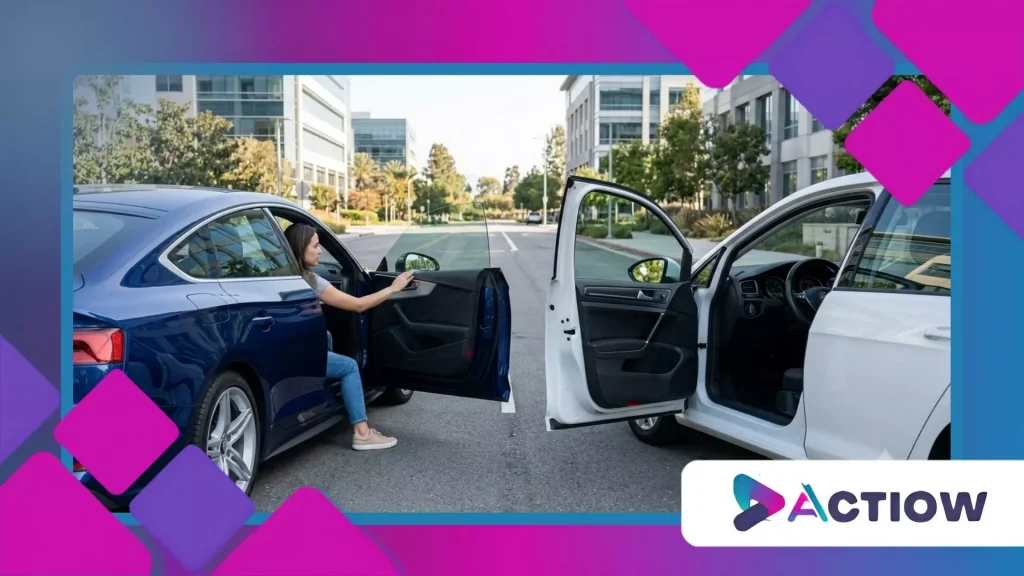
Pintu tanpa bingkai vs pintu berbingkai Perbandingan dimulai dengan memeriksa bagaimana kaca jendela bagian atas bertumpu langsung pada karet pelapis tahan cuaca tanpa dukungan pilar logam.
Saat Anda menarik gagang eksterior, pengatur jendela yang canggih akan menurunkan kaca secara otomatis setengah sentimeter.
Mekanisme indeks elektronik yang cerdas ini membersihkan segel karet sebelum pintu terbuka sepenuhnya. Bayangkan membuka etalase kelas atas di mana setiap celah mekanis diukur dalam milimeter.
Data teknik NVH otomotif yang diterbitkan oleh Masyarakat Insinyur Otomotif menyoroti bahwa jendela tanpa bingkai membutuhkan struktur bodi yang sangat kaku untuk mencegah getaran angin.
Tanpa rangka logam yang menyerap puntiran sasis, panel kaca mengalami tekanan getaran yang lebih tinggi saat berkendara di jalan yang bergelombang.
Para produsen menggunakan kaca akustik laminasi tebal untuk menjaga ketenangan interior di seluruh sedan sport mewah. Konstruksi khusus ini secara signifikan meningkatkan biaya penggantian setelah benturan samping yang tidak disengaja.
Bagaimana Cara Kerja Motor Penggerak Indeks Jendela?
Sakelar mikro mini yang tersembunyi di dalam gagang pintu eksterior memicu regulator elektronik saat pengemudi menarik kaitnya.
Kaca langsung turun, melepaskan tegangan pada karet perapat sehingga pintu terbuka dengan lancar tanpa merobek karet. Kegagalan baterai terkadang dapat mengganggu urutan pengindeksan ini, sehingga menyulitkan akses masuk darurat.
++ Jeep Compass EV vs Peugeot E-3008: SUV listrik mana yang mampu menempuh jarak lebih jauh?
Mengapa Mobil Sport Lebih Memilih Kaca Tanpa Bingkai?
Profil coupe yang ramping sepenuhnya mengandalkan garis kaca yang tidak terhalang untuk memproyeksikan kecepatan, kelincahan, dan keanggunan abadi.
Menghilangkan bingkai jendela logam yang berat sedikit mengurangi bobot bagian atas kendaraan sekaligus memaksimalkan lekukan visibilitas samping. Pilihan estetika ini mendefinisikan bahasa gaya kendaraan performa modern di seluruh dunia.
Baca juga: Toyota Prius vs Honda Insight: Mobil Hibrida Paling Efisien untuk Penggunaan Sehari-hari
Apa saja tantangan pemeliharaan yang muncul di musim dingin?
Hujan beku menyebabkan karet pelapis tahan cuaca menempel erat pada panel kaca tanpa bingkai semalaman selama badai musim dingin dengan suhu di bawah nol.
Memaksa pintu terbuka sebelum es yang mencair merusak segel dapat menyebabkan motor pengatur jendela yang rapuh terbakar. Pemilik harus mengoleskan pelindung silikon secara teratur.
Bagaimana Pintu Berbingkai Tradisional Memberikan Penyegelan yang Unggul?

Pintu tanpa bingkai vs pintu berbingkai Evaluasi sering kali lebih mengutamakan perimeter berbingkai tradisional ketika badai musim dingin yang dahsyat dan angin kencang di jalan raya melanda.
Bingkai jendela yang terbuat dari baja atau aluminium sepenuhnya mengelilingi kaca, menekan gasket karet seragam secara merata di semua sisi.
Bayangkan pintu brankas bank di mana penjepitan perimeter kontinu memastikan keamanan kedap udara absolut terhadap berbagai elemen. Desain yang telah teruji waktu ini sepenuhnya menghilangkan motor indeks elektronik yang kompleks.
Studi keandalan teknik menunjukkan bahwa konfigurasi berbingkai mengalami jauh lebih sedikit keluhan kebocoran udara selama masa pakai kendaraan dengan jarak tempuh tinggi.
Bingkai logam tersebut menyerap sedikit lenturan sasis saat menikung agresif, melindungi kaca samping yang rapuh agar tidak terjepit atau pecah akibat tekanan.
Keluarga yang setiap hari mengangkut anak-anak menghargai kesederhanaan yang kokoh dan biaya perbaikan yang lebih rendah yang terkait dengan konstruksi rangka. Kepraktisan seringkali mengalahkan keinginan akan gaya semata bagi para pengguna transportasi harian.
Baca selengkapnya: Tesla Model Y vs Kia EV6: SUV Listrik Mana yang Lebih Baik di Tahun 2026?
Mengapa Pintu Berbingkai Lebih Senyap pada Kecepatan Tinggi?
Rangka logam kontinu menyediakan beberapa titik gaya penjepitan mekanis terhadap segel karet perimeter yang tebal.
Sistem kompresi multi-titik ini secara efektif menghalangi turbulensi angin frekuensi tinggi, sehingga tingkat desibel di dalam kabin saat berkendara di jalan raya tetap sangat rendah. Perjalanan jauh terasa jauh lebih nyaman di dalam kabin yang berbingkai penuh.
Bagaimana Kesederhanaan dalam Proses Manufaktur Dapat Menurunkan Biaya?
Pembuatan kusen jendela baja cetak membutuhkan jalur pengelasan robot standar, bukan mesin penyelarasan kaca multi-sumbu yang kompleks.
Kompleksitas produksi yang lebih rendah berdampak langsung pada penurunan harga suku cadang pengganti setelah terjadi kecelakaan kecil. Premi perbaikan asuransi tetap jauh lebih rendah untuk kendaraan dengan rangka standar.
Apa Saja Kekurangan Estetika dari Bingkai Foto?
Pilar B yang lebih tebal dan saluran jendela logam bagian atas menciptakan titik buta yang cukup terlihat sehingga menghalangi pandangan samping.
Selain itu, rangka tradisional kurang memiliki daya tarik visual yang eksotis dan drama jendela terbuka seperti pada mobil sport coupe. Para penggemar seringkali menganggap profil berbingkai secara visual berat dan kurang menarik.
Apa Saja Pertimbangan Utama dari Aspek Aerodinamika dan Struktur?
Pintu tanpa bingkai vs pintu berbingkai Metrik kinerja mengungkapkan kompromi yang menarik terkait efisiensi bahan bakar kecepatan tinggi dan peringkat keselamatan struktural saat terjadi tabrakan.
Jendela tanpa bingkai memungkinkan penataan garis atap yang lebih rapat, mengurangi koefisien hambatan frontal secara keseluruhan untuk meningkatkan jangkauan jelajah kendaraan listrik.
Namun, gaya benturan samping berpindah secara berbeda melalui kabin ketika penyangga pilar logam atas tidak ada. Para insinyur mengkompensasinya dengan memperkuat panel rocker bawah dengan baja boron berkekuatan tinggi.
Pertimbangkan gedung pencakar langit arsitektur yang dirancang dengan fasad kaca dari lantai hingga langit-langit dibandingkan dengan kolom pasangan bata beton bertulang.
Kedua struktur tersebut memenuhi persyaratan dasar sebagai tempat berlindung, namun prioritas rekayasa dan profil kerentanannya sangat berbeda.
Para produsen kendaraan harus menyeimbangkan bobot, keselamatan, aerodinamika, dan daya tarik estetika dalam batasan peraturan yang ketat. Setiap pilihan desain melibatkan kompromi yang diperhitungkan.
Bagaimana Standar Keselamatan Tabrakan Mempengaruhi Desain?
Pengujian benturan samping yang ketat pada tiang menuntut penguatan struktural yang luar biasa terlepas dari apakah jendela tersebut memiliki bingkai logam bagian atas atau tidak.
Kerangka baja berkekuatan tinggi yang canggih melindungi penumpang dengan sama baiknya di bawah protokol pengujian federal modern. Teknologi laminasi kaca mencegah pecahan kaca berbahaya masuk ke dalam kabin saat terjadi benturan.
Mengapa Kendaraan Listrik Menggunakan Kaca Tanpa Bingkai?
Para perancang kendaraan listrik sangat memperhatikan setiap detail aerodinamis untuk memaksimalkan jarak tempuh sekali pengisian daya pada perjalanan panjang di jalan raya.
Permukaan kaca rata yang terintegrasi tanpa bingkai ke dalam pintu tanpa bingkai meminimalkan pusaran turbulen di belakang pilar A. Keuntungan kecil ini menambah jarak tempuh operasional yang berharga.
Apakah Segel Tanpa Bingkai Dapat Disetel Seiring Waktu?
Setelah bertahun-tahun sering dibanting dengan keras, jendela tanpa bingkai mungkin sedikit bergeser, menciptakan suara siulan angin berkecepatan tinggi yang mengganggu di dalam kabin.
Teknisi di dealer harus menyesuaikan baut penahan jendela bagian dalam secara manual untuk mengembalikan tegangan penjepitan seperti di pabrik. Perawatan engsel secara berkala mencegah kendur sebelum waktunya.
Matriks Perbandingan Arsitektur Pintu Otomotif
Tabel terstruktur di bawah ini membandingkan metrik operasional utama antara konfigurasi pintu kendaraan tanpa bingkai dan dengan bingkai.
| Metrik Evaluasi | Sistem Pintu Tanpa Bingkai | Sistem Pintu Berbingkai |
| Daya Tarik Estetika | Tinggi (Tampilan ramping, sporty, eksotis) | Sedang (Penampilan utilitas standar) |
| Isolasi Suara Angin | Sedang (Bergantung pada kalibrasi indeks yang tepat) | Tinggi (Kompresi karet multi-titik kontinu) |
| Keandalan Musim Dingin | Rentan (Kaca dapat membeku pada segel karet) | Kokoh (Tidak bergantung pada motor pengindeks jendela) |
| Kompleksitas Perbaikan | Tinggi (Membutuhkan kalibrasi elektronik dan shim) | Rendah (Penyelarasan mekanis langsung) |
Membuat Pilihan yang Tepat untuk Gaya Hidup Mengemudi Anda
Pintu tanpa bingkai vs pintu berbingkai Pada akhirnya, semuanya bermuara pada memprioritaskan gaya sporty yang memukau versus keandalan operasional harian yang tak tertandingi.
Jika rutinitas harian Anda melibatkan musim dingin yang keras dan perjalanan panjang di jalan raya, rumah utilitas berbingkai tradisional menawarkan ketenangan pikiran yang tak tertandingi.
Sebaliknya, pengemudi yang mencari keanggunan coupe eksotis dan gaya aerodinamis modern akan dengan senang hati menerima sedikit kekurangan dari kaca tanpa bingkai.
Pertimbangkan iklim dan prioritas gaya hidup Anda dengan cermat sebelum membeli mobil berikutnya. Arsitektur pintu mana yang Anda sukai untuk mobil harian Anda? Bagikan pengalaman Anda di kolom komentar di bawah!
Pertanyaan yang Sering Diajukan
Mengapa jendela tanpa bingkai sedikit turun saat dibuka?
Mekanisme penurunan elektronik membersihkan segel karet penahan cuaca untuk mencegah tepi kaca tersangkut atau merobek karet. Setelah tertutup, jendela akan kembali ke atas untuk mencegah masuknya angin dan hujan.
Apakah pintu tanpa bingkai lebih rentan terhadap kebocoran air?
Kendaraan lama tanpa rangka dapat mengalami kebocoran angin jika penyelarasan jendela bergeser atau segel karet mengeras seiring waktu. Perawatan yang tepat dan pelumasan silikon dapat mencegah sebagian besar masalah kebocoran secara efektif.
Apakah biaya perbaikan asuransi berbeda antara kedua desain tersebut?
Ya, penggantian kaca tanpa bingkai yang pecah seringkali memerlukan kalibrasi khusus sensor jatuh elektronik, sehingga meningkatkan biaya tenaga kerja dibandingkan dengan penggantian jendela berbingkai standar.