
Mengapa suara bantalan roda tidak boleh diabaikan oleh pengemudi
Pengumuman
Suara bantalan roda Berfungsi sebagai sistem peringatan dini kendaraan Anda, memberi sinyal peringatan jauh sebelum kerusakan mekanis yang fatal membuat Anda terdampar di pinggir jalan.
Mobil modern mungkin terasa kokoh, tetapi komponen-komponen kecil dari baja keras ini menanggung seluruh bobot kendaraan Anda sambil berputar ribuan kali per menit.
Mengabaikan dengungan halus itu bukan hanya ketidaknyamanan; itu adalah pertaruhan terhadap keselamatan dan dompet Anda.
Pengumuman
Sebagai seorang jurnalis berpengalaman yang meliput perawatan otomotif, saya telah melihat terlalu banyak pengemudi mengabaikan suara gemuruh samar hingga roda macet di tengah jalan raya.
Memahami mekanisme di balik suara ini sangat penting bagi setiap pemilik yang bertanggung jawab yang ingin menjaga umur panjang kendaraan mereka.
Pada saat Anda membaca ini, Anda akan memahami persis mengapa dengungan ritmis itu layak mendapatkan perhatian profesional Anda segera.
Wawasan Pemeliharaan Kritis
- Sinyal PeringatanSuara berderit atau berdengung yang berubah seiring kecepatan kendaraan hampir selalu merupakan indikator langsung dari kerusakan integritas bantalan.
- Gesekan dan PanasBegitu segel gemuk internal rusak, gesekan ekstrem akan menghasilkan panas yang dapat menyatukan rakitan bantalan dengan poros roda.
- Risiko KeselamatanBantalan yang benar-benar macet akan menyebabkan roda berhenti berputar atau, dalam kasus ekstrem, terlepas sepenuhnya dari rakitan suspensi.
Apa Sebenarnya Peran Bantalan Roda?
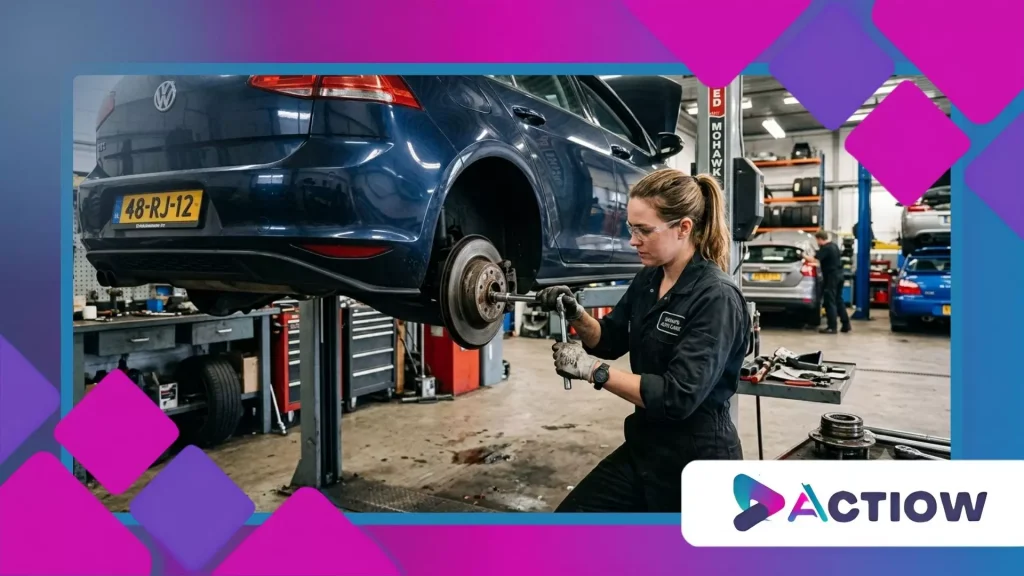
Bagaimana Sistem Perakitan Mendukung Dinamika Kendaraan?
Setiap roda pada mobil Anda bergantung pada serangkaian bola atau rol baja yang dirancang dengan presisi, yang ditahan di dalam cincin logam, agar dapat berputar dengan lancar.
Komponen-komponen ini memfasilitasi pergerakan roda tanpa gesekan sekaligus menopang beban besar sasis, mesin, dan penumpang di bawah berbagai beban tegangan.
Tanpa bantalan yang berfungsi sempurna, roda Anda akan mengalami hambatan yang sangat besar, yang menyebabkan keausan ban yang cepat dan karakteristik penanganan yang sangat berbahaya selama manuver kecepatan tinggi.
Anggap saja bantalan ini sebagai sambungan tak terlihat pada kendaraan Anda; bantalan ini memungkinkan mobil Anda melaju dengan anggun di tikungan tanpa melawan hukum fisika.
Saat dalam kondisi sehat, Anda menikmati perjalanan yang tenang dan mulus, tetapi ketika kondisinya memburuk, komponen tersebut menjadi mata rantai terlemah dalam mobilitas mobil Anda.
Bantalan yang rusak memaksa mesin Anda bekerja lebih keras untuk mengatasi peningkatan hambatan putaran, yang secara halus mengurangi efisiensi bahan bakar Anda.
Mengapa Rekayasa Presisi Sangat Penting untuk Umur Panjang?
Bantalan otomotif diproduksi dengan toleransi mikroskopis, artinya bahkan setitik debu jalan yang sangat kecil atau kebocoran kelembapan mikroskopis pun dapat berakibat fatal.
Pelumas internal yang diaplikasikan pabrik dirancang untuk menahan fluktuasi suhu ekstrem, tetapi segel ini pasti akan aus setelah menempuh ribuan mil perjalanan.
Begitu segel pelindung rusak, kontaminan masuk ke dalam saluran, menciptakan pasta abrasif kasar yang merusak permukaan baja yang halus.
Proses ini berakselerasi dengan cepat, mengubah bunyi klik kecil yang hampir tak terdengar menjadi deru yang agresif dan menggerinda yang terasa di seluruh kolom kemudi.
Anda tidak dapat "memperbaiki" bantalan roda setelah permukaan logamnya mulai berlubang atau tergores; seluruh rakitan harus segera diganti.
Teknologi metalurgi modern memang kuat, tetapi tidak ada apa pun yang dapat menandingi proses penggerusan tanpa henti terhadap kotoran yang terperangkap di dalam rumah bantalan yang berputar.
++ Cara Memperpanjang Umur Mesin Turbocharger Anda
Apa yang Terjadi Jika Anda Mengabaikan Suara Awal?
Pengemudi seringkali keliru mengaitkan tahap awal kerusakan bantalan dengan ban yang berisik, gigi transmisi yang aus, atau sekadar tekstur permukaan jalan.
Mereka mengemudi selama berminggu-minggu, berharap suara itu akan hilang dengan sendirinya, tetapi kerusakan mekanis hanya bergerak ke satu arah: menuju kegagalan total.
Dengan menunda perbaikan, Anda membiarkan kerusakan menyebar ke komponen mahal lainnya, seperti rakitan hub dan sensor ABS.
Mengabaikan masalah yang berkembang pada akhirnya akan menyebabkan kelonggaran berlebihan pada roda, mengakibatkan rem Anda macet dan penyelarasan roda Anda terus-menerus bergeser.
Anda akan mendapati diri Anda berjuang melawan kemudi hanya untuk mempertahankan garis lurus di jalan raya.
Apa yang awalnya hanya penggantian bantalan yang sederhana dan terjangkau dapat berkembang menjadi perbaikan besar pada sistem suspensi jika Anda menunggu hingga komponen tersebut benar-benar hancur.
Mengapa Suara Berubah Saat Melakukan Manuver Mengemudi?
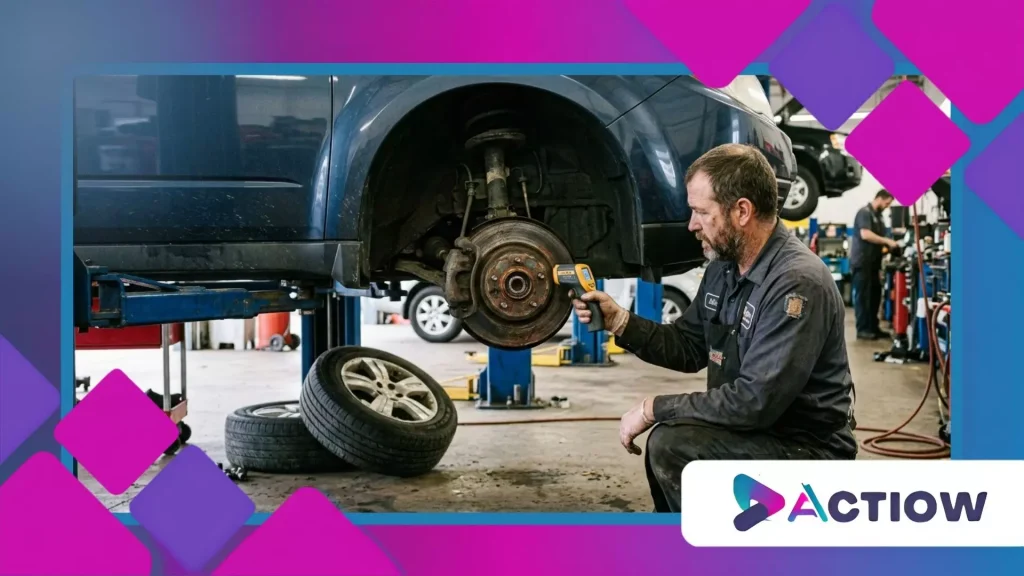
Bagaimana Beban Saat Berbelok Mengungkap Kerusakan Bantalan?
Salah satu tes diagnostik yang paling andal melibatkan mendengarkan dengan saksama saat Anda dengan aman melewati tikungan lembut dengan kecepatan jelajah sedang di jalan yang kosong.
Saat Anda memutar setir ke kanan, Anda menggeser bobot kendaraan ke roda sisi kiri, sehingga meningkatkan beban pada bantalan roda tersebut.
Jika tingkat kebisingan meningkat selama manuver spesifik ini, Anda telah mengidentifikasi sumber kerusakan mekanis dengan akurasi yang hampir sempurna.
Sebaliknya, jika suara tersebut hilang atau berkurang ketika Anda mengalihkan beban dari roda yang dicurigai, hasil diagnosis semakin terkonfirmasi.
Uji beban dinamis ini adalah metode yang telah teruji dan terbukti ampuh yang digunakan oleh mekanik profesional untuk menentukan bagian mana dari mobil yang mengalami kerusakan.
Cara ini berhasil karena kerusakan internal diperparah oleh peningkatan tekanan yang diberikan selama putaran, menyebabkan permukaan yang aus bergesekan lebih agresif.
Baca juga: Bagaimana penghapusan kontaminasi cat melindungi nilai jual kembali kendaraan
Mengapa Suaranya Berirama dan Bergantung pada Kecepatan?
Bantalan yang rusak menghasilkan suara yang meniru kecepatan putaran roda, artinya frekuensinya meningkat seiring dengan peningkatan akselerasi.
Ini bukan suara yang berhubungan dengan mesin, yang akan berubah berdasarkan RPM; melainkan, ini adalah hasil langsung dari pergerakan fisik roda di atas permukaan jalan.
Dengungan unik yang terkait dengan kecepatan ini adalah "ciri khas" dari bantalan yang telah kehilangan kelancaran permukaannya dan mulai mengalami kerusakan berupa bagian yang rata.
Dengarkan suara geraman bernada rendah yang terdengar mirip dengan suara pesawat baling-baling di kejauhan atau suara ban salju yang berdesis di permukaan jalan yang kering.
Jika Anda merasakan getaran berirama melalui lantai mobil atau lingkar kemudi, bantalan tersebut sudah berada dalam kondisi degradasi struktural yang parah.
Pada titik ini, rol baja kemungkinan besar sudah mulai kehilangan bentuknya, dan rakitan tersebut pada dasarnya beroperasi dengan waktu yang terbatas.
Baca selengkapnya: 10 Tanda Aki Mobil Anda Mungkin Akan Rusak Sebelum Musim Dingin Tiba
Bagaimana Cara Membedakan Suara Bantalan dari Suara Ban?
Terkadang, pola tapak yang agresif pada ban off-road atau ban performa tinggi dapat meniru suara dengung bantalan yang rusak, sehingga membingungkan bahkan pengemudi berpengalaman.
Namun, kebisingan ban biasanya tetap relatif konsisten di berbagai permukaan jalan, sedangkan kebisingan bantalan roda sangat terkait dengan beban manuver menikung.
Jika Anda masih ragu, putar ban Anda untuk melihat apakah profil suara berpindah bersama ban atau tetap berada di lokasi roda tertentu.
Jika suara tersebut mengikuti ban, kemungkinan besar Anda hanya berurusan dengan keausan tapak ban yang tidak merata atau cekung, yang memerlukan penyelarasan roda atau penggantian ban.
Jika suara berisik tetap berada di hub roda yang sama setelah diputar, berarti ada kerusakan mekanis yang membutuhkan perhatian segera dari teknisi yang berkualifikasi.
Jangan menebak-nebak; verifikasi profesional memberikan ketenangan pikiran bahwa kendaraan Anda benar-benar aman untuk penggunaan sehari-hari.
Bagaimana Kerusakan Akibat Panas Menyebabkan Kegagalan Total?
Mengapa Degradasi Gemuk Merupakan Pembunuh Utama?
Gemuk internal di dalam bantalan tidak hanya berfungsi untuk pelumasan; gemuk ini juga merupakan mekanisme utama untuk menghilangkan panas yang dihasilkan oleh gesekan.
Saat komponen bantalan mulai aus, gesekan meningkat, yang pada gilirannya mencairkan atau membakar pelumas, sehingga menjadi sama sekali tidak efektif.
Ini adalah skenario "pelarian" klasik di mana kurangnya pelumasan menyebabkan lebih banyak panas, yang mengakibatkan lebih banyak gesekan dan kerusakan struktural yang lebih cepat.
Begitu gemuk bocor keluar dari segel, kontak logam-ke-logam menyebabkan baja menjadi kebiruan dan akhirnya menyatu karena pemuaian termal.
Anda mungkin akan mencium bau terbakar di dekat ruang roda setelah berkendara lama, yang merupakan pertanda buruk bahwa bantalan roda Anda hampir aus. Segera menepi dan periksa apakah hub roda terasa sangat panas saat disentuh.
Bagaimana Realitas Statistik Kegagalan Bantalan?
Data dari catatan perawatan armada otomotif menunjukkan bahwa mengabaikan peringatan suara menyebabkan kerusakan tak terduga di pinggir jalan dalam lebih dari 85% kasus yang didokumentasikan yang melibatkan bantalan yang diabaikan.
Kegagalan ini jarang terjadi secara halus; seringkali terjadi pada kecepatan jalan raya, memaksa pengemudi untuk mengatasi hilangnya kendali secara tiba-tiba dan keras.
Bantalan roda kendaraan merupakan bagian yang sangat penting untuk keselamatan, dan statistik membuktikan bahwa bantalan roda tidak akan pernah "memperbaiki diri sendiri" atau memperbaiki dirinya sendiri seiring waktu.
Bayangkan bantalan roda Anda seperti persendian manusia; jika Anda terus berlari dengan lutut yang rusak, pada akhirnya tulang akan bergesekan hingga Anda tidak dapat berjalan.
Mobil Anda pun sama; ia akan mencoba terus bergerak, tetapi pada akhirnya akan menolak untuk membawa beban. Menunggu lampu "periksa mesin" menyala adalah strategi yang sia-sia karena, pada saat itu, kerusakan sudah parah dan berpotensi permanen.
Mengapa Sensor ABS Sering Rusak Secara Bersamaan?
Pada banyak kendaraan modern, sensor kecepatan roda untuk Sistem Pengereman Anti-lock (ABS) terintegrasi langsung ke dalam hub roda dan rakitan bantalan.
Saat bantalan mulai mengalami keausan atau goyangan yang berlebihan, sensor tidak lagi dapat mempertahankan jarak yang tepat yang diperlukan untuk membaca kecepatan roda.
Hal ini sering kali memicu serangkaian lampu peringatan di dasbor, termasuk sistem ABS, Kontrol Traksi, dan Kontrol Stabilitas, semuanya sekaligus.
Ini adalah cara digital mobil Anda memberi tahu Anda bahwa fondasi mekanis telah bergeser hingga titik di mana komputer tidak lagi dapat mempercayai data tersebut.
Jangan hanya menghapus kode kesalahan dengan pemindai, karena kerusakan mekanis yang mendasarinya tetap diabaikan dan terus memburuk.
Memperbaiki sensor tanpa mengatasi bantalan sama seperti mengecat retakan pada fondasi; masalah strukturalnya masih tetap ada.
Matriks Diagnostik untuk Kebisingan Suspensi
Gunakan panduan referensi cepat ini untuk memahami berbagai suara yang mungkin dihasilkan kendaraan Anda dan bagaimana suara-suara tersebut berkaitan dengan potensi kerusakan mekanis.
| Jenis Kebisingan | Kemungkinan Sumber | Perilaku Kecepatan | Tindakan Diagnostik |
| Geraman bernada rendah | Suara bantalan roda | Meningkat seiring dengan kecepatan | Lakukan uji beban menikung |
| Jeritan Tajam | Indikator Keausan Rem | Perubahan saat pengereman | Periksa ketebalan kampas rem |
| Dentuman Berirama | Tapak Ban Berbentuk Cekung | Dengungan kecepatan konstan | Lakukan rotasi ban dan periksa keselarasan roda. |
| Bunyi berderak/letupan | Sambungan CV atau Bushing | Muncul selama giliran | Periksa karet pelindung poros dan sambungan bola. |
| Rintihan Bernada Tinggi | Diferensial/Transmisi | Perubahan dengan RPM/Gigi | Periksa level dan kualitas cairan. |
Jalan ke Depan: Diam Itu Emas
Menangani suara bantalan roda Melakukan perawatan sejak dini adalah contoh nyata bagaimana perawatan proaktif mencegah gangguan kecil berkembang menjadi masalah yang berbahaya dan mahal.
Dengan mendengarkan kendaraan Anda dan bereaksi terhadap perubahan halus dalam karakteristik akustiknya, Anda memastikan bahwa setiap mil tetap seaman mil pertama.
Ingatlah bahwa mobil Anda terus berkomunikasi dengan Anda; Anda hanya perlu belajar bagaimana menafsirkan peringatannya.
Saat Anda berinvestasi pada suku cadang pengganti berkualitas dan pemasangan profesional, pada dasarnya Anda membeli ketenangan pikiran untuk Anda dan penumpang Anda.
Jangan menunggu kerusakan besar yang menurut statistik tak terhindarkan. Jika Anda curiga kendaraan Anda memberi sinyal, dengarkan dengan saksama dan bertindaklah hari ini untuk menjaga agar roda kendaraan Anda tetap berputar dengan aman.
Pernahkah Anda mendeteksi kerusakan bantalan sebelum benar-benar rusak di jalan raya? Bagikan kiat diagnostik atau cerita mekanik Anda di kolom komentar di bawah!
Pertanyaan yang Sering Diajukan
Apakah saya bisa terus mengemudi jika suara tersebut hanya terdengar pada kecepatan rendah?
Tidak, tegangan pada bantalan bersifat konstan tanpa memperhatikan kecepatan, dan degradasi internal hanya akan semakin cepat hingga komponen tersebut akhirnya macet.
Berapa lama masa pakai bantalan roda pada umumnya sebelum perlu diganti?
Sebagian besar bantalan modern dirancang untuk bertahan antara 100.000 hingga 150.000 mil, tetapi kondisi jalan, lubang, dan beban berat dapat secara signifikan memperpendek masa pakainya.
Apakah perlu mengganti kedua bantalan pada poros yang sama sekaligus?
Meskipun tidak diwajibkan secara mutlak, hal ini sangat disarankan karena bantalan biasanya mengalami jarak tempuh dan kondisi jalan yang sama, yang berarti bantalan yang satunya kemungkinan besar sudah hampir rusak.
Berapakah biaya rata-rata penggantian rakitan bantalan pada tahun 2026?
Biaya bervariasi tergantung kompleksitas kendaraan, tetapi Anda dapat memperkirakan anggaran antara $300 dan $700 per sudut, termasuk suku cadang berkualitas tinggi dan tenaga kerja profesional.