
Rettifica o sostituzione dei dischi freno: quale opzione dura di più?
Annunci
Rettifica del disco freno Rimane uno degli argomenti più dibattuti tra i tecnici automobilistici e i proprietari di veicoli che cercano di conciliare la sicurezza con i costi di manutenzione.
Quando il vostro veicolo inizia a tremare o vibrare durante la frenata, il dilemma principale si pone immediatamente: conviene rettificare il metallo esistente o installare componenti completamente nuovi?
Fare la scelta giusta ha un impatto diretto sulla distanza di frenata, sulla sicurezza generale alla guida e sulle spese di riparazione a lungo termine.
Annunci
Ignorare i primi segnali di usura del rotore può trasformare un semplice intervento di manutenzione in un pericoloso guasto meccanico in autostrada.
Comprendere i limiti metallurgici del proprio impianto frenante previene spese inutili e garantisce una potenza frenante ottimale in tutte le condizioni atmosferiche.
I veicoli moderni richiedono tolleranze precise e i meccanici devono valutare le variazioni di spessore prima di raccomandare qualsiasi procedura di lavorazione correttiva.
Per scegliere tra la riparazione al tornio e la sostituzione del cambio, sono necessari dati precisi relativi al chilometraggio, alle abitudini di guida e all'integrità strutturale.
Sei sicuro che i tuoi freni attuali siano in grado di gestire una frenata di emergenza in questo momento?
Piano d'azione fondamentale per la cura dei dischi freno
- Valutazione dei limiti di usura strutturale rispetto alla valutazione estetica della superficie.
- Le differenze meccaniche tra la lavorazione dei metalli e l'installazione di nuovi componenti.
- Analisi costi-benefici della durabilità a lungo termine e dei margini di sicurezza.
- Linee guida per identificare quando la sostituzione è l'unica opzione praticabile.
Cos'è la rettifica dei dischi freno e come funziona?
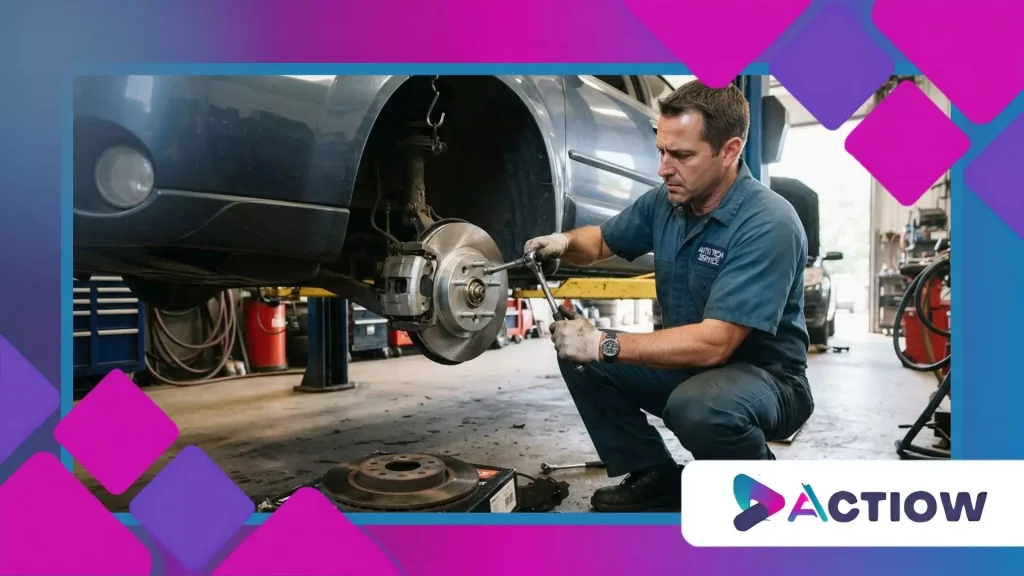
Rettifica del disco freno Il processo prevede il montaggio del disco metallico su un tornio specializzato per asportare uno strato microscopico di acciaio, creando una superficie di attrito piana.
Questo processo meccanico elimina piccole scanalature, deformazioni e depositi irregolari delle pastiglie causati dall'intenso attrito e dallo stress termico durante la guida quotidiana.
Pensatela come la piallatura di un piano di tavolo in legno per rimuovere i graffi superficiali e ripristinare una superficie di lavoro perfettamente piana.
La macchina rimuove solo la quantità di materiale necessaria a creare una superficie di contatto ottimale per le nuove pastiglie dei freni, garantendo un'aderenza efficace.
Tuttavia, questa procedura presenta rigide limitazioni fisiche, dettate dalle specifiche di spessore minimo indicate dal produttore e stampate direttamente sul coperchio del rotore.
Se il metallo si è già assottigliato oltre questa soglia di sicurezza a causa dell'usura precedente, la lavorazione diventa del tutto impossibile e pericolosa.
I tecnici utilizzano micrometri di precisione per misurare la profondità in millimetri prima di effettuare qualsiasi taglio, assicurandosi che il metallo rimanente non si incrini sotto forti carichi di frenata.
Quanto metallo può rimuovere la lavorazione sicura?
Le linee guida standard di un'officina prevedono che un tornio non debba rimuovere più di uno o due millimetri di materiale totale su entrambe le facce.
Il superamento di questo limite compromette la capacità termica del disco, causandone il surriscaldamento, la rapida deformazione o la rottura sotto pressione.
Le misurazioni di precisione garantiscono che l'integrità strutturale rimanga intatta per tutta la restante durata di vita del componente.
++ Perché il rumore dei cuscinetti delle ruote non dovrebbe mai essere ignorato dal conducentes
Perché i meccanici consigliano i torni per un'usura lieve?
La lavorazione meccanica rappresenta una soluzione economicamente vantaggiosa quando il corpo del rotore conserva una massa strutturale robusta ma presenta vibrazioni superficiali o piccole abrasioni.
Consente agli automobilisti di sfruttare al massimo l'hardware esistente senza dover acquistare inutilmente assemblaggi completi.
Questo approccio tradizionale consente di risparmiare risorse, offrendo al contempo una pedalata immediatamente fluida durante gli spostamenti in città.
Leggi anche: Come la rimozione delle contaminazioni della vernice protegge il valore di rivendita del veicolo.
È possibile riparare tutti i rotori danneggiati?
Solchi profondi, estese fessurazioni termiche o gravi vaiolature di ruggine rendono un disco completamente inadatto a qualsiasi lavorazione di rettifica standard al tornio.
Il tentativo di salvare un rotore gravemente danneggiato effettuando un taglio più profondo del consentito crea un pericolo immediato per la sicurezza, che può causare un guasto ai freni. Gli standard di sicurezza hanno sempre la precedenza sul desiderio di ridurre i costi di manutenzione.
Quando la sostituzione completa del rotore è l'unica scelta sicura?
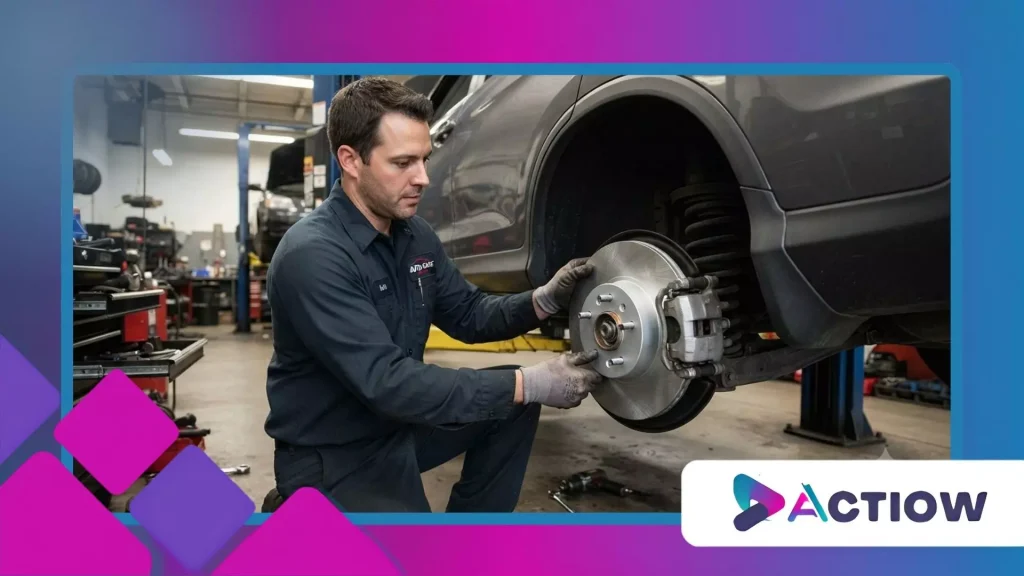
L'opzione della sostituzione completa diventa obbligatoria quando rettifica del disco freno è limitato da un assottigliamento eccessivo o da un profondo degrado strutturale oltre i limiti di sicurezza.
A differenza della lavorazione meccanica, la sostituzione dei vecchi dischi con unità nuove di fabbrica garantisce la massima massa termica e una composizione metallurgica pari al nuovo.
Dati provenienti da Consiglio per la cura dell'auto indica che trascurare i componenti dei freni usurati aumenta gli spazi di frenata fino al venti percento in condizioni di bagnato.
Investire in nuovi componenti elimina le incertezze e ripristina le specifiche di sicurezza originali del veicolo, così come sono state realizzate in fabbrica.
Considerate la sostituzione dei rotori come la sostituzione delle fondamenta di una casa: rattoppare una base crepata non fa altro che ritardare un inevitabile e ben più catastrofico cedimento strutturale.
I componenti nuovissimi presentano profili a spessore pieno che dissipano il calore in modo efficiente, prevenendo il temuto surriscaldamento dei freni durante le lunghe discese sui passi di montagna.
Quando la sicurezza è in gioco, optare per una carrozzeria nuova offre un livello di fiducia senza compromessi al volante.
Per saperne di più: 10 segnali che indicano che la batteria della tua auto potrebbe guastarsi prima dell'arrivo dell'inverno
Come si identificano le crepe termiche gravi?
Le cricche termiche appaiono come fratture simili a ragnatele che si irradiano verso l'esterno sulla superficie di attrito, solitamente causate da cicli termici estremi e da stili di guida aggressivi.
Queste fessure indeboliscono l'integrità strutturale del disco, rendendo la sostituzione completa assolutamente necessaria per evitare rotture improvvise. Le ispezioni visive durante la rotazione degli pneumatici consentono di individuare tempestivamente questi pericolosi difetti.
Perché lo spessore minimo è importante?
La specifica dello spessore minimo rappresenta il limite fisico assoluto oltre il quale il metallo diventa troppo sottile per assorbire e dissipare il calore generato dall'attrito.
I rotori più sottili si deformano molto più rapidamente, causando vibrazioni ricorrenti al volante e una minore efficienza di serraggio idraulico.
Il rispetto di questa soglia ingegneristica è fondamentale per mantenere prestazioni di arresto prevedibili.
I rotori di ricambio economici sono sicuri?
L'installazione di rotori di ricambio aftermarket ultra-economici e non certificati può introdurre pericolose impurità metallurgiche che possono deformarsi o incrinarsi alle normali temperature di esercizio.
Scegliete sempre marchi affidabili che soddisfino o superino gli standard del produttore di apparecchiature originali per garantire prestazioni affidabili e lunga durata. Risparmiare su componenti di sicurezza critici non è mai una strategia saggia a lungo termine.
Quale opzione offre una maggiore durata nel tempo?
La valutazione della longevità rivela che rettifica del disco freno In genere, ciò si traduce in una durata di servizio residua più breve, poiché il componente parte con una massa termica ridotta.
Un disco lavorato raggiungerà il suo limite di spessore minimo molto più rapidamente rispetto a un'unità nuova installata durante una normale sostituzione delle pastiglie.
Sebbene la lavorazione meccanica permetta di risparmiare denaro inizialmente, spesso significa che sarà necessario un altro intervento completo sui freni prima del previsto.
Trovare un equilibrio tra i costi iniziali di riparazione e il chilometraggio previsto aiuta i proprietari di veicoli a prendere decisioni di manutenzione finanziariamente oculate.
Inoltre, le condizioni di guida giocano un ruolo fondamentale nella durata di un rotore, indipendentemente dal fatto che sia stato rettificato o sostituito di recente.
Il traffico cittadino con continue fermate e ripartenze accelera l'usura a causa dei costanti cicli termici, mentre la guida in autostrada consente ai componenti di raffreddarsi uniformemente tra una frenata e l'altra.
Comprendere le proprie abitudini di guida permette di scegliere il percorso di manutenzione che ottimizza sia la sicurezza che il budget complessivo.
Lo stile di guida influisce sulla durata dei componenti?
I guidatori aggressivi che frenano bruscamente e all'ultimo momento generano un calore eccessivo che accelera l'usura, riducendo drasticamente la durata sia delle pastiglie che dei dischi dei freni.
Una guida fluida e previdente preserva il metallo, consentendo ai componenti, sia nuovi che lavorati, di durare significativamente più a lungo tra gli interventi di manutenzione. In definitiva, il vostro piede destro è lo strumento di manutenzione più efficace che possedete.
In che modo il clima e il sale stradale influiscono sulla longevità?
Il sale sparso sulle strade in inverno e l'umidità costiera causano una corrosione aggressiva, che provoca la formazione di piccole cavità sulle superfici metalliche e accelera il degrado strutturale dall'interno verso l'esterno.
In ambienti così ostili, rettifica del disco freno spesso risulta inadeguato perché la ruggine compromette lo spessore complessivo del disco.
Spesso, la sostituzione completa dei componenti hardware è l'unico modo per garantire una frenata affidabile in climi corrosivi.
È necessario cambiare gli assorbenti ad ogni intervento?
L'installazione di pastiglie freno vecchie e usurate in modo non uniforme su dischi appena rettificati o nuovi di zecca compromette il processo di rodaggio e provoca un'usura prematura.
Sia che si tratti di rettifica o sostituzione dei dischi freno, è sempre consigliabile abbinare la manutenzione a un nuovo set di pastiglie freno di alta qualità per garantire un contatto uniforme. Questa pratica massimizza la durata dell'intero impianto frenante.
Metriche di manutenzione: lavorazione meccanica vs. sostituzione
La tabella strutturata sottostante confronta le principali differenze operative e finanziarie tra la lavorazione di metalli esistenti e l'installazione di componenti completamente nuovi.
| Approccio alla manutenzione | Costo iniziale | Durata prevista della vita | Capacità termica | Ideale per |
| Ripristino (lavorazione meccanica) | Inferiore | Moderato (15.000–30.000 miglia) | Riduzione dovuta al profilo più sottile | Lievi vibrazioni superficiali con rotori spessi |
| Sostituzione completa | Più alto | Massimo (50.000–70.000 miglia) | Standard di fabbrica completo | Incisioni profonde, crepe o metallo sottile |
Conclusione
La scelta tra la lavorazione meccanica e l'installazione di nuovi componenti si basa sulla misurazione dello spessore del metallo, sulla valutazione dei danni e sulla priorità assoluta della sicurezza stradale.
Che tu scelga rettifica del disco freno Per una soluzione rapida o per optare per componenti nuovi che garantiscano la massima durata, le ispezioni regolari rimangono la migliore difesa.
Mantenere l'impianto frenante in condizioni ottimali protegge i tuoi passeggeri e tutti coloro che condividono la strada con te.
Controlla oggi stesso la cronologia degli interventi di manutenzione: quando è stata l'ultima ispezione professionale dei freni? Condividi le tue esperienze di manutenzione nei commenti qui sotto!
Domande frequenti
Posso rettificare i dischi dei freni ogni volta che cambio le pastiglie?
No, i rotori possono essere lavorati meccanicamente di solito solo una volta, se non addirittura mai, durante la loro vita operativa, perché la rimozione di una quantità eccessiva di metallo viola i limiti di spessore di sicurezza.
Nella maggior parte dei veicoli moderni è necessario sostituire i rotori ogni due cambi di pastiglie per mantenere le soglie termiche di sicurezza.
Perché il volante vibra quando freno?
Le vibrazioni del volante di solito indicano che i dischi dei freni hanno sviluppato variazioni di spessore o deformazioni dovute a una dissipazione del calore non uniforme o al bloccaggio delle guide delle pinze.
Un tecnico specializzato deve misurare i dischi con un micrometro per determinare se è necessaria una lavorazione o la sostituzione.
È sicuro sostituire un solo disco freno alla volta?
Non sostituire o rettificare mai un singolo rotore su un asse, poiché le forze frenanti devono rimanere perfettamente bilanciate tra le ruote di sinistra e di destra per evitare una pericolosa trazione.
Per garantire una guida stabile durante le frenate di emergenza, è sempre necessario intervenire contemporaneamente su entrambe le ruote anteriori o su entrambe quelle posteriori.