
Tesla Model Y contro Hyundai Ioniq 5: quale SUV elettrico è l'acquisto migliore nel 2026?
Annunci
Tesla Model Y contro Hyundai Ioniq 5 Questi modelli rappresentano l'apice dell'ingegneria moderna dei veicoli elettrici, catturando l'attenzione degli automobilisti attenti all'ambiente in tutto il mondo.
La scelta tra questi due colossi elettrici definisce gli attuali dibattiti automobilistici, poiché entrambi offrono un'autonomia notevole, una tecnologia all'avanguardia e una grande praticità nell'uso quotidiano.
Gli acquirenti moderni si trovano di fronte a una scelta difficile tra il predominio della tecnologia minimalista e la comodità di versatilità e ricarica rapida.
Annunci
Per orientarsi in questo segmento automobilistico così competitivo, è necessario andare oltre le promesse di marketing e valutare attentamente i tempi di ricarica reali, l'ergonomia dell'abitacolo e le dinamiche di guida.
Questo confronto completo analizza tutto ciò che devi sapere prima di investire i tuoi soldi in un SUV elettrico nuovo di zecca.
Sei pronto a scoprire quale di questi crossover all'avanguardia merita davvero un posto d'onore nel tuo garage?
Orientarsi nel panorama dei SUV elettrici
- Confronto tra velocità di ricarica e architettura della batteria dei due leader di mercato.
- Analisi dell'imballaggio interno, dell'utilità quotidiana e dell'integrazione tecnologica.
- Valutazione delle strutture tariffarie, dei livelli di sicurezza e del valore di proprietà a lungo termine.
- Ti aiutiamo a scegliere il crossover elettrico ideale per il tuo stile di vita.
Cosa rende unico ciascun SUV elettrico?
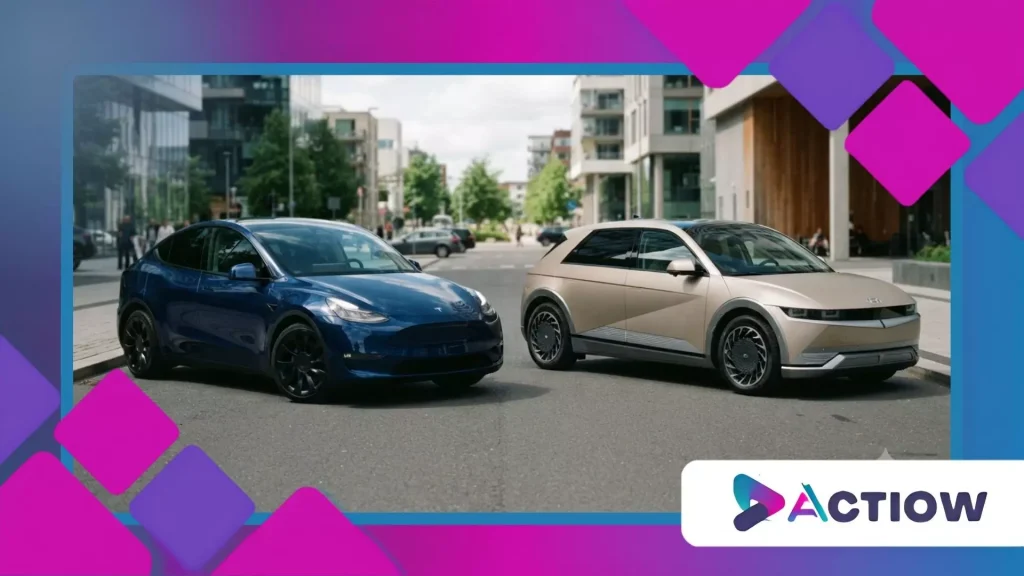
IL Tesla Model Y contro Hyundai Ioniq 5 La rivalità mette in luce due filosofie completamente diverse in materia di progettazione e realizzazione di veicoli elettrici moderni.
Tesla punta su un'estetica minimalista, centralizzando quasi tutti i comandi del veicolo su un'unica, enorme interfaccia touchscreen.
Questo approccio elimina gli elementi superflui, presentando un abitacolo futuristico che attrae fortemente gli appassionati di tecnologia e i guidatori che prediligono i software.
Al contrario, la Hyundai Ioniq 5 sfoggia un design pixelato retro-futuristico abbinato a una disposizione incentrata sul guidatore che conserva i pulsanti fisici per i principali comandi del climatizzatore.
L'abitacolo viene concepito come uno spazio abitativo aperto e modulare, piuttosto che come un laboratorio informatico su ruote.
Pensate alla scelta tra queste due opzioni come alla decisione tra una casa intelligente, elegante e completamente digitale e un loft moderno, ergonomico e brillantemente organizzato.
In che modo il design esterno influenza l'aerodinamica?
Tesla privilegia una silhouette aerodinamica a forma di goccia, progettata per massimizzare l'autonomia su strada riducendo al minimo assoluto i coefficienti di resistenza aerodinamica.
Hyundai opta per linee geometriche decise, cofani a conchiglia e luci a LED con effetto pixel che catturano l'attenzione a ogni incrocio.
Entrambe le forme raggiungono un'elevata efficienza, ma si adattano a gusti estetici diversi negli spazi pubblici.
++ Jeep Compass EV contro Peugeot E-3008: quale SUV elettrico ha un'autonomia maggiore?
Perché la disposizione delle cabine offre sensazioni così diverse?
Una volta seduti all'interno della Tesla, si nota un ampio tetto in vetro e una plancia sgombra, priva dei tradizionali strumenti dietro il volante.
La Hyundai risponde con due schermi da 12,3 pollici e una console centrale scorrevole che offre ai passeggeri anteriori la massima flessibilità.
Queste diverse configurazioni modificano completamente il modo in cui i conducenti interagiscono con la telemetria del veicolo durante i tragitti quotidiani.
Leggi anche: Toyota Prius contro Honda Insight: l'ibrida più efficiente per la guida quotidiana
I passeggeri posteriori possono aspettarsi lo stesso comfort?
Entrambi i modelli offrono un ampio spazio per le gambe, ma il pianale piatto e i sedili posteriori reclinabili della Hyundai le conferiscono un vantaggio per i passeggeri adulti nei lunghi viaggi.
La Tesla compensa con un enorme vano di carico posteriore e con la possibilità di avere una terza fila di sedili, ideale per le famiglie più numerose che necessitano occasionalmente di maggiore spazio.
La preferenza dei passeggeri in questo caso dipende interamente dal fatto che si dia priorità alla versatilità del carico o all'angolo di relax dei passeggeri della seconda fila.
Come si confrontano le prestazioni e la velocità di ricarica?
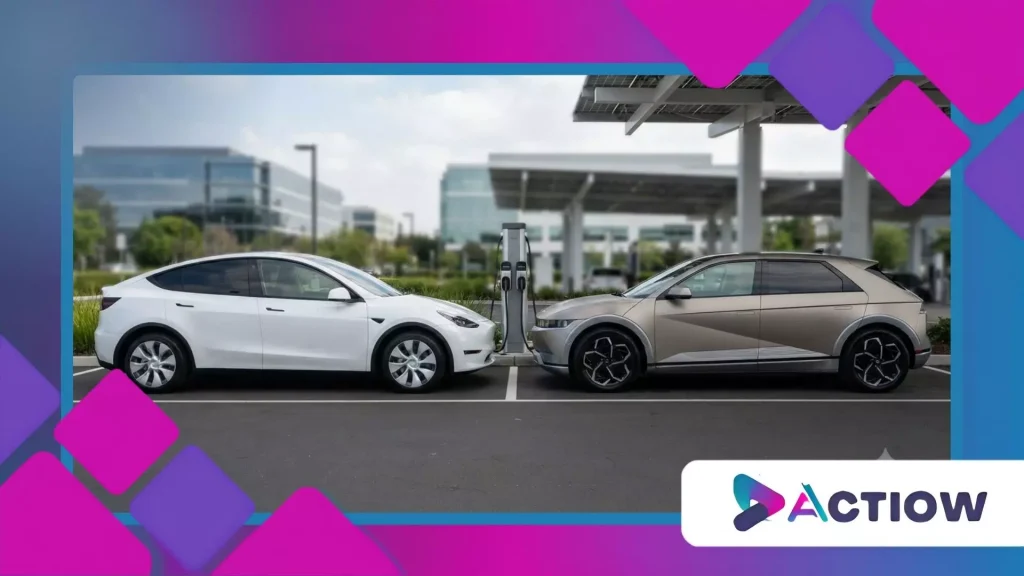
Metriche di prestazione per il Tesla Model Y contro Hyundai Ioniq 5 mettere in mostra impressionanti risultati ingegneristici su diverse piattaforme di tensione e configurazioni di motori.
La Hyundai utilizza un'architettura avanzata a 800 volt che consente una ricarica CC ultraveloce da 10% a 80% in circa 18-20 minuti.
Tesla risponde con la sua leggendaria rete Supercharger, che offre la comodità di collegare e ricaricare senza interruzioni in migliaia di stazioni distribuite lungo le autostrade.
La velocità di ricarica è come riempire un bicchiere d'acqua: mentre Tesla ti dà accesso alla rete di tubi da giardino più affidabile, Hyundai offre un tubo più ampio in grado di gestire carichi di potenza enormi all'istante.
Test effettuati sul campo dimostrano che l'efficienza dei viaggi su strada dipende spesso dall'infrastruttura del percorso piuttosto che dalle tariffe di ricarica di punta presso le stazioni compatibili da 350 kW.
Entrambi i veicoli eliminano l'ansia da autonomia, ma gestiscono le soste ai box su lunghe distanze attraverso percorsi tecnici nettamente differenti.
Per saperne di più: Tesla Model Y contro Kia EV6: quale SUV elettrico è migliore nel 2026?
Quali sono le opzioni di potenza in uscita?
I modelli base offrono efficienti configurazioni a motore singolo e trazione posteriore, pensate per massimizzare l'autonomia giornaliera per i pendolari attenti al budget.
Le varianti a doppio motore e trazione integrale raggiungono potenze superiori a 300 cavalli, offrendo un'accelerazione brillante paragonabile a quella delle auto sportive tradizionali.
Gli allestimenti con orientamento alle prestazioni si spingono ancora oltre, offrendo accelerazioni da capogiro che soddisfano gli appassionati di guida.
In che modo la regolazione delle sospensioni influisce sul comfort di guida?
La messa a punto di Tesla tende a privilegiare una guida più rigida e sportiva, che riduce al minimo il rollio della carrozzeria durante le curve affrontate in modo aggressivo su strade tortuose.
Hyundai adotta un assetto delle sospensioni più morbido e confortevole, in grado di assorbire buche e asfalti cittadini irregolari con una fluidità superiore.
La scelta dell'auto per tutti i giorni dipende dal fatto che si preferisca un'agilità fulminea o una guida confortevole e senza fatica in autostrada.
I sistemi di assistenza alla guida sono affidabili?
Le funzionalità Autopilot e Full Self-Driving di Tesla si basano interamente su sistemi di visione con telecamere per navigare autonomamente in ambienti di traffico complessi.
Hyundai integra la sua robusta suite di sicurezza SmartSense, che combina radar, telecamere e sensori a ultrasuoni per un mantenimento affidabile della corsia e un cruise control adattivo.
Entrambi i sistemi offrono un notevole sollievo in caso di traffico intenso, sebbene il loro funzionamento richieda la supervisione del conducente.
Perché l'integrazione tecnologica è importante nell'uso quotidiano?
Il dibattito in corso sul Tesla Model Y contro Hyundai Ioniq 5 Dipende in larga misura da come ciascun marchio gestisce l'integrazione con gli smartphone e la connettività digitale.
Tesla esclude completamente il supporto nativo per Apple CarPlay e Android Auto, costringendo i proprietari a utilizzare il suo ecosistema software proprietario e altamente ottimizzato.
Hyundai abbraccia la tecnologia di consumo offrendo Apple CarPlay e Android Auto senza fili e in modo integrato come equipaggiamento standard su tutti gli allestimenti.
Inoltre, la Hyundai è dotata di funzionalità Vehicle-to-Load (V2L), che trasforma l'auto in una power bank mobile in grado di alimentare direttamente elettrodomestici o attrezzature da campeggio.
Secondo i dati di mercato del settore automobilistico raccolti dagli analisti, le caratteristiche di connettività e di esportazione di energia influenzano notevolmente la scelta del primo veicolo elettrico da parte degli acquirenti più giovani.
Tesla contrasta questo problema con frequenti aggiornamenti di intrattenimento via etere, app di streaming video e piattaforme di gioco integrate per i momenti di inattività durante la sosta.
In che modo le interfacce utente influiscono sulla sicurezza?
Costringere i conducenti a dare una rapida occhiata a un touchscreen centrale per operazioni basilari come la regolazione del climatizzatore o il controllo della velocità può causare distrazioni momentanee.
Hyundai ovvia a questo problema mantenendo gli interruttori fisici e offrendo, come optional, un Head-Up Display che proietta i dati più importanti sul parabrezza.
Valutare questi aspetti ergonomici aiuta a determinare quale veicolo riduce al minimo il carico cognitivo durante la guida nel traffico intenso.
Che ruolo svolgono le app complementari per smartphone?
Entrambi i marchi offrono sofisticate applicazioni per dispositivi mobili che consentono di precondizionare la temperatura dell'abitacolo, bloccare le porte a distanza e monitorare istantaneamente lo stato di carica.
L'infrastruttura dell'app Tesla rimane il punto di riferimento in termini di velocità e affidabilità, raramente soggetta a ritardi di connessione o perdita di comandi.
L'app di Hyundai riproduce queste funzioni principali, aggiungendo al contempo opzioni di programmazione del climatizzatore più dettagliate, pensate appositamente per le fredde mattine invernali.
Gli aggiornamenti via etere possono prolungare la durata di vita di un veicolo?
I continui aggiornamenti software assicurano che entrambi i crossover migliorino nel tempo, aggiungendo nuove funzionalità e affinando l'efficienza operativa anche molto tempo dopo l'acquisto.
Tesla è stata la prima a introdurre questa filosofia, ma produttori storici come Hyundai hanno colmato il divario, implementando rapidi aggiornamenti digitali che migliorano i sistemi di gestione della batteria in modo trasparente.
Il tuo veicolo rimane sempre attuale e moderno, proteggendo il tuo investimento a lungo termine dalla rapida obsolescenza tecnologica.
Specifiche tecniche e confronto di mercato
La tabella seguente riporta le specifiche principali, le dimensioni e i parametri prestazionali che confrontano i due SUV elettrici in lizza per l'anno modello in corso.
| Caratteristica specifica | Tesla Model Y | Hyundai Ioniq 5 |
| Intervallo massimo EPA | Fino a 320 miglia (stimate) | Fino a 318 miglia (trazione posteriore) |
| Velocità di ricarica rapida in corrente continua | Potenze di picco fino a 250 kW | Architettura 800V (10%-80% in circa 20 minuti) |
| Mirroring dello smartphone | Nessuno (solo software proprietario) | Apple CarPlay e Android Auto wireless |
| Capacità di carico | Fino a 76 piedi cubi (volume massimo) | Da 26,3 a 58,5 piedi cubi |
| Da veicolo a carico (V2L) | Non disponibile direttamente dal produttore | Prese di corrente standard/opzionali disponibili |
Conclusione
Valutare il Tesla Model Y contro Hyundai Ioniq 5 presenta due eccezionali veicoli elettrici progettati per soddisfare profili di guida completamente diversi.
Scegli Tesla se apprezzi una vasta rete di Supercharger, un'integrazione tecnologica minimalista e la massima flessibilità di carico.
Scegli la Hyundai se preferisci la ricarica ultraveloce a 800 volt, i pulsanti di controllo fisici, i comodi sedili relax e la funzione di mirroring dello smartphone di serie.
Entrambe le opzioni rappresentano un esempio di mobilità elettrica moderna, garantendo che non si possa sbagliare a seconda delle proprie priorità. Quale SUV elettrico si adatta meglio alla tua routine di guida quotidiana? Condividi le tue opinioni ed esperienze nei commenti qui sotto!
Domande frequenti
Quale SUV elettrico offre una maggiore autonomia?
Entrambi i veicoli offrono autonomie massime comparabili, superiori a 300 miglia con una singola carica, a seconda del pacco batterie e della configurazione del motore scelti.
L'autonomia reale varia in base alle condizioni meteorologiche, allo stile di guida e alla velocità in autostrada, ma entrambi i modelli affrontano i lunghi viaggi su strada con assoluta sicurezza.
Posso ricaricare una Hyundai Ioniq 5 presso una stazione Supercharger Tesla?
Sì, i moderni veicoli elettrici Hyundai possono accedere alle stazioni Supercharger Tesla designate utilizzando adattatori compatibili, ampliando notevolmente la comodità di ricarica su strada durante i lunghi viaggi.
Prima di intraprendere viaggi lunghi, verificate sempre la compatibilità delle stazioni e i requisiti degli adattatori tramite il sistema di navigazione del vostro veicolo.
Entrambi i veicoli sono idonei per gli incentivi fiscali federali per i veicoli elettrici?
L'ammissibilità al credito d'imposta varia in base alle normative federali vigenti, ai luoghi di assemblaggio dei veicoli e alle linee guida per l'approvvigionamento dei componenti delle batterie, aggiornate annualmente.
Prima di finalizzare l'acquisto, verifica i requisiti per ottenere gli sconti previsti dai portali ufficiali degli incentivi governativi o consulta gli inventari delle concessionarie locali.