
10 sinais de que a bateria do seu carro pode falhar antes da chegada do inverno
Anúncios
A bateria de carro O fracasso costuma acontecer quando a temperatura no inverno cai drasticamente, congelando sua rotina matinal antes mesmo de começar.
Como especialistas do setor automotivo, acompanhamos de perto como os sistemas elétricos modernos exercem uma pressão sem precedentes sobre essas baterias, muito antes da primeira geada.
Os motoristas frequentemente culpam o clima frio por falhas repentinas nos veículos, mas os danos reais ocorrem durante as ondas de calor do verão.
Anúncios
Altas temperaturas aceleram a corrosão interna, drenando lentamente a vida útil do componente, sem que você perceba a crise iminente.
Principais indicadores em resumo
- As luzes de aviso: Alertas no painel de instrumentos sinalizando baixa tensão.
- O Mandíbula: Motor com partida lenta pela manhã.
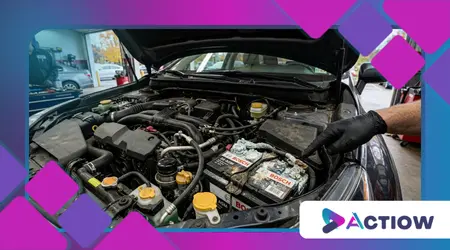
- Os elementos visuais: Carcaça inchada ou corrosão pulverulenta branca nos terminais.
- A cabana: Os faróis diminuem a intensidade quando os acessórios estão em funcionamento simultaneamente.
Por que o clima de inverno danifica o sistema elétrico do seu veículo?
Você já se perguntou por que os componentes automotivos parecem se deteriorar magicamente no exato momento em que a temperatura cai abaixo de zero?
A explicação baseia-se inteiramente em princípios químicos básicos, uma vez que as baixas temperaturas retardam as reações moleculares internas necessárias para liberar energia elétrica.
Segundo dados recentes da indústria automotiva da AAA, temperaturas de congelamento reduzem a potência de partida de uma bateria em aproximadamente 35%.
Simultaneamente, motores frios requerem até o dobro de energia para dar partida, porque o óleo do motor engrossa significativamente em baixas temperaturas.
Imagine tentar correr em meio à lama até a cintura enquanto respira por um canudinho; é exatamente assim que seu motor se sente em uma manhã congelante.
Essa dupla ameaça de redução da produção e demanda massiva de energia quebra instantaneamente componentes que já estavam estruturalmente comprometidos pelo calor do verão.
Os veículos modernos com telas de infoentretenimento complexas, bancos aquecidos e sensores avançados de segurança e assistência ao condutor duplicam essa carga elétrica no inverno.
Consequentemente, uma pequena degradação química que não causa problemas durante os dias amenos de outono se transforma em um desastre absoluto quando chega dezembro.
Como o calor enfraquece a unidade primeiro
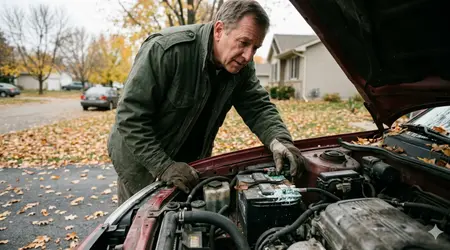
O calor do verão age como uma doença lenta e invisível dentro da capa protetora de plástico, evaporando eletrólitos líquidos vitais.
Essa perda de fluido expõe as placas internas de chumbo à degradação estrutural, acelerando a corrosão da grade, o que reduz permanentemente a capacidade total de armazenamento de energia.
Quando a folhagem de outono chegar, sua bateria poderá funcionar com apenas metade de sua capacidade operacional original.
Você não notará essa deficiência oculta enquanto as temperaturas ambientes permanecerem amenas, pois o motor gira sem esforço.
++ Como as películas de proteção para para-brisa reduzem os custos com danos ao vidro
Que alterações químicas ocorrem no interior?
Dentro da célula, placas de dióxido de chumbo reagem com ácido sulfúrico para gerar a corrente elétrica necessária para o motor de arranque.
O ar ambiente frio aumenta a resistência interna dessa mistura química, exigindo muito mais esforço para facilitar o movimento dos elétrons.
Quando os danos estruturais causados pelo verão encontram o aumento da resistência no inverno, a voltagem cai abaixo do limite crítico necessário para a ignição.
Essa queda repentina explica por que uma bateria automotiva aparentemente funciona perfeitamente na sexta-feira, mas descarrega completamente na manhã de segunda-feira.
Leia também: Como o desalinhamento do sensor ADAS leva a erros de condução inseguros
Como os acessórios aceleram as falhas
Acionar simultaneamente para-brisas aquecidos, aquecedores de assento e ventiladores da cabine cria uma demanda elétrica enorme que sobrecarrega o alternador.
Quando o sistema de carregamento tem dificuldades para suprir essa demanda, ele depende da célula de energia para preencher a lacuna estrutural.
Se o componente já estiver fraco, essa descarga profunda contínua esgota rapidamente qualquer vida útil restante que ele possua.
Isso cria um ciclo insustentável em que o veículo consome mais energia elétrica do que o sistema de carregamento consegue repor de forma realista.
Quais são os 10 sinais que identificam uma bateria de carro com defeito antes do inverno?
Identificando uma falha bateria de carro Requer observação cuidadosa de mudanças sutis no desempenho e na aparência física do veículo.
Identificar esses sinais de alerta precoce permite que você agende a substituição preventiva com tranquilidade, de acordo com suas próprias condições, em vez de esperar por um guincho de emergência.
1. Partida lenta do motor
Ao girar a chave de ignição, um som prolongado e lento de "rur-rur-rur" indica que o motor de arranque está recebendo amperagem elétrica insuficiente.
Esse comportamento de partida prolongada significa que a unidade tem dificuldade em manter a tensão de saída necessária sob uma carga mecânica pesada.
Se o seu veículo precisar de mais de três segundos para ligar com sucesso, a capacidade de armazenamento de produtos químicos está severamente reduzida.
Não ignore esse comportamento lento, pois ele representa o sinal de alerta mais comum antes de uma falha elétrica total.
2. Sons de clique ao ligar o motor
Ao girar a chave, ouvir apenas um estalo metálico rápido indica que o solenóide do motor de arranque não está acionando corretamente.
Isso acontece porque a carga elétrica é forte o suficiente para acionar o interruptor interno, mas fraca demais para girar o motor.
Esse sintoma específico confirma que, embora ainda exista alguma tensão residual, a corrente de partida a frio caiu abaixo dos níveis funcionais de um veículo automotivo.
Basicamente, seu veículo está lhe dizendo que sua fonte de energia principal está completamente esgotada.
3. Faróis fracos e eletrônicos internos
Faróis brilhantes que diminuem visivelmente a intensidade sempre que se fecham os vidros elétricos ou se ajusta o ventilador da cabine indicam suporte elétrico inadequado.
O sistema está com dificuldades para distribuir a energia de forma uniforme, forçando os componentes individuais a competirem por uma voltagem limitada.
Os displays de LED modernos podem piscar, reiniciar inesperadamente ou exibir breves mensagens de erro quando a tensão do sistema cai abaixo de doze volts.
Esse sintoma torna-se especialmente evidente durante os períodos de marcha lenta, quando o alternador gira mais lentamente e gera menos energia suplementar.
4. Luz de aviso de bateria acesa
O ícone de aviso no painel, com o formato de um pequeno bloco de Lego, é frequentemente mal interpretado pelos proprietários de veículos.
Esta luz do painel acende quando o computador de bordo detecta que a tensão do sistema caiu abaixo dos parâmetros ideais de funcionamento.
Embora ocasionalmente possa indicar uma falha no alternador, geralmente sinaliza um problema maior. bateria de carro que já não consegue manter a carga em segurança.
Considere esta luz indicadora acesa no painel como um alerta urgente para uma inspeção imediata do sistema elétrico.
5. Tripa inchada ou estufada
A inspeção física revela pistas cruciais sobre a saúde interna que os diagnósticos elétricos podem inicialmente não detectar em climas amenos.
O calor ambiente extremo faz com que as paredes externas planas de plástico da carcaça se curvem para fora, assemelhando-se a um balão inflado em excesso.
Essa deformação física indica que o calor excessivo fez com que os componentes internos inchassem e liberassem a pressão interna de forma perigosa.
Uma carcaça estruturalmente inchada é completamente irreversível e requer substituição imediata para evitar possíveis vazamentos de ácido.
6. Terminais corroídos e pulverulentos
O desenvolvimento de uma substância pulverulenta, crostosa, branca, azul ou verde ao redor dos terminais metálicos indica vazamento ácido crônico.
Esse acúmulo corrosivo age como um isolante elétrico, introduzindo uma resistência enorme no circuito de partida primário.
Mesmo que as células internas estejam saudáveis, essa corrosão severa impede que o alternador recarregue a unidade de forma eficiente durante a condução.
A limpeza dos terminais oferece uma solução temporária, mas o problema subjacente de ventilação geralmente indica um componente envelhecido.
7. Odor pungente de ovo podre
Sentir um odor forte, semelhante a enxofre e a ovos podres, ao redor do compartimento do motor, indica um problema elétrico grave.
Esse odor característico ocorre quando uma unidade antiga é sobrecarregada pelo veículo, fazendo com que a solução eletrolítica interna ferva.
Esse processo de ebulição libera gás sulfeto de hidrogênio tóxico pelas saídas de segurança, confirmando que a estrutura interna está superaquecendo criticamente.
Se você notar esse odor, estacione o veículo imediatamente ao ar livre para evitar o acúmulo de gases em garagens fechadas.
8. O Limiar de Idade de Quatro Anos
A maioria das células de energia automotivas instaladas de fábrica possui uma vida útil operacional ideal que varia entre três e cinco anos em condições normais de condução.
Após o veículo ultrapassar a marca de quatro anos, a probabilidade de uma falha repentina e inesperada aumenta exponencialmente.
Mesmo que seu carro ligue sem problemas hoje, as placas de chumbo internas sofreram degradação química irreversível ao longo desses quarenta e oito meses.
A realização de testes preventivos nessa fase da vida é a maneira mais inteligente de evitar emergências na estrada durante o inverno.
9. Problemas intermitentes de partida
Um veículo que liga perfeitamente na terça-feira, recusa-se a dar partida na quarta-feira, mas funciona bem na quinta-feira, apresenta falha intermitente.
Esse comportamento frustrante geralmente indica conexões internas da placa soltas, que se deslocam ligeiramente conforme o veículo vibra durante a viagem.
Isso também pode indicar que a unidade não consegue mais manter uma carga consistente quando estacionada por mais de doze horas.
Esse desempenho errático comprova que a química interna se tornou completamente instável e não confiável.
10. Vulnerabilidade ao consumo parasitário de energia
As baterias mais antigas perdem sua resistência a pequenos consumos elétricos, como deixar uma luz interna acesa durante a noite.
Uma unidade saudável sobrevive facilmente a pequenas descargas, mas uma célula degradada descarregará completamente em poucas horas.
Se você perceber que seu veículo precisa de uma recarga na bateria após ficar parado durante um fim de semana inteiro, significa que a capacidade da bateria está esgotada.
A unidade já não possui energia de reserva suficiente para compensar o funcionamento natural e constante em modo de repouso dos sistemas eletrônicos dos carros modernos.
Indicadores de saúde da bateria
A tabela de referência a seguir detalha as métricas estruturais utilizadas por técnicos profissionais para avaliar o estado operacional real durante inspeções multiponto.
| Leitura de tensão | Percentagem de cobrança | Ação necessária |
| 12,6 V ou superior | 100% | Saudável / Nenhuma ação necessária |
| 12,4 V | 75% | Aceitável / Verificar novamente antes do inverno |
| 12,2V | 50% | Bateria fraca / Carregue e teste novamente |
| 12,0 V ou menos | 0% | Dispensado / Substituição imediata |
Por que a manutenção preventiva no outono é melhor do que o reboque de emergência no inverno?
Esperar pela falha total de um componente garante que você eventualmente enfrentará uma pane estressante pela manhã, em condições climáticas congelantes e miseráveis.
A substituição proativa no outono permite que você pesquise preços competitivos, selecione marcas de alta qualidade e conclua a instalação com segurança e de acordo com sua conveniência.
Além disso, um moribundo bateria de carro força o alternador a trabalhar continuamente em capacidade máxima para compensar o déficit de tensão.
Essa carga de trabalho desnecessária gera calor interno extremo que pode destruir prematuramente o caro mecanismo do alternador.
Investir em uma breve verificação de voltagem de dez minutos durante o mês de outubro economiza centenas de dólares em reparos secundários e taxas de reboque de emergência.
Em última análise, controlar o cronograma de manutenção do seu veículo garante tranquilidade quando o inverno inevitavelmente chegar.
Você notou algum desses sinais de alerta em seu veículo recentemente? Compartilhe suas experiências ou dicas de manutenção nos comentários abaixo para ajudar outros motoristas a se prepararem para a chegada do frio!
Perguntas frequentes
Como posso verificar a saúde da minha bateria em casa?
Você pode medir a tensão em repouso usando um multímetro digital conectado diretamente aos terminais com o motor desligado.
Uma unidade em bom estado deve registrar pelo menos 12,6 volts para confirmar a capacidade de carga química adequada.
Dirigir em curtas distâncias prejudica a bateria do meu carro?
Sim, fazer viagens frequentes com duração inferior a dez minutos impede que o alternador recupere totalmente a energia consumida durante a ignição do motor.
Com o tempo, esse padrão de condução leva à subcarga crônica e acelera a sulfatação interna da placa.
Devo substituir a bateria preventivamente antes do inverno?
Se o seu componente tiver mais de quatro anos ou apresentar algum dos sinais de alerta listados acima, a substituição preventiva é altamente recomendada.
As temperaturas de inverno expõem drasticamente quaisquer fragilidades químicas ocultas, causando falhas inconvenientes na estrada.