
Por que os telhados de vidro eletrocrômico estão ganhando popularidade rapidamente?
Anúncios
Telhados de vidro eletrocrômico estão transformando o design automotivo moderno ao oferecer controle solar dinâmico com o simples toque de um botão.
Os motoristas em mercados globais exigem conforto superior na cabine sem sacrificar a sensação de espaço aberto proporcionada pelos tradicionais painéis de vidro panorâmicos.
Os tradicionais quebra-sóis mecânicos adicionam peso e complexidade mecânica indesejáveis, enquanto a tecnologia de vidro inteligente elimina completamente as peças móveis.
Anúncios
Em 2026, os engenheiros automotivos priorizam agora a transparência arquitetônica ajustável para atender aos rigorosos padrões de eficiência aerodinâmica e térmica.
A integração de sistemas inteligentes de sombreamento em veículos modernos reduz significativamente a necessidade de ar condicionado durante os meses de calor intenso do verão.
Os passageiros desfrutam de vistas desobstruídas do céu estrelado à noite, evitando o brilho intenso do meio-dia sem intervenção manual.
Este salto tecnológico alia elegância estética com gestão ambiental de alto desempenho no interior da cabine.
Está pronto para vivenciar a próxima evolução em luxo automotivo e conforto térmico?
Explorando as inovações inteligentes para cabines
- Entendendo os princípios eletroquímicos que impulsionam o vidro moderno de transparência variável.
- Avaliação da regulação térmica da cabine e dos ganhos de eficiência energética em veículos elétricos.
- Comparação entre protetores solares mecânicos tradicionais e painéis inteligentes de estado sólido de última geração.
- Analisando as tendências de fabricação que moldam as futuras opções de veículos de luxo.
O que são telhados eletrocrômicos e como funcionam?
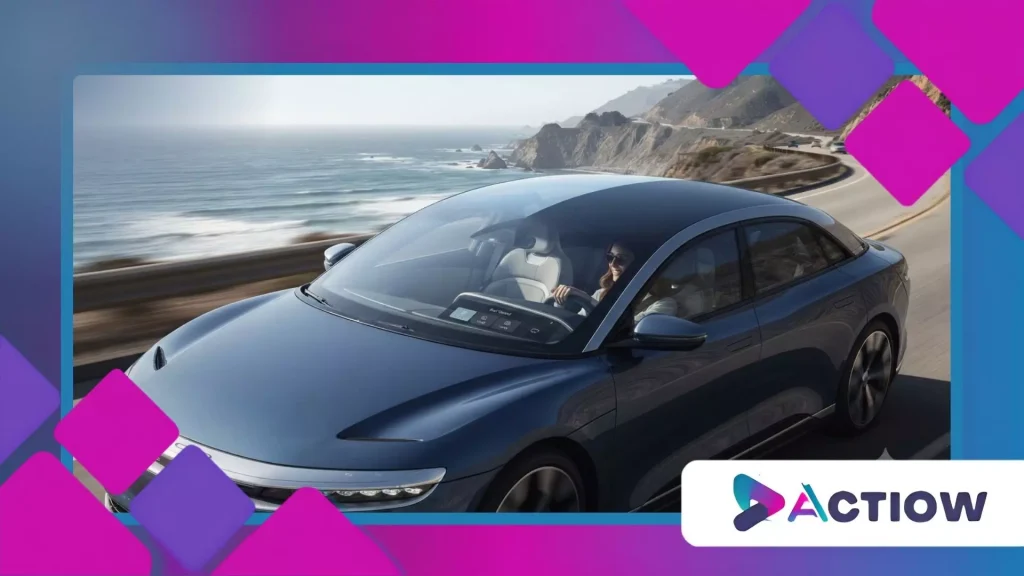
Telhados de vidro eletrocrômico Utilizam revestimentos avançados de óxido metálico multicamadas, intercalados entre placas de vidro, para alterar dinamicamente a transmissão de luz.
A aplicação de uma corrente elétrica minúscula faz com que os íons de lítio migrem pelas camadas internas, escurecendo instantaneamente o vidro ou tornando-o completamente transparente.
Imagine esse processo como óculos de sol eletrônicos integrados diretamente na estrutura superior do seu veículo.
Quando estacionado sob a luz solar intensa, o vidro absorve a radiação infravermelha, mantendo o interior notavelmente fresco.
Dados da indústria publicados pela BloombergNEF destacam que as taxas de adoção de vidros inteligentes em veículos de passageiros de luxo aumentaram mais de 40% desde o ano passado.
Esse rápido crescimento decorre da demanda do consumidor por integração digital perfeita e recursos de conforto premium em todas as condições de direção.
As inovações na fabricação continuam a reduzir os custos de produção, tornando os painéis de transparência variável acessíveis além dos segmentos de veículos de ultraluxo.
As equipes de engenharia se concentram bastante nos tempos de resposta, garantindo que o vidro mude de estado em segundos.
Como a voltagem controla a intensidade da cor?
A aplicação de uma baixa tensão CC direciona íons carregados através de camadas especializadas de óxido de tungstênio, alterando instantaneamente o índice de refração e a opacidade.
Inverter a polaridade limpa completamente o vidro, oferecendo máxima transparência em dias nublados.
Esse controle elétrico preciso concede aos usuários domínio absoluto sobre a atmosfera pessoal de sua cabine.
++ Os melhores aplicativos para aprender a dirigir
Por que os materiais de estado sólido melhoram a durabilidade?
Os eletrólitos modernos de estado sólido substituem as fórmulas de gel líquido mais antigas, eliminando os riscos de degradação causados pela intensa exposição aos raios ultravioleta ao longo de anos de uso.
Essas ligações químicas robustas resistem a ciclos térmicos extremos sem perder a eficiência de comutação ou desenvolver manchas de descoloração desagradáveis.
A confiabilidade continua sendo um dos principais argumentos de venda para proprietários de veículos com alta quilometragem.
Leia também: Como as baterias de estado sólido podem mudar os carros elétricos em 2026
Qual o papel dos revestimentos condutores?
Camadas transparentes de óxido condutor atuam como fios microscópicos invisíveis, distribuídos uniformemente por toda a superfície do vidro.
Distribuem as cargas elétricas uniformemente, evitando manchas e garantindo transições de cores suaves e sincronizadas de uma extremidade à outra.
Técnicas avançadas de deposição de película tornam essas camadas de alta tecnologia completamente invisíveis aos olhos humanos.
Por que as montadoras estão substituindo persianas mecânicas por vidros inteligentes?
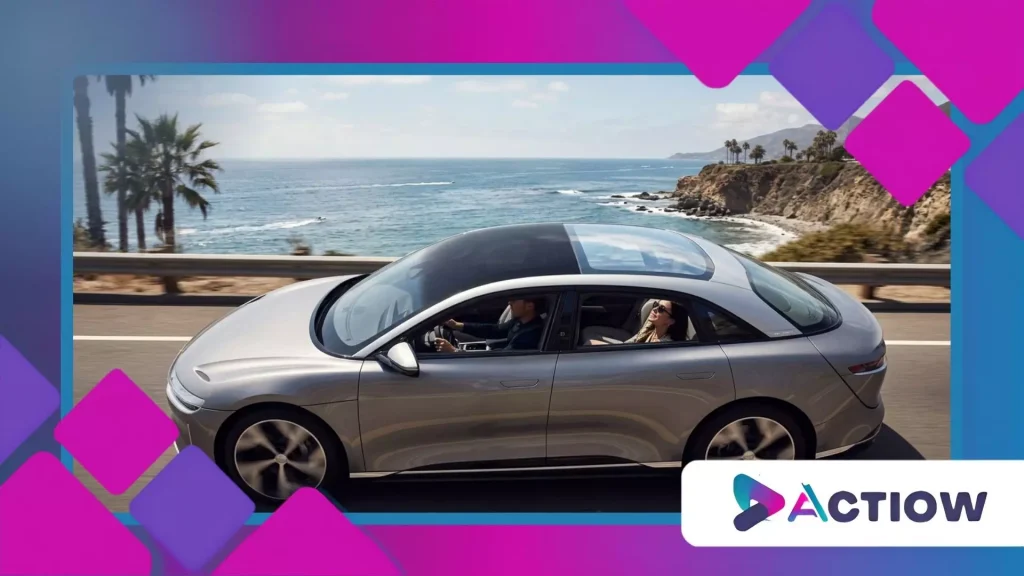
Telhados de vidro eletrocrômico Eliminar cassetes mecânicas pesadas, toldos de tecido volumosos e motores de trilho complexos que são propensos a falhas mecânicas dispendiosas ao longo do tempo.
A remoção desses componentes internos do teto libera espaço crítico para a cabeça dentro da cabine, além de reduzir significativamente o peso total do veículo.
Veículos mais leves alcançam maior autonomia da bateria e melhor dinâmica de condução, satisfazendo tanto os defensores da eficiência quanto os entusiastas da direção.
As persianas mecânicas tradicionais parecem antiquadas em comparação com o apelo elegante e minimalista de uma cobertura inteligente ativada por botão.
Imagine um cenário prático de deslocamento diário: dirigir para casa durante um pôr do sol escaldante não exige mais parar para ajustar capas de tecido manuais e incômodas.
Um simples toque na tela sensível ao toque central do sistema de infoentretenimento escurece instantaneamente o teto de vidro, protegendo seus olhos do brilho ofuscante.
Essa experiência de usuário descomplicada define o ápice da conveniência automotiva moderna e da engenharia de interiores intuitiva.
Os compradores de veículos de luxo esperam tecnologia que antecipe suas necessidades de forma integrada.
Leia mais: Como os espelhos retrovisores digitais melhoram a visibilidade no trânsito.
Quanto peso se economiza ao remover os protetores solares?
A eliminação de cortinas de tecido, trilhos metálicos e motores suspensos permite economizar até quinze quilos de peso morto na estrutura superior do veículo.
A redução do centro de gravidade do veículo melhora a estabilidade em curvas e o desempenho geral de segurança em colisões durante manobras repentinas.
Os ganhos de eficiência se traduzem diretamente em maior autonomia para frotas de veículos elétricos.
Por que o espaço livre na cabine é crucial para os passageiros?
Recuperar cinco centímetros de espaço vertical transforma os assentos traseiros apertados em ambientes espaçosos e confortáveis para passageiros altos.
Sem a necessidade de compartimentos mecânicos volumosos escondidos no forro do teto, os projetistas desfrutam de uma liberdade sem precedentes no layout da cabine.
Cada milímetro economizado aumenta a sensação geral de amplitude e leveza.
Como os telhados inteligentes melhoram a eficiência energética?
A rejeição ativa do calor solar reduz a carga de trabalho dos compressores de ar condicionado automotivos durante os picos de calor do verão.
A autonomia dos veículos elétricos é bastante afetada pelo uso do ar-condicionado, tornando o vidro térmico inteligente uma ferramenta eficaz para aumentar a autonomia.
O sistema inteligente de sombreamento mantém as temperaturas internas estáveis sem descarregar as baterias de alta voltagem.
Quais são as vantagens ambientais e de conforto?
telhados de vidro eletrocrômico Proporcionam uma rejeição excepcional de raios ultravioleta e infravermelhos, bloqueando a radiação solar prejudicial e, ao mesmo tempo, mantendo os níveis naturais de iluminação ambiente interior.
Os passageiros desfrutam de ambientes de cabine luminosos e alegres, sem sofrer com o efeito estufa típico dos painéis de vidro convencionais.
Estudos dermatológicos confirmam que o bloqueio de mais de 99% dos raios UV protege os ocupantes de danos à pele a longo prazo durante viagens rodoviárias longas.
Sustentabilidade e bem-estar pessoal se fundem harmoniosamente nesses sistemas avançados de envidraçamento arquitetônico.
Analistas de mercado preveem que a tecnologia de vidro inteligente se tornará equipamento padrão em todas as linhas de veículos elétricos convencionais antes do final da década.
Com o aumento da produção e a redução dos custos dos materiais, os passageiros do dia a dia poderão desfrutar de recursos antes reservados apenas para modelos de luxo feitos sob medida.
As normas de conformidade ambiental recompensam os fabricantes que integram soluções de gestão térmica com economia de energia no projeto dos veículos.
Adotar o vidro inteligente não é mais apenas uma questão de luxo; trata-se de engenharia inteligente para um futuro sustentável.
Como a proteção UV protege os materiais da cabine?
A exposição contínua ao sol causa rachaduras nos plásticos do painel, desbota o estofamento de couro e deteriora os detalhes delicados do acabamento interno ao longo de muitos anos de uso.
A blindagem eletrocrômica bloqueia completamente os raios ultravioleta nocivos, preservando o interior do veículo em perfeitas condições durante toda a sua vida útil.
Essa barreira protetora resguarda seu investimento financeiro em um produto automotivo de alta qualidade.
Por que o controle da iluminação ambiente é importante?
A tecnologia de escurecimento dinâmico permite que os motoristas personalizem os níveis de brilho interno de acordo com seu humor pessoal e as condições climáticas externas.
Os deslocamentos matinais ensolarados proporcionam uma sensação de amplitude e energia, enquanto as viagens de carro à noite se beneficiam da transparência suave e calmante da iluminação superior.
O controle personalizado da iluminação melhora o conforto geral dos passageiros em viagens longas.
Que tipo de manutenção os painéis inteligentes exigem?
Ao contrário dos tetos solares mecânicos que exigem lubrificação periódica dos trilhos e limpeza das vedações, os painéis de vidro eletrocrômico não necessitam de nenhuma manutenção mecânica.
A lavagem padrão dos vidros externos mantém o sistema funcionando perfeitamente durante toda a vida útil do veículo.
Os baixos custos de manutenção são um grande atrativo tanto para operadores de frotas pragmáticos quanto para proprietários privados.
Matriz comparativa de tecnologias para telhados suspensos
A tabela estruturada abaixo compara o vidro panorâmico tradicional, os telhados mecânicos com proteção solar e os modernos sistemas de envidraçamento inteligente.
| Tecnologia de telhado | Impacto do peso | Necessidades de manutenção | Eficiência térmica | Comodidades para os passageiros |
| Vidro panorâmico tradicional | Moderado | Limpeza de vidros padrão | Ruim (Alta transferência de calor) | Baixa (Transparência fixa) |
| Cobertura com proteção solar mecânica | Pesado | Alto (trilhos e motores) | Moderado (Depende do tecido) | Médio (Manual ou motorizado) |
| Sistema de envidraçamento inteligente | Mínimo | Sem necessidade de manutenção mecânica. | Excelente (Bloqueador solar ativo) | Alto (Controle instantâneo por toque) |
Abraçando o futuro do design automotivo inteligente
A rápida adoção de telhados de vidro eletrocrômico Isso demonstra que os motoristas modernos se recusam a fazer concessões entre luz natural e conforto térmico.
Ao eliminar o volume mecânico, aumentar a eficiência energética e proporcionar escurecimento ajustável instantâneo, o vidro inteligente redefine a experiência moderna em cabines de veículos.
As montadoras que adotarem essa tecnologia liderarão o mercado em luxo, sustentabilidade e inovação em design intuitivo.
Analise a sua próxima escolha de veículo para garantir que ele possua o que há de mais moderno em vidros arquitetônicos inteligentes.
Como seu veículo atual lida com a forte luz solar e o calor na cabine durante viagens rodoviárias no verão? Compartilhe suas ideias nos comentários abaixo!
Perguntas frequentes
Com que rapidez o vidro eletrocrômico muda de transparente para colorido?
A maioria dos painéis eletrocrômicos automotivos modernos alterna entre os estados claro e escuro em um período de trinta a sessenta segundos após receber um comando elétrico.
A velocidade exata de transição depende do tamanho do painel, da temperatura e da formulação química específica da película inteligente.
O teto solar inteligente consome energia da bateria quando o veículo está estacionado?
Não, o vidro eletrocrômico requer corrente elétrica apenas durante a mudança ativa de estado, de transparente para escuro ou vice-versa.
Uma vez atingido o nível de tonalidade desejado, o consumo de energia para manter esse estado óptico indefinidamente é zero.
Os telhados de vidro eletrocrômico resistem a granizo e impactos severos?
Sim, esses telhados são construídos com vidro laminado de segurança projetado para resistir a impactos climáticos severos, lascas de pedra e detritos pesados de tempestades sem se estilhaçar.
As películas inteligentes internas são seladas com segurança entre painéis de vidro externos de alta resistência para máxima proteção.