
Como o Ford Mustang criou o segmento dos pony cars
Anúncios
Ford Mustang historical evolution redefined the global automotive landscape on April 17, 1964, when Lee Iacocca unveiled a sleek, affordable sports coupe that sparked an immediate cultural phenomenon.
Designed specifically to captivate the surging baby boomer generation, this groundbreaking vehicle smashed industry sales records by securing over 418,000 orders in its initial production year alone.
By combining long-hood, short-deck proportions with accessible pricing, Detroit established an entirely new blueprint for personal performance cars.
Anúncios
This journalistic deep dive explores how strategic engineering, visionary marketing, and cultural timing birthed the pony car segment, permanently altering how global drivers perceive automotive style, freedom, and accessibility.
What You Will Discover in This Article
- The Dawn of the Pony Car: How market research and youthful demographics created a brand-new vehicle classification.
- Engineering and Design Blueprint: The formula of an elongated hood, compact deck, and affordable manufacturing mechanics.
- Rivalry and Legacy: How competitors rushed to answer Detroit’s new benchmark, creating a timeless automotive icon.
What Is the Origin of the Pony Car Movement?
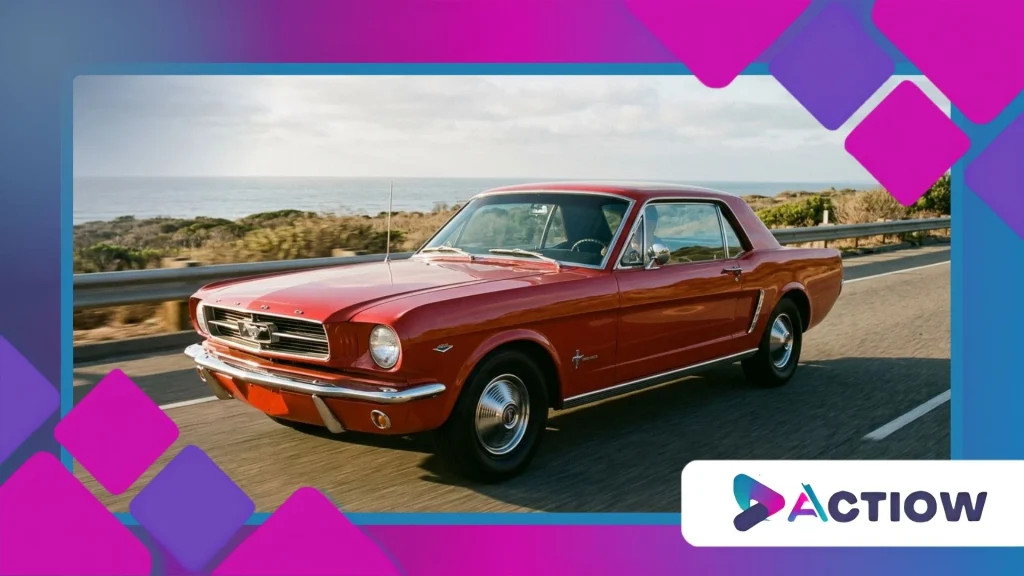
Why Did Detroit Need a New Vehicle Category in 1964?
Prior to the mid-1960s, the American car market offered a stark choice between bulky family sedans and expensive foreign sports cars.
Henry Ford II and executive manager Lee Iacocca recognized that millions of young consumers entering the workforce demanded stylish performance without financial hardship.
The classic Ford Mustang satisfied this urgent consumer desire by pairing youthful, athletic styling with proven, low-cost mechanical components borrowed from the Falcon sedan.
By carefully listening to shifting demographic trends, Detroit created an affordable dream machine that appealed equally to college students, young professionals, and suburban families seeking excitement.
The sudden arrival of this lightweight coupe reshaped consumer expectations overnight across dealership showrooms nationwide.
Standard auto manufacturing previously relied on heavy steel bodies and massive engines to project prestige, but youth culture shifted priorities toward agility and personalization.
Iacocca’s team understood that emotional resonance mattered just as much as functional transportation in post-war America.
This structural market realignment forced traditional domestic automakers to abandon conservative styling guidelines and embrace lightweight, sporty vehicle architectures designed specifically for modern highway driving experiences.
How Did Lee Iacocca Execute the Vision?
Executing this massive manufacturing shift required an unprecedented blend of corporate daring, strict cost management, and brilliant marketing strategy.
Iacocca kept retail pricing right around $2,368 by leveraging existing production lines while investing heavily in aggressive nationwide advertising campaigns.
The massive marketing push included simultaneous cover features on major publications alongside prime-time television commercials that aired simultaneously across multiple networks.
By making the car feel exclusive yet fully accessible, Ford generated overwhelming foot traffic at local dealerships across North America during the official launch weekend.
Beyond mere publicity stunts, the strategic genius lay in offering an extensive options list that allowed every customer to customize their ride.
Buyers could order a fuel-efficient six-cylinder commuter or upgrade to a thundering V8 performance package with premium bucket seats.
This personalized approach turned buying a car into a personal statement of individual identity rather than a dull utility transaction.
The structural success of this tailored purchasing experience permanently changed how automakers packaged option groups for decades to come.
How Did Design and Engineering Define the Segment?
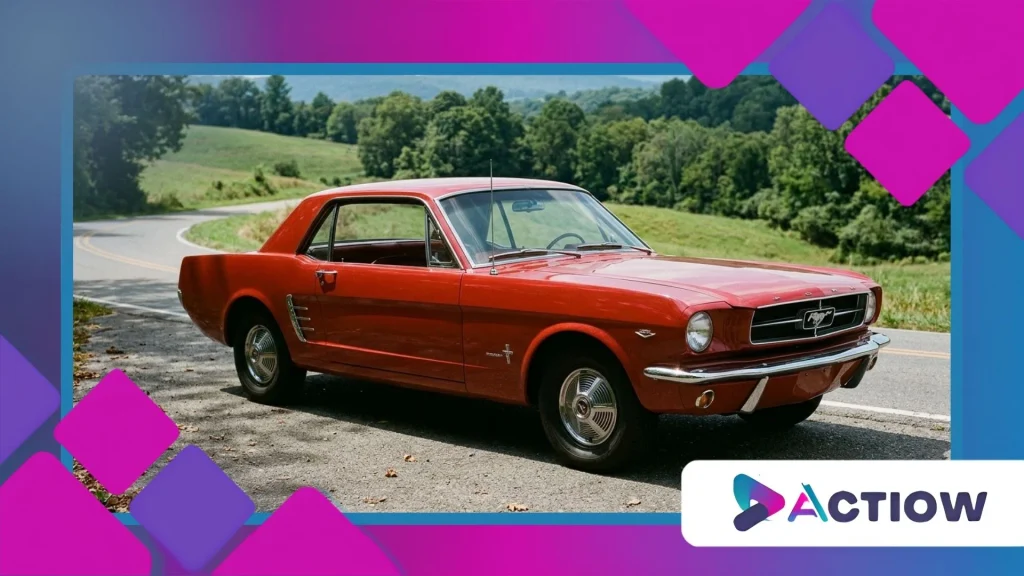
What Made the Design Proportions So Revolutionary?
The visual silhouette of the original pony car established iconic design rules that remain relevant in contemporary automotive studios today.
Featuring a dramatically elongated hood paired with a compact rear deck, the car looked fast even when parked motionless at a curb.
Designers like Gale Halderman crafted long sweep lines and an aggressive front grille featuring a galloping horse emblem instead of a traditional corporate crest.
This distinctive visual identity immediately separated the coupe from ordinary family haulers on American roads.
Driving this sleek coupe felt like piloting a customized race car compared to the heavy steering of contemporary full-size sedans.
Think of the vehicle as an energetic, tailor-made leather jacket in a sea of generic wool suits; it provided instant style and personality without requiring custom pricing.
The clever packaging maintained comfortable seating for four passengers while preserving compact exterior dimensions ideal for city navigation.
This functional aesthetic balance set the structural standard for every competitor attempting to enter the sporty compact market segment.
Leia também: Honda WN7: por que esta premiada motocicleta elétrica é importante globalmente agora
How Did Manufacturing Efficiency Keep Prices Low?
Underneath the striking sheet metal resided familiar, high-volume mechanical components engineered to maximize reliability while minimizing production costs.
The unibody chassis utilized heavy parts from the compact Falcon line, including front suspension assemblies, drum brakes, and manual transmission layouts.
By avoiding the massive capital expenditure of a totally custom platform, Ford recovered its initial tooling costs in less than five months.
This remarkable financial efficiency proved that high-style sports cars could generate massive profit margins when manufactured intelligently.
According to historical data from the Automotive Hall of Fame, Ford sold over one million units within 34 months of introduction, setting an industry record.
This staggering volume proved that mass production technique and emotional design could coexist profitably.
The mechanical simplicity also allowed shade-tree mechanics and performance enthusiasts to modify their engines easily, laying the foundation for a massive aftermarket industry.
Performance tuners like Carroll Shelby soon elevated the platform into a legitimate racing contender on international circuits.
Why Did Competitors Rush to Build Pony Cars?
How Did Rivals Answer the Challenge?
The explosive market reception sent rival Detroit automakers into a chaotic scramble to develop their own competing vehicles.
General Motors quickly rushed the Chevrolet Camaro and Pontiac Firebird to market by 1967, while Chrysler expanded the Plymouth Barracuda line and introduced the Dodge Challenger.
This rapid corporate response validated the creation of an entirely new vehicle class characterized by long hoods, short decks, and accessible V8 power options.
The fierce showroom battles of the late 1960s elevated performance standards and accelerated technological innovation across the entire domestic auto industry.
The resulting competition created a golden era of muscle and pony cars, driving innovation in suspension tuning, engine displacement, and aerodynamics.
Every major brand sought to capture a share of the lucrative youth market by offering specialized graphics packages, hood scoops, and high-output engines.
The competition extended from suburban drag strips straight to professional Trans-Am racing circuits, where factory-backed teams fought for Sunday victories to boost Monday dealership sales.
This aggressive rivalry permanently cemented sporty coupes into global automotive lore.
Leia mais: Veículos menores estão se tornando mais populares nas cidades.
What Is the Lasting Global Legacy of the Pony Car?
Over six decades later, the iconic Ford Mustang remains in continuous production, outlasting virtually all of its original 1960s rivals.
While muscle car trends faded during fuel crises and regulatory shifts, the core pony car philosophy adapted to modern safety standards, EcoBoost turbocharging, and advanced suspension technology.
Modern iterations continue to export American performance culture worldwide, proving the enduring appeal of accessible style and dynamic rear-wheel-drive driving dynamics.
The fundamental formula established in 1964 continues to inspire contemporary automotive design teams navigating the transition to electric mobility.
By blending nostalgic design cues with cutting-edge performance technology, automakers preserve the emotional connection between driver and machine.
As long as drivers seek affordable excitement and expressive style, the fundamental spirit of the original pony car will shape roadway culture across the globe.
Comparative Evolution of the Pony Car Segment
| Historical Era | Key Model Highlights | Primary Engine Options | Cultural & Market Impact |
| First Generation (1964.5–1973) | Original Notchback, Fastback, Shelby GT350 | 170 cu in I6 to 429 cu in Cobra Jet V8 | Established the pony car segment; broke single-year sales records nationwide. |
| Second Generation (1974–1978) | Mustang II, King Cobra | 2.3L I4, 2.8L V6, 302 cu in V8 | Shifted focus to fuel economy, smaller dimensions, and emissions compliance. |
| Third Generation (1979–1993) | Fox Body, GT, SVT Cobra | 2.3L Turbo I4, 3.8L V6, 5.0L High Output V8 | Revived performance culture; became a legendary platform for drag racing and tuning. |
| Fourth Generation (1994–2004) | SN95, New Edge, Cobra R | 3.8L V6, 4.6L Modular V8, 5.4L DOHC V8 | Modernized aerodynamics, safety systems, and independent rear suspension options. |
| Fifth & Sixth Gen (2005–2023) | S197, S550, Mach 1, GT500 | 3.7L V6, 2.3L EcoBoost, 5.0L Coyote V8 | Global export expansion, retro-futuristic styling, track-focused handling upgrades. |
| Seventh Generation (2024–Present) | S650, Dark Horse, GTD | 2.3L EcoBoost I4, 5.0L Gen-4 Coyote V8 | Digital cockpit integration, high-performance track variants, modern muscle icon. |
What Is the Future of Modern Performance?
Preserving iconic heritage while embracing modern engineering challenges defines the ongoing evolution of sports coupes in today’s digital era.
The contemporary Ford Mustang balances traditional V8 internal combustion option packages with advanced track-tested electronics and eco-conscious powertrain developments.
Drivers now enjoy track apps, active exhaust systems, and adaptive magnetic ride control while retaining the classic visceral exhaust rumble that defined American performance culture six decades ago.
As the industry transitions toward electrification and digital connectivity, the foundational spirit of affordable freedom remains more relevant than ever.
Automakers that honor their historical roots while pushing technological boundaries continue to inspire passionate owner communities across the globe.
Whether powered by high-octane gasoline or electric battery packs, the core promise of expressive style, accessible power, and open-road adventure ensures that the pony car legacy will continue driving into the future.
If you enjoyed this historical deep dive, share your thoughts and personal car stories in the comments below!
Perguntas frequentes
What is the difference between a pony car and a muscle car?
A pony car is generally smaller, lighter, and places a strong emphasis on sporty handling, stylish design, and affordable base pricing.
A muscle car is typically a mid-sized family car fitted with an oversized, high-displacement V8 engine primarily built for straight-line drag racing speed.
Who came up with the name “pony car”?
Automotive writer and editor Dennis Shattuck, who served as editor of Car Life magazine in the 1960s, is widely credited with coining the term “pony car” to describe the new vehicle class inspired by the galloping horse emblem.
Did the Mustang use a completely new platform in 1964?
No, to keep production costs low and retail prices affordable, engineers built the original model using modified structural components, suspension parts, and drivetrains adapted from the compact Ford Falcon sedan.
How many units were sold in its first year?
Ford initially projected sales of around 100,000 units annually, but the vehicle proved so popular that over 418,000 units were sold in its first 12 months on the market, setting a historic sales record.
Why is the 1964 model often called a 1964 and a half?
Because production began early in March 1964 before official autumn model-year rollouts, enthusiasts refer to these early cars built before August 1964 as “1964.5” models, even though Ford officially titled them all as 1965 vehicles.
