
How Driving Habits Influence Vehicle Longevity
Anúncios
Driving habits influence vehicle longevity more directly than almost any factory warranty, dealership service package, or aftermarket additive available on the market today.
Modern automobiles and motorcycles built for the roads of 2026 come packed with advanced thermal management systems, sophisticated onboard diagnostics, and durable alloys engineered to endure hundreds of thousands of miles.
Yet mechanical resilience still bows to daily human behavior behind the wheel or handlebars. Every cold start, sudden brake application, and high-rpm gear shift leaves a microscopic signature on internal components.
Anúncios
Understanding how your daily routines either preserve or slowly dismantle your machine separates drivers who enjoy trouble-free motoring for fifteen years from those facing catastrophic repair bills before the loan ends.
According to 2026 fleet maintenance data analyzed by automotive engineering analysts at the Society of Automotive Engineers (SAE), aggressive driving behaviors reduce average powertrain and drivetrain lifespans by up to 32 percent compared to smooth, anticipatory operation.
Treat your vehicle like an elite marathon runner rather than a sprinter forced into cold, violent bursts of speed, and the mechanical payoff will compound year after year.
What You Will Discover in This Guide:
- How cold starts, aggressive acceleration, and short trips quietly degrade modern engines and transmissions.
- Why braking patterns, pothole impacts, and tire pressure neglect destroy suspension geometry and wheel bearings.
- The hidden electrical and thermal stress placed on hybrid, electric, and internal combustion powertrains in 2026.
- A complete comparison table mapping common daily driving mistakes to component wear and long-term repair costs.
- Direct answers to the most frequently asked questions about extending the working life of your car or motorcycle.
Why Do Everyday Driving Routines Matter More Than Ever in 2026?
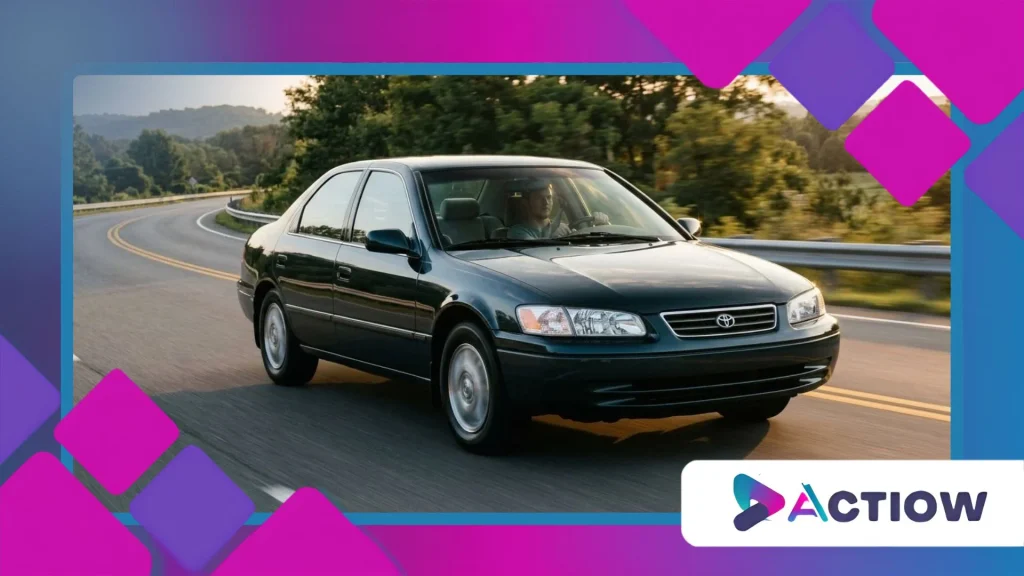
How Does Cold-Start Acceleration Damage Modern Engines?
Driving habits influence vehicle longevity from the exact second you press the ignition button on a chilly morning.
While modern synthetic oils flow faster than older mineral lubricants, engine oil still settles in the oil pan overnight, leaving upper valvetrain components, turbocharger bearings, and cylinder walls with only a thin residual film.
Revving a cold engine above 3,000 RPM before oil reaches operating temperature forces metal surfaces to grind under boundary lubrication conditions, accelerating piston ring wear and scoring cylinder liners.
Consider the real-world case of a commuter driving a turbocharged compact crossover five miles to a train station every winter morning without allowing thirty seconds of gentle idle or keeping speeds moderate for the first three miles.
Within 55,000 miles, diluted fuel slipping past cold piston rings contaminates the crankcase oil, leading to premature timing chain stretch and turbocharger shaft play.
Gentle throttle application during the first five minutes allows thermal expansion to bring pistons, bearings, and catalytic converters into ideal operating tolerances safely.
Why Are Short Trips So Harmful to Both Cars and Motorcycles?
Short trips under ten minutes prevent internal combustion engines, exhaust systems, and motorcycle crankcases from reaching the sustained heat levels required to boil off condensation.
Every gallon of fuel burned produces water vapor as a natural byproduct, and when an engine shuts down before reaching full thermal equilibrium, moisture mixes with combustion blow-by gases to form acidic sludge.
Over hundreds of brief errands, this corrosive cocktail eats away at internal gaskets, clogs oil passages, and rusts exhaust mufflers from the inside out.
A rider taking a 650cc parallel-twin motorcycle on two-mile coffee runs four times a week will soon notice milky white residue inside the oil sight glass and sluggish battery cranking.
Because the stator never spins long enough at highway speeds to replenish the energy spent on ignition, the battery suffers chronic sulfation while the crankcase accumulates water.
Combining errands into single twenty-minute drives lets oil temperatures exceed 212 degrees Fahrenheit, evaporating trapped moisture and keeping electrical charging systems healthy.
What Happens When Drivers Ride the Clutch or Rest Hands on the Shifter?
Manual transmission cars and motorcycles demand clean, decisive inputs to protect friction surfaces and internal shift forks.
Resting your left foot lightly on a car’s clutch pedal or keeping slight pressure on a motorcycle clutch lever in traffic partially disengages the pressure plate, causing continuous micro-slippage that glazes the friction disc and overheats the release bearing.
Similarly, resting a heavy palm on a manual gearstick applies constant lateral force to internal selector forks, grinding them against spinning synchronizer collars until gears pop out under load.
Have you ever wondered why two drivers with the exact same manual sports sedan can experience completely opposite clutch lifespans, with one needing a replacement at 35,000 miles and another reaching 160,000 miles effortlessly?
The difference almost always comes down to foot discipline at stoplights and rev-matching during downshifts.
Shifting into neutral at long red lights and keeping both hands on the steering wheel between gear changes eliminates parasitic mechanical drag across the entire gearbox assembly.
How Do Braking, Steering, and Road Habits Affect Chassis Durability?
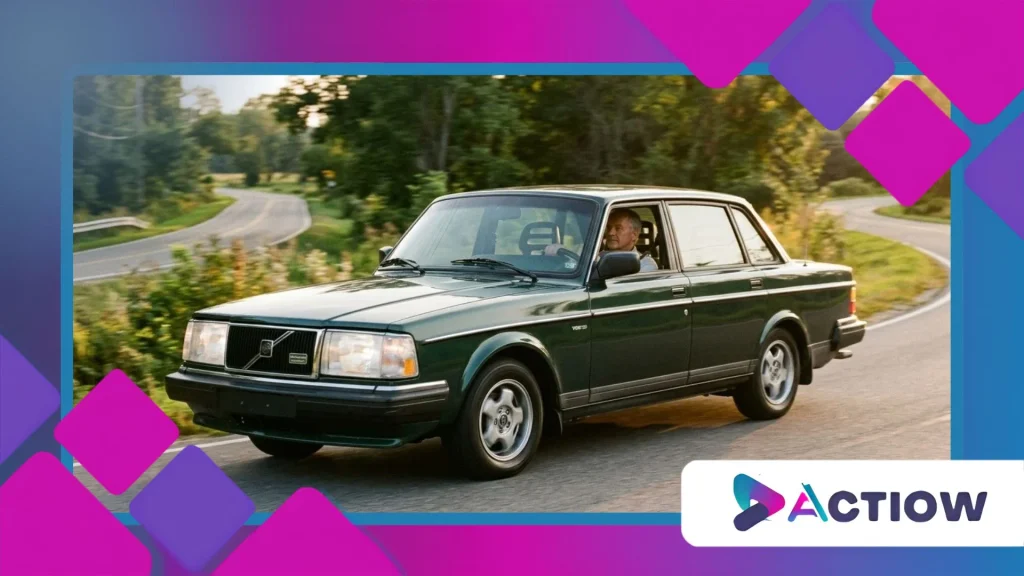
How Does Late, Hard Braking Warp Rotors and Strain Suspension?
Driving habits influence vehicle longevity through the kinetic energy your chassis must absorb every time you slow down.
Charging toward red lights at full speed and slamming the brake pedal at the last moment converts massive amounts of forward momentum into intense localized heat across brake pads and rotors.
Repeated thermal shock causes uneven pad material transfer onto rotor faces commonly mistaken for warped rotors while boiling brake fluid and accelerating caliper piston seal degradation.
Smooth drivers scan traffic three to four cars ahead, lifting off the accelerator early so engine braking and aerodynamic drag scrub off speed naturally before light pedal pressure brings the vehicle to a halt.
Not only does anticipatory deceleration double or triple brake pad life, it also prevents violent nose-dive weight transfers that compress front struts, stress lower control arm bushings, and overload wheel bearings during cornering.
Leia também: Honda WN7: por que esta premiada motocicleta elétrica é importante globalmente agora
Why Does Hitting Potholes and Speed Bumps at Speed Destroy Alignment?
Suspension components are engineered to absorb vertical road imperfections, yet sudden high-speed impacts transfer sharp shockwaves directly into tie rod ends, ball joints, strut mounts, and alloy wheel rims.
Striking a deep pothole while holding the brake pedal locked is especially destructive because the front suspension is already compressed, leaving almost zero travel left to cushion the blow.
Even a minor impact can knock camber and toe angles out of factory specification, causing rapid, feathered tire wear and constant steering pull.
Take the everyday example of a delivery driver who routinely takes neighborhood speed humps at 25 mph instead of slowing to 10 mph.
Within a single year, leaking hydraulic shock absorbers lose their damping control, causing the tires to bounce microscopically over pavement and cup unevenly across the tread blocks.
Slowing down before road irregularities and releasing the brakes just prior to impact lets the suspension extend freely to absorb the strike cleanly.
Leia mais: Veículos menores estão se tornando mais populares nas cidades.
How Does Dry Steering Stress Power Steering Pumps and Tire Sidewalls?
Turning the steering wheel from lock to lock while a vehicle is completely stationary known as dry steering places enormous torsional resistance on rubber tire contact patches and steering rack assemblies.
Without forward or backward tire rotation to ease friction against rough asphalt, electric power steering motors draw peak amperage spikes while tie rods and steering rack bushings endure maximum shear stress.
Over time, this habit loosens steering feel, accelerates inner tie rod play, and scrubs rubber off the outer shoulders of front tires.
Allowing the car to creep forward or backward by just a few inches while turning the wheel dramatically reduces steering effort and mechanical strain.
In tight urban parking garages, patience during three-point turns preserves both the electronic steering rack and the structural integrity of expensive low-profile tire sidewalls.
Which Modern Powertrain Habits Protect Hybrids, EVs, and Turbo Engines?
How Does Rapid Fast-Charging and Deep Discharging Age EV Batteries?
Driving habits influence vehicle longevity just as profoundly in battery-electric and plug-in hybrid vehicles as they do in traditional gasoline machines.
Lithium-ion battery packs experience accelerated chemical degradation when drivers routinely drain them below 10 percent state of charge or repeatedly rely on high-output DC fast chargers to push capacity to 100 percent in extreme heat.
High voltage stress combined with elevated cell temperatures thickens the solid electrolyte interphase layer, permanently reducing usable range and peak charging speeds.
Following the daily 20-to-80 percent charge rule for routine commuting while reserving 100 percent charges exclusively for long highway departures keeps lithium-ion chemistry stable for well over a decade.
Pairing gentle throttle modulation with well-calibrated regenerative braking further minimizes thermal spikes across battery modules and power electronics inverters.
Why Do Turbocharged Engines Need Cool-Down Periods After Highway Runs?
Modern downsized engines rely heavily on turbochargers spinning at speeds exceeding 150,000 RPM, bathed in exhaust gases that routinely surpass 1,400 degrees Fahrenheit.
Pulling off a steep highway grade directly into a rest stop and immediately shutting off the ignition stops coolant and oil circulation while the turbocharger housing remains red-hot.
Trapped oil inside the center bearing housing can bake into hard carbon deposits a process known as oil coking which starves bearings of lubrication on subsequent startups.
Driving calmly for the final mile before reaching your destination or letting the engine idle for thirty to forty-five seconds after sustained high-load highway driving allows circulating oil to carry away lethal heat spikes.
This simple habit protects expensive variable-geometry turbochargers and keeps exhaust manifold gaskets from cracking under rapid thermal contraction.
How Does Carrying Excess Cargo and Ignoring Tire Pressure Hurt Drivetrains?
Using a trunk, pickup bed, or motorcycle saddlebags as permanent storage for heavy tools, sports gear, or unnecessary cargo forces the engine, transmission, and suspension to haul dead weight every mile.
Every extra hundred pounds increases rolling resistance, raises transmission fluid operating temperatures on uphill climbs, and forces automatic gearboxes to hunt more frequently between ratios.
Compounding that extra load with underinflated tires flexes sidewalls excessively, building dangerous internal heat and forcing differential gears to work harder against drag.
Checking tire pressures monthly with a calibrated digital gauge when tires are cold and clearing out unneeded trunk clutter immediately lightens the mechanical burden across every rotating assembly.
Properly inflated tires maintain a flat, predictable contact patch that protects all-wheel-drive transfer cases from rotational speed mismatches.
How Do Specific Driving Behaviors Impact Component Lifespans?
| Driving Habit | Primary Affected Components | Mechanical Consequence | Estimated Lifespan Reduction | Recommended Corrective Action |
| Hard Cold-Start Acceleration | Piston rings, cylinder walls, turbo bearings | Boundary lubrication friction & oil fuel dilution | 25% – 35% engine wear increase | Keep RPM below 3,000 for the first 5 minutes of driving |
| Frequent Short Trips (Under 10 Mins) | Exhaust system, crankcase oil, 12V battery | Acidic moisture sludge & chronic battery sulfation | 30% – 40% shorter exhaust/battery life | Combine short errands into one 20-minute highway loop weekly |
| Late, Aggressive Braking | Brake pads, rotors, front struts, wheel bearings | Rotor pad-transfer glazing & suspension nose-dive | 40% – 50% faster brake replacement | Lift off throttle early and coast smoothly toward stops |
| Riding Clutch or Shifter | Clutch friction disc, release bearing, shift forks | Continuous micro-slippage & synchronizer wear | 50% – 60% clutch lifespan loss | Shift to neutral at red lights; keep hands on wheel |
| Daily 100% DC Fast Charging (EVs) | Lithium-ion battery modules, thermal cooling loops | Electrolyte oxidation & accelerated capacity fade | 15% – 25% faster range degradation | Maintain daily charging between 20% and 80% capacity |
| Shutting Down Hot Turbo Engines | Turbocharger center cartridge, oil feed lines | Oil coking carbon buildup inside bearing housings | 30% – 45% turbocharger life reduction | Drive gently for the last mile or idle 30 seconds before shutdown |
Preserving Your Machine for the Long Haul
Protecting a modern car or motorcycle does not require mechanical engineering credentials or expensive garage modifications; it requires intentional, consistent awareness every time you take control.
Smooth inputs, patient warm-ups, anticipatory braking, and mindful charging habits work together to keep heat, friction, and shock loads well within factory design margins.
Em última análise, driving habits influence vehicle longevity by determining whether your machine ages gracefully into a reliable high-mileage companion or succumbs early to preventable mechanical fatigue.
Take a close look at your own daily commute this week and pick just one habit whether coasting earlier toward traffic lights or letting your engine warm up gently before merging to refine immediately.
Share your highest-mileage vehicle milestone or your favorite mechanical preservation tip in the comments below so fellow drivers and riders can learn from your experience on the road!
Perguntas frequentes
1. How long should I warm up my car or motorcycle before driving in 2026?
Modern fuel-injected cars and motorcycles do not need five-minute driveway warm-ups, which actually waste fuel and prolong rich air-fuel mixtures.
Start the engine, allow 20 to 30 seconds for oil pressure to stabilize across upper cylinder heads, and then drive smoothly while keeping engine speeds moderate until the coolant temperature gauge reaches its normal operating range.
2. Does using cruise control on the highway help extend engine and transmission life?
Yes, using cruise control on flat or gently rolling highways helps extend drivetrain life by maintaining steady throttle inputs and preventing unnecessary gear hunting.
However, switching cruise control off on steep mountain grades prevents the transmission from abruptly downshifting to high RPMs to hold speed against gravity.
3. Is engine braking bad for a manual or automatic transmission?
Properly executed engine braking lifting off the throttle early or downshifting smoothly with matched revs is completely safe and reduces wear on brake pads and rotors.
Only aggressive downshifts that force engine RPMs near the redline create excessive shock loads on clutch discs, transmission synchronizers, and motor mounts.
4. How much does driving over rough roads and potholes shorten suspension life?
Consistently hitting potholes, broken pavement, and speed bumps at high speeds can cut the service life of shock absorbers, struts, ball joints, and tie rod ends in half.
Slowing down before road hazards and avoiding braking directly over deep impacts preserves wheel alignment and prevents premature tire cupping.
5. Can smooth driving really add 100,000 miles to a modern vehicle?
Yes, combining gentle acceleration, steady highway cruising, timely fluid changes, and proper tire inflation routinely allows modern engines and transmissions to surpass 200,000 or even 250,000 miles without major internal rebuilds.
Eliminating repeated thermal spikes and shock loads prevents the cumulative metal fatigue that causes early mechanical failure.
