
Por que as portas suicidas se tornaram ícones de carros de luxo e clássicos?
Anúncios
portas suicidas Definiu o luxo automotivo e o artesanato personalizado ao longo de décadas de construção de carrocerias clássicas e design de transporte executivo.
As portas com dobradiças na parte traseira permitiam que os passageiros aristocráticos desembarcassem graciosamente, sem manobras desajeitadas, nos corredores urbanos apertados.
Esses pontos de entrada exclusivos transformaram automóveis comuns em palácios sobre rodas, preferidos pela realeza, diplomatas e estrelas de Hollywood.
Anúncios
Historiadores do setor automotivo continuam estudando como os mecanismos de dobradiças traseiras evoluíram de carruagens puxadas por cavalos para símbolos de status atemporais.
O prestígio da engenharia exigia travas de segurança meticulosas e reforço estrutural robusto para evitar aberturas acidentais durante o trânsito em alta velocidade.
Os modernos modelos de luxo topo de linha, como os da Rolls-Royce, reviveram essa configuração histórica para oferecer exclusividade incomparável e acesso facilitado à cabine traseira.
Imagine esses portais giratórios como uma espécie de cordão de veludo que se abre exclusivamente para convidados VIP em eventos de gala de elite. Você está pronto para descobrir por que esses fechamentos icônicos ainda cativam os designers automotivos modernos?
Explorando o legado dos portais automotivos com dobradiças traseiras
- Analisando a evolução da mecânica de construção de carruagens até os automóveis do início do século XX.
- Analisando os avanços de engenharia necessários para garantir a rigidez estrutural e a segurança.
- Analisando como marcas de luxo icônicas integraram portais com dobradiças traseiras em suas lojas-âncora modernas.
- Avaliando os debates sobre segurança pública e as mudanças regulatórias relacionadas aos layouts históricos de portas.
Quais são as origens históricas dos portais com dobradiças traseiras?
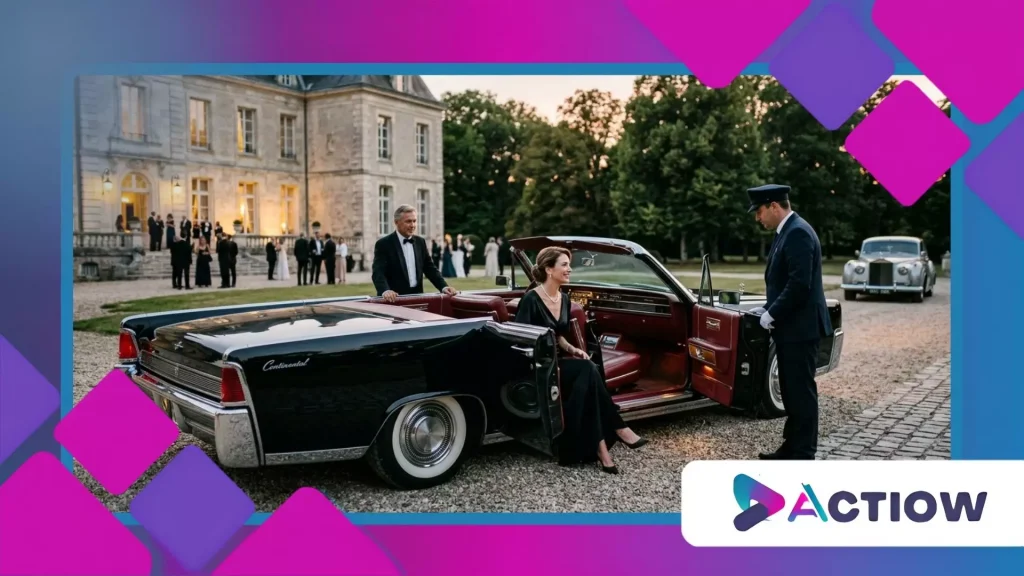
portas suicidas originou-se das carruagens puxadas por cavalos, onde o layout com entrada voltada para trás tornava o embarque e desembarque confortáveis para os passageiros ricos.
Os primeiros fabricantes de carrocerias simplesmente adotaram esses projetos de carruagens comprovados porque os patronos reais esperavam padrões de luxo idênticos em seus novos veículos.
Sair de uma carruagem exigia o mínimo de esforço, e os modelos com dobradiças traseiras preservavam essa elegância sem esforço para os passageiros que usavam trajes formais de noite.
Imagine a entrada de um elegante salão de baile, onde as portas se abrem para fora, convidando você a um mundo de sofisticação e requinte.
Arquivos automotivos do Sociedade de Engenharia de Veículos Históricos Note-se que as configurações com dobradiças traseiras dominaram a fabricação de carros de luxo durante os anos 1920 e 1930.
As limusines com motorista utilizavam esse layout porque os funcionários podiam abrir os painéis suavemente a partir das calçadas, sem bloquear o trânsito de pedestres.
Compradores abastados exigiam esse toque personalizado para diferenciar seus automóveis customizados dos modelos produzidos em massa nas linhas de montagem de fábrica. O artesanato tradicional transformava simples painéis de aço em declarações artísticas duradouras.
Por que os fabricantes de carrocerias preferiam dobradiças traseiras?
As primeiras estruturas automotivas não possuíam a rigidez estrutural encontrada nos modernos projetos de chassis monobloco, o que complicava o projeto das dobradiças dianteiras.
As dobradiças traseiras permitiam aos carroceiros fixar ferragens pesadas diretamente nas colunas B espessas, distribuindo a tensão física uniformemente. Essa vantagem estrutural tornava as aberturas traseiras mecanicamente superiores para carrocerias de madeira pesadas.
++ Por que os carros de dois tempos desapareceram apesar de sua engenharia simples?
Como os motoristas interagiam com esses portais?
Motoristas profissionais posicionavam-se ao lado do meio-fio traseiro, puxando pesadas alavancas para fora, criando uma espécie de escudo humano de proteção para os passageiros que desembarcavam.
Essa coreografia projetava prestígio absoluto e garantia segurança aristocrática nas movimentadas ruas da metrópole. O ritual transformava o simples transporte em um espetáculo teatral.
Leia também: Por que o Toyota Supra se tornou uma lenda novamente em 2026
Qual foi o papel da realeza na adoção?
Os monarcas e chefes de Estado europeus especificaram configurações com dobradiças na traseira para suas limusines oficiais, a fim de maximizar a presença visual.
As procissões de Estado dependiam dessas amplas aberturas para que as autoridades pudessem ser vistas claramente pela multidão em festa. O prestígio sempre seguia o caminho de menor resistência durante as aparições públicas.
Como as preocupações com a segurança e as regulamentações impactaram a evolução do projeto?
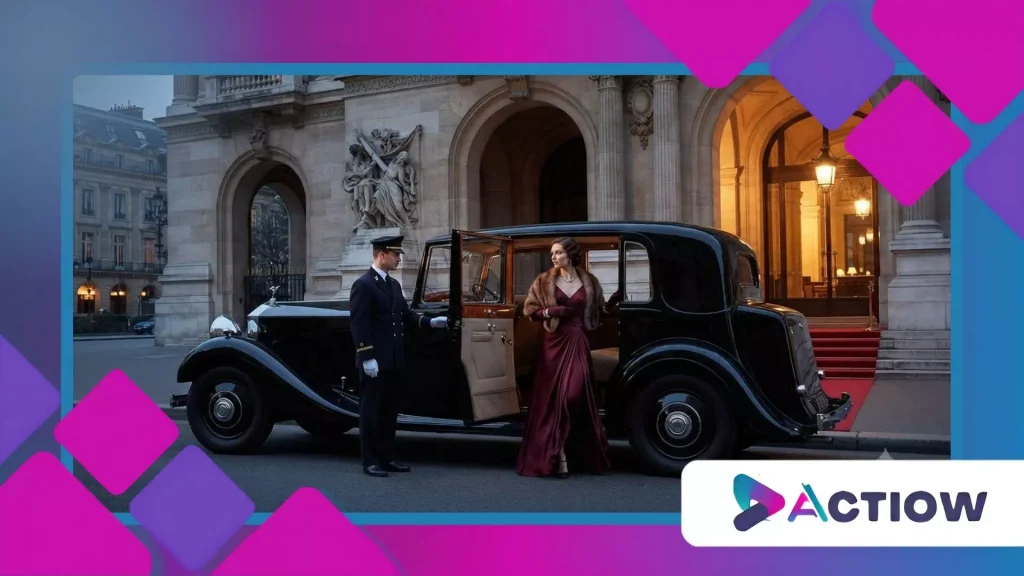
portas suicidas Enfrentaram severo escrutínio regulatório e queda de popularidade em meados do século XX devido aos riscos de abertura acidental em alta velocidade.
Se a trava de um veículo falhasse enquanto ele estivesse em movimento, o vento contrário atingiria a borda frontal, arremessando o painel violentamente para fora.
Pesquisas iniciais de segurança conduzidas pela Administração Nacional de Segurança Rodoviária destacou os perigos extremos das portas com dobradiças traseiras destravadas.
Os engenheiros se mobilizaram para implementar travas de segurança secundárias e solenóides de travamento elétrico para proteger os ocupantes distraídos.
A engenharia de segurança moderna acabou por forçar os principais fabricantes a abandonar os layouts com dobradiças traseiras em favor de configurações com dobradiças frontais, mais seguras.
No entanto, marcas de ultraluxo desenvolveram sistemas eletrônicos de intertravamento avançados que impedem completamente a abertura das portas em velocidades superiores à marcha lenta.
Esse salto tecnológico transformou um risco histórico à segurança em um triunfo da engenharia moderna, com controle computadorizado. Segurança e luxo finalmente se fundiram em uma experiência de direção perfeita e à prova de falhas.
Leia mais: A História Oculta das Mulheres nos Primórdios das Corridas de Motociclismo
O que causou aberturas acidentais nos primeiros modelos?
Fechos mecânicos defeituosos, combinados com roupas soltas dos passageiros, frequentemente prendiam nas maçanetas internas, liberando o mecanismo de travamento principal inesperadamente.
A pressão do vento invadiu a fresta da cabine, rasgando o painel contra o impulso para a frente. Esse fenômeno físico aterrador inspirou as convenções de nomenclatura coloquiais usadas atualmente.
Como funcionam os modernos sistemas de intertravamento eletrônico?
Os modelos de luxo contemporâneos utilizam sensores controlados por computador que monitoram continuamente a velocidade do veículo e a seleção de marcha durante a condução.
Se o carro se mover a uma velocidade superior à de uma caminhada, atuadores eletrônicos imobilizam completamente as maçanetas internas de liberação. A tecnologia garante que o charme histórico nunca comprometa a segurança moderna dos passageiros.
Por que as montadoras tradicionais abandonaram esse layout?
Os custos de produção e os complexos requisitos de montagem tornaram as portas com dobradiças traseiras economicamente inviáveis para veículos familiares de grande volume produzidos em massa.
As montadoras preferiam peças estampadas padronizadas com dobradiças frontais, que simplificavam a automação da fábrica e reduziam os custos gerais de produção. A produção em massa acabou privilegiando a simplicidade em detrimento da arte personalizada.
Por que as marcas de ultraluxo modernas estão resgatando o design com dobradiças traseiras?
portas suicidas Retornaram à proeminência quando os fabricantes de elite perceberam que os compradores modernos desejavam conexões tangíveis com a história automotiva da era de ouro.
Entrar numa cabine moderna de ultraluxo através de uma porta traseira articulada dá a sensação de estar entrando num lounge executivo privativo, e não num carro.
Imagine uma rampa de embarque para iates de luxo onde cada ângulo arquitetônico é projetado para fazer com que os hóspedes se sintam extraordinários.
Essa coreografia de entrada dramática permanece inigualável por qualquer configuração de sedã convencional disponível atualmente.
Relatórios de vendas do setor da Índice do Mercado Automotivo Global Demonstrar que as opções de personalização sob medida impulsionam uma rentabilidade recorde para marcas de ultraluxo.
Os compradores estão dispostos a pagar taxas de personalização de seis dígitos para garantir detalhes de estilo exclusivos e tradicionais que diferenciam seus veículos.
Reintroduzir elementos de design históricos comprova que a verdadeira elegância transcende o tempo, a tecnologia e as tendências de mercado em constante mudança. A nostalgia continua sendo um dos catalisadores emocionais mais poderosos no comércio de luxo.
Como as portas com dobradiças traseiras melhoram o acesso à cabine?
Os painéis traseiros com ampla abertura criam uma passagem clara e desobstruída que permite aos passageiros entrar diretamente no interior do veículo.
Pessoas mais altas não precisam mais contorcer o corpo de forma desconfortável para passar por colunas B estreitas. O conforto ergonômico atinge seu ápice absoluto nessas cabines de luxo para viagens longas.
Que comodidades interiores complementam esses layouts?
As cabines traseiras com acesso articulado na parte de trás geralmente incluem tapetes de lã de carneiro, refrigeradores de champanhe e mesas de piquenique dobráveis feitas sob medida em madeira de nogueira.
A ampla abertura das portas permite que os passageiros se sentem confortavelmente enquanto os atendentes ajustam cortinas personalizadas para maior privacidade. Cada centímetro quadrado do espaço interior exala requinte e qualidade artesanal.
Como os projetistas disfarçam pilares estruturais pesados?
Os engenheiros reforçaram as colunas B traseiras com aço boro de ultra-alta resistência para manter a segurança em caso de colisão sem comprometer o volume visual do veículo.
Motores eletrônicos ocultos com fechamento suave recolhem os pesados painéis silenciosamente ao toque de um botão. A engenharia invisível cria a ilusão de uma arquitetura flutuante sem esforço.
Matriz de comparação de portais automotivos de luxo
A tabela estruturada abaixo compara as tradicionais portas traseiras articuladas de carrocerias artesanais com as configurações automotivas modernas convencionais.
| Métrica de projeto | Layout tradicional com dobradiças traseiras | Layout moderno e convencional com dobradiças frontais |
| Benefício principal para passageiros | Entrada e saída da cabine elegantes e sem obstruções. | Acesso a assentos padronizados para o mercado de massa |
| Engenharia Estrutural | Reforço robusto na coluna B e travas duplas. | Integração simplificada da viga de impacto lateral monobloco |
| Impressão estética | Prestígio exclusivo e herança aristocrática | Praticidade utilitária para deslocamentos diários |
| Mecanismos de segurança | Intertravamentos eletrônicos avançados e motores de fechamento suave. | Sensores padrão de aviso automático de porta entreaberta |
Preservando o Patrimônio Automotivo na Engenharia Moderna
Acolhendo portas suicidas O design de veículos contemporâneos demonstra como a engenharia inteligente pode ressuscitar a gloriosa estética histórica para as novas gerações.
Ao combinar sistemas de segurança de nível aeroespacial com proporções clássicas de carrocerias, os fabricantes de elite homenageiam sua rica herança sem sacrificar a segurança dos passageiros.
O verdadeiro luxo nunca desaparece por completo; ele simplesmente se reinventa através de tecnologia avançada e um artesanato impecável. Reserve um momento para refletir sobre os elementos de design dos seus carros clássicos favoritos.
Qual característica automotiva clássica merece um grande retorno nos tempos modernos? Compartilhe sua opinião nos comentários abaixo!
Perguntas frequentes
As portas com dobradiças invertidas são permitidas em veículos de produção modernos?
Sim, portais com dobradiças traseiras são completamente legais, desde que atendam aos rigorosos padrões federais de segurança veicular referentes a travas secundárias e intertravamentos eletrônicos de velocidade.
A engenharia moderna garante que esses veículos passem por rigorosos testes de colisão sem falhas estruturais.
Quais marcas de carros modernos usam atualmente portas com dobradiças invertidas?
A Rolls-Royce utiliza portas com dobradiças traseiras em toda a sua linha de modelos, incluindo o Phantom, o Ghost e o Cullinan.
Outros veículos-conceito de elite e edições especiais ultralimitadas também apresentam ocasionalmente esse layout icônico.
Por que eles receberam originalmente um apelido tão sombrio?
Os primeiros jornalistas automotivos e defensores da segurança apelidaram-lhes este termo coloquial porque uma abertura acidental combinada com uma queda em alta velocidade podia ser fatal.
As fechaduras secundárias modernas eliminam completamente esse risco histórico atualmente.