
Why 800-Volt Architecture Is Becoming the New EV Standard
Anúncios
800-volt architecture stands as the definitive technological leap defining electric vehicle performance in 2026, fundamentally altering how we interact with charging infrastructure daily.
While early electric models relied on 400-volt systems, modern engineering requirements demand higher electrical potential to accommodate massive battery capacities and ultra-fast charging expectations.
This transition represents more than just a marketing specification; it is the vital backbone supporting the next decade of sustainable, high-performance automotive transport globally.
Anúncios
Engineers favor this high-voltage platform because it solves the persistent “refueling anxiety” that once plagued early adopters, making long-distance travel truly viable for mainstream consumers.
By doubling the voltage, manufacturers significantly reduce heat dissipation and electrical resistance, effectively creating a more efficient energy conduit between your wall box and the battery pack.
Understanding this shift helps you make informed choices about your next premium EV investment in an increasingly competitive technological marketplace.
Vital Performance Components
- Charging Velocity: Doubling voltage reduces the time required for high-speed energy transfer, slashing typical wait times at public infrastructure stations significantly.
- Thermal Efficiency: Higher voltage systems produce less resistive heat, protecting battery chemistry integrity and ensuring longer total operational service lives for owners.
- Component Weight: Thinner, lighter cabling replaces heavy, bulky wiring harnesses, directly contributing to improved overall vehicle agility and increased total range.
What Is 800-Volt Architecture and Why Does It Matter?
How Does This Voltage Increase Impact Daily Charging Speeds?
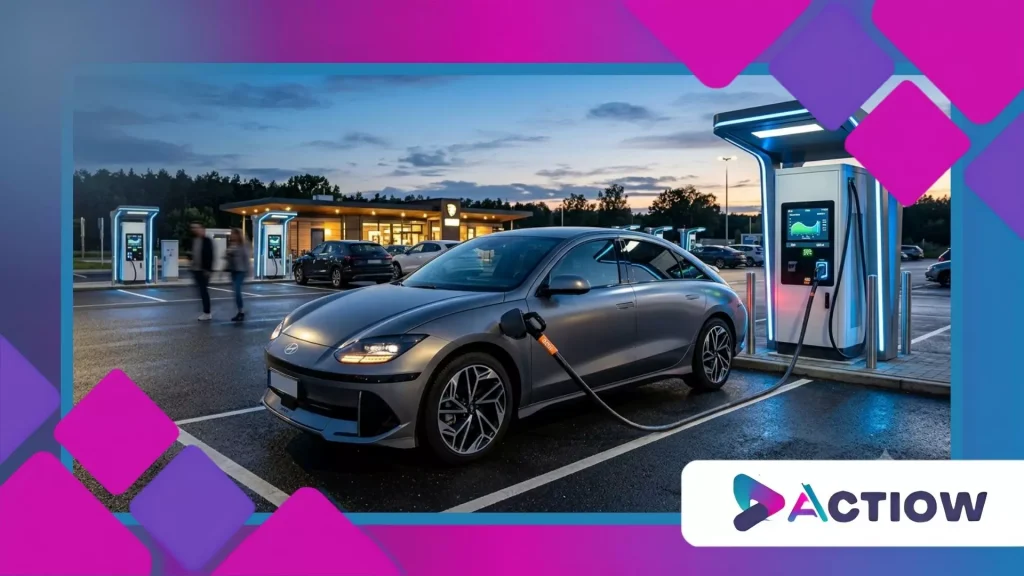
Traditional 400-volt systems require massive current flow to move significant power, which causes excessive heat buildup during rapid charging sessions at highway stations.
By switching to an 800-volt architecture, engineers allow the same amount of power transfer while using lower current levels, preventing the thermal throttling that plagues older models.
This technical modification enables your vehicle to accept peak charging rates that were physically impossible just a few short years ago.
Imagine trying to drink a thick milkshake through a tiny, narrow coffee stirrer; it takes forever, and the effort creates immense, frustrating physical resistance.
An 800-volt architecture works like replacing that tiny straw with a wide-mouth pipe, allowing massive energy volumes to enter your vehicle system effortlessly.
This change translates to meaningful real-world savings, as you spend significantly less time tethered to a roadside charger during urgent cross-country road trips.
Why Do Manufacturers Prefer This Higher Voltage Standard?
Automotive leaders prioritize this platform because it simplifies the entire electrical design, allowing for more compact motors and smaller, highly efficient power electronic controllers.
Smaller hardware components directly equate to increased cabin space and better overall vehicle weight distribution, enhancing the driving dynamics that enthusiasts demand in 2026.
This streamlined engineering approach also lowers total production complexity, as thinner wires are cheaper to source, manage, and install during the assembly phase.
Furthermore, this high-voltage approach allows automakers to implement more sophisticated regenerative braking systems that capture energy during deceleration with unprecedented levels of refined efficiency.
By managing electricity at higher potentials, these controllers fine-tune the conversion process, feeding more recaptured kinetic energy back into the storage cells.
This optimization ensures that your vehicle squeezes every possible kilometer of range out of every single electron stored inside the battery pack.
++ Почему 48-вольтовые электрические системы становятся отраслевым стандартом?
How Does Voltage Affect the Longevity of Battery Packs?
Excessive heat serves as the primary enemy of lithium-ion battery chemistry, slowly degrading total capacity and overall health over several years of rigorous daily use.
Because an 800-volt architecture minimizes the resistive heat generated during high-speed charging, your battery packs maintain cooler internal temperatures throughout every single charging event.
This cool-running design preserves the delicate chemical balance inside the cells, delaying the typical long-term capacity drop that affects aging electric vehicle hardware.
Engineers also incorporate more responsive active cooling loops that leverage the inherent efficiency of the higher-voltage platform to maintain optimal operating temperatures during extreme weather.
Whether you live in the scorching heat of desert regions or the deep freeze of northern winters, your vehicle manages internal climates with superior precision.
Protecting the battery chemistry at the source is the single most effective way to ensure your investment retains maximum residual value long-term.
How Does This System Enhance Driving Dynamics?
Why Are Electric Motors Becoming More Responsive and Powerful?
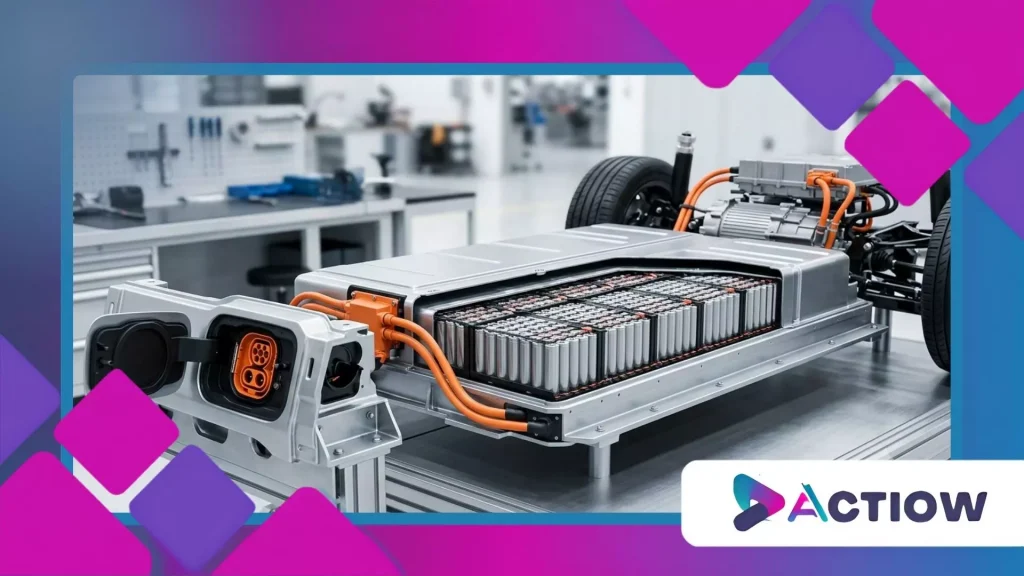
Higher voltage levels allow for the implementation of smaller, lighter, and more powerful electric drive units that respond instantly to driver throttle inputs across all speeds.
Traditional motors often struggle with maintaining peak power delivery at high revolutions, but high-voltage systems provide consistent torque output without experiencing performance fading or power drop-offs.
You feel this change immediately when merging onto highways, as the vehicle accelerates with an intensity that matches traditional high-performance internal combustion engines perfectly.
The integration of silicon carbide semiconductors within this high-voltage framework drastically improves the speed at which power electronics can switch current to the motors.
These advanced components manage electricity with microsecond precision, ensuring that no energy is wasted during rapid acceleration or complex maneuvers.
This creates a remarkably fluid driving experience, where the connection between your foot and the road feels natural, predictable, and incredibly exciting every single time.
Читайте также: Как твердотельные батареи могут изменить электромобили в 2026 году
How Do Lighter Wiring Harnesses Improve Overall Vehicle Agility?
Every single kilogram saved in the construction of an electric vehicle directly translates into better handling, sharper cornering performance, and increased overall vehicle efficiency levels.
Heavy copper cables required by 400-volt systems weigh significantly more than the streamlined, high-voltage cabling used in modern 800-volt architecture designs, shedding dozens of kilograms.
This reduction in unsprung mass allows suspension engineers to tune the vehicle for better comfort without sacrificing the precise body control required for safe highway driving.
When you remove bulky wiring, you also create more room for clever design features like deeper “frunk” storage spaces and advanced cabin climate control modules.
The vehicle becomes a blank canvas for interior designers to create airy, open-plan seating arrangements that maximize passenger comfort and legroom on long journeys.
This marriage of performance engineering and luxury design demonstrates that you do not need to sacrifice interior utility to achieve class-leading vehicle performance.
Читать далее: Как цифровые зеркала заднего вида улучшают видимость в дорожном движении
Why Does This Platform Support Future-Proofing for Drivers?
Choosing a vehicle equipped with this advanced voltage platform ensures that your car remains compatible with the fastest charging hardware currently rolling out across the world.
Public charging infrastructure is rapidly upgrading to handle higher potentials, and having a car that can utilize the full capacity of these stations is essential.
You want your next automotive purchase to stay at the cutting edge for years, rather than becoming obsolete as public grid capabilities evolve.
Research from the International Council on Clean Transportation confirms that 800-volt capability significantly reduces the “hidden” time costs associated with long-range electric vehicle travel.
As the global highway network builds out ultra-fast, multi-hundred-kilowatt chargers, your ability to “plug and play” at maximum speeds becomes a massive quality-of-life advantage.
Buying a vehicle today with this architecture provides a future-proof foundation, protecting your mobility against the fast-moving trends of the global automotive technology industry.
What Are the Real-World Implications for Owners?
How Does Charging Compatibility Work with Older Infrastructure?
Some drivers worry that a high-voltage vehicle will not work at older, slower charging stations found in rural areas or public parking garages today.
Fortunately, manufacturers include sophisticated “boost” converters that step up lower 400-volt current to match the internal requirements of the 800-volt architecture seamlessly.
This ensures you never find yourself stuck, as your vehicle remains fully capable of accepting energy from virtually any standard charging plug on the road.
This clever dual-system approach offers you the best of both worlds: extreme performance at new stations and total reliability at older, legacy charging ports.
You enjoy the freedom to plan your trips without needing to map out only the newest charging locations, providing complete confidence during complex, multi-state travel.
The vehicle handles all the technical translation behind the scenes, leaving you to simply enjoy the convenience of a modern, efficient charging experience.
Why Is Serviceability and Maintenance Changing for EVs?
Technicians working on these advanced vehicles undergo rigorous specialized training to handle the higher-voltage risks associated with modern electrical distribution systems and battery packs.
These systems utilize advanced, multi-layered safety interlocks that automatically disable high-power circuits if the vehicle detects any physical compromise or unusual sensor activity.
This rigorous safety-first design ensures that service professionals can inspect and maintain the vehicle without facing the dangers associated with older, unregulated electrical setups.
While the components themselves are more sophisticated, the reduction in mechanical moving parts remains a significant advantage for owners who prioritize long-term maintenance simplicity.
You no longer worry about complex exhaust systems, timing belts, or intricate fuel management hardware, as the electrical powertrain operates with remarkably few contact surfaces.
Fewer moving components mean that your regular service intervals focus on essential safety checks rather than expensive, time-consuming mechanical repairs that typically plague internal combustion vehicles.
How Can You Maximize the Benefits of Your High-Voltage EV?
Maximizing the performance potential of your vehicle requires taking advantage of smart charging software that schedules your energy intake based on grid demand and cost.
Many modern charging stations offer off-peak pricing, and your vehicle can automatically sync its high-voltage charging cycle to capitalize on these lower household rates.
This proactive energy management saves you thousands of dollars over the total ownership period while ensuring your battery pack stays topped up exactly when needed.
Additionally, using the vehicle’s integrated trip planning software helps you identify ultra-fast charging stations that can take full advantage of your system’s high-speed intake.
This digital assistance turns an intimidating road trip into a series of stress-free stops, allowing you to optimize your battery state-of-charge for the most efficient travel possible.
Integrating these smart technologies into your daily driving routine transforms your electric vehicle into a highly intelligent, cost-effective partner for your busy 2026 lifestyle.
Technical Performance Benchmarking
The table below compares the typical performance characteristics of legacy 400-volt systems versus the modern standard discussed throughout this report.
| Показатель эффективности | Legacy 400-Volt System | Modern 800-Volt System | Real-World Impact |
| Peak Charging Rate | Up to 150 kW | 300 kW to 800+ kW | Massive reduction in wait times |
| Wiring Weight | High (Heavy Copper) | Low (Lightweight Alloys) | Improved range and handling |
| Thermal Output | High Resistive Heat | Low Managed Thermal Load | Longer battery health and life |
| Motor Efficiency | Standard Performance | High Instant Power Density | Superior acceleration and control |
| Charging Flexibility | High (Universal) | High (Boost Conversion) | Total infrastructure compatibility |
Final Thoughts on the High-Voltage Future
The transition to 800-volt architecture serves as the primary catalyst for the widespread adoption of electric vehicles in the competitive market of 2026.
By addressing the physical limitations of legacy charging systems, manufacturers have unlocked a new level of freedom for drivers who demand zero-compromise performance in their daily lives.
We are witnessing the maturation of electric mobility, moving away from niche experimental prototypes toward a future where charging is as fast, clean, and reliable as traditional refueling ever was.
Investing in these advanced technological platforms is not just about owning the latest trend; it is about securing a smarter, more efficient way to interact with the world.
As global infrastructure continues to evolve, your choice today sets the standard for how you experience long-range travel for the next decade. If you have questions about your next EV purchase, share your experience in the comments below!
Часто задаваемые вопросы
Will my 800-volt electric vehicle charge slower at older, public 50kW charging stations?
No, the vehicle’s internal boost converter seamlessly adjusts the incoming power to ensure you charge safely and effectively, regardless of the station’s age.
Are high-voltage electric vehicles more dangerous to maintain than older models?
Not at all; these systems feature advanced, multi-layered safety interlocks that automatically isolate high-power circuits if the vehicle detects any potential damage or error.
Is the premium cost for this technology worth the current market price?
Yes, for most buyers, the combination of faster charging, lighter weight, and improved long-term battery health significantly justifies the initial investment over a typical ownership cycle.
How do I know if the car I am buying features this modern platform?
Check the official manufacturer specifications sheet for “800V charging capability” or “ultra-fast charging support,” as this remains a key premium feature in 2026.