
Why Software Updates Matter More Than Horsepower in 2026 Vehicles
Anúncios
Software updates matter more than horsepower!
In 2026, as electric and software-defined vehicles dominate roads, the focus shifts from raw engine power to digital evolution.
Software updates, delivered over-the-air, redefine performance, safety, and user experience far beyond what traditional horsepower upgrades can achieve.
Anúncios
Watch now!
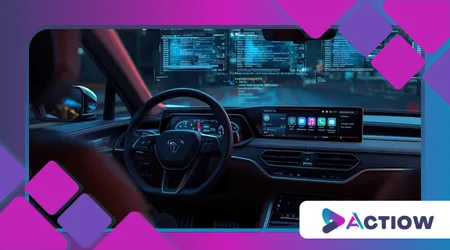
Software updates matter more than horsepower: Summary of Topics Addressed
- What Makes Software Updates Essential in 2026 Vehicles?
- Why Do Software Updates Outshine Horsepower in Modern Driving?
- How Have Software Updates Transformed Specific Vehicle Models?
- What Do the Numbers Say About Software’s Impact on the Automotive Industry?
- What Challenges Remain in Prioritizing Software Over Horsepower?
- Frequently Asked Questions About Why Software Updates Matter More Than Horsepower in 2026 Vehicles
++ How Car-to-Cloud Connectivity Tracks Performance and Theft
What Makes Software Updates Essential in 2026 Vehicles?
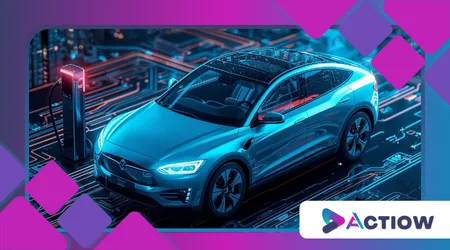
Software updates in 2026 vehicles are remote patches that enhance everything from infotainment to autonomous driving features without requiring a mechanic’s visit.
These over-the-air (OTA) deliveries fix bugs, add functionalities, and optimize battery efficiency in EVs, turning cars into evolving devices akin to smartphones.
The essence lies in their adaptability; unlike fixed hardware like engines, software can iterate based on user data and manufacturer insights.
++ Protecting Leather Seats from Wear with Eco-Friendly Products
For instance, updates can refine regenerative braking algorithms to extend range, addressing real-world variables like traffic patterns or weather.
However, their necessity stems from the rise of software-defined vehicles (SDVs), where core systems rely on code rather than mechanical parts.
This shift ensures longevity, as a 2026 model can gain new capabilities years after purchase, reducing obsolescence.
Why Do Software Updates Outshine Horsepower in Modern Driving?
Software updates outshine horsepower because they deliver ongoing improvements that adapt to individual needs, whereas horsepower is a static metric tied to initial design.
++ Mazda CX-5 vs Subaru Forester: Winter Driving Comparison Beyond AWD Marketing
In 2026, with EVs prioritizing torque over raw power, updates can tweak power delivery for better handling in diverse conditions, making the drive smarter rather than just faster.
This superiority emerges in safety enhancements; updates can integrate new AI-driven collision avoidance, far more impactful than adding horsepower that might encourage riskier behavior.
Moreover, they enable personalization, like customizing dashboard interfaces or voice commands, enhancing daily usability beyond speed thrills.
Isn’t it fascinating how a simple download can reinvent your car’s soul, while horsepower merely amplifies its muscle?
Software’s edge lies in its scalability, allowing manufacturers to respond to global trends like stricter emissions rules without redesigning hardware.
How Have Software Updates Transformed Specific Vehicle Models?
The 2026 Polestar 4 exemplifies transformation through software; an OTA update refined its suspension calibration and torque vectoring, improving cornering dynamics without altering physical components.
This turned a competent EV into a driver’s delight, showcasing how code can mimic hardware upgrades.
Volvo’s 2026 EX90 received a software overhaul to boost its 800-volt charging system, slashing charge times by 20% and adding adaptive cruise refinements.
Such changes not only extend range but also integrate better with smart home ecosystems, evolving the vehicle into a connected hub.
An example: Imagine a mid-range 2026 Hyundai Ioniq 6 owner in urban Seattle; a software patch analyzes their commuting patterns and optimizes energy use for hilly routes, effectively adding 15% more daily range—something horsepower alone couldn’t achieve without inefficiency.
Another original: For a family in London’s suburbs with a 2026 Ford Mustang Mach-E, an update introduces kid-friendly rear-seat entertainment modes synced with parental controls, turning long drives into seamless experiences, prioritizing utility over brute force.
What Do the Numbers Say About Software’s Impact on the Automotive Industry?
Numbers reveal software’s dominance: the global automotive software market is projected to reach $43.08 billion by 2032, growing at a CAGR of 13% from 2025, driven by OTA adoption in over 60% of new vehicles.
This statistic underscores how updates fuel revenue through subscriptions, outpacing horsepower-focused innovations.
In terms of impact, OTA updates have reduced recall costs by 30% for manufacturers like Tesla, allowing fixes via code instead of physical repairs.
For consumers, this means vehicles retain value longer, with software-enhanced models depreciating 10-15% slower than traditional ones.
Software’s quantitative edge also shows in efficiency gains; updates can improve EV range by up to 10% through optimized algorithms, a boon in a world where charging infrastructure lags.
These figures argue that investing in digital ecosystems yields higher long-term returns than horsepower boosts.
| Aspect | Software Updates Impact | Horsepower Impact | 2026 Projection |
|---|---|---|---|
| Market Growth | 13% CAGR to $43B by 2032 | Stagnant in EV shift | Software leads revenue |
| Efficiency Gain | Up to 10% range boost | Minimal in EVs | 60% vehicles OTA-enabled |
| Cost Savings | 30% lower recalls | High redesign expenses | Subscriptions add $2K/year value |
| Depreciation | 10-15% slower | Faster obsolescence | Software extends lifecycle |
What Challenges Remain in Prioritizing Software Over Horsepower?
Prioritizing software brings cybersecurity risks; as vehicles become more connected in 2026, hackers could exploit vulnerabilities, demanding robust encryption that horsepower-centric designs never faced.
This requires ongoing vigilance, potentially increasing ownership costs through premium security subscriptions.
Integration challenges arise when updates conflict with older hardware, leading to glitches that frustrate users accustomed to reliable mechanical performance.
Moreover, not all regions have stable internet for OTA, limiting accessibility in rural areas and highlighting digital divides.
Regulatory hurdles persist; governments must standardize software safety protocols, delaying widespread adoption.
Yet, these challenges pale against horsepower’s environmental drawbacks, like higher emissions from powerful engines, pushing the industry toward software solutions.
Software updates matter more than horsepower: Frequently Asked Questions
Many drivers wonder about the shift from power to pixels in vehicles. These questions often revolve around practicality and future-proofing.
Answers draw from 2026 trends, emphasizing software’s role in sustainability.
The table provides concise insights for common curiosities.
| Question | Answer |
|---|---|
| How often do 2026 vehicles receive software updates? | Quarterly for major features, monthly for fixes, via OTA for convenience. |
| Do software updates affect horsepower? | Indirectly; they optimize power delivery but focus on efficiency over raw output. |
| Are updates free in 2026 models? | Basic ones, yes, but premium features often require subscriptions post-warranty. |
| What if an update fails? | Rollback options exist, with manufacturer support; rare but mitigated by testing. |
| Why not just focus on horsepower? | Software enables adaptability; horsepower is fixed, less relevant in EV era. |
Software updates in 2026 vehicles redefine ownership, turning cars into upgradable companions. This evolution prioritizes intelligence over brute strength.
However, balancing software with reliable hardware remains key.
In urban commutes, updates cut stress through smarter navigation.
For enthusiasts, they unlock performance modes without engine swaps.
Challenges like data privacy need addressing for trust.
Explore Volvo’s 2026 updates in this Inside EVs article.
Software’s analogy to a living organism—adapting and growing—fits perfectly.
Economic benefits include lower maintenance via predictive diagnostics.
See market projections here, Coherent Market Insights report.
Ultimately, 2026 drivers will value seamless experiences over speed alone.