
Why Your Engine Oil Choice Matters More Than Ever in 2026
Anúncios
Engine oil formulations require unprecedented precision in 2026 as modern high-compression engines demand advanced lubrication to survive intense thermal stress.
Automotive engineering constantly pushes mechanical boundaries, making traditional lubricants obsolete for today’s complex powertrains.
Selecting the correct synthetic fluid prevents catastrophic component failure while optimizing fuel economy across diverse driving conditions. Modern motorists must recognize that lubricant technology dictates long-term vehicular health.
Anúncios
Navigating this critical automotive maintenance topic requires examining viscosity grades, additive packages, and strict manufacturer specifications.
Every mechanical choice compounds over time, ensuring smooth combustion chamber operation under extreme temperatures.
Think of your motor’s internal moving parts as a complex orchestra requiring a specialized liquid conductor. Are you ready to discover why modern lubrication science defines vehicle longevity?
Navigating Modern Automotive Lubrication Standards
- Analyzing advanced synthetic viscosity grades and thermal breakdown resistance.
- Evaluating modern detergent and anti-wear additive packages for high-compression engines.
- Understanding manufacturer OEM certifications and international lubricant performance ratings.
- Optimizing fluid change intervals based on real-time telematics and driving habits.
What Makes Modern Lubrication Essential for 2026 Engines?
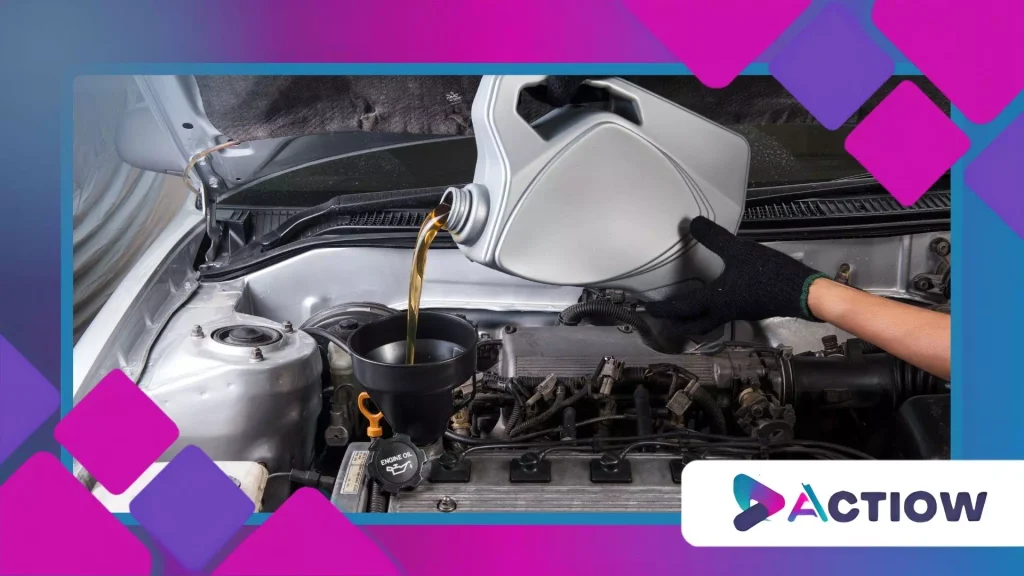
Engine oil technology has evolved rapidly to protect tightly toleranced turbochargers and hybrid powertrain components from premature thermal degradation.
Today’s high-output power units generate unprecedented internal temperatures, requiring advanced synthetic polymers to maintain protective film strength.
Imagine pouring ordinary mineral liquid into a modern twin-turbo engine; the extreme heat would instantly break down the fluid film, causing metal-on-metal friction.
According to technical data published by the Society of Automotive Engineers, modern synthetic formulations reduce friction-related energy losses by up to fifteen percent compared to older standards.
Advanced anti-wear additives bond microscopically to high-pressure metal surfaces, neutralizing acidic combustion byproducts before they corrode critical components.
Selecting premium synthetic variants ensures your vehicle operates efficiently throughout severe seasonal temperature shifts without sacrificing protection.
When proper lubrication flows smoothly through internal galleries, mechanical longevity increases exponentially. Superior fluid choices protect your financial investment over hundreds of thousands of miles.
Why Do Modern Turbos Demand Advanced Synthetics?
High-speed turbocharger shafts spin at over two hundred thousand revolutions per minute, generating extreme localized heat that quickly carbonizes inferior mineral lubricants.
Premium synthetic options resist thermal breakdown, ensuring continuous bearing protection during aggressive acceleration.
++ Why wheel bearing noise should never be ignored by drivers
How Do Anti-Wear Additives Protect Internal Components?
Chemical compounds like zinc dialkyldithiophosphate form microscopic sacrificial layers on metal surfaces under high loads, preventing direct friction and catastrophic scoring.
These advanced packages safeguard cams, lifters, and piston rings efficiently.
Also read: How paint contamination removal protects vehicle resale value
What Role Do Viscosity Modifiers Play in Temperature Stability?
Specialized polymer molecules expand when heated and contract when cooled, ensuring the fluid maintains consistent thickness across freezing winter mornings and scorching summer afternoons.
Stable viscosity guarantees reliable startup protection instantly.
Read more: 10 Signs Your Car Battery May Fail Before Winter Arrives
How Does Low-Viscosity Fluid Improve Fuel Economy?
Thinner 0W-16 and 0W-20 synthetic formulations reduce internal pumping friction significantly, allowing pistons and crankshafts to rotate with minimal mechanical resistance.
This efficiency gain translates directly to noticeable fuel savings at the pump.
Why Is Thermal Breakdown Dangerous for Power Units?
When degraded fluid loses its molecular integrity, sludge deposits accumulate in narrow oil passages, starving critical bearings of necessary hydraulic pressure and lubrication.
Regular fluid changes prevent these costly blockages entirely.
How Do Modern Additives Neutralize Acidic Byproducts?
Detergent and dispersant additives capture microscopic soot particles and neutralize harmful acids generated during fuel combustion, keeping internal engine surfaces immaculate.
Clean internal galleries ensure optimal operational performance over time.
How Do You Select the Correct Viscosity and OEM Specification?
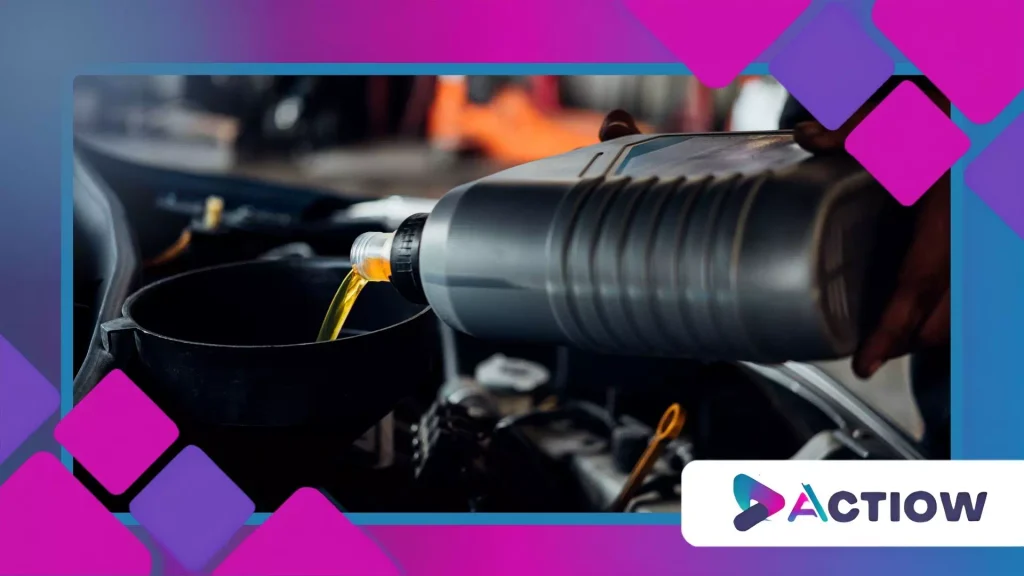
Engine oil selection demands absolute adherence to manufacturer-specified viscosity ratings and rigorous industry performance certifications.
Choosing an incorrect grade can void active warranties and accelerate mechanical wear across sensitive variable valve timing systems.
Think of matching your lubricant grade to your car’s manual like wearing tailored shoes; precision fit guarantees maximum comfort and performance.
Industry benchmarking studies confirm that using uncertified aftermarket lubricants increases long-term repair frequency significantly.
Modern European, Asian, and American automakers mandate specific proprietary standards to address unique metallurgical and emission control requirements.
Checking your owner’s manual before purchasing fluid ensures compatibility with advanced particulate filters and catalytic converters.
When you respect manufacturer specifications, your powertrain rewards you with dependable, trouble-free operation year after year. Accurate selection removes guesswork from routine vehicle maintenance.
What Do Viscosity Numbers Actually Indicate?
The number preceding the W indicates cold-temperature flow capability, while the second number measures fluid thickness at operating temperatures.
Understanding these ratings helps motorists select appropriate protection for local climate conditions.
Why Must You Follow OEM Certification Standards?
Automotive manufacturers test proprietary fluid formulations extensively to ensure compatibility with specialized metal coatings and emission control equipment.
Using certified products prevents premature clogging of expensive diesel particulate filters.
How Does Regional Climate Influence Fluid Choice?
Drivers navigating severe sub-zero winters require exceptionally fluid low-temperature ratings, whereas motorists in arid desert environments benefit from robust high-temperature film strength. Climate matching optimizes internal protection.
What Happens If You Mix Different Fluid Grades?
Combining incompatible synthetic and conventional grades alters the additive balance and compromises high-temperature stability, potentially leading to increased varnish formation. Sticking to a single approved product is always safest.
Why Are European Specifications Uniquely Demanding?
European automakers enforce stringent shear stability and extended drain interval requirements due to high-speed autobahn driving dynamics and complex emissions hardware. Meeting these standards requires elite base stocks.
How Do Aftermarket Additive Boosters Affect Performance?
Pouring unverified chemical boosters into factory-formulated lubricants often disrupts the delicate chemical balance engineered by petro-chemical experts.
Relying on pre-blended premium oils yields superior results.
What Are the Real Consequences of Neglecting Regular Maintenance?
Engine oil degradation left unchecked results in catastrophic mechanical failure, exorbitant repair bills, and sudden roadside breakdowns.
Postponing routine fluid changes allows abrasive soot and metal shavings to circulate freely through precision oil pumps.
Imagine running a marathon without drinking water; eventually, your body shuts down from internal dehydration and exhaustion.
Recent automotive consumer reports indicate that neglected lubrication schedules account for nearly forty percent of premature engine replacements.
Fresh fluid acts as the lifeblood of your vehicle, cooling internal hotspots, cleaning combustion residues, and sealing microscopic piston gaps.
Establishing a disciplined maintenance schedule guarantees that your investment retains its resale value and operational reliability.
When you prioritize timely fluid exchanges, you eliminate unexpected mechanical anxiety completely. Proper care transforms a reliable commuter into a lifelong automotive companion.
How Does Sludge Accumulation Destroy Internal Parts?
Oxidized fluid bakes onto hot internal surfaces, forming thick black sludge that blocks oil pickup screens and starves vital bearings of lubrication. This blockage causes rapid engine seizure under load.
Why Do Short City Trips Accelerate Fluid Contamination?
Frequent short-distance driving prevents the engine from reaching proper operating temperature, causing raw fuel and moisture to dilute the lubricant prematurely. This condensation dilution degrades protective film strength rapidly.
What Are the Early Warning Signs of Degraded Lubricant?
Listening for abnormal valve train ticking, observing darkened fluid on the dipstick, or noticing illuminated dashboard pressure warnings indicates immediate maintenance is required. Prompt action prevents permanent damage.
How Do Oil Filter Replacements Impact Fluid Longevity?
Even the highest quality synthetic fluid becomes contaminated quickly if paired with a saturated or low-efficiency oil filter. Replacing the filter during every service ensures continuous particulate filtration.
Why Is Telematics Monitoring Transforming Maintenance Schedules?
Modern connected vehicles analyze driving style, ambient temperature, and idle time to calculate precise fluid degradation rates rather than relying on arbitrary mileage intervals. Smart monitoring optimizes service timing.
How Does Timely Maintenance Preserve Resale Value?
Maintaining a meticulous service record with documented fluid and filter changes proves to prospective buyers that the vehicle received exceptional care throughout its operational lifespan. Documentation commands higher market prices.
Engine Lubrication Requirements Comparison Matrix
The structured table below compares traditional mineral lubricants with advanced modern synthetic formulations across key performance dimensions.
| Lubricant Dimension | Conventional Mineral Fluid | Advanced Synthetic Formulation |
| Base Stock Origin | Refined crude oil distillates | Engineered laboratory chemical compounds |
| Thermal Resistance | Breaks down quickly under high heat | Maintains film strength in extreme temperatures |
| Change Interval | 3,000 to 5,000 miles maximum | 7,500 to 15,000 miles with telematics tracking |
| Friction Reduction | Standard baseline frictional losses | Reduced by up to 15% for better fuel economy |
Securing Long-Term Powertrain Reliability Through Informed Choices
Engine oil selection remains the single most critical preventative maintenance decision every vehicle owner makes throughout their automobile’s lifespan.
By embracing advanced synthetic formulations, respecting manufacturer specifications, and adhering to disciplined change intervals, you guarantee optimal mechanical performance.
Protecting your engine today ensures seamless journeys across every highway tomorrow. Take a moment to check your dipstick and review your service records this week.
How will you upgrade your vehicle maintenance routine to ensure lasting reliability? Share your experience in the comments below!
Frequently Asked Questions
How often should I check my oil level between services?
Motorists should inspect their fluid levels using the dipstick at least once a month or before embarking on long highway road trips to prevent unexpected low-level starvation.
Can I switch from conventional oil to synthetic in an older car?
Yes, transitioning to a high-quality synthetic lubricant is safe for older vehicles and often helps clean existing deposits while providing superior wear protection.
What causes excessive oil consumption in modern engines?
Worn piston rings, degraded valve stem seals, or stuck positive crankcase ventilation valves frequently allow lubricant to enter combustion chambers and burn off.
Is synthetic oil worth the higher initial purchase price?
Absolutely, because synthetic formulations last twice as long, withstand extreme temperatures better, and reduce internal friction, saving money on repairs and fuel over time.
How do I properly dispose of used engine oil?
Used motor fluid and filters should be sealed in clean containers and taken to local automotive service centers or municipal recycling facilities for safe processing.