
Wheel hub inspection signs drivers should never overlook
Anúncios
Wheel hub inspection procedures serve as the ultimate defense against catastrophic wheel detachment incidents on modern highways in 2026.
Ignoring subtle mechanical warning signs puts your safety, your passengers, and fellow motorists at severe risk every time you drive.
Vehicles endure immense dynamic stresses daily, making vital component checks an absolute necessity for every responsible vehicle owner.
Anúncios
Understanding how your wheels connect to the chassis prevents devastating roadside emergencies.
Detecting early mechanical failure allows you to replace worn bearings before they seize completely at high speeds.
Modern automotive engineering demands proactive maintenance rather than reactive repairs following major component breakdowns on busy interstates.
Neglecting abnormal sounds or unusual steering vibrations accelerates wear across your entire suspension assembly.
Are you certain your vehicle’s foundation remains safe for your next long road trip?
Navigating Vehicle Chassis Safety Essentials
- Identifying auditory symptoms indicating internal bearing friction and wear.
- Evaluating steering wheel feedback anomalies caused by loose assembly tolerances.
- Understanding ABS sensor malfunction risks linked to deteriorating hub units.
- Establishing a proactive vehicle maintenance schedule for maximum road safety.
What Are the Audible Warnings Indicating Bearing Failure?
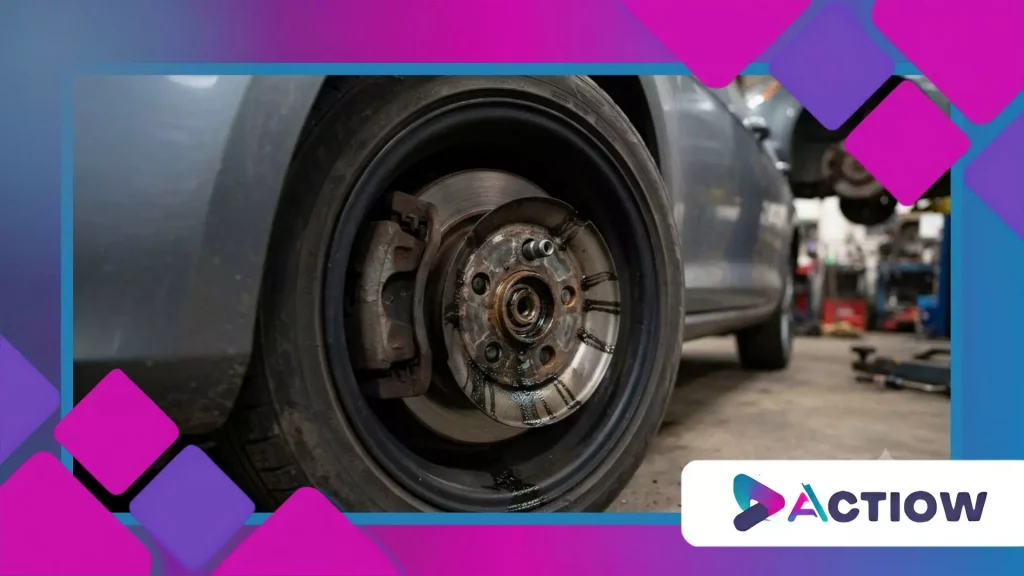
Wheel hub inspection protocols must always begin with an attentive evaluation of unusual noises emerging from your tires during daily commutes.
A rhythmic humming, low-pitched growling, or metallic roaring sound that intensifies during highway cornering usually signals internal bearing degradation.
Think of a healthy bearing as a silent, perfectly lubricated hinge; when it fails, metal grinds against dry metal mercilessly.
Ignoring this acoustic warning transforms a simple inexpensive fix into a dangerous roadside disaster.
According to recent automotive safety data published by the National Highway Traffic Safety Administration, wheel-end failures account for thousands of preventable towing incidents annually.
When inner raceways pit and crack due to excessive heat and fatigue, friction escalates rapidly within the wheel assembly.
Drivers negotiating tight highway cloverleaf interchanges often notice the noise pitch shifting dramatically as lateral load forces increase.
Catching these acoustic cues early protects both your financial savings and your physical safety.
How Does Cornering Load Alter Sound Frequency?
Executing a sharp left turn shifts vehicle weight onto your right front tire, increasing lateral pressure on that specific wheel bearing.
If the right bearing is damaged, the growling noise will suddenly amplify or change pitch during that maneuver.
This dynamic acoustic shift provides technicians with an immediate diagnostic clue regarding which side requires replacement.
++ Why wheel bearing noise should never be ignored by drivers
Why Do High Speeds Magnify Vibrations?
Rotational velocity multiplies minor structural imbalances exponentially as your vehicle accelerates past highway velocity thresholds.
A tiny microscopic pit on a bearing race turns into a violent, high-frequency vibration felt directly through the steering column.
High-speed rotation leaves zero margin for mechanical error within wheel assemblies.
Also read: How paint contamination removal protects vehicle resale value
Can Weather Conditions Accelerate Bearing Wear?
Driving through deep floodwaters or salted winter roads forces moisture past worn rubber seals, contaminating internal ball bearings instantly.
Water dilution washes away heavy industrial grease, causing rapid rust formation and catastrophic friction escalation within weeks.
Weather exposure remains a primary catalyst for premature component failure.
How Does Steering Feedback Reveal Underlying Mechanical Issues?
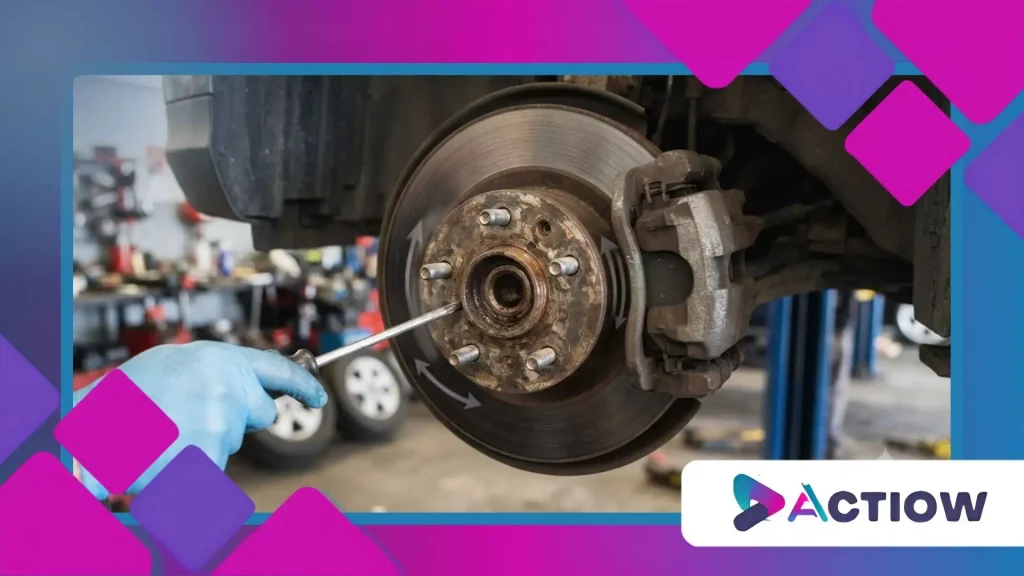
Executing a thorough Wheel hub inspection requires noticing subtle steering wheel vibrations or a loose, wandering sensation while driving straight.
When internal assembly components lose their factory tolerances, the wheel assembly develops microscopic play that translates into sloppy steering response.
Imagine holding the steering wheel of a boat with a loose rudder; your car will drift unpredictably across lanes.
This lack of directional stability demands immediate professional attention before control is completely lost.
Mechanics often utilize a hydraulic lift to shake each tire manually, checking for dangerous vertical or horizontal play within the hub housing.
A loose wheel assembly compromises your anti-lock braking system sensors, occasionally triggering dashboard warning lights due to excessive sensor gap displacement.
Maintaining tight mechanical tolerances ensures your vehicle responds precisely to every input you make. Precision steering is the hallmark of a properly maintained automobile.
Read more: 10 Signs Your Car Battery May Fail Before Winter Arrives
Why Do ABS Sensors Fail Early?
Integrated wheel speed sensors rely on precise air gaps to read magnetic encoder rings located inside modern sealed hub units.
Excessive bearing play widens this gap, causing erratic signal transmission to your car’s central computer.
This electronic failure disables traction control features precisely when you need them most.
How Does Uneven Tire Wear Point to Hubs?
A failing assembly allows the wheel to wobble microscopically, creating erratic contact patches against the asphalt surface.
This constant shifting produces severe cupping and scalloping wear patterns across your tire treads long before normal mileage limits.
Replacing only the tires without fixing the underlying hub issue guarantees repeat damage.
What Role Do Torque Specs Play?
Improperly torqued axle nuts during previous brake or suspension work place abnormal lateral loads on new wheel bearings.
Overtightening crushes internal components, while undertightening allows destructive micro-movements to chew through steel raceways prematurely.
Exact manufacturer torque specifications are non-negotiable during reassembly.
Why Is Immediate Component Replacement Non-Negotiable?
Completing a professional Wheel hub inspection and delaying necessary repairs invites total wheel separation at high speeds, risking fatal collisions.
When severe friction welds internal bearing races together, the wheel locks instantly, sending vehicles spinning out of control across traffic lanes.
A timely repair costs a fraction of the financial devastation associated with a major highway accident. Prioritizing mechanical upkeep protects every single soul sharing the roadway with you.
Consider the mechanical reality of driving a two-ton vehicle supported entirely by four palm-sized steel bearing assemblies rotating thousands of times per minute.
Asking these components to perform without adequate lubrication or structural integrity is a dangerous gamble with fate.
Professional technicians recommend replacing hub assemblies in axle pairs to ensure balanced handling characteristics.
Preventive intervention always triumphs over emergency roadside recovery.
How Does Thermal Overheating Damage Hubs?
Extreme internal friction generates intense heat capable of melting plastic hub caps and boiling out specialized high-temperature wheel grease.
Once thermal breakdown occurs, steel components lose their temper and structural hardness within minutes.
Smoke billowing from a wheel well indicates an immediate, catastrophic emergency stop is required.
Why Are Sealed Units Irreparable?
Modern vehicles utilize maintenance-free sealed hub units containing factory-pressed bearings that cannot be reprepped or adjusted manually.
When internal components wear out, the entire assembly must be unbolted and replaced as a single complete unit.
This modern engineering design prioritizes safe, rapid replacement over risky roadside field adjustments.
How Do Professional Shops Test Assemblies?
Certified technicians employ specialized electronic vibration analyzers and dial indicators to measure microscopic runout tolerances down to thousandths of an inch.
These rigorous diagnostic tools confirm internal bearing failure long before total mechanical collapse occurs.
Trusting professional diagnostic equipment prevents costly guessing games.
Component Wear Evaluation Matrix
The comparative table below outlines the primary diagnostic indicators and severity levels associated with deteriorating wheel assemblies.
| Diagnostic Indicator | Typical Symptom Description | Mechanical Severity | Recommended Action |
| Acoustic Humming | Rhythmic growling rising with vehicle speed | Moderate to High | Schedule diagnostic inspection immediately |
| Steering Vibration | Shaking feedback transmitted through steering column | High | Avoid highway driving; replace assembly |
| ABS Warning Light | Intermittent sensor failure on dashboard display | Moderate | Scan computer codes and check hub play |
| Wheel Play on Lift | Noticeable looseness when rocking tire manually | Critical | Cease driving entirely until repaired |
Safeguarding Your Journey Through Proactive Maintenance
Mastering the fundamentals of a proper Wheel hub inspection empowers you to maintain total control over your vehicle’s safety on the road.
By paying close attention to unusual noises, steering feedback, and dashboard alerts, you prevent dangerous mechanical failures before they strike.
Your car’s foundational components deserve the same meticulous care as its engine and braking systems.
Take time this weekend to listen to your vehicle and ensure your rolling assembly remains rock solid.
How often do you check your vehicle’s wheel assemblies for hidden wear? Share your thoughts in the comments below!
Frequently Asked Questions
How long do modern wheel hub assemblies typically last?
Most OEM wheel hub assemblies are engineered to last between one hundred thousand and one hundred and fifty thousand miles under normal driving conditions.
However, frequent exposure to harsh winter road salts, deep potholes, and heavy towing can shorten this lifespan significantly.
Can I drive short distances with a noisy wheel bearing?
Driving on a failing wheel bearing is extremely hazardous because the component can seize or fracture completely without further warning.
Even short trips risk total loss of vehicle control, wheel detachment, and severe damage to surrounding suspension parts.
Is it necessary to replace both front wheel hubs at the same time?
While a failed bearing can be replaced individually, technicians often recommend replacing axle pairs simultaneously because they experience identical wear and environmental exposure.
If one side has worn out, the opposite side is usually near the end of its functional life cycle.