
The Most Overlooked Vehicle Fluids You Should Check Regularly
Anúncios
The most overlooked vehicle fluids form the silent backbone of modern automotive health, yet drivers routinely ignore them until catastrophic component failure strikes on the highway.
While almost every motorist understands the immediate necessity of regular engine oil changes, fewer than fifteen percent of vehicle owners actively monitor secondary hydraulic fluids.
Modern vehicle powertrains function through precise chemical equilibriums where heat, pressure, and mechanical friction constantly degrade protective fluid additives.
Anúncios
Ignoring these vital fluids creates a ticking financial clock, turning simple preventative maintenance into multi-thousand-dollar mechanical repairs.
Understanding how to inspect and refresh these critical liquids protects your investment and ensures daily road safety across demanding seasonal driving conditions.
Vehicle longevity relies heavily on complete fluid vigilance rather than partial maintenance habits focused solely on engine oil.
By establishing a routine inspection schedule, you eliminate premature wear on specialized seals, gears, and hydraulic pumps.
What You Will Learn in This Guide:
- Why differential and transfer case lubricants require routine inspection to prevent severe drivetrain friction.
- How brake fluid absorption of atmospheric humidity directly degrades braking response and damages internal master cylinder components.
- Steps to evaluate power steering and transmission fluid condition before severe mechanical grinding occurs.
- Key operational differences, maintenance intervals, and warning signs across all vital automotive fluid systems.
Why Is Maintaining Drivetrain Lubricants Vital for Vehicle Longevity?
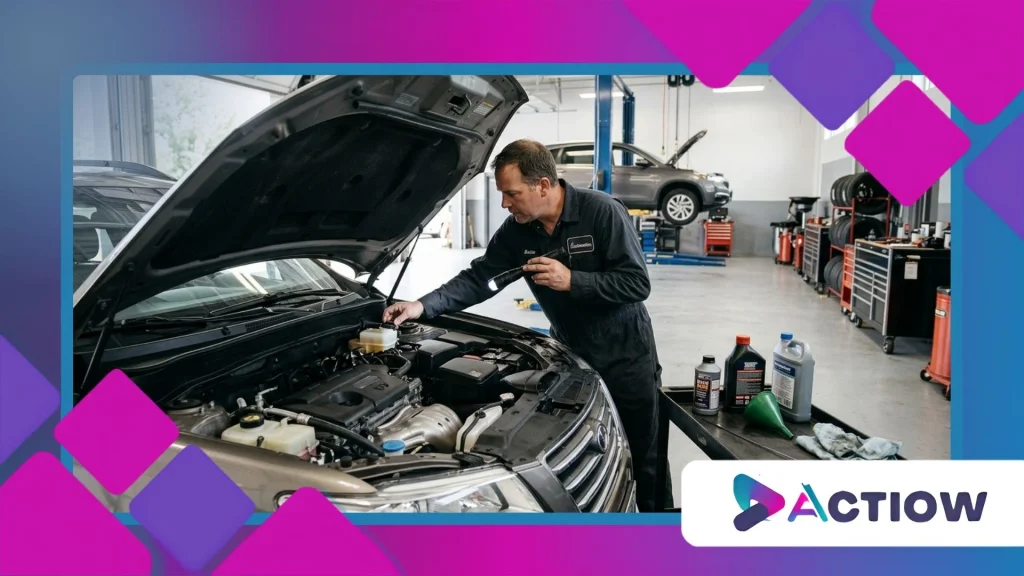
How Does Differential Fluid Prevent Heavy Axle Wear?
Most overlooked vehicle fluids like differential gear oil quietly protect the intricate hypoid gears that transfer engine torque directly to your wheels.
Gear oil operates under intense thermal stress and extreme shear forces, absorbing metallic micro-particles while lubricating ring and pinion gears.
Over time, heat breaks down viscosity modifiers, leaving gear surfaces exposed to direct metal-to-metal contact during sharp turns and heavy loads.
Neglecting differential fluid changes causes internal bearings to pit, creating a high-pitched whining noise that escalates into total axle seizure.
According to automotive reliability data published by CarMD, mechanical differential repairs routinely cost drivers upwards of fifteen hundred dollars in replacement parts.
Replacing differential fluid every thirty thousand miles guarantees smooth power delivery and eliminates costly repairs caused by thermal breakdown.
++ Why wheel bearing noise should never be ignored by drivers
Why Does Transfer Case Oil Demand Regular Inspection?
Four-wheel drive and all-wheel drive systems rely completely on transfer case oil to distribute rotational power between front and rear axles effectively.
This mechanical casing experiences rapid temperature fluctuations during operation, which accelerates fluid oxidation and breakdown over extended driving periods.
Moisture accumulation inside the housing breaks down protective anti-wear additives, causing internal drive chains and clutches to slip unexpectedly.
Checking transfer case fluid prevents expensive mechanical drag and eliminates rough shifting between two-wheel and four-wheel drive modes.
Mechanics frequently discover burnt, blackened transfer case oil during routine inspections, proving that drivers routinely forget this compact powerhouse.
Inspecting this fluid level every year preserves gear synchronization and protects vulnerable electronic actuators from premature failure.
What Hydraulic Systems Are Drivers Constantly Neglecting?
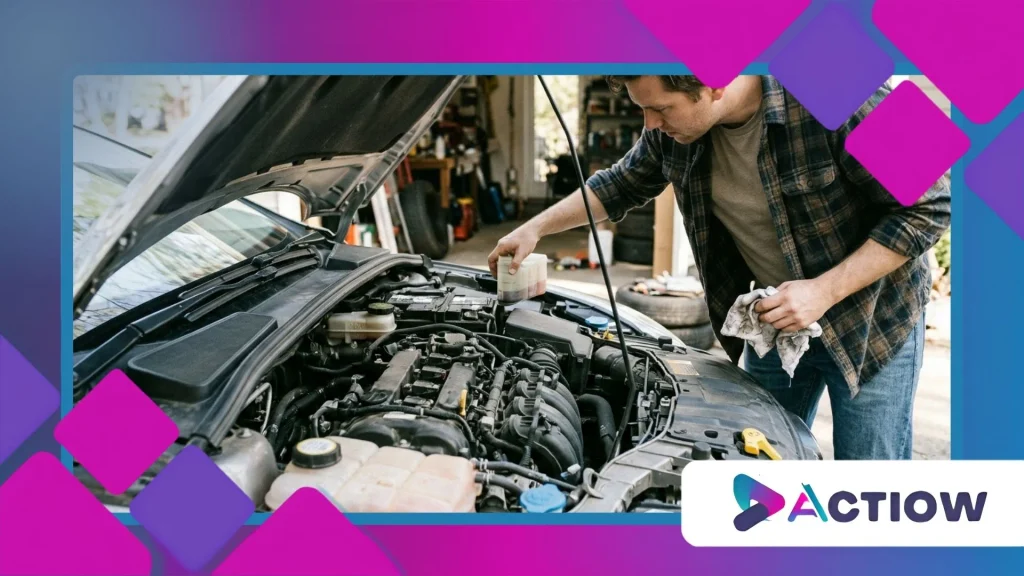
How Does Moisture Contaminate Essential Brake Fluid?
Brake fluid is naturally hygroscopic, meaning it constantly absorbs ambient humidity directly through tiny pores in rubber hydraulic hoses.
As water content inside brake lines exceeds three percent, the boiling point of the hydraulic fluid drops dramatically under heavy braking conditions.
High thermal stress turns absorbed water into compressible vapor, causing a sudden spongy brake pedal feel during emergency stops.
Corrosive moisture inside hydraulic lines rapidly erodes internal master cylinder pistons, expensive ABS valves, and wheel calipers from the inside out.
Flushing brake fluid every two years prevents internal system oxidation and ensures immediate hydraulic pressure transfer during critical stopping maneuvers.
Regular testing with inexpensive digital brake fluid moisture pens gives immediate insight into fluid health before performance declines.
Also read: How paint contamination removal protects vehicle resale value
Why Is Power Steering Fluid Critical for Steering Precision?
Power steering fluid acts as both a hydraulic pressure carrier and a heat-dissipating lubricant for high-pressure steering pumps.
Continuous pressure cycles degrade the fluid’s thermal stability, turning bright red hydraulic fluid into a thick, contaminated brown sludge over time.
Debris from degrading internal rubber seals circulates throughout the power steering rack, causing stiff steering response and premature pump failure.
Ignoring steering fluid degradation places extreme mechanical strain on the power steering pump motor, leading to loud whining sounds while turning.
Flushing hydraulic power steering systems removes abrasive contaminants, restoring smooth steering wheel movement and preserving hydraulic pressure valves.
Drivers who maintain fresh steering fluid enjoy effortless low-speed maneuvering while protecting high-cost rack-and-pinion assemblies from internal scoring.
Which Powertrain Liquids Require Proactive Maintenance?
How Does Transmission Fluid Protect Complex Gearboxes?
Automatic and manual transmission fluids perform the complex task of lubricating gears, cooling torque converters, and enabling hydraulic valve body actuation.
Heat remains the absolute primary enemy of transmission longevity, breaking down friction modifiers and causing clutches to slip under acceleration.
Driven past its useful life, degraded transmission fluid turns into varnish, clogging sensitive hydraulic passages and causing erratic gear shifts.
Most overlooked vehicle fluids often include sealed transmission fluids, which manufacturers misleadingly market as lifetime liquids to reduce listed ownership costs.
Real-world automotive testing proves that lifetime transmission fluid rapidly degrades past sixty thousand miles, accumulating metal shavings and burnt friction material.
Regularly renewing transmission fluid keeps gear shifts crisp, dissipates internal heat efficiently, and prevents sudden total transmission failure on high-mileage vehicles.
Read more: 10 Signs Your Car Battery May Fail Before Winter Arrives
Why Does Coolant Breakdown Threaten Engine Blocks?
Engine coolant does far more than lower freezing temperatures; it actively prevents internal engine corrosion through specialized chemical inhibitor packages.
Over time, heat cycles deplete these protective silicates and organic acids, causing the coolant to become acidic and chemically aggressive.
Acidic coolant slowly eats away at aluminum radiator cores, heater cores, head gaskets, and composite water pump impellers from within.
Testing coolant acidity with basic pH test strips reveals whether your cooling system is actively deteriorating internal engine metal components today.
A degraded cooling system struggles to manage engine operating temperatures, risking severe cylinder head warping and expensive head gasket blowouts.
Flushing coolant at specified manufacturer intervals maintains proper heat dissipation, prevents scale buildup, and guarantees reliable climate control operation year-round.
Vital Vehicle Fluid Specification and Inspection Guide
| Vehicle Fluid | Primary Function | Replacement Interval | Key Signs of Failure |
| Differential Gear Oil | Lubricates axle gears and absorbs shear friction | 30,000 – 60,000 Miles | Whining noises during turns, burning odor |
| Brake Fluid | Transfers hydraulic pressure to brake calipers | 2 Years / 24,000 Miles | Spongy brake pedal, increased stopping distance |
| Power Steering Fluid | Operates hydraulic steering pump and lubricates rack | 50,000 Miles | Whining pump noise, stiff steering response |
| Transmission Fluid | Cools torque converter and actuates gear shifts | 45,000 – 60,000 Miles | Rough shifting, slipping gears, dark brown color |
| Engine Coolant | Regulates engine temp and prevents internal corrosion | 3 Years / 36,000 Miles | Engine overheating, sweet cabin smell, rusty color |
Essential Fluid Stewardship for Long-Term Value
Taking proactive control of these most overlooked vehicle fluids completely changes your vehicle’s long-term mechanical reliability and resale value.
Consistently inspecting fluid color, level, and clarity takes less than ten minutes each month and prevents sudden roadside breakdowns.
By treating fluid maintenance as an essential investment rather than an unnecessary chore, you protect critical mechanical assemblies from friction and heat.
Modern vehicles are engineering marvels that depend on precise chemical balances across every hydraulic and mechanical subsystem to run smoothly.
Prioritizing differential, brake, steering, transmission, and cooling fluids guarantees optimal performance, peak fuel economy, and absolute peace of mind behind the wheel.
What fluid inspection steps do you perform regularly to keep your car running smoothly?
Frequently Asked Questions
Can I mix different brands or types of brake fluid in my car?
No, mixing different brake fluid types like DOT 3, DOT 4, or silicone-based DOT 5 severely damages hydraulic seals and lowers boiling points.
Always consult your owner’s manual to select the exact specified brake fluid rating required for your vehicle’s hydraulic system.
How do I know if my power steering fluid needs to be changed?
Fresh power steering fluid is typically clear red or amber, while degraded fluid appears dark brown or black with a distinct burnt smell.
Additionally, if you hear a whining noise when turning the steering wheel at low speeds, your fluid is likely contaminated or low.
Is lifetime transmission fluid really designed to last forever?
No, lifetime transmission fluid is a marketing term often referring to the duration of the vehicle’s standard factory warranty period.
Heat and mechanical friction naturally degrade transmission fluid over time, making fluid replacement every sixty thousand miles essential for maximum gearbox life.
What happens if I use water instead of proper engine coolant?
Using plain water causes rapid internal corrosion of metal engine components, deposits mineral scale inside cooling passages, and risks freezing or boiling over.
Always use a proper 50/50 mixture of distilled water and manufacturer-approved antifreeze to maintain corrosion protection and thermal stability.
How often should I check these hidden vehicle fluids yourself?
You should visually check all under-hood fluid reservoirs at least once a month and prior to taking long road trips.
Checking fluid clarity and levels early allows you to detect small leaks or fluid degradation before severe mechanical damage occurs.
