
La historia jamás contada del primer coche eléctrico jamás construido.
Anuncios
El primer coche eléctrico Las construcciones realizadas por pioneros en el siglo XIX demostraron que la movilidad de cero emisiones precedió en décadas a las modernas líneas de montaje de automóviles.
Mucho antes de que los vehículos eléctricos contemporáneos dominaran las carreteras mundiales, ingeniosos mecánicos experimentaron con pilas galvánicas primitivas y motores eléctricos rudimentarios.
Los archivos históricos revelan una fascinante historia de innovación, prototipos olvidados y una feroz competencia entre los primeros ingenieros. Comprender estos orígenes transforma por completo nuestra percepción de las revoluciones modernas del transporte sostenible.
Anuncios
Para desenterrar esta historia perdida, es necesario explorar las mentes brillantes que se atrevieron a desafiar las normas del transporte tirado por caballos utilizando corrientes eléctricas.
Los primeros innovadores sentaron bases fundamentales a pesar de enfrentarse a graves limitaciones tecnológicas en el almacenamiento de baterías y la producción de energía.
Piensa en estos carruajes primitivos como los pesados planeadores de madera que precedieron a la aviación supersónica. ¿Estás listo para adentrarte en los sorprendentes orígenes de la propulsión eléctrica?
Navegando por los inicios de la historia del automóvil
- Investigación sobre inventores escoceses y estadounidenses del siglo XIX que construyeron vagones eléctricos rudimentarios.
- Evaluación del impacto de las pilas primarias no recargables en la autonomía inicial de los vehículos.
- Documentando la transición de las baterías químicas pesadas a los modernos sistemas de iones de litio.
- Analizando la competencia de mercado entre los primeros coches eléctricos y las máquinas de vapor.
¿Qué inspiró la creación de los primeros vagones eléctricos?
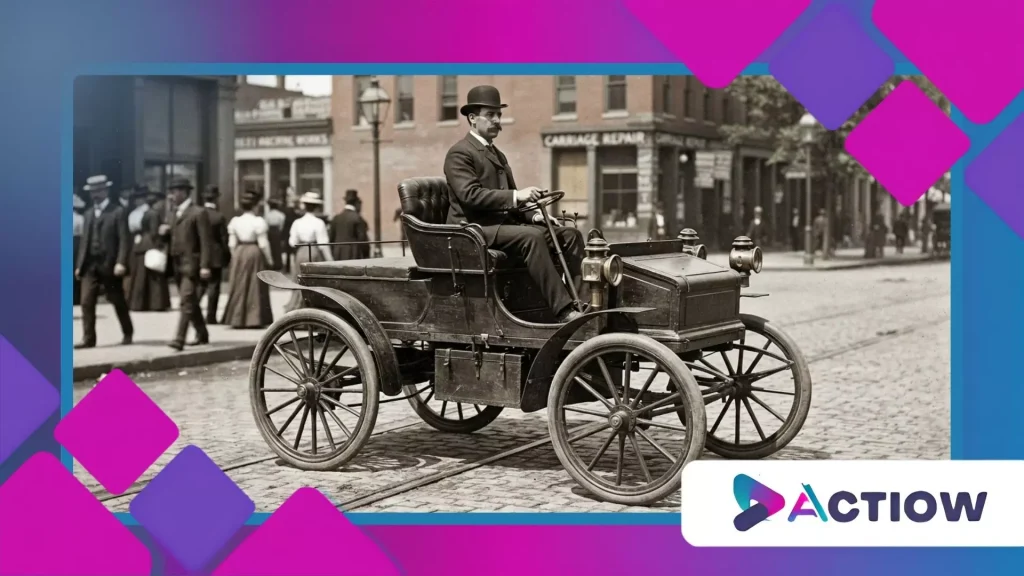
El primer coche eléctrico Los primeros prototipos surgieron durante la década de 1830, cuando mecánicos visionarios buscaban alternativas más limpias a las ruidosas máquinas de vapor que expulsaban hollín.
Entre 1832 y 1839, el empresario escocés Robert Anderson diseñó un rudimentario carruaje propulsado por pilas galvánicas no recargables.
Imagínese un pesado carrito de madera moviéndose silenciosamente por calles empedradas, impulsado únicamente por fuerzas magnéticas invisibles. Este audaz experimento cautivó la imaginación de científicos de toda Europa y Norteamérica.
Los registros históricos que conserva el Centro Tecnológico Edison indican que los primeros inventores se enfrentaron a enormes obstáculos debido a la primitividad de los componentes eléctricos.
Al carecer de fuentes de energía fiables, estos primeros carruajes funcionaban más como novedades de laboratorio que como vehículos prácticos para el uso diario.
Sin embargo, estas pruebas fundamentales demostraron que la propulsión eléctrica era mecánicamente posible décadas antes de que comenzara la producción en masa. La curiosidad impulsó a mentes brillantes a superar los límites tecnológicos de la época.
¿Por qué las pilas no recargables supusieron una limitación importante?
Los primeros carruajes eléctricos dependían exclusivamente de baterías primarias que no podían recargarse una vez agotada su energía química.
Los conductores tenían que desechar con frecuencia las costosas baterías químicas, lo que hacía que los viajes de larga distancia fueran completamente inviables para el ciudadano común. Esta grave limitación hizo que los primeros vehículos eléctricos se limitaran a recorridos cortos de exhibición.
++ ¿Por qué desaparecieron los coches de dos tiempos a pesar de su sencilla ingeniería?
¿Cómo contribuyeron los inventores estadounidenses a este movimiento?
El herrero de Vermont, Thomas Davenport, construyó una vía electrificada en miniatura y un motor rotativo que sirvieron de inspiración para diseños posteriores de vehículos de tracción.
Su trabajo pionero demostró cómo la electricidad de corriente continua podía generar movimiento mecánico rotacional de manera eficiente. El ingenio estadounidense discurrió en paralelo a la experimentación europea durante esta época.
¿Cómo transformaron las baterías recargables el panorama automovilístico?
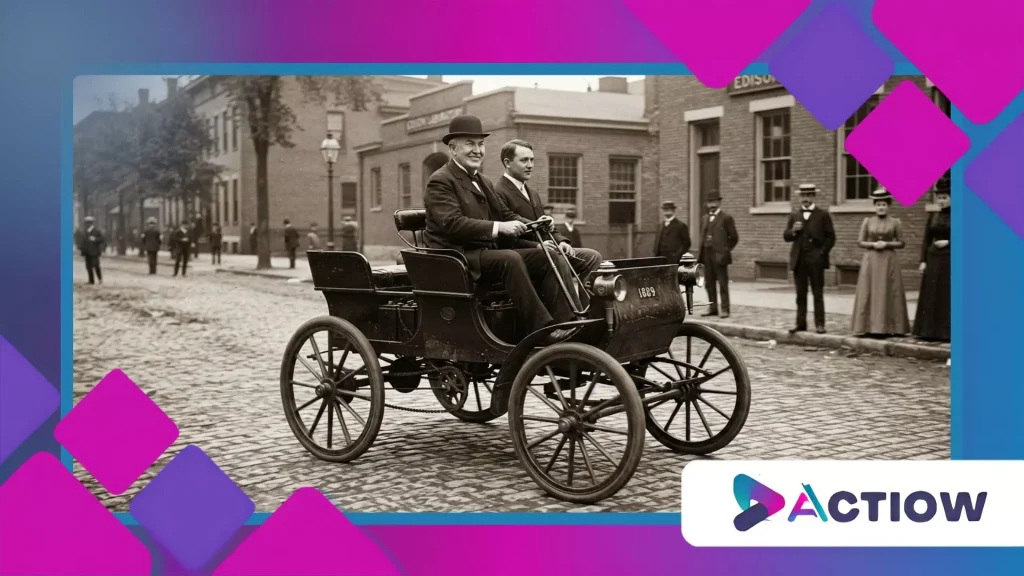
El primer coche eléctrico Los diseños se volvieron realmente prácticos solo después de que el físico francés Gaston Planté inventara la batería recargable de plomo-ácido en 1859.
Las mejoras posteriores realizadas por Camille Faure permitieron que las baterías almacenaran mucha más energía eléctrica con un peso manejable.
Imaginen este avance químico como si le hubieran dado alas a un pájaro que antes estaba atado al suelo. De repente, los vagones eléctricos podían recargarse durante la noche y utilizarse repetidamente sin desechar las unidades de potencia principales.
Según los archivos de la industria automotriz, los vehículos eléctricos representaban aproximadamente el veintiocho por ciento del mercado automovilístico estadounidense a principios del siglo XX.
Los residentes urbanos adinerados preferían los silenciosos taxis eléctricos a sus homólogos de gasolina, que producían un olor desagradable, para desplazarse por las concurridas calles de la ciudad.
Su funcionamiento limpio y sin vibraciones convirtió al transporte eléctrico en el máximo símbolo de sofisticación y lujo. La tecnología finalmente hizo realidad los ambiciosos sueños de los inventores de principios del siglo XIX.
Lea también: ¿Por qué el Toyota Supra volvió a ser una leyenda en 2026?
¿Qué papel desempeñaron los taxis eléctricos en las ciudades?
Durante finales de la década de 1890, flotas de taxis eléctricos funcionaron con éxito en bulliciosas metrópolis como Nueva York y Londres.
Los pasajeros elogiaron la ausencia de gases de escape, el ruido excesivo del motor y las vibraciones violentas al cambiar de marcha. El transporte urbano vivió una breve pero gloriosa época dorada de la movilidad eléctrica.
Leer más: La historia oculta de las mujeres en los inicios de las carreras de motocicletas.
¿Por qué los primeros récords de velocidad pertenecieron a los vehículos eléctricos?
Los coches de carreras eléctricos llevaron al límite la aerodinámica y los sistemas de propulsión, y el piloto belga Camille Jénatzy rompió la mágica barrera de los cien kilómetros por hora en 1899.
Su vehículo eléctrico con forma de torpedo demostró que la energía de las baterías podía proporcionar asombrosas ráfagas de alta velocidad. Su rendimiento sorprendió a los escépticos de todo el mundo.
¿Por qué acabó por fracasar la primera oleada de vehículos eléctricos?
El primer coche eléctrico El dominio del mercado se derrumbó abruptamente después de que Henry Ford introdujera el Modelo T de producción en masa en 1908.
La gasolina barata, junto con la invención del motor de arranque eléctrico en 1912, hizo que los coches de combustión interna fueran mucho más baratos y fáciles de repostar.
Imagínese una próspera industria de carruajes tirados por caballos que se enfrenta a la extinción repentina con la llegada del transporte motorizado barato. Las fuerzas económicas y los vastos descubrimientos de petróleo desviaron las preferencias de los consumidores, alejándolas de los silenciosos coches eléctricos.
Los datos históricos del mercado demuestran que el petróleo crudo barato convirtió a los vehículos de gasolina en el estándar por defecto para el transporte mundial durante las siguientes décadas.
Los vehículos eléctricos se replegaron a sectores comerciales especializados, como las carretillas elevadoras industriales y los vehículos de reparto de leche.
La sociedad olvidó su inicial fascinación por la movilidad eléctrica hasta que las presiones medioambientales revivieron la tecnología décadas después. La historia demostró que la conveniencia económica a menudo prevalece sobre la previsión ecológica.
¿Cómo cambió el Ford Modelo T todo?
La producción en cadena de Henry Ford redujo drásticamente los precios de los vehículos, poniendo el transporte personal al alcance de las familias trabajadoras promedio.
Los coches eléctricos seguían siendo artículos de lujo caros que no podían competir con los precios de la gasolina en el mercado de masas. La asequibilidad fue lo que selló el destino de las primeras flotas de coches eléctricos.
¿Qué reavivó el interés mundial por la energía de las baterías?
Las graves crisis petroleras del siglo XX y la creciente contaminación atmosférica urbana obligaron a gobiernos e ingenieros a reconsiderar seriamente el desarrollo de los vehículos eléctricos.
Los programas de exploración espacial también utilizaron vehículos exploradores alimentados por baterías, lo que demostró la máxima fiabilidad de los motores eléctricos. La ingeniería moderna se construyó directamente sobre los cimientos del siglo XIX.
Matriz comparativa de la evolución y los hitos de la industria automotriz
La tabla estructurada que aparece a continuación compara las distintas épocas del desarrollo de los vehículos eléctricos, desde los prototipos del siglo XIX hasta las innovaciones modernas.
| Era del desarrollo | Tecnología principal utilizada | Situación en el mercado y adopción | Hito histórico clave |
| Época pionera (1830–1859) | Celdas galvánicas no recargables | Modelos experimentales de laboratorio | Robert Anderson construye el primer carruaje eléctrico |
| Edad de Oro (1890–1910) | Baterías recargables de plomo-ácido | Flotas populares de taxis y vehículos de lujo urbanos | Los vehículos eléctricos capturan el 281% de la cuota de mercado estadounidense. |
| Renacimiento moderno (2010-presente) | Paquetes de baterías de iones de litio avanzados | Rápida expansión global en el mercado masivo | Los vehículos de cero emisiones dominan las ventas mundiales. |
Preservando el legado de la innovación en la movilidad eléctrica.
El primer coche eléctrico Los experimentos nos recuerdan que la tecnología contemporánea de transporte limpio es la culminación de dos siglos de incansable perseverancia humana.
Explorar cómo los mecánicos del siglo XIX construían carruajes rudimentarios pone de relieve la naturaleza cíclica de la evolución de la ingeniería y el diseño automovilístico.
Al honrar a estos pioneros olvidados, logramos apreciar mejor el complejo camino hacia un futuro automovilístico sostenible.
Tómate un momento para reflexionar sobre lo mucho que ha avanzado el transporte personal desde aquellas primeras pruebas en el taller. ¿Qué es lo que más te entusiasma de la revolución de los vehículos eléctricos modernos? ¡Comparte tu experiencia en los comentarios!
Preguntas frecuentes
¿Quién construyó realmente el primer vehículo eléctrico?
Se atribuye ampliamente al inventor escocés Robert Anderson la construcción del primer carruaje eléctrico entre 1832 y 1839, utilizando pilas no recargables, junto con experimentos paralelos realizados por Thomas Davenport y Sibrandus Stratingh.
¿Por qué los coches eléctricos no lograron mantenerse populares a principios del siglo XX?
El descubrimiento de petróleo crudo barato, la producción en masa de automóviles de gasolina asequibles como el Ford Modelo T y la invención del motor de arranque eléctrico provocaron una caída en picado de la popularidad de los vehículos eléctricos.
¿Los primeros coches eléctricos eran capaces de alcanzar altas velocidades?
Sí, los coches de carreras eléctricos especializados eran extraordinariamente rápidos para su época, con el vehículo belga La Jamais Contente Superando la barrera de los 100 km/h ya en 1899.
¿Cómo cambió la invención de las baterías recargables los primeros vehículos eléctricos?
La batería recargable de plomo-ácido de Gaston Planté permitía a los conductores recargar la energía repetidamente, transformando los vagones eléctricos de novedades de un solo uso en un práctico medio de transporte urbano.
¿Qué porcentaje de coches eran eléctricos en el año 1900?
En el apogeo del primer auge de los vehículos eléctricos, alrededor de 1900, aproximadamente el veintiocho por ciento de todos los automóviles que circulaban por las carreteras estadounidenses funcionaban con electricidad.