
¿Por qué el Toyota Supra volvió a ser una leyenda en 2026?
Anuncios
El Toyota Supra Goza de un inmenso respeto en todo el panorama automovilístico mundial, consolidando su posición como un icono indiscutible de la ingeniería de alto rendimiento.
En las últimas décadas, este deportivo evolucionó desde un humilde derivado del Celica hasta convertirse en un temible coche de carreras callejero que dominaba las pistas de aceleración.
Ahora, un enorme renacimiento cultural y mecánico ha vuelto a poner a este vehículo en el centro de atención, conquistando los corazones tanto de los puristas como de los jóvenes conductores.
Anuncios
Los cambios sin precedentes en el mercado han puesto patas arriba el panorama del coleccionismo, haciendo que los coches deportivos japoneses clásicos sean más valiosos que los superdeportivos exóticos europeos.
Los entusiastas buscan activamente vehículos que ofrezcan una respuesta mecánica visceral en lugar de modos de conducción totalmente automatizados y aislados.
El deseo constante de una experiencia de conducción sin filtros ha provocado un resurgimiento espectacular de esta marca en particular, transformando para siempre las inversiones en coches deportivos modernos.
Para comprender este fenómeno automovilístico, es necesario ir más allá de la elegante carrocería y analizar los profundos cambios en la cultura automovilística y las filosofías de fabricación.
Este vehículo tiende un puente entre la emoción analógica de la vieja escuela y la eficiencia moderna de alta tecnología, una hazaña poco común en el mercado actual, altamente regulado.
Como resultado, los precios se están disparando y las decisiones de producción están cambiando para mantener vivo el legado contra viento y marea.
Conclusiones clave
- Renacimiento analógico: Los conductores están rechazando activamente las cabinas excesivamente digitales en favor de una conexión puramente mecánica.
- Aumento del valor de los objetos de colección: Los modelos de cuarta generación en perfecto estado alcanzan precios récord en las subastas internacionales.
- Compatibilidad con combustibles electrónicos: Los preparadores de motores más avanzados adaptan motores legendarios para que funcionen con combustibles limpios y sostenibles.
¿Cuál es la historia detrás de la leyenda?
El viaje del Toyota Supra Comenzó como una versión más ancha y alargada del clásico Celica a finales de los años setenta.
Los ingenieros de Toyota querían un gran turismo insignia que compitiera directamente con los deportivos de seis cilindros en línea dominantes que salían de las marcas japonesas rivales.
Esta experimentación inicial sentó las bases de un vehículo que, con el tiempo, redefiniría la cultura mundial de las carreras callejeras.
¿Te has preguntado alguna vez por qué un sencillo cupé japonés tiene más peso cultural que un hipercoche europeo de un millón de dólares?
La respuesta reside en los motores de bloque de hierro sobrediseñados de los años noventa, que soportaban una presión de sobrealimentación masiva sin modificaciones internas.
Este potencial de personalización sin parangón convertía a los coches de calle comunes en monstruos capaces de derrotar a gigantes, que avergonzaban a diario a los coches de carreras de élite.
Consideremos el legendario modelo de cuarta generación, que incorporaba el icónico motor de seis cilindros en línea biturbo 2JZ-GTE, al que los preparadores especializados lograban fácilmente aumentar la potencia hasta superar los mil caballos.
Esta durabilidad mecánica le granjeó una reputación de indestructible en la comunidad de carreras clandestinas, convirtiendo al coche en un símbolo mítico de la libertad automovilística.
El cine de Hollywood amplificó aún más este estatus, presentando la llamativa silueta a una enorme y cautivada audiencia global de jóvenes entusiastas.
Los datos del mercado automotriz confirman que los modelos Mark IV en buen estado y sin modificaciones suelen venderse en subasta por más de ciento cincuenta mil dólares.
Esta increíble realidad financiera demuestra que el vehículo ha pasado de ser un coche deportivo usado a un activo de inversión de primera categoría muy valioso.
Los coleccionistas consideran esta máquina como la máxima expresión de la época dorada de la fabricación de coches deportivos en Japón.
++ La historia oculta de las mujeres en los inicios de las carreras de motocicletas.
¿Cómo evolucionó el spin-off?
Las primeras generaciones priorizaron la comodidad en carretera para largas distancias, las comodidades interiores de lujo y la entrega de potencia suave por encima de los tiempos agresivos en pista.
Los ingenieros fueron perfeccionando progresivamente la dinámica del chasis, añadiendo sofisticados sistemas de suspensión independiente y avanzados motores turboalimentados con cada nueva versión del vehículo.
Esta evolución metódica transformó lentamente un crucero cómodo en un arma de orugas implacable.
Lea también: La historia del “Papamóvil”: Cómo evolucionaron los coches del Vaticano
¿Por qué el motor 2JZ es inmortal?
El secreto de la longevidad de este sistema de propulsión reside en un bloque motor de hierro fundido extraordinariamente grueso que resiste fácilmente las presiones de combustión extremas.
Los componentes internos de fábrica fueron diseñados de forma tan conservadora que toleraban el doble de la potencia estándar sin sufrir fallos mecánicos catastróficos.
Esta filosofía de ingeniería creó un estándar de excelencia que los motores de aluminio modernos tienen dificultades para replicar.
Leer más: Por qué el coche favorito de Jay Leno era uno a vapor.
¿Qué papel desempeñó la cultura pop?
Los videojuegos y las superproducciones de carreras callejeras convirtieron a este cupé japonés en un fenómeno de la cultura pop internacional a principios de la década de 2000.
Toda una generación creció conduciendo esta máquina virtual en pistas digitales antes incluso de poder obtener un permiso de conducir real.
Esta exposición digital creó una reserva inagotable de compradores que aún sueñan con poseer un automóvil físico.
¿Por qué los coches deportivos dominan la cultura?
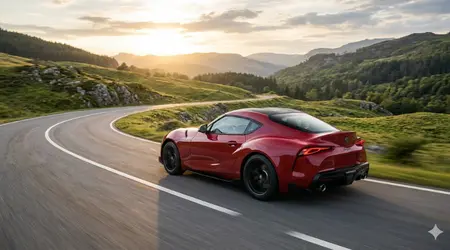
El mercado automovilístico moderno se enfrenta a una crisis existencial, ya que los motores eléctricos y los sistemas de conducción autónoma están despojando a la mecánica tradicional de su esencia.
En medio de este paisaje estéril, el Toyota Supra Se erige como un santuario desafiante para aquellos individuos que ansían el embriagador olor a gasolina.
Este coche le recuerda al mundo que conducir debería ser una forma de arte que despierte emociones, en lugar de un simple desplazamiento diario.
Piensa en los coches deportivos eléctricos modernos como teléfonos inteligentes digitales de alta eficiencia, mientras que el clásico cupé turbo funciona como un reloj mecánico de alta gama.
Puede que una ofrezca cifras de aceleración brutas más rápidas, pero la otra proporciona una experiencia compleja y artesanal que conecta profundamente con las emociones humanas.
Los verdaderos entusiastas de los automóviles siempre preferirán la obra maestra de la mecánica a una batería sin alma sobre ruedas.
Por ejemplo, en las concentraciones automovilísticas regionales de todo el mundo se registran aumentos masivos de asistencia cada vez que un deportivo de seis cilindros en línea bien conservado entra en el recinto de exhibición.
Los jóvenes entusiastas de la Generación Z se están alejando activamente de los vehículos eléctricos impersonales, prefiriendo el sonido potente y dramático del escape de los motores de combustión clásicos.
Este cambio cultural ha obligado a los fabricantes a replantearse sus ambiciosos plazos de electrificación para satisfacer la demanda real de los consumidores.
Además, el soporte de repuestos y accesorios para la generación actual ha alcanzado un máximo histórico, lo que permite a los propietarios personalizar sus vehículos de forma exhaustiva.
Desde paquetes de suspensión especializados hasta software de gestión del motor con mapas personalizados, la comunidad sigue ampliando los límites de lo que esta plataforma puede lograr.
Este próspero ecosistema garantiza que la insignia siga siendo relevante tanto en las calles como en internet.
¿Cómo ayuda la caja de cambios manual?
La reintroducción de una precisa transmisión manual de seis velocidades salvó a la generación actual de ser descartada por los puristas automovilísticos más acérrimos.
El cambio manual de marchas obliga al conductor a participar activamente en la transferencia dinámica de peso y la entrega de potencia del vehículo.
Esta conexión táctil transforma un simple paseo de fin de semana en una experiencia física memorable y sumamente atractiva.
¿Qué hace que el diseño del chasis sea especial?
Los ingenieros lograron una distribución de peso perfecta, del 50% en la parte delantera y del 50% en la trasera, lo que permite que el coche gire con gran precisión en las curvas cerradas del circuito.
Una corta distancia entre ejes combinada con una vía ancha crea una plataforma sumamente ágil que responde instantáneamente a los movimientos más sutiles del volante. Los conductores pueden aprovechar al máximo el agarre con absoluta confianza y precisión.
¿Cómo combate la electrificación?
Si bien las políticas públicas impulsan los vehículos de cero emisiones, los talleres de tuning personalizados están logrando que estos motores de seis cilindros en línea funcionen con éxito con combustibles sintéticos.
Esta innovación crucial permite a los entusiastas conservar la experiencia clásica de la combustión interna sin contribuir a la degradación ambiental tradicional.
Los combustibles sostenibles representan la salvación definitiva de la cultura de los coches deportivos clásicos.
¿Cómo logra la ingeniería moderna mantener vivo el espíritu?
Mantener una marca legendaria requiere equilibrar la tradición con las normativas de seguridad modernas y los estrictos estándares de emisiones de la empresa.
La corriente Toyota Supra Logra este difícil equilibrio mediante la utilización de tecnología de turbocompresión de doble entrada de vanguardia junto con algoritmos de control de tracción altamente sofisticados.
Esta integración ofrece un rendimiento excepcional en pista, al tiempo que mantiene la facilidad de conducción diaria y la seguridad estructural moderna.
Los puristas criticaron inicialmente la colaboración en materia de ingeniería que hay detrás de la última generación, pero las pruebas en pista rápidamente silenciaron a esos primeros escépticos de Internet.
La plataforma rígida ofrece unos niveles de rigidez estructural que superan los del legendario superdeportivo Lexus LFA, proporcionando una base increíblemente estable.
Esta excelencia en ingeniería garantiza que la versión moderna lleve el emblema histórico con absoluto honor y orgullo.
Para ilustrar esto, observemos cómo los equipos profesionales de drift utilizan los chasis modernos en los campeonatos internacionales de competición actuales.
El equilibrio inherente del coche permite a los conductores mantener ángulos de deslizamiento extremos a altas velocidades sin perder el control total del vehículo.
Este éxito competitivo a nivel mundial valida continuamente las decisiones de ingeniería tomadas durante el largo proceso de desarrollo del vehículo.
Según las estadísticas de matriculación mundiales, los aficionados a los coches deportivos compraron un número récord de unidades con transmisión manual en los últimos doce meses.
Esta fuerte demanda comercial demuestra que los conductores están dispuestos a pagar un precio superior por una ingeniería centrada en el rendimiento y que respete la historia. El mercado se ha pronunciado con claridad, exigiendo la continuidad de los deportivos puros.
¿Qué es la tecnología Twin-Scroll Turbo?
Este avanzado sistema de inducción forzada divide los pulsos de escape en canales separados, eliminando el retardo del turbo tradicional y maximizando el par motor a bajas revoluciones.
El conductor experimenta una respuesta instantánea del acelerador que se asemeja notablemente a la de un motor atmosférico de gran cilindrada. Esta tecnología proporciona una entrega de potencia lineal en todo el rango de revoluciones.
¿Por qué es crucial la rigidez estructural?
Un chasis de alta rigidez evita la flexión indeseada de la carrocería durante las curvas pronunciadas, lo que permite que la geometría de la suspensión funcione a la perfección.
Esta estabilidad mantiene la superficie de contacto del neumático plana contra el asfalto, maximizando el agarre en las curvas y mejorando la respuesta de la dirección.
Los conductores sienten con precisión lo que hacen las ruedas delanteras a través del volante.
¿Cómo nos ayudan los dispositivos electrónicos modernos?
El diferencial trasero activo ajusta los porcentajes de bloqueo en cuestión de milisegundos en función del ángulo de dirección, la posición del acelerador y la velocidad de cada rueda.
Esta distribución inteligente de potencia evita el sobreviraje repentino, al tiempo que permite a los conductores experimentados controlar el deslizamiento de la parte trasera cuando lo deseen. La tecnología potencia la habilidad del conductor, en lugar de mermarla.
Seguimiento de la evolución del rendimiento a través de las generaciones
El desarrollo mecánico de este deportivo insignia pone de manifiesto el constante avance de los parámetros de rendimiento automovilístico en las últimas cuatro décadas.
Los siguientes datos destacan las especificaciones técnicas clave a lo largo de las épocas más influyentes de esta icónica marca.
Matriz de comparación de rendimiento de productos estrella
| Generación de vehículos | Arquitectura del motor | Potencia de fábrica | Opciones de transmisión | Construcción estructural |
| Mark III (1986-1992) | Motor turbo de 6 cilindros en línea de 3.0 litros | 232 HP | Manual de 5 velocidades / Automático de 4 velocidades | Monocasco de acero |
| Mark IV (1993-2002) | Motor de seis cilindros en línea biturbo de 3.0 litros | 320 CV | Manual de 6 velocidades / Automático de 4 velocidades | Paneles de acero/aluminio |
| Mark V (Era Moderna) | Motor de seis cilindros en línea Twin-Scroll de 3.0 litros y doble entrada de gas | 382 CV | Manual de 6 velocidades / Automático de 8 velocidades | Acero de ultra alta resistencia |
La llama eterna de la interpretación japonesa
El legado perdurable de la Toyota Supra Representa una victoria triunfal para los puristas del automovilismo de todo el mundo que se niegan a dejar morir la pasión por conducir.
Esta máquina supo sortear con éxito los cambios en la normativa, las transformaciones corporativas y las transformaciones culturales sin perder su esencia como un coche para conductores intransigentes.
Al combinar la robustez mecánica histórica con la dinámica moderna del chasis, sigue siendo la referencia definitiva de lo que debe ser un verdadero coche deportivo.
A medida que nos adentramos en una era dominada por la automatización digital, este vehículo se erige como un glorioso monumento a la época dorada de la ingeniería de combustión interna, garantizando que la emoción de la carretera abierta siga siendo accesible para las futuras generaciones de conductores.
¿Cuál ha sido tu experiencia personal al volante de este icónico automóvil japonés? ¡Comparte tus recuerdos y reflexiones favoritas en la sección de comentarios!
Preguntas frecuentes
¿Por qué Toyota se asoció con BMW para la última generación?
Desarrollar desde cero un motor de seis cilindros en línea y una plataforma de tracción trasera a medida no es económicamente viable en el actual mercado de coches deportivos de bajo volumen.
Esta colaboración permitió a Toyota utilizar un sistema de propulsión de primera clase al tiempo que ajustaba el chasis para adaptarlo a su filosofía de rendimiento específica.
¿Puede el motor moderno soportar una puesta a punto tan exigente como el modelo antiguo?
Sí, el moderno motor B58 cuenta con un diseño de bloque cerrado y componentes internos forjados que toleran aumentos sustanciales de potencia.
Los preparadores de motores suelen extraer más de quinientos caballos de fuerza con modificaciones básicas y optimización de software.
¿Se convertirá este coche deportivo en un vehículo totalmente eléctrico en el futuro?
Si bien las estrategias corporativas siguen siendo flexibles, los entusiastas esperan que, a medida que las leyes mundiales sobre emisiones se endurezcan aún más, surjan sistemas de propulsión alternativos.
Sin embargo, actualmente la atención se centra en perfeccionar la dinámica de la combustión interna y en explorar la compatibilidad con combustibles sintéticos sostenibles.