
Comment prévenir la rouille sur les voitures dans les régions humides et côtières
Annonces
Comment prévenir la rouille demeure l'objectif principal des automobilistes circulant dans des environnements côtiers humides où l'air marin salé corrode rapidement les châssis des véhicules.
L'humidité saline se mélange à l'oxygène pour déclencher une oxydation électrochimique destructrice sur les panneaux d'acier non protégés des véhicules de banlieue côtiers.
Négliger l'entretien préventif régulier garantit une dégradation structurelle coûteuse, une chute vertigineuse de la valeur de revente et des compromissions dangereuses de la charpente au fil du temps.
Annonces
Les conducteurs avisés protègent leurs investissements automobiles en mettant en œuvre des stratégies anticorrosion agressives avant que l'oxydation ne s'installe.
La maîtrise des techniques de préservation des véhicules modernes nécessite de comprendre comment l'humidité s'infiltre dans les passages de roues cachés, les bas de caisse et les recoins du châssis.
Des études environnementales publiées par Association nationale des ingénieurs en corrosion Les données indiquent que les embruns salés côtiers réduisent de près de moitié la durée de vie standard des véhicules en l'absence de mesures préventives rigoureuses.
Imaginez la rouille comme un cancer invisible qui ronge silencieusement la carrosserie de votre voiture lorsqu'elle est garée à l'extérieur. Êtes-vous prêt à protéger votre véhicule contre cette dégradation côtière agressive ?
Stratégies de protection des véhicules côtiers
- Effectuer un rinçage complet du châssis à l'eau douce afin de dissoudre en toute sécurité les dépôts de sel marin accumulés.
- Application de modules anticorrosion électroniques professionnels et de revêtements protecteurs spécialisés à base de cire.
- Inspection des bouchons de vidange vulnérables et des joints d'étanchéité des bas de caisse pour détecter toute infiltration d'humidité.
- Réparer immédiatement les petits éclats de pierre avec de la peinture de retouche avant que l'oxydation ne se propage en dessous.
Comment le sel marin accélère-t-il l'oxydation du train d'atterrissage ?

Comment prévenir la rouille Cela commence par la reconnaissance du fait que les particules de sel marin en suspension dans l'air agissent comme un puissant accélérateur électrolytique des processus de corrosion électrochimique.
Lorsque le brouillard salé côtier se dépose sur le châssis exposé de votre voiture, il crée un film conducteur qui accélère l'oxydation du métal.
Imaginez laisser tomber un clou en fer dans de l'eau salée ; la réaction chimique détruit le métal beaucoup plus rapidement que l'eau de pluie seule.
Les planchers et les bras de suspension des véhicules subissent de plein fouet les assauts incessants des embruns lors des trajets quotidiens en bord de mer.
Les recherches en métallurgie automobile révèlent qu'une forte humidité combinée aux embruns salés augmente les taux de corrosion de plus de trois cents pour cent par rapport aux climats secs de l'intérieur des terres.
Les composants du train de roulement construits en acier à haute résistance subissent une corrosion par piqûres microscopique qui affaiblit silencieusement l'intégrité structurelle en cas de collision.
Un lavage régulier à haute pression élimine ces dépôts chimiques corrosifs avant qu'ils ne pénètrent dans les couches d'apprêt d'usine. Un rinçage préventif préserve durablement la structure mécanique de votre véhicule.
Pourquoi les interstices du châssis retiennent-ils l'humidité ?
Les sections de châssis cachées et les rebords des passages de roue contiennent des joints à recouvrement étroits qui retiennent indéfiniment l'eau stagnante et la boue salée.
En l'absence d'orifices de drainage adéquats en usine, l'humidité emprisonnée provoque une corrosion interne invisible. Un enduit régulier de cire dans les cavités permet de sceller complètement ces joints métalliques vulnérables.
++ Pourquoi le bruit des roulements de roue ne doit jamais être ignoré par le conducteurs
Comment fonctionnent les modules électroniques de rouille ?
Les systèmes électroniques de contrôle de la corrosion émettent un faible courant électrique à travers le corps métallique afin d'interrompre efficacement les réactions d'oxydation électrochimique.
Bien que contestées par certains mécaniciens traditionnels, de nombreuses flottes côtières les utilisent comme couche de défense secondaire. L'association de l'électronique et des revêtements physiques offre des résultats optimaux.
Lire aussi : Comment l'élimination des contaminants de peinture préserve la valeur de revente d'un véhicule
Quel est le rôle des mastics d'étanchéité en usine ?
Les constructeurs automobiles appliquent des revêtements de soubassement en PVC spécialisés pour amortir les impacts de pierres et empêcher le contact de l'humidité avec l'acier brut.
Au fil des années d'utilisation, les débris routiers érodent ces barrières protectrices, exposant le métal à nu à l'air salin. Les inspections annuelles du revêtement de soubassement permettent de détecter ces défaillances précocement.
Quels sont les meilleurs produits chimiques de protection et les meilleurs sprays à utiliser ?
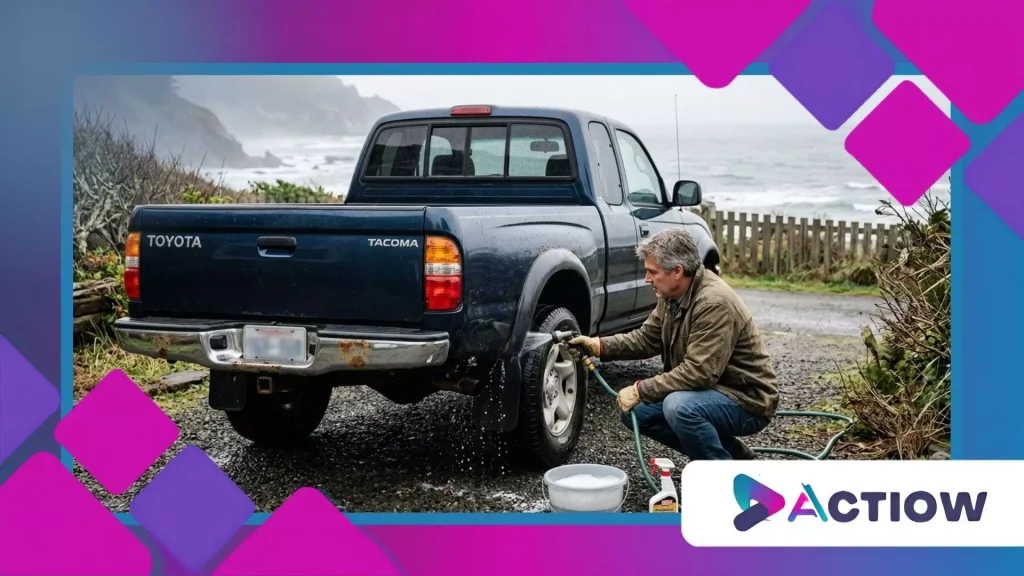
Comment prévenir la rouille nécessite l'application directe d'inhibiteurs de rouille professionnels à base de lanoline ou de pétrole sur les surfaces métalliques vulnérables du châssis.
Contrairement aux sous-couches caoutchoutées permanentes qui peuvent se fissurer et emprisonner l'humidité en dessous, les films fluides pulvérisés s'infiltrent activement dans les joints étroits.
Imaginez appliquer ces inhibiteurs huileux comme on enduit la peau de crème solaire avant de s'exposer au soleil tropical intense.
La barrière protectrice repousse les gouttelettes d'eau et neutralise efficacement les résidus de sel microscopiques existants.
Les spécialistes du detailing recommandent de renouveler l'application d'huile de protection sous le châssis chaque automne avant l'arrivée des fortes pluies hivernales et des tempêtes côtières.
Ces formules protectrices transparentes protègent les conduites de frein, les réservoirs de carburant et les boulons de suspension sans interférer avec l'entretien mécanique courant.
L'utilisation de produits d'étanchéité chimiques de qualité permet d'éviter des défaillances catastrophiques des composants à long terme. Un entretien judicieux garantit la sécurité et la valeur de revente.
En savoir plus: 10 signes indiquant que votre batterie de voiture pourrait tomber en panne avant l'arrivée de l'hiver
Pourquoi éviter les sous-couches caoutchoutées traditionnelles ?
Si un revêtement de soubassement caoutchouté subit une petite perforation due à des débris de la route, l'eau s'infiltre à l'intérieur et se retrouve piégée contre le panneau d'acier.
Cet environnement clos accélère fortement la formation de rouille cachée tout en masquant les dommages lors d'une inspection visuelle. Les inhibiteurs liquides éliminent ce risque de piégeage dangereux.
Comment la lanoline protège-t-elle le métal ?
Dérivée de la laine de mouton naturelle, la lanoline crée une barrière collante et non desséchante qui adhère obstinément au métal malgré la pluie battante et les projections d'eau de la route.
Il chasse activement l'humidité des surfaces humides et reste chimiquement stable malgré des variations de température extrêmes. Respect de l'environnement et performances supérieures.
Pouvez-vous appliquer vous-même des inhibiteurs de rouille ?
Les propriétaires de voitures équipés d'un cric de base, de chandelles de sécurité et d'une rallonge pour aérosol peuvent traiter efficacement le dessous de leur véhicule à domicile.
La pulvérisation exige d'éviter soigneusement les tuyaux d'échappement chauds et les surfaces de friction des freins afin de garantir le bon fonctionnement du véhicule. Une application professionnelle assure une couverture complète.
Quel est l’impact du stationnement et du stockage quotidiens sur les taux de corrosion ?
Comment prévenir la rouille Cela implique de choisir des emplacements de stationnement optimaux qui minimisent l'exposition directe à l'air marin corrosif et à la rosée matinale.
Laisser un véhicule stationné sur un sol nu ou sur de l'herbe permet à l'humidité du sol de s'évaporer directement dans le châssis non protégé pendant la nuit.
Imaginez enrouler une serviette humide autour d'une armature en acier à l'intérieur d'un récipient fermé ; la corrosion s'accélère rapidement dans l'air stagnant.
L'utilisation de garages fermés équipés de déshumidificateurs crée un environnement hostile à l'oxydation destructrice.
Les conditions météorologiques locales dans les régions côtières se caractérisent par des taux d'humidité élevés qui maintiennent les véhicules humides pendant une longue période le matin.
L'application d'une housse de voiture extérieure respirante et résistante aux intempéries empêche les embruns marins de se déposer directement sur la carrosserie peinte lorsque le véhicule est stationné.
Toutefois, il est indispensable de retirer régulièrement les bâches afin d'éviter que la condensation ne cause des dommages. Un stationnement judicieux permet de préserver l'esthétique extérieure impeccable.
Pourquoi se garer sur l'herbe est-il néfaste ?
L'humidité remonte continuellement du sol et de la végétation de la pelouse, saturant le dessous du véhicule d'air humide pendant toute la nuit.
Les dalles de stationnement en béton ou en asphalte réduisent considérablement l'exposition à l'humidité au niveau du sol et empêchent l'accumulation d'humidité. De simples aménagements de stationnement permettent d'obtenir des avantages significatifs en matière de préservation.
En quoi les housses de voiture respirantes sont-elles utiles ?
Les housses de voiture multicouches de haute qualité bloquent les embruns salés, les fientes d'oiseaux et les rayons UV tout en permettant à la vapeur d'eau emprisonnée de s'échapper librement.
Les bâches en plastique bon marché retiennent la condensation contre la peinture, ce qui abîme le vernis et accélère la formation de rouille. La qualité des matériaux est primordiale.
Quel est le rôle de la déshumidification du garage ?
L'utilisation d'un déshumidificateur électrique à l'intérieur d'un garage fermé permet de maintenir le taux d'humidité relative en dessous de cinquante pour cent, stoppant ainsi complètement les processus de corrosion actifs.
L'air sec constitue un excellent agent de conservation pour les voitures de collection comme pour les voitures de tous les jours. La climatisation préserve votre investissement automobile.
Matrice comparative de prévention de la corrosion des véhicules
Le tableau structuré ci-dessous compare différentes méthodes d'entretien anticorrosion en fonction du coût, de la fréquence d'application et de l'efficacité protectrice.
| Méthode de protection | Matériaux primaires utilisés | Fréquence d'application | Efficacité protectrice |
| Pulvérisation de film fluide | Inhibiteurs à base de lanoline | Annuellement (tous les 12 mois) | Extrêmement élevé (s'infiltre dans les coutures) |
| sous-couche caoutchoutée | mastics polymères PVC | Application unique en usine | Modéré (Susceptible de se fissurer avec le temps) |
| Rinçage du train d'atterrissage | Eau douce à haute pression | Toutes les deux semaines dans les zones côtières | Élevé (Élimine les films de sel corrosifs) |
Préserver votre véhicule contre la dégradation côtière
Maîtriser comment prévenir la rouille garantit que votre automobile reste sûre, fiable et visuellement époustouflante tout au long de sa durée de vie opérationnelle dans les environnements côtiers.
En combinant des rinçages réguliers du châssis à l'eau douce, des inhibiteurs de corrosion professionnels et des habitudes de stationnement intelligentes, vous vaincrez la corrosion marine agressive.
Un entretien proactif de votre véhicule protège votre investissement financier et prévient les pannes structurelles catastrophiques sur la route.
Ce week-end, prenez des mesures pour préserver la structure de votre voiture. Comment la protégez-vous des intempéries côtières ? Partagez votre expérience dans les commentaires ci-dessous !
Foire aux questions
À quelle fréquence dois-je laver ma voiture quand j'habite près de l'océan ?
Les résidents vivant à moins de trois kilomètres des rivages d'eau salée doivent laver leurs véhicules et rincer le dessous de caisse au moins une fois tous les dix jours afin d'éliminer le sel accumulé.
L'application de cire sur la peinture corporelle empêche-t-elle réellement la rouille ?
Oui, une cire automobile de haute qualité crée une barrière hydrophobe protectrice sur les vernis transparents, empêchant l'humidité et les particules de sel d'adhérer directement au métal peint.
Les modules électroniques antirouille ont-ils fait leurs preuves ?
Bien que les tests en laboratoire indépendants donnent des résultats mitigés, de nombreux exploitants de flottes dans des environnements extrêmes les utilisent avec succès comme moyen de défense complémentaire aux pulvérisations d'huile.
Est-il possible de stopper définitivement les points de rouille existants ?
La rouille superficielle à un stade précoce peut être poncée, traitée avec un convertisseur de rouille chimique et repeinte, mais la rouille structurelle profonde nécessite la découpe et le soudage du métal.
L'investissement dans un traitement antirouille professionnel est-il justifié ?
L'application professionnelle d'un revêtement de protection offre une couverture complète des cavités cachées du châssis, inaccessibles aux aérosols de bricolage, ce qui justifie pleinement son coût.