
La meilleure façon de protéger l'intérieur de votre voiture contre les dommages causés par les UV
Annonces
Best way to protect your car’s interior care starts with understanding how relentless solar radiation degrades dashboard plastics, leather upholstery, and electronic displays over time.
When parked outdoors under direct sunlight, interior temperatures can surge past 145°F within an hour, creating a greenhouse environment that bakes surfaces and breaks down protective chemical bonds.
According to data published by the Skin Cancer Foundation, standard glass blocks UVB rays effectively, but harmful UVA rays still penetrate untreated automotive side windows, accelerating color fading, cracking, and surface oxidation.
Annonces
Protecting your vehicle requires a proactive defense strategy combining physical sunscreens, modern ceramic window films, and specialized conditioning treatments designed to block damaging ultraviolet wavelengths.
What You Will Discover in This Guide
- Understanding Solar Damage: How heat and ultraviolet radiation ruin leather, vinyl, and interior electronics.
- Essential Protective Shielding: Practical physical barriers, window films, and tinting technologies that block rays.
- Surfaces Maintenance Routines: Daily care strategies, conditioning formulas, and deep-cleaning protocols for lasting defense.
- Comparison Matrix: A breakdown of modern defense solutions, costs, and UV attenuation efficiency.
- Frequently Asked Questions: Expert answers to top owner queries regarding interior longevity.
What Causes Vehicle Cabin Degradation Over Time?
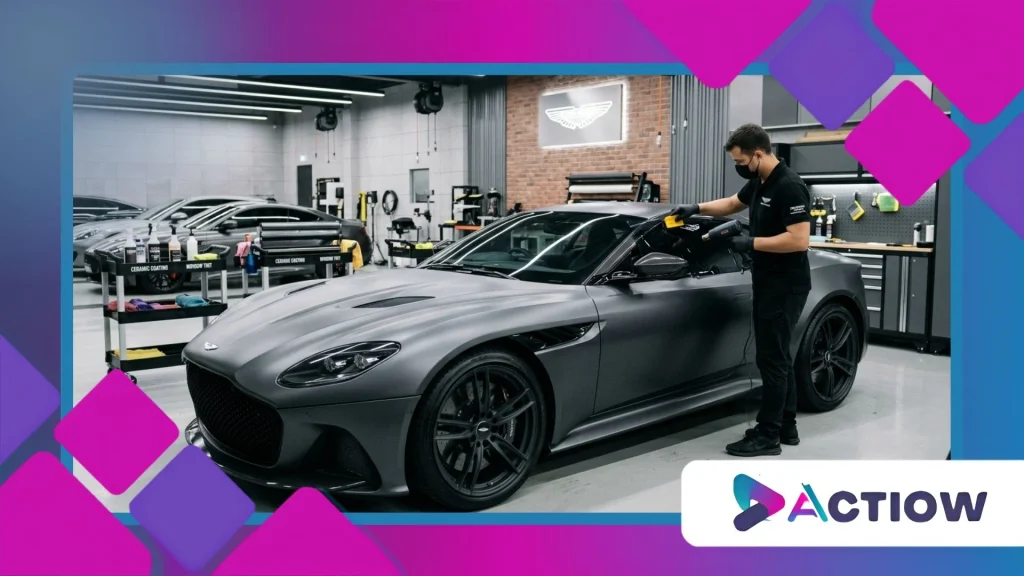
How Does Ultraviolet Radiation Destroy Leather, Plastic, and Electronics?
Ultraviolet light acts like a slow, invisible flame on your vehicle’s delicate interior trim materials.
Constant exposure breaks down the chemical polymers inside synthetic vinyl dashboards, causing volatile organic compounds to evaporate and settle as a greasy film on the inner windshield glass.
Leather seats suffer a similar fate, losing their natural moisture balance until the delicate hides crack, stiffen, and peel permanently under intense thermal stress.
Modern automotive touchscreens, digital instrument clusters, and infotainment sensors remain highly vulnerable to heat buildup behind untreated windshields.
Prolonged exposure causes liquid crystal displays to distort, delaminate, or experience premature backlight failure during hot summer months.
Investing in preventive care preserves aesthetic value and protects expensive electronic components from thermal failure.
++ Pourquoi le bruit des roulements de roue ne doit jamais être ignoré par le conducteurs
Why Is Surface Heat Build-up the Main Threat to Interior Quality?
Radiant heat acts as a powerful multiplier for ultraviolet destruction inside sealed automotive passenger cabins.
When infrared rays penetrate glass windows, thermal energy becomes trapped inside the closed vehicle cabin, creating extreme temperatures that distort dashboards and warp trim panels.
Think of your cabin as a thermal oven where every plastic fastener and leather panel undergoes constant thermal expansion and contraction cycles daily.
Have you ever wondered why dashboards crack right along the defroster vents before failing anywhere else on the surface?
These high-stress areas absorb concentrated thermal energy, which speeds up structural fatigue and moisture loss.
Controlling interior temperature spikes remains critical for preserving material integrity, color saturation, and factory finishes.
How Can You Block Rays Before They Reach Cabin Surfaces?
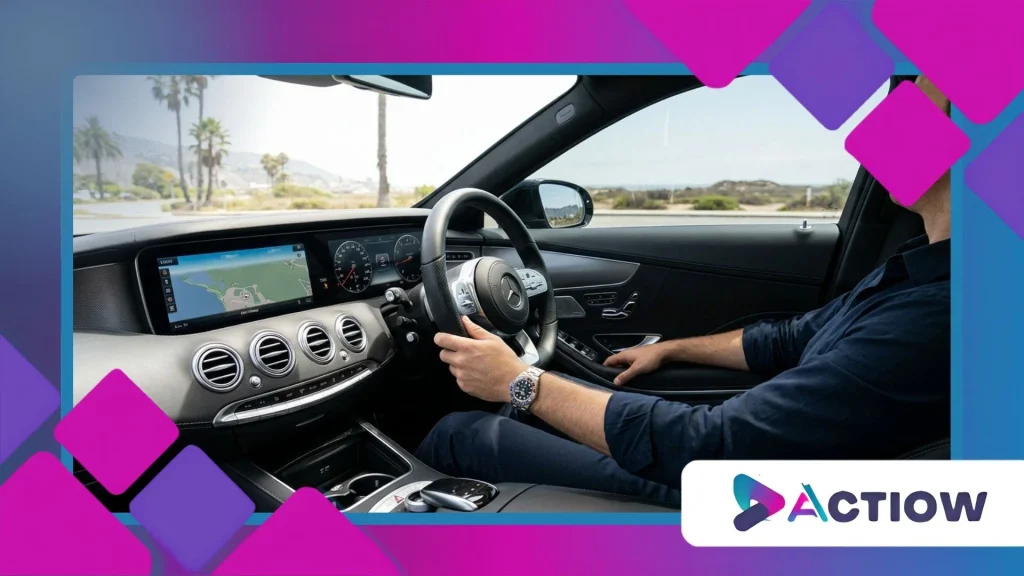
What Are the Top Benefits of Custom Windshield Sunshades?
Deploying a custom-fit folding sunshade immediately creates a durable barrier between incoming solar radiation and your front cabin components.
Unlike cheap generic pop-up shades, custom-molded shields fit flush against your windshield pillars, preventing stray light leaks that damage dashboard top-coat treatments over time.
Modern multi-layer reflective screens bounce up to 99 percent of harmful UV rays out through the windshield, reducing cabin heat drastically.
Consistently placing a quality shade in your windshield reduces interior surface temperatures by up to 40 degrees Fahrenheit during peak afternoon hours.
This drop in cabin heat prevents vinyl trim off-gassing, eliminates steering wheel hot spots, and protects fragile dashboard wiring harnesses.
Using a custom shade represents a cost-effective best way to protect your car’s interior from heat damage.
Lire aussi : Comment l'élimination des contaminants de peinture préserve la valeur de revente d'un véhicule
How Do Modern Ceramic Window Tints Shield Vehicle Interiors?
Ceramic window tinting represents one of the most effective technological advancements in modern automotive surface protection.
Unlike traditional dyed or metallic films, ceramic tints utilize non-conductive ceramic nanoparticles that absorb high levels of infrared radiation without interfering with electronic cellular signals or GPS tracking.
These advanced optical films block virtually all incoming ultraviolet light while maintaining optical clarity for comfortable night driving conditions.
Installing quality ceramic film across side and rear windows creates a permanent thermal barrier around passenger seating areas.
This continuous defense prevents leather seats from drying out prematurely while reducing air conditioning workloads during severe heat waves.
Vehicle owners seeking long-term preservation rely on ceramic film installations to maintain cabin comfort and preserve vehicle resale value.
Which Conditioning Routines Keep Interior Materials Intact?
How Should You Clean and Hydrate Leather Seats to Prevent Cracking?
Proper leather care requires regular deep cleaning followed by targeted hydration using specialized pH-balanced formulations.
Dirt particles act like harsh abrasive sandpapers, rubbing away protective factory topcoats whenever passengers slide into their seats.
Wiping hides clean using soft microfiber towels removes abrasive debris before applying breathable conditioners infused with chemical UV inhibitors.
Hydrating fine automotive leather every three months restores vital lipids destroyed by ambient cabin heat and direct light.
Quality leather conditioners penetrate deep into natural pores without leaving greasy, sticky residues that attract dust and dirt particles.
Consistent care maintains natural flexibility, prevents unsightly stress cracks, and preserves soft leather finishes for years of daily driving enjoyment.
En savoir plus: 10 signes indiquant que votre batterie de voiture pourrait tomber en panne avant l'arrivée de l'hiver
What Formulations Work Best for Synthetic Dashboards and Door Panels?
Synthetic vinyl and polyurethane trim panels require specialized non-silicone dressings designed specifically for automotive interior applications.
Cheap petroleum distillates create high-gloss shine initially, but they magnify heat waves and accelerate vinyl cracking over time.
Matte-finish UV protectant sprays form clear barrier coats that repel dust, block harmful rays, and preserve factory interior appearance without distracting reflections.
Applying matte vinyl dressings once every month creates a durable protective shield over critical dashboard top surfaces.
These advanced formulas incorporate UV blockers that absorb solar radiation before it damages synthetic polymer chains underneath.
Practicing consistent surface maintenance serves as a best way to protect your car’s interior from premature aging.
Comprehensive UV Defense Solutions Compared
Evaluating interior protection solutions helps owners choose effective combinations based on local climate conditions and budgets.
Combining physical sunshades, window films, and protective chemical coatings delivers complete defense against heat and solar radiation.
| Protection Solution | Fonction principale | Heat Reduction Efficiency | Estimated Longevity | Maintenance Required |
| Custom Reflective Sunshade | Direct windshield heat barrier | High (40°F reduction) | 3 – 5 Years | None (Manual setup) |
| Nano-Ceramic Window Tint | 360-degree UV & Infrared rejection | Very High (up to 70%) | Lifetime | Occasional gentle cleaning |
| UV-Inhibited Leather Conditioner | Hydration & pore sealing | None (Surface moisture only) | 3 Months | Quarterly application |
| Matte Vinyl & Trim Protectant | Synthetic polymer shield | Minimal | 1 Month | Monthly wipe-down |
| Perforated Mesh Side Shades | Temporary side window diffusion | Modéré | 1 – 2 Years | Remove during rain/night |
Preserving Long-Term Cabin Value and Comfort
Securing your vehicle’s cabin against ongoing environmental degradation requires regular maintenance routines, quality protective products, and smart parking habits.
Combining physical barriers like custom windshield shades with advanced ceramic window films provides comprehensive protection against intense heat and harmful ultraviolet light exposure.
Taking proactive care preserves interior trim materials, maintains leather soft-touch quality, and shields sensitive infotainment electronics from severe thermal damage.
Adopting these maintenance protocols safeguards daily comfort and preserves long-term resale value when trading in your automobile.
Modern car buyers pay premium prices for vehicles showing immaculate interior condition free from faded leather, cracked dashboards, or sticky vinyl trim panels.
Regular application of UV protectants remains a proven best way to protect your car’s interior over years of continuous ownership.
How do you plan to upgrade your interior care routine this season? Share your thoughts and experience in the comments below!
Foire aux questions
Does standard car window glass block UV radiation naturally?
Standard automotive glass blocks UVB rays effectively, but side windows allow significant levels of UVA radiation to pass through into passenger areas. Installing ceramic tint films provides full protection across all light spectrums.
How often should UV protectant spray be applied to the dashboard?
Applying a non-silicone, matte-finish protectant every 30 days maintains optimal UV defense for synthetic dashboard surfaces. Frequent applications ensure continuous chemical protection during hot summer months.
Can tinting the front windshield legally protect the interior?
Many jurisdictions allow clear ceramic window films applied across windshields that block UV rays without lowering light transmission. Check local traffic safety regulations regarding tint percentages before installation.
Do seat covers prevent leather from cracking under heat?
Quality breathable seat covers shield leather surfaces from direct sunlight exposure and surface friction. However, conditioning hides under covers remains necessary to maintain natural moisture balance.
Is ceramic coating effective for car interior surfaces?
Specialized interior ceramic coatings create hydrophobic, stain-resistant surface layers on leather and plastic components. These coatings provide durable UV protection while preventing deep oil stains and liquid discoloration.
