
Fuites du tuyau du turbo qui réduisent silencieusement les performances du moteur
Annonces
Fuites du tuyau du turbo Ils détruisent silencieusement l'efficacité des moteurs turbocompressés modernes, en vidant la pression de suralimentation vitale avant même que les conducteurs ne remarquent les voyants d'avertissement sur le tableau de bord.
Les voitures de tourisme hautes performances d'aujourd'hui s'appuient fortement sur des systèmes de suralimentation pour extraire une puissance maximale de moteurs compacts et économes en carburant.
Une fissure microscopique dans une conduite d'admission en caoutchouc oblige votre turbocompresseur à travailler deux fois plus, générant une chaleur excessive et consommant davantage de carburant.
Annonces
Détecter rapidement ces pertes de pression cachées permet de préserver les composants internes de votre moteur et d'éviter des pannes mécaniques catastrophiques sur l'autoroute.
Les ingénieurs conçoivent des circuits d'admission capables de résister à d'importantes variations de pression atmosphérique sous de fortes charges d'accélération, dans des conditions de conduite exigeantes.
Négliger les petites fuites de suralimentation transforme un simple remplacement de caoutchouc bon marché en une facture de remplacement de turbocompresseur onéreuse par la suite.
Considérez votre système de plomberie à induction comme un système circulatoire humain ; une minuscule perforation finit par provoquer un épuisement systémique.
Êtes-vous prêt à détecter les pertes de puissance moteur cachées avant qu'elles ne perturbent vos trajets quotidiens ?
Navigation dans les diagnostics de pression de suralimentation
- Localisation des microfissures du caoutchouc et des zones d'infiltration d'huile le long des conduites d'admission.
- Interpréter les baisses soudaines de consommation de carburant et la lenteur de la réponse de l'accélérateur lors de l'accélération.
- Mise en œuvre de procédures professionnelles de test de fumée pour localiser les fuites d'air sous pression invisibles.
- Remplacement des raccords en silicone dégradés par des composants de rechange multicouches renforcés.
Quelles sont les causes de la défaillance silencieuse des durites de suralimentation au fil du temps ?
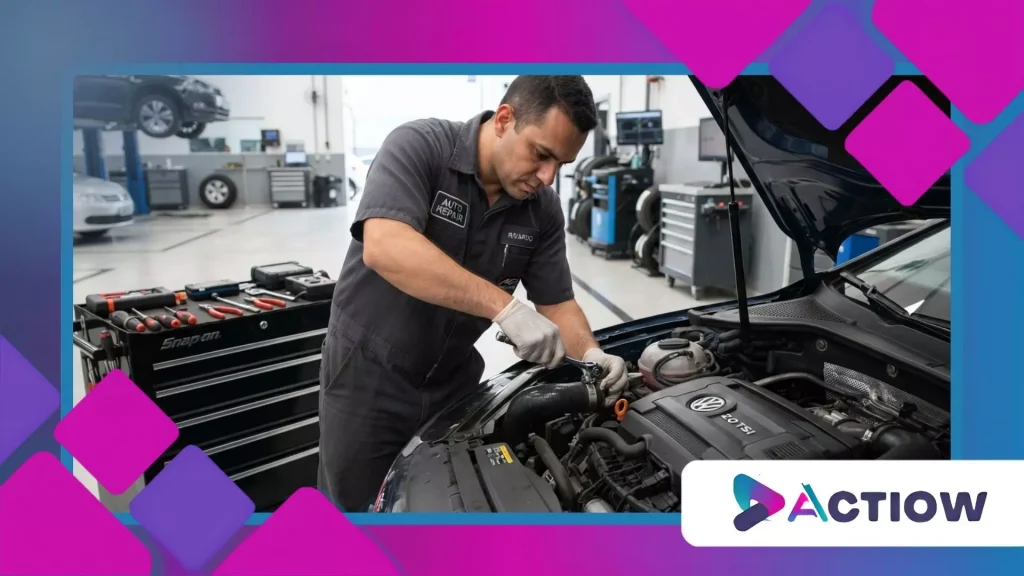
Fuites du tuyau du turbo se développent progressivement à mesure que les températures élevées sous le capot et la dilatation constante de la pression dégradent les composés de caoutchouc d'origine au fil des années de fonctionnement.
Les vibrations constantes dues au mouvement du moteur mettent à rude épreuve les joints en silicone souple, provoquant des déchirures microscopiques près des points de connexion des colliers métalliques.
Imaginez étirer un élastique des milliers de fois par jour jusqu'à ce que le matériau perde son élasticité et se casse subitement.
Les vapeurs d'huile provenant du compartiment moteur ramollissent également les parois internes en caoutchouc de l'intérieur, accélérant ainsi la dégradation structurelle.
Des recherches sur la fiabilité automobile publiées par Société des ingénieurs automobiles indique que la fatigue thermique est responsable de plus de la moitié des défaillances des tuyaux d'admission flexibles.
Lorsque les conduites flexibles se ramollissent, elles se dilatent comme des ballons sous la pression de suralimentation, restreignant ainsi le flux d'air régulier vers le collecteur d'admission.
Lors des inspections visuelles classiques, les mécaniciens passent souvent à côté de ces défaillances structurelles subtiles, car les fissures restent dissimulées sous les lourds ressorts de serrage. Un contrôle tactile proactif permet de déceler les zones molles et spongieuses bien avant la rupture complète.
Pourquoi la chaleur sous le capot détruit-elle le caoutchouc ?
Les températures de fonctionnement extrêmes à l'intérieur des compartiments moteur modernes et exigus cuisent les tuyaux en caoutchouc d'origine, transformant au fil du temps un matériau souple en plastique cassant.
Les cycles thermiques constants dégradent les liaisons croisées du polymère, fragilisant les conduites et les rendant susceptibles de se rompre sous forte pression de suralimentation. Un blindage permet de maintenir les températures d'admission à un niveau acceptable.
++ Pourquoi le bruit des roulements de roue ne doit jamais être ignoré par le conducteurs
Comment la contamination par l'huile fragilise-t-elle les tuyaux ?
Le système PCV, par reflux, dépose l'huile moteur imbrûlée directement dans le conduit d'admission, attaquant le caoutchouc standard de l'intérieur vers l'extérieur.
Les conduites industrielles non renforcées gonflent et se délaminent lorsqu'elles sont exposées de façon prolongée aux hydrocarbures pétroliers. Le passage au fluorosilicone permet d'éviter ce phénomène.
Lire aussi : Comment l'élimination des contaminants de peinture préserve la valeur de revente d'un véhicule
Quel est le rôle des pinces à ressort ?
Les colliers de serrage à ressort d'origine perdent de leur force de serrage avec le temps, permettant à l'air sous pression de s'échapper progressivement par les joints mal ajustés.
Le remplacement des colliers d'origine fragiles par des boulons en T robustes garantit une pression d'étanchéité uniforme sur toute la circonférence du tuyau. Une tension adéquate élimine les fuites récurrentes.
Comment identifier les pertes de pression cachées en conduisant ?

Fuites du tuyau du turbo Les premiers signes sont un sifflement aigu et subtil lors des fortes accélérations, suivi d'une réponse lente de l'accélérateur et d'un délai de déclenchement du turbo.
Les conducteurs confondent fréquemment cette perte de puissance avec une pompe à carburant défaillante ou un convertisseur catalytique obstrué, au lieu d'une simple durite déchirée.
Imaginez essayer de gonfler un ballon de fête crevé ; peu importe vos efforts, la pression refuse de monter correctement.
Les calculateurs de gestion moteur tentent de compenser en injectant davantage de carburant dans les cylindres, ce qui entraîne une baisse notable de la consommation.
Les moniteurs de données de diagnostic révèlent souvent des relevés de pression absolue du collecteur inférieurs aux spécifications cibles du fabricant lors des tests de diagnostic à plein régime.
Les moteurs turbocompressés modernes s'appuient sur un système de rétroaction en boucle fermée strict pour détecter les écarts de suralimentation et déclencher des modes de sécurité dégradés en cas de chute de pression importante.
Ignorer ces signaux électroniques oblige la turbine du turbocompresseur à tourner à des vitesses dangereusement élevées pour compenser la perte de pression.
La détection précoce de ces symptômes permet de protéger les composants internes coûteux contre la surchauffe.
En savoir plus: 10 signes indiquant que votre batterie de voiture pourrait tomber en panne avant l'arrivée de l'hiver
Pourquoi le temps de latence de Boost augmente-t-il de façon si spectaculaire ?
L'air comprimé qui s'échappe oblige le turbocompresseur à travailler en surrégime pour tenter d'atteindre les niveaux de suralimentation cibles demandés par le calculateur moteur.
Ce délai crée une zone morte frustrante dans la réponse de l'accélérateur au démarrage aux feux rouges. Des réparations rapides rétablissent une distribution de couple instantanée.
Comment les pics de correction de carburant indiquent-ils des fuites ?
L'air non mesuré qui s'échappe par les tuyaux fendus fausse les calculs du rapport air-carburant surveillés par les capteurs d'oxygène dans le flux d'échappement.
Le calculateur moteur détecte un mélange pauvre et augmente le volume de carburant injecté afin d'éviter tout dommage interne. Une consommation de carburant élevée révèle un défaut mécanique sous-jacent.
Qu'est-ce qu'un diagnostic par test de fumée ?
Les techniciens injectent de la fumée dense à basse pression dans le système d'admission, moteur éteint, afin de localiser visuellement les vapeurs qui s'échappent.
Des volutes de fumée s'échappant de fissures cachées dans les tuyaux révèlent instantanément les points de défaillance exacts. Cette méthode infaillible élimine toute incertitude.
Quelles sont les meilleures pratiques pour la réparation permanente des tuyaux ?
Fuites du tuyau du turbo nécessitent un remplacement complet par des tuyaux en silicone multicouche de haute qualité ou en fibre aramide renforcée plutôt que par des réparations temporaires à l'aide de ruban adhésif.
Les rubans adhésifs temporaires ou les bandes de silicone ne peuvent pas résister aux pressions internes extrêmes générées par les systèmes de refroidissement intermédiaires modernes lors d'une accélération maximale.
Imaginez réparer un tuyau d'arrosage haute pression avec de la colle ménagère ; dès que vous ouvrez le robinet, la réparation explose.
Investir dans des câbles de remplacement de qualité supérieure élimine définitivement les vulnérabilités aux points de connexion.
Les mécaniciens spécialisés en performance recommandent de nettoyer soigneusement toutes les surfaces de contact des tuyaux d'échangeur en aluminium avec du nettoyant pour freins avant d'installer de nouveaux raccords en silicone.
L'élimination des résidus huileux assure une friction maximale entre la tuyauterie métallique et la paroi intérieure en caoutchouc, empêchant ainsi les tuyaux de se détacher sous la pression de suralimentation.
Le serrage des colliers de serrage en T selon des spécifications de couple précises garantit une étanchéité parfaite pendant toute la durée de vie du véhicule.
Une technique d'installation appropriée garantit la fiabilité à long terme des moteurs réglés.
Pourquoi les réparations temporaires à l'aide de ruban adhésif échouent-elles ?
Le ruban adhésif perd instantanément son pouvoir adhésif lorsqu'il est exposé à des huiles moteur chaudes et à des pressions de suralimentation atmosphériques élevées.
Les cycles de chaleur intenses font fondre les colles, permettant à l'air comprimé de déchirer violemment la rustine. Le remplacement mécanique définitif demeure la seule solution viable.
En quoi les tuyaux en silicone renforcé sont-ils utiles ?
Les tuyaux en silicone multicouches, renforcés par des couches internes de tissu tissé, résistent au gonflement et à l'expansion sous des charges de suralimentation maximales.
Ces composants haut de gamme résistent à des températures supérieures à 400 degrés Fahrenheit sans se dégrader ni se fissurer. Leur remplacement offre une durée de vie supérieure à celle des pièces en caoutchouc d'origine.
Pourquoi le nettoyage des canalisations est-il crucial avant leur installation ?
Le film d'huile résiduel à l'intérieur des tuyaux de l'échangeur agit comme un lubrifiant, ce qui provoque le glissement des tuyaux nouvellement installés sous haute pression.
Un séchage complet des surfaces de contact avec un solvant sans résidus garantit une adhérence mécanique optimale. La propreté assure la durabilité de la réparation.
Matrice comparative des pannes et de la maintenance des systèmes de suralimentation
Le tableau structuré ci-dessous compare les symptômes de dégradation des durites de suralimentation avec les résultats des interventions de maintenance appropriées sur les différentes plateformes de moteurs turbocompressés.
| Métrique d'inspection | Tuyaux en caoutchouc d'usine endommagés | Conduites en silicone renforcées améliorées |
| Limite de pression d'éclatement | Faible (Risques de répartition en cas de pic de puissance) | Élevée (Résiste à une suralimentation extrême modifiée) |
| résistance thermique | Mauvaise qualité (cassante après des années de chaleur du moteur) | Excellent (Conserve sa flexibilité jusqu'à 400 °F) |
| Impact sur l'efficacité énergétique | Négatif (Provoque un fonctionnement riche et une consommation élevée) | Positif (Rétablit les rapports air-carburant optimaux) |
| Espérance de vie | 3 à 5 ans avant le pourrissement du caoutchouc | Durée de vie supérieure à 10 ans avec la quincaillerie de serrage appropriée |
Préserver les performances et l'efficacité optimales du moteur
Fuites du tuyau du turbo Elles réduisent silencieusement la puissance du moteur et le rendement énergétique, faisant de l'inspection proactive un élément essentiel d'une possession responsable d'un véhicule.
En remplaçant les conduites en caoutchouc dégradées par des alternatives en silicone renforcé de haute qualité, vous protégez votre turbocompresseur des dommages liés à la survitesse et vous retrouvez une réponse précise à l'accélérateur.
Un véritable entretien automobile repose sur la détection des petites vulnérabilités pneumatiques avant qu'elles ne se traduisent par des factures de réparation mécanique coûteuses.
Profitez de ce week-end pour inspecter les raccords de votre système de refroidissement intermédiaire afin de détecter d'éventuelles fissures cachées et des fuites d'huile.
Comment allez-vous optimiser le système d'admission de votre véhicule pour une fiabilité maximale cette saison ? Partagez votre expérience dans les commentaires ci-dessous !
Foire aux questions
Une fuite de suralimentation peut-elle déclencher l'allumage du voyant moteur sur mon tableau de bord ?
Oui, les fuites de suralimentation importantes entraînent l'enregistrement par le calculateur moteur d'un code d'erreur persistant de sous-pression, ce qui déclenche le voyant moteur et provoque souvent le passage en mode dégradé à puissance réduite.
Une petite fissure dans l'admission d'air peut-elle affecter la consommation de carburant quotidienne de ma voiture ?
Même de légères pertes de pression obligent le système de gestion du moteur à injecter davantage de carburant pour compenser l'air non mesuré, ce qui entraîne une baisse notable de la consommation de carburant sur autoroute.
À quelle fréquence dois-je inspecter les tuyaux et les durites en caoutchouc de mon échangeur air-air ?
Un contrôle visuel et tactile approfondi de tous les tuyaux d'admission flexibles tous les six mois ou lors de chaque vidange d'huile de routine permet de détecter rapidement le dessèchement et le desserrage des colliers de serrage.
Les durites de suralimentation en silicone de rechange sont-elles meilleures que les pièces d'origine ?
Les durites en silicone multicouches de rechange sont dotées d'un tressage en tissu renforcé qui résiste bien mieux à la dilatation thermique et à la dégradation par l'huile que les composants en caoutchouc monocouches d'origine.
Puis-je conduire ma voiture en toute sécurité alors que je sais qu'une durite de turbo est fendue ?
Rouler avec une durite de suralimentation déchirée oblige la turbine du turbocompresseur à tourner à des vitesses dangereusement élevées, ce qui risque d'entraîner une défaillance prématurée des roulements et des dommages potentiels au moteur dus à l'ingestion de débris non mesurés.