
Il vero motivo per cui le muscle car classiche sono scomparse negli anni '70
Annunci
Muscle Car Ha definito un'era di pura potenza, design audaci e prestazioni da brivido che hanno catturato l'immaginazione degli automobilisti americani.
Alla fine degli anni '60, le case automobilistiche riuscirono a installare enormi motori V8 su coupé di medie dimensioni a prezzi accessibili, creando un fenomeno culturale immediato.
Tuttavia, con l'arrivo degli anni '70, quest'epoca d'oro giunse a una fine improvvisa e drammatica.
Annunci
Gli ingegneri non potevano più costruire veicoli progettati esclusivamente per le accelerazioni in pista senza dover affrontare gravi conseguenze legislative ed economiche.
Anziché un singolo evento catastrofico, una combinazione micidiale di pressioni politiche, ambientali e finanziarie ha schiacciato l'industria automobilistica ad alte prestazioni.
Comprendere questo crollo storico rivela come il design automobilistico moderno si sia evoluto per soddisfare rigorosi standard di efficienza.
Vi siete mai chiesti quale fattore specifico abbia dato il colpo di grazia a queste leggendarie bestie V8?
Cosa esplora questa analisi
- Indagine su come la legge federale sull'aria pulita del 1970 abbia costretto le case automobilistiche a ridurre drasticamente i rapporti di compressione dei motori.
- Analisi dell'impatto devastante dell'impennata dei premi assicurativi sui giovani acquirenti di auto sportive.
- Analisi degli embarghi petroliferi globali che hanno spostato la domanda dei consumatori verso importazioni di piccole dimensioni e a basso consumo di carburante.
- Confronto delle specifiche tecniche tra i modelli di punta e i loro successori depotenziati degli anni '70.
Quali normative federali hanno decretato la fine dei motori ad alto numero di ottano?
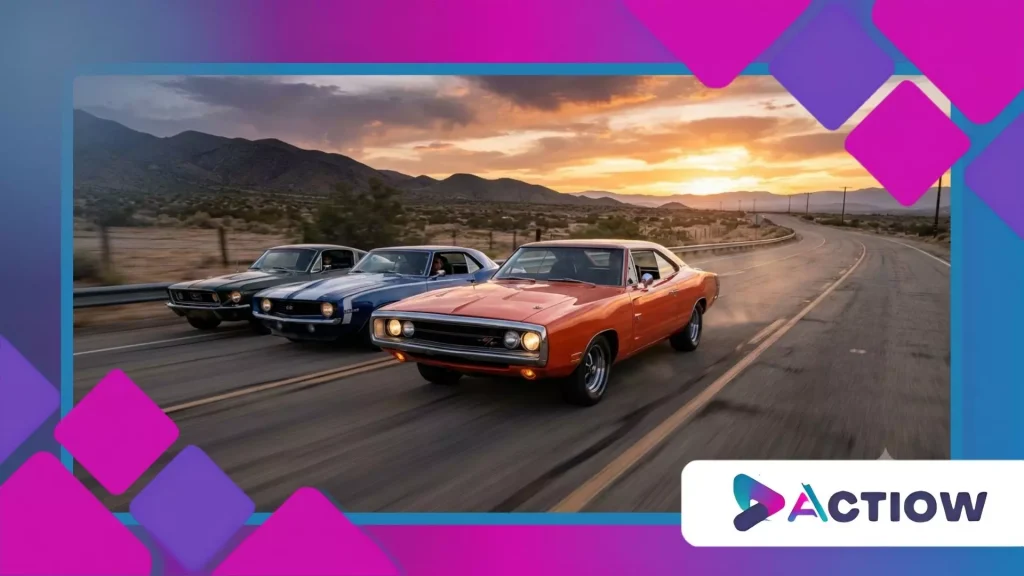
Muscle Car La prima sfida insormontabile si presentò quando il Congresso degli Stati Uniti approvò la storica legge sull'aria pulita (Clean Air Act) del 1970.
Questo provvedimento federale imponeva alle case automobilistiche di ridurre drasticamente le emissioni nocive dallo scarico, costringendo gli ingegneri a riprogettare le testate dei cilindri del motore e i collettori di scarico.
Per conformarsi alle nuove normative federali, i produttori dovettero ridurre i rapporti di compressione in modo che i motori potessero funzionare con benzina senza piombo.
Secondo il Agenzia statunitense per la protezione dell'ambiente, Le normative sulle emissioni automobilistiche hanno portato a un calo immediato della potenza dei motori di tutti i principali produttori nazionali tra il 1971 e il 1972.
L'introduzione di convertitori catalitici pesanti nel 1975 limitò ulteriormente il flusso dei gas di scarico, trasformando le ex auto da corsa in lenti veicoli per pendolari.
La benzina ad alto numero di ottano con piombo scomparve rapidamente dalle stazioni di servizio, neutralizzando di fatto i motori V8 ad alta compressione che avevano caratterizzato l'epoca d'oro delle muscle car di Detroit.
Perché i rapporti di compressione sono calati così rapidamente?
Le case automobilistiche hanno ridotto il rapporto di compressione da 10,5:1 a 8,5:1 per consentire ai motori di bruciare in sicurezza carburante senza piombo a basso numero di ottano.
La minore compressione ha ridotto direttamente il calore nella camera di combustione, diminuendo significativamente le emissioni tossiche di ossidi di azoto nell'atmosfera.
Sfortunatamente, questa necessaria modifica ingegneristica ha privato i motori di cinquanta o cento cavalli da un giorno all'altro.
++ Perché le auto a due tempi sono scomparse nonostante la loro semplice ingegneria?
In che modo la potenza netta SAE ha modificato i dati?
Nel 1972, Detroit passò dalle valutazioni di potenza lorda agli standard SAE di potenza netta per fornire misurazioni realistiche delle prestazioni.
La potenza lorda è stata misurata su un banco prova senza accessori che assorbono potenza, come pompe dell'acqua, alternatori o sistemi di scarico di serie.
Le valutazioni nette misuravano la potenza al volano con tutti gli accessori di produzione installati, causando un drastico calo dei valori dichiarati sulla carta.
Leggi anche: Perché la Toyota Supra è tornata a essere una leggenda nel 2026
Che ruolo hanno avuto i convertitori catalitici nella perdita di prestazioni?
I convertitori catalitici di prima generazione introducevano strutture ceramiche a nido d'ape restrittive che limitavano il flusso dei gas di scarico fuori dal blocco motore.
Questa eccessiva contropressione dei gas di scarico soffocava la respirazione ad alti regimi, impedendo ai motori di grossa cilindrata di raggiungere le loro fasce di potenza ottimali.
I conducenti hanno immediatamente notato una risposta lenta dell'acceleratore e una completa perdita di coppia ai bassi regimi durante le accelerazioni brusche.
In che modo le compagnie assicurative hanno annientato il potere d'acquisto dei giovani?
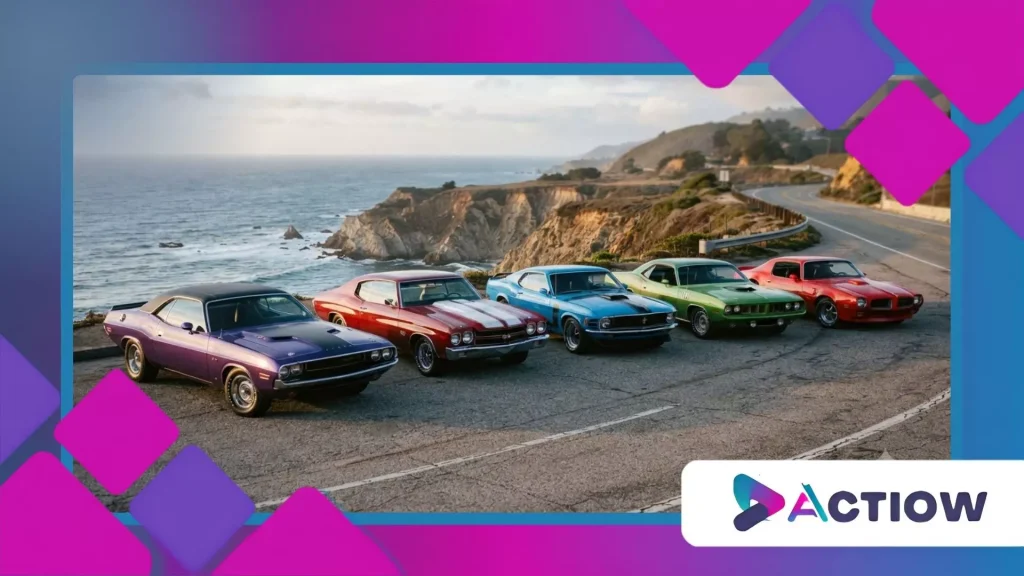
L'aumento vertiginoso dei costi assicurativi ha inferto un altro colpo fatale a Muscle Car proprio mentre i giovani automobilisti si riversavano nelle concessionarie.
I dati attuariali delle principali compagnie assicurative hanno rivelato che i giovani conducenti di sesso maschile alla guida di veicoli ad alta potenza sono coinvolti in un numero sproporzionato di incidenti stradali gravi.
Le compagnie assicurative hanno reagito creando fasce di sovrapprezzo specializzate per i soggetti ad alto rischio, rendendo l'assicurazione di un veicolo di grossa cilindrata proibitivamente costosa per i lavoratori medi.
Immaginate un operaio ventenne che nel 1971 cerca di assicurare una nuovissima Chevy Chevelle SS 454.
Il premio assicurativo annuale spesso eguagliava o superava la rata mensile del finanziamento del veicolo, raddoppiando di fatto il costo totale di proprietà.
Questa barriera finanziaria ha eliminato il segmento demografico principale che aveva alimentato il mercato, costringendo le concessionarie a offrire sconti considerevoli sui modelli ad alte prestazioni solo per smaltire le scorte.
Per saperne di più: La storia nascosta delle donne nelle prime corse motociclistiche
Perché gli attuari hanno puntato sulle coupé ad alte prestazioni?
Le compagnie di assicurazione hanno iniziato a monitorare il rapporto potenza-peso dei veicoli per identificare i modelli ad alto rischio che presentavano responsabilità estreme in caso di incidente.
I veicoli con un rapporto peso/potenza inferiore a dieci libbre hanno subito aumenti tariffari immediati e consistenti, indipendentemente dalla storia di guida del proprietario.
Questa profilazione statistica ha reso economicamente insostenibile per gli appassionati della classe operaia possedere un'auto da corsa leggera.
In che modo l'eccesso di velocità sulle autostrade ha contribuito all'aumento dei tassi di interesse?
La rapida espansione del sistema autostradale interstatale ha portato a un aumento della velocità del traffico e a un conseguente incremento degli incidenti mortali dovuti all'alta velocità.
Le forze di polizia stradale statali si sono battute con forza per limiti di velocità rigorosi e hanno preso provvedimenti contro le corse clandestine su strada nei quartieri residenziali.
Le compagnie assicurative hanno utilizzato queste statistiche in aumento sugli incidenti per giustificare ingenti aumenti delle tariffe per tutte le fasce di prezzo dei veicoli ad alte prestazioni.
I sovrapprezzi hanno spinto gli acquirenti a scegliere auto economiche?
Di fronte a costi assicurativi annuali astronomici, i giovani acquirenti hanno abbandonato le concessionarie di auto sportive e hanno optato invece per auto compatte ed economiche.
Modelli come la Ford Pinto e la Chevrolet Vega offrivano tariffe assicurative accessibili e un mezzo di trasporto quotidiano pratico senza gravare sulle finanze.
A causa di queste forti pressioni economiche, le vendite di pacchetti ad alte prestazioni da parte delle concessionarie sono crollate quasi da un giorno all'altro.
Perché le crisi del gas hanno modificato in modo permanente le preferenze dei consumatori?
L'embargo petrolifero dell'OPEC del 1973 ha messo in luce l'estrema vulnerabilità dei paesi che consumano enormi quantità di gas. Muscle Car in un'epoca di improvvisa scarsità di carburante.
Con l'esaurimento delle forniture di petrolio greggio, si sono formate lunghe code alle stazioni di servizio in tutto il paese e i prezzi del carburante sono quadruplicati nel giro di pochi mesi.
Guidare un veicolo che consumava appena otto miglia per gallone si è improvvisamente trasformato da motivo di orgoglio in un intollerabile fardello finanziario.
Pensate a far funzionare un classico motore big-block durante la crisi petrolifera del 1973 come a bruciare soldi direttamente nel camino di casa per riscaldarsi.
I consumatori si resero conto che i motori V8 di grossa cilindrata erano del tutto inadatti agli spostamenti quotidiani in un contesto di rigide restrizioni sul razionamento del carburante.
Le case automobilistiche giapponesi hanno colmato il vuoto, offrendo auto compatte affidabili che garantivano un consumo di carburante tre volte inferiore rispetto ai motori V8 nazionali.
In che modo l'embargo petrolifero del 1973 sconvolse gli automobilisti americani?
L'Organizzazione dei Paesi Arabi Esportatori di Petrolio ha interrotto le esportazioni di petrolio verso gli Stati Uniti, causando un'immediata carenza di carburante a livello nazionale e acquisti dettati dal panico.
Gli automobilisti si trovarono ad affrontare rigidi razionamenti a targhe alterne basati sul numero di targa e trascorsero ore in coda ai distributori di benzina. Questa improvvisa scarsità di risorse pose fine in modo definitivo all'ossessione americana per i motori enormi e assetati di carburante.
Che impatto hanno avuto gli standard CAFE sulle dimensioni dei veicoli?
Nel 1975 il Congresso ha emanato gli standard CAFE (Corporate Average Fuel Economy), che obbligano legalmente le case automobilistiche a rispettare rigorosi standard di efficienza dei consumi per l'intera flotta.
Per evitare ingenti multe federali, Detroit ha dovuto ridurre le dimensioni delle piattaforme dei veicoli, diminuire il peso a vuoto e sostituire i motori V8 di grossa cilindrata con motori più piccoli.
I telai in acciaio, pesanti e robusti, non avrebbero potuto sopravvivere in un'epoca dominata da obiettivi di chilometraggio obbligatori.
Perché le importazioni giapponesi hanno conquistato una quota di mercato così elevata?
Toyota, Datsun e Honda offrivano veicoli leggeri ed efficienti nei consumi, che garantivano un'affidabilità eccezionale e un notevole risparmio di carburante durante la crisi energetica.
Gli acquirenti americani si resero conto che queste auto giapponesi, ben costruite, offrivano una pratica utilità quotidiana senza gli elevati costi di manutenzione e carburante dei motori V8 di produzione nazionale.
Questo cambiamento radicale del mercato ha costretto Detroit a ripensare completamente la propria gamma di prodotti per il resto del decennio.
Declino storico delle prestazioni: periodo di massimo splendore contro periodo di smog.
La tabella comparativa sottostante illustra la drastica riduzione della potenza del motore, del rapporto di compressione e dei parametri prestazionali dei modelli americani più iconici durante la transizione degli anni '70.
| Modello del veicolo e motore | Rapporto di compressione | Potenza dichiarata | Accelerazione da 0 a 60 miglia orarie | Principali impatti normativi |
| Chevrolet Chevelle SS 454 del 1970 | 11.25:1 | 450 CV (lordi) | ~5,3 secondi | Design muscolare ad alta compressione di picco |
| Chevrolet Corvette 350 del 1975 | 8.5:1 | 165 CV (netti) | ~7,7 secondi | Convertitore catalitico obbligatorio e bassa compressione |
| Ford Mustang Boss 429 del 1970 | 10.5:1 | 375 CV (lordi) | ~5,1 secondi | Motore di serie omologato NASCAR per uso stradale. |
| Ford Mustang II Cobra II 302 del 1976 | 8.0:1 | 139 CV (netti) | ~9,8 secondi | Piattaforma ridimensionata realizzata per soddisfare gli obiettivi CAFE in materia di carburante. |
| Dodge Hemi Challenger 426 del 1971 | 10.2:1 | 425 CV (lordi) | ~5,8 secondi | Ultimo anno per il motore Elephant ad alta compressione |
Lezioni dalla storia dell'automobile
Analisi del declino del classico Muscle Car Dimostra come le normative governative in materia di sicurezza, la legislazione ambientale e le dinamiche economiche globali possano rimodellare un intero panorama industriale quasi dall'oggi al domani.
Motori depotenziati e paraurti pesanti potrebbero aver temporaneamente offuscato l'immagine sportiva di Detroit alla fine degli anni '70, ma queste difficoltà hanno in definitiva spianato la strada alla moderna iniezione elettronica del carburante e all'efficienza controllata dal computer.
Oggi, i modelli sportivi d'epoca raggiungono prezzi record alle aste per collezionisti proprio perché il loro periodo di massimo splendore, senza restrizioni, è stato incredibilmente breve.
La vostra famiglia possedeva una classica V8 durante il tumultuoso periodo di transizione degli anni '70, oppure preferite le moderne auto ad alte prestazioni e ad alta tecnologia? Condividete i vostri ricordi e le vostre opinioni nella sezione commenti qui sotto!
Domande frequenti
Le muscle car sono completamente scomparse dagli showroom delle concessionarie alla fine degli anni '70?
No, modelli iconici come la Ford Mustang, la Chevrolet Camaro e la Pontiac Trans Am sono sopravvissuti, ma erano decisamente meno potenti rispetto ai loro predecessori.
Per attirare gli acquirenti, si affidavano principalmente a vistose grafiche, cofani con prese d'aria e kit carrozzeria aggressivi, piuttosto che alle effettive prestazioni del motore.
Qual è stato il fattore principale che ha causato la fine dei motori V8 ad alte prestazioni?
Sebbene le crisi petrolifere e i costi assicurativi siano stati fattori importanti, l'abbassamento obbligatorio del rapporto di compressione dei motori per poter funzionare con benzina senza piombo è stata la principale causa tecnica del repentino crollo della potenza tra il 1971 e il 1972.
Come hanno fatto le case automobilistiche a reintrodurre gradualmente i motori ad alta potenza nei decenni successivi?
A partire dalla fine degli anni '80, le case automobilistiche hanno iniziato a sfruttare sistemi avanzati di gestione digitale del motore, iniezione elettronica multipoint e moderne tecniche di sovralimentazione.
Questi progressi tecnologici hanno permesso ai motori di produrre una potenza enorme, rispettando al contempo i severi standard moderni in materia di emissioni e consumo di carburante.