
Perché le vecchie auto sportive giapponesi valgono più che mai nel 2026
Annunci
auto sportive giapponesi hanno registrato un'impennata senza precedenti nella valutazione di mercato, trasformando ex auto di uso quotidiano e progetti di tuning in beni da collezione di alto valore.
Gli storici dell'automobile e gli analisti finanziari che seguono le case d'asta di tutto il mondo notano che le vetture d'epoca del Sol Levante raggiungono prezzi da capogiro.
I collezionisti moderni competono attivamente per accaparrarsi esemplari in perfette condizioni, spingendo le valutazioni ben oltre i prezzi di listino originali.
Annunci
Per comprendere questo straordinario fenomeno è necessario esplorare le mutevoli tendenze della nostalgia generazionale, le normative sul commercio internazionale e il progressivo indebolimento delle catene di approvvigionamento.
Per orientarsi in questa evoluzione di mercato esplosiva è necessario analizzare attentamente i parametri di riferimento delle aste, i cambiamenti nelle politiche di importazione e le mutevoli caratteristiche demografiche degli appassionati.
Gli esperti del settore automobilistico ricostruiscono come i simulatori di guida digitali e i franchise cinematografici abbiano contribuito a consolidare queste leggende della meccanica nella cultura popolare globale.
Immaginate questi veicoli iconici come opere d'arte su ruote, il cui premio si traduce in pura adrenalina di guida. Siete pronti a scoprire perché l'ingegneria giapponese d'epoca domina oggi il mercato globale del collezionismo?
Orientarsi nel boom delle auto giapponesi d'epoca
- Analisi dell'impatto finanziario della regola statunitense di importazione della durata di venticinque anni sulle valutazioni classiche.
- Valutazione dell'eredità culturale dei motori turbo degli anni '90 e della purezza meccanica.
- Documentazione dei record internazionali d'asta raggiunti da rare edizioni speciali per l'omologazione.
- Analisi del passaggio da una cultura dell'accordatura usa e getta alla conservazione di livello museale.
Perché le icone giapponesi degli anni '90 vengono vendute a cifre milionarie?
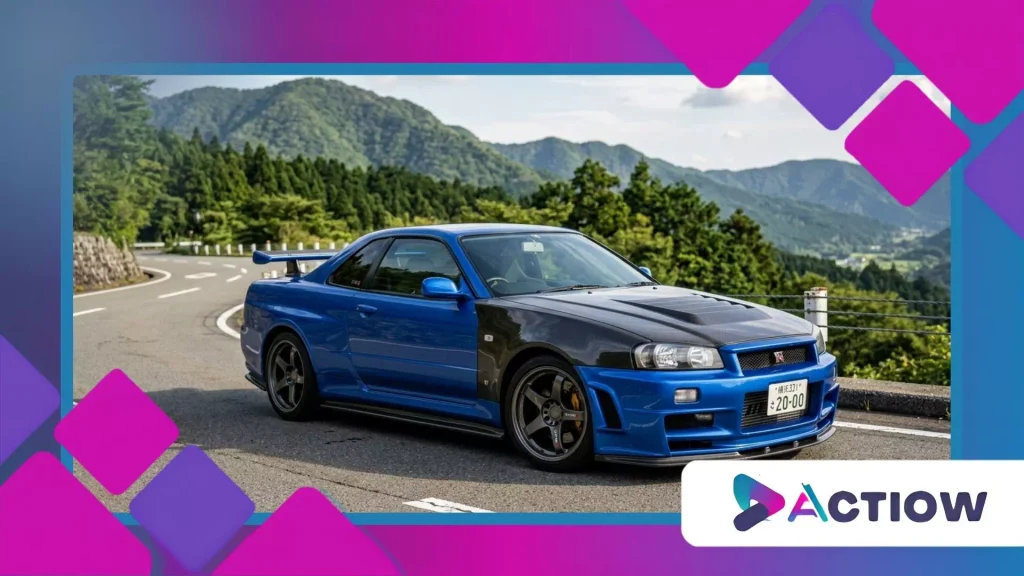
auto sportive giapponesi Costruite durante l'epoca d'oro degli anni '90, le case oggi battono regolarmente i precedenti record d'asta a Tokyo, Londra e in California.
Le rare versioni speciali omologate come la Nissan Skyline GT-R Z-Tune raggiungono prezzi superiori al milione di dollari a causa della loro estrema rarità.
Immaginate un'arma da fuoco prodotta in fabbrica che si apprezza più velocemente dei tradizionali portafogli immobiliari o delle riserve auree.
Secondo le ricerche di mercato pubblicate da agenzie di valutazione internazionali, gli esemplari integri e non manomessi hanno registrato un aumento di valore superiore al duecento per cento nell'ultimo decennio.
Questo notevole apprezzamento finanziario deriva da una potente combinazione di coinvolgimento meccanico analogico e rigorose normative moderne sulle emissioni.
I veicoli moderni sono spesso caratterizzati da complessi comandi computerizzati, propulsori ibridi e sintetizzatori sonori digitali che allontanano il guidatore dalla pura sensazione della velocità.
Al contrario, i leggendari motori a sei cilindri in linea e rotativi biturbo offrono un feedback meccanico puro e non filtrato che le auto moderne non riescono a replicare. I collezionisti, in sostanza, acquistano pezzi di storia dell'automobilismo in via di estinzione.
Che ruolo rivestono le omologazioni speciali nelle valutazioni?
I produttori realizzarono serie limitate esclusivamente per soddisfare i requisiti di approvazione delle federazioni automobilistiche, creando modelli rarissimi dotati di componenti specializzati in fibra di carbonio e motori derivati dal mondo delle corse.
Queste varianti rare rappresentano l'apice assoluto dell'appetibilità per i collezionisti.
++ La storia mai raccontata della prima auto elettrica mai costruita
In che modo i motori turbocompressi influenzano la domanda di mercato?
Motori leggendari come il 2JZ-GTE e l'RB26DETT vantano una durata leggendaria e un immenso potenziale di elaborazione, il che li rende molto ambiti dai puristi che privilegiano la robustezza ingegneristica rispetto all'automazione elettronica.
Leggi anche: Perché la Toyota Supra è tornata a essere una leggenda nel 2026
Perché l'originalità è così importante oggi?
Trovare un esemplare che sia sfuggito a aggressive modifiche aftermarket è diventato estremamente raro, trasformando i veicoli di serie in veri e propri oggetti del desiderio per meticolosi conservatori e curatori di musei.
In che modo la regola delle importazioni con validità di 25 anni alimenta la domanda globale?
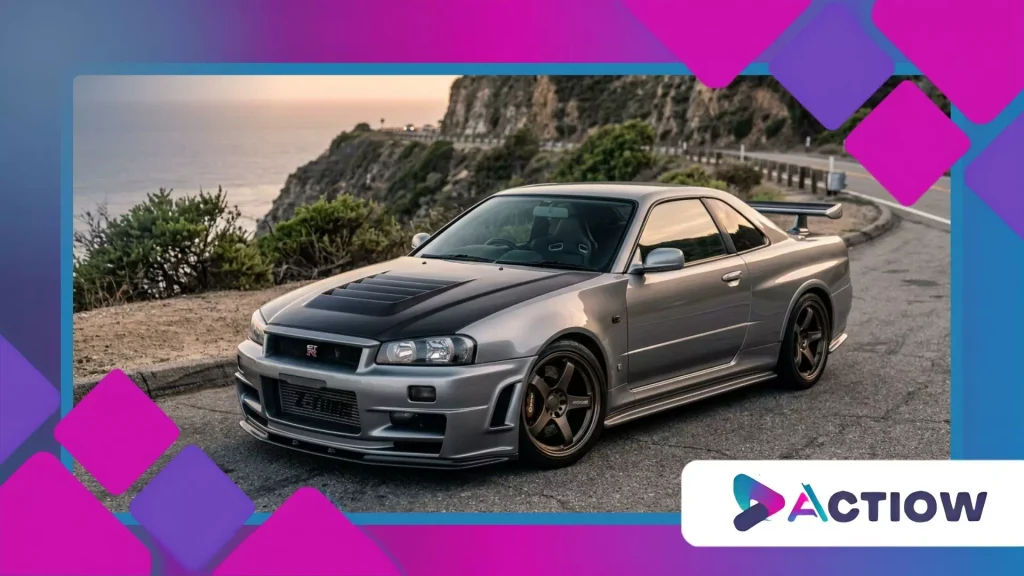
auto sportive giapponesi traggono enormi vantaggi dalle leggi sul commercio internazionale, in particolare dalla norma federale statunitense sull'importazione di beni per un periodo di venticinque anni, che apre la strada a nuove forme di regolamentazione legale.
Con l'ufficiale legalizzazione dell'importazione negli Stati Uniti dei veicoli fabbricati nel 2001, migliaia di acquirenti entusiasti hanno invaso le piattaforme di aste online.
Considerate questo traguardo dell'importazione come la fine di un'esclusiva, che libera frutti a lungo proibiti direttamente nei garage degli appassionati occidentali.
I dati globali sulla logistica confermano che la concorrenza tra i collezionisti stranieri fa lievitare i prezzi delle aste sul mercato interno giapponese con margini impressionanti.
Questa frenesia transfrontaliera crea un'intensa concorrenza di mercato, dove acquirenti provenienti da Nord America, Europa e Medio Oriente si contendono telai identici.
Di conseguenza, i cantieri d'asta giapponesi locali segnalano feroci guerre di offerte che gonfiano i valori delle esportazioni ben prima che le navi lascino il porto.
Quando la liquidità globale insegue una quantità finita di titoli storici, i prezzi salgono naturalmente a livelli straordinari. L'accessibilità genera un'intensa accelerazione finanziaria.
In che modo le normative federali statunitensi influenzano i prezzi?
Nel momento in cui un determinato modello supera la soglia dei venticinque anni, la domanda repressa degli appassionati americani crea istantaneamente un'impennata massiccia nella liquidità del mercato e nell'aggressività delle offerte.
Per saperne di più: La storia nascosta delle donne nelle prime corse motociclistiche
Perché i cantieri navali per l'esportazione stanno affrontando una concorrenza senza precedenti?
Le piattaforme di aste digitali internazionali consentono agli acquirenti esteri di visualizzare schede di ispezione dettagliate e di acquistare veicoli direttamente dalle aste nazionali giapponesi con assoluta trasparenza.
Quali sfide affrontano oggi gli acquirenti stranieri?
La forte concorrenza, le fluttuazioni valutarie sfavorevoli durante i periodi di punta e l'impennata dei costi logistici di spedizione richiedono ingenti investimenti finanziari per assicurarsi esemplari da collezione di altissima qualità.
Cosa rende l'ingegneria analogica giapponese insostituibile oggi?
auto sportive giapponesi rappresentano una filosofia ingegneristica insostituibile incentrata su telai leggeri, sterzo idraulico comunicativo e cambi manuali tattili.
Le moderne supercar digitali offrono accelerazioni fulminee, ma isolano il guidatore dietro strati di interventi computerizzati di sicurezza e filtri elettronici di stabilità.
Immaginate di cercare di apprezzare un bel dipinto a olio indossando degli spessi occhiali digitali per la realtà virtuale che filtrano le texture autentiche.
I giornalisti del settore automobilistico lodano spesso le classiche auto giapponesi analogiche per la loro capacità di trasmettere una comunicazione pura e senza filtri tra la superficie stradale e le mani del guidatore.
Con la crescente diffusione dell'elettrificazione e delle modalità di guida autonoma nel settore automobilistico, i conducenti desiderano sempre più un'esperienza di guida meccanica più coinvolgente.
Azionare un preciso cambio manuale a cinque marce e ascoltare il rombo di un motore aspirato ad alti regimi offre una fuga terapeutica da un mondo iperconnesso.
Questi cimeli meccanici fungono da ancore tangibili a un'epoca in cui la guida era una vera e propria forma d'arte fisica. La nostalgia rimane un potente motore economico.
In che modo lo sterzo idraulico migliora il coinvolgimento del guidatore?
I tradizionali sistemi di servosterzo idraulico trasmettono le minime imperfezioni della strada e gli avvisi di perdita di aderenza direttamente al volante, offrendo un feedback superiore rispetto ai moderni sistemi elettrici.
Perché gli appassionati rifiutano il sovraccarico di dispositivi elettronici moderni?
I segnali acustici eccessivi dei sistemi di assistenza alla guida, i comandi del climatizzatore touchscreen e i sistemi di sicurezza invadenti allontanano gli automobilisti tradizionali che preferiscono la semplicità meccanica e il controllo immediato del veicolo.
Cosa definisce l'esperienza di guida analogica definitiva?
Un telaio leggerissimo, la trazione posteriore, i corpi farfallati reattivi e il cambio manuale a rapporti ravvicinati si combinano per creare una partnership simbiotica tra uomo e macchina.
Matrice comparativa di valutazione del mercato delle auto sportive giapponesi
La tabella sottostante mette a confronto i veicoli sportivi moderni di largo consumo con i modelli di riferimento delle classiche auto sportive giapponesi, analizzando i principali parametri relativi alla proprietà.
| Dimensione della proprietà | Veicoli moderni ad alte prestazioni | Auto sportive giapponesi classiche |
| Curva di deprezzamento | Rapida perdita di valore iniziale dovuta al rilascio di nuove tecnologie. | Rivalutazione costante degli asset a lungo termine e domanda stabile |
| Complessità meccanica | Forte dipendenza da software proprietario e moduli elettrici complessi | Sistemi meccanici affidabili con un solido supporto post-vendita. |
| Coinvolgimento del conducente | Filtrato da sistemi di sicurezza automatizzati e ausili digitali | Feedback meccanico grezzo e non filtrato e sterzo idraulico |
| Stato del collezionista | Considerati dispositivi elettronici di consumo soggetti a deprezzamento | Considerati investimenti storici di prim'ordine e opere d'arte su ruote |
Preservare il patrimonio automobilistico per le generazioni future.
auto sportive giapponesi Dimostrare che un'ingegneria eccezionale, un design industriale senza tempo e una pura anima meccanica trascendono le mode passeggere del settore automobilistico.
Proteggendo queste macchine leggendarie, i collezionisti garantiscono che le generazioni future possano provare l'autentico rombo dei motori turbo iconici e ammirare la maestria artigianale.
Valorizzare la storia dell'automobilismo protegge la nostra passione condivisa per l'arte meccanica dall'ondata di sterile produzione di massa. Riflettete per un momento sui vostri ricordi legati al mondo dell'automobilismo.
Quali poster di icone dello spettacolo giapponese classico adornavano le pareti della tua camera da letto durante l'infanzia? Condividi la tua esperienza nei commenti qui sotto!
Domande frequenti
Come mai le auto sportive giapponesi degli anni '90 sono improvvisamente diventate così costose?
La combinazione di estrema rarità, nostalgia generazionale, crescente domanda internazionale e rigide leggi statunitensi sull'importazione ha trasformato le vecchie auto sportive economiche in preziosi oggetti da collezione.
Queste auto d'epoca sono sufficientemente affidabili per essere guidate regolarmente?
Sì, i leggendari motori giapponesi come il Toyota 2JZ e la serie Nissan RB sono rinomati per la loro ingegneria a prova di bomba, anche se la manutenzione regolare e il reperimento di componenti d'epoca richiedono impegno.
Come funziona negli Stati Uniti la regola dei 25 anni per l'importazione di prodotti?
In base alla legge federale, i veicoli a motore con più di venticinque anni sono completamente esenti dagli standard di sicurezza federali EPA e FMVSS, consentendo l'importazione legale senza costose modifiche.
Le auto sportive giapponesi modificate hanno prezzi più alti rispetto ai modelli di serie?
In genere, gli esemplari originali di fabbrica e non modificati raggiungono prezzi d'asta significativamente più elevati perché i collezionisti danno molta più importanza all'autenticità rispetto alle modifiche per migliorarne le prestazioni.
Quali modelli specifici rappresentano oggi il miglior potenziale di investimento?
Le versioni speciali a produzione limitata omologate, le varianti turbo a cambio manuale a basse emissioni e le edizioni speciali prodotte negli ultimi anni da case automobilistiche come Nissan, Toyota e Mazda sono costantemente tra i principali attori della crescita del mercato.