
Come la Ferrari è passata da team di corse a icona globale del lusso.
Annunci
Ferrari has long stood as an unmatched symbol of automotive excellence, but the path from a regional racing division to a global luxury powerhouse represents one of the most fascinating transformations in industrial history.
Founded by Enzo Ferrari in Maranello, Italy, the brand initially existed purely to fund racing ambitions, utilizing competitive motorsport as the ultimate testing ground for high-performance engineering.
Over decades of triumphs on international racing circuits, the company cultivated an elite aura that captured the imagination of enthusiasts worldwide.
Annunci
Transitioning from a track-focused constructor to an exclusive luxury lifestyle titan required masterful brand stewardship, strict production caps, and an unwavering commitment to Italian craftsmanship.
Today, analyzing how the Prancing Horse achieved this legendary status reveals crucial insights into modern brand economics, luxury positioning, and automotive heritage preservation in a rapidly evolving global market.
Navigazione rapida all'interno di questo articolo
- Origins on the Track: How Racing Built the Foundation
- The Shift to Luxury: Crafting Exclusivity and Scarcity
- Financial Evolution: From Privateer Squad to Public Titan
- Domande frequenti
How Did Racing Forge the Legendary Foundation?
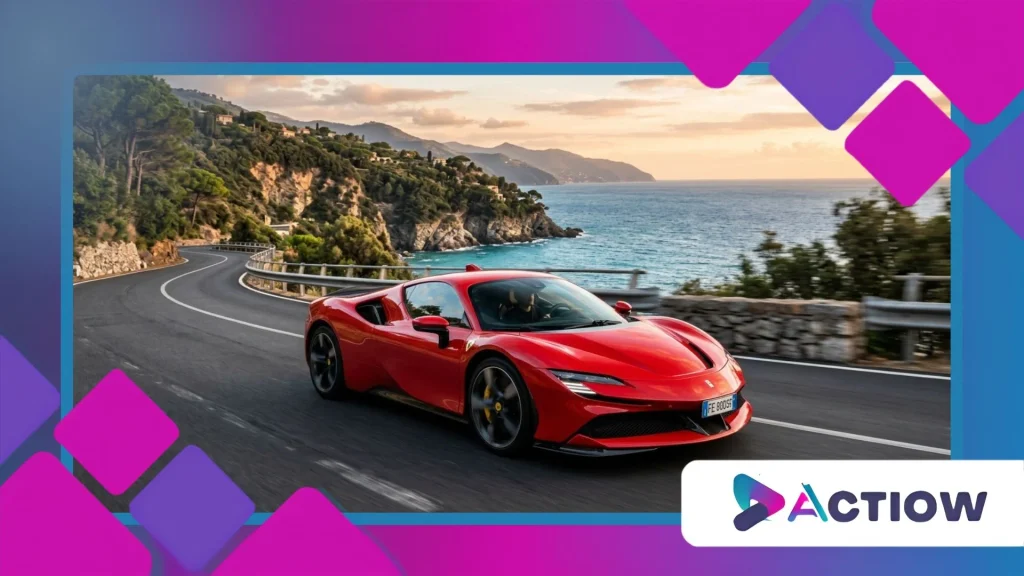
The initial decades of the marque were defined entirely by competitive resolve, technical innovation, and relentless pursuit of checkered flags on global racing circuits.
Enzo Ferrari famously viewed road car production merely as a financial engine to support his true passion: winning races at Le Mans, Monza, and Formula 1 tracks around the world.
Every mechanical advancement, engine configuration, and aerodynamic tweak developed on the tarmac directly fed the mystique of the brand, creating an unbreakable bond between motorsport victory and road car desirability.
During this foundational era, acquiring a vehicle meant gaining direct access to race-bred technology packaged for discerning drivers who demanded uncompromising performance.
The engineering philosophy prioritized raw power, unmistakable exhaust notes, and avant-garde styling executed by legendary design houses like Pininfarina.
This uncompromising dedication to motorsport heritage established a fierce brand loyalty that would later allow the enterprise to pivot smoothly into the upper echelons of the global luxury goods market without losing its core identity.
What Sparked the Shift Toward Exclusive Luxury?
Transitioning from a niche racing constructor to a dominant luxury empire demanded a radical shift in corporate vision, production philosophy, and global marketing strategy.
Leadership recognized that relying solely on motorsport volatility and low-volume sports car sales left the business vulnerable to economic downturns and fluctuating racing regulations.
By deliberately capping production numbers and maintaining artificial scarcity, executives transformed automobiles from mere transportation machines into coveted collector items and high-status lifestyle symbols.
This deliberate cultivation of exclusivity meant that customer demand consistently outpaced supply, driving appreciation values and reinforcing the elite status of every vehicle leaving the Maranello factory gates.
Expanding into branded merchandise, luxury apparel collections, theme parks, and bespoke personalization programs further diversified revenue streams while keeping the core brand aura pristine.
Consequently, the company successfully decoupled its financial valuation from purely automotive metrics, aligning itself closer to high-end fashion houses and luxury conglomerates.
++ Perché le fughe in moto del fine settimana sono in aumento tra i professionisti
How Does Scarcity Drive Modern Brand Value?
Controlling market supply serves as the primary psychological anchor that maintains extraordinarily high resale values and intense global desire among collectors and high-net-worth individuals.
By refusing to chase volume expansion unlike mainstream luxury competitors the firm ensures that every new release feels like an exclusive event reserved only for the most loyal patrons and VIP clients.
This meticulous gatekeeping protects residual values, making ownership feel akin to holding rare fine art or high-end real estate assets.
Furthermore, invitation-only hypercar programs and bespoke tailoring divisions allow the enterprise to forge deep, lifelong emotional connections with its elite clientele while generating massive profit margins per unit.
This economic model proves that prestige often thrives on restraint rather than mass availability, setting a gold standard for luxury brand management across multiple industries today.
Understanding this delicate balance between accessibility and absolute exclusivity explains why the Prancing Horse remains a towering titan in global commerce.
Leggi anche: Honda WN7: perché questa pluripremiata moto elettrica è importante a livello globale
Why Is Maranello Still the Heart of Production?
Retaining all vehicle manufacturing and engine development within the historic walls of Maranello preserves the authentic Italian soul and meticulous craftsmanship that standardized luxury demands.
While many global automotive giants outsourced production to lower-cost regions, maintaining domestic assembly roots ensures absolute quality control and reinforces the romantic narrative of artisanal engineering.
Visitors touring the historical factory witness firsthand how traditional hand-stitched leatherwork meets cutting-edge robotics in a seamless blend of heritage and modern innovation.
This geographic commitment creates an immersive pilgrimage site for enthusiasts worldwide, turning the factory town into a living museum of automotive achievement and corporate pride.
Safeguarding these roots protects the brand from diluting its narrative, ensuring that every chassis carries the tangible weight of decades of Italian engineering triumphs.
Ultimately, keeping production localized anchors the luxury identity in physical reality, reassuring buyers of the uncompromising authenticity embedded in every vehicle.
What Drove the Financial Evolution Into a Public Titan?
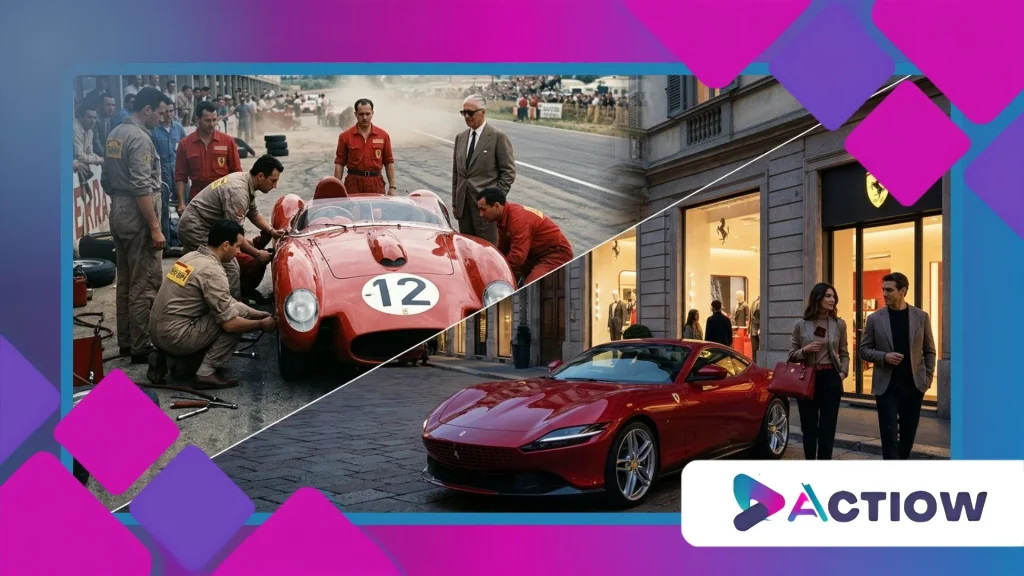
The economic maturation of the company culminated in its historic initial public offering, shifting its corporate structure while preserving its fiercely guarded independent identity within the luxury sector.
Spanning decades of partnership with automotive conglomerates, leadership strategically utilized corporate alliances to fund research and development without compromising the elite positioning or production caps that define the marque.
This financial restructuring allowed the enterprise to invest heavily in hybrid powertrains, advanced aerodynamics, and digital connectivity while remaining hyper-profitable.
Market analysts frequently study this unprecedented financial trajectory, noting how a low-volume automotive manufacturer achieved profit margins comparable to top-tier global fashion and jewelry conglomerates.
By positioning shares as luxury assets rather than cyclical manufacturing stocks, leadership attracted institutional investors who prized stability, high margins, and unyielding brand power.
This economic resilience ensures that the enterprise can comfortably weather macroeconomic shifts while continuing to push the absolute boundaries of high-performance luxury engineering.
Per saperne di più: I veicoli di dimensioni ridotte stanno diventando sempre più popolari nelle città.
How Did Public Markets Embrace the Prancing Horse?
Listing shares on major stock exchanges marked a monumental turning point, proving that Wall Street valued the enterprise as a luxury goods icon rather than a traditional car manufacturer.
Investors quickly recognized that the pricing power, emotional attachment, and ultra-loyal customer base provided a strong shield against economic volatility and industry-wide downturns.
This valuation shift granted leadership unprecedented financial flexibility to fund next-generation technologies without sacrificing the exclusivity that underpins the entire business model.
Maintaining strict control over brand dilution while operating as a publicly traded entity required a delicate balancing act between satisfying shareholders and preserving heritage.
Fortunately, disciplined volume caps and expanding non-automotive licensing revenues consistently delivered stellar financial reports that satisfied market expectations year after year.
As a result, the stock became a darling of institutional portfolios seeking exposure to resilient, high-margin global luxury brands.
What Role Do Alternative Revenue Streams Play Today?
Beyond selling high-performance supercars, the enterprise generates substantial revenue through highly curated lifestyle collections, licensing agreements, immersive theme park attractions, and exclusive client experiences.
These ancillary ventures allow younger or broader demographics to engage with the brand identity, building future aspirational desire long before individuals can afford a Maranello sports car.
Carefully managed licensing deals ensure that apparel, accessories, and tech partnerships reflect the same premium aesthetic standards seen on the asphalt.
This diversification insulates the corporate ledger from cyclical drops in automotive demand, proving exceptionally valuable during periods of global supply chain instability or regulatory shifts.
By treating the brand as an expansive luxury lifestyle ecosystem rather than a single-product manufacturer, leadership secured long-term financial dominance.
This multifaceted approach guarantees that the iconic crest remains a ubiquitous symbol of aspiration across diverse global markets.
How Are Modern Technologies Shaping Future Luxury?
Embracing electrification and digital innovation without alienating purists represents the latest masterclass in strategic brand evolution for the iconic Italian manufacturer.
As global environmental regulations tighten and consumer preferences shift toward sustainable performance, engineering teams have successfully integrated hybrid and upcoming fully electric powertrains.
These technological leaps are framed not as compromises, but as performance enhancements that deliver even sharper throttle response and track dominance.
Maintaining the visceral emotional connection of the driving experience remains paramount as software and alternative energy sources take center stage in modern vehicle development.
By pioneering synthetic fuels and cutting-edge battery management systems in racing applications first, the brand ensures its road cars continue to lead the vanguard of high-end mobility.
This forward-thinking adaptability proves that legendary heritage and radical innovation can coexist harmoniously at the absolute pinnacle of luxury.
Key Milestones in Brand Evolution
| Era / Decade | Primary Focus | Strategic Milestone | Impatto sul mercato |
| 1940s – 1950s | Racing & Homologation | Founding of Maranello factory and first race wins | Established foundational motorsport credibility |
| 1960s – 1980s | Corporate Restructuring | Partnership integration and iconic model releases | Expanded global visibility and collector demand |
| 1990s – 2010s | Scarcity & Personalization | Implementation of strict production caps and Tailor Made | Elevated profit margins and residual asset values |
| 2020s & Beyond | Luxury Expansion & EV | Public market maturation and hybrid/electric integration | Secured status as a top-tier global luxury titan |
The Legacy of an Enduring Icon
Reflecting on this extraordinary industrial journey demonstrates that true luxury is forged through uncompromising dedication, scarcity management, and an unbreakable emotional bond with passionate clientele.
What began as a humble racing workshop in northern Italy ultimately redefined what a high-end automotive enterprise could achieve on a global scale.
As the automotive landscape enters a new technological era, sharing your thoughts on how heritage brands adapt to modern demands in the comments below provides a fantastic way to continue this vital conversation.
Domande frequenti
What defines the core business model of Ferrari today?
The modern business model relies heavily on maintaining strict production limits, driving high profit margins per unit, and expanding lucrative luxury lifestyle ventures.
By treating vehicles as exclusive collector assets, leadership ensures that demand perpetually outstrips supply across global markets.
How did Enzo Ferrari view road car production initially?
Enzo Ferrari originally viewed street legal vehicle manufacturing purely as a necessary financial mechanism to fund his true obsession: winning international motorsport championships.
Over time, those very race-bred technologies became the primary marketing hook that attracted wealthy clientele to the brand.
Why are production caps crucial to brand prestige?
Capping annual production numbers prevents market saturation, preserves high residual resale values, and cultivates an elite sense of scarcity that drives intense global desire.
This deliberate restraint transforms automobiles into coveted status symbols rather than accessible mass-market commodities.
How is the brand approaching electrification and new technologies?
Engineering teams are seamlessly integrating advanced hybrid systems and developing upcoming electric powertrains while prioritizing visceral driving dynamics and track performance.
Racing applications serve as the ultimate proving ground for these new sustainable innovations before road implementation.
What role do non-automotive ventures play in corporate success?
Ancillary ventures including high-end apparel collections, licensing partnerships, and exclusive experiential events diversify revenue streams and broaden demographic engagement.
These lifestyle offerings keep aspirational consumers connected to the brand identity long before purchasing a vehicle.
