
Problemas comuns no sistema de freios que os motoristas ignoram por muito tempo.
Anúncios
Sistema de freio As falhas muitas vezes começam como avisos silenciosos que os motoristas rotineiramente ignoram até que uma parada de rotina se transforme em uma emergência.
Como jornalista automotivo, vejo motoristas arriscando suas vidas diariamente ao adiarem manutenções básicas e tratando o poder de frenagem crucial como algo secundário.
Os veículos modernos possuem engenharia altamente sofisticada, mas ainda dependem de fricção, pressão hidráulica e intervenção humana oportuna para funcionar com segurança.
Anúncios
Ignorar sinais sutis do veículo, como um pedal macio ou um leve rangido, compromete significativamente sua segurança.
Este guia completo revela os sinais silenciosos de desgaste dos freios, explica os mecanismos por trás das falhas mais comuns e detalha como a manutenção preventiva protege seu bolso e sua vida.
O que esperar deste guia
- Os sinais de alerta: Identificar sinais de alerta críticos, como ruídos agudos, vibrações e pedais estruturalmente macios.
- A mecânica: Compreender como a umidade, o desgaste do material de fricção e a degradação das pinças de freio afetam a capacidade de frenagem.
- Dados e Ação: Análises práticas de custos, cronogramas de manutenção e respostas para suas perguntas urgentes sobre segurança.
Por que os motoristas costumam ignorar os sinais de alerta de frenagem?
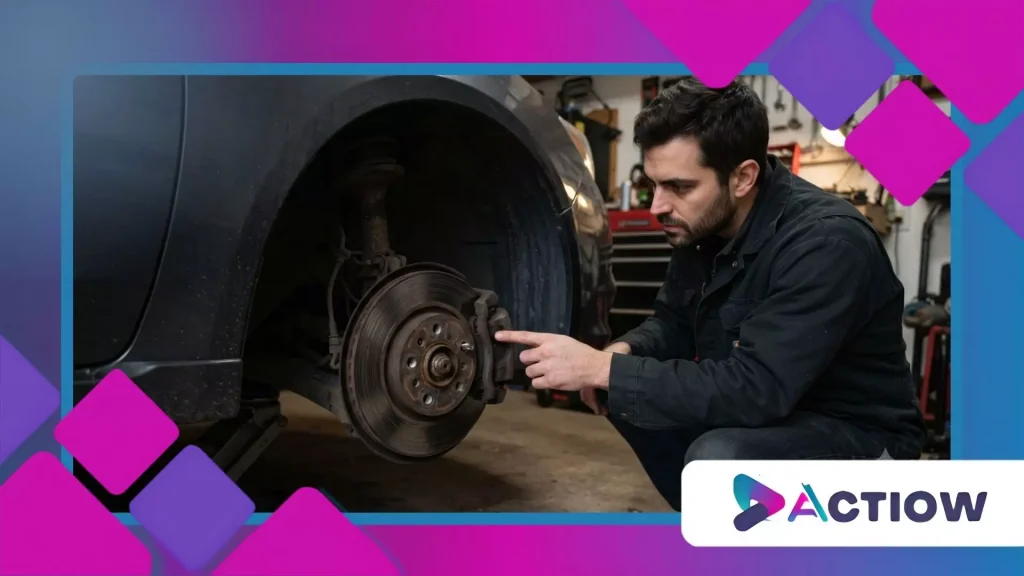
Muitos motoristas ignoram os primeiros sinais de alerta devido a uma combinação de ansiedade financeira e simples dissonância cognitiva.
Quando um veículo range levemente em manhãs frias, o motorista pode presumir que se trata apenas de umidade ambiente, e não de uma pastilha de freio desgastada.
Esse hábito perigoso de adiar diagnósticos padrão transforma uma simples troca de pastilhas em uma revisão catastrófica de rotores e pinças de freio.
Você já freou bruscamente em alta velocidade e sentiu uma leve vibração, apenas para se convencer de que a superfície da estrada estava irregular? Essa reação psicológica de evitação coloca todos que estão no asfalto em extremo risco.
De acordo com dados históricos da Administração Nacional de Segurança Rodoviária (NHTSA), falhas mecânicas causam aproximadamente 21.000.000 acidentes de veículos, e componentes quebrados dentro do veículo são responsáveis por esses acidentes. sistema de freio constitui um número impressionante de 44% desses acidentes relacionados à manutenção.
O que causa o ruído agudo ao frear?
O notório ruído agudo é, na verdade, um recurso de segurança intencional, projetado por engenheiros automotivos para alertá-lo antes que metal entre em atrito com metal.
A maioria das pastilhas de freio modernas possui uma pequena lâmina metálica embutida, conhecida como indicador de desgaste, que entra em contato com o disco de freio quando o material de fricção cai abaixo de uma espessura segura.
Quando essa peça de metal raspa no rotor giratório, ela cria um aviso acústico distinto e contínuo que exige atenção mecânica imediata.
Ignorar esse ruído permite que o material de fricção se desgaste completamente, levando a um cenário de contato metal com metal extremamente destrutivo.
Quando a placa de aço exposta se prende diretamente ao disco de freio, a eficiência da frenagem cai drasticamente enquanto os níveis de calor aumentam exponencialmente.
Essa sobrecarga térmica pode deformar seus rotores rapidamente, transformando uma simples e acessível troca de pastilhas em uma reconstrução cara e completa do eixo.
++ Por que o ruído do rolamento da roda nunca deve ser ignorado pelo motoristas
Como se desenvolve um pedal de freio macio ou esponjoso?
Um pedal macio ou esponjoso geralmente indica que ar ou umidade contaminaram as linhas hidráulicas seladas, comprometendo a pressão fornecida.
Como os líquidos não se comprimem sob pressão, o fluido hidráulico transfere efetivamente a força do seu pé diretamente para as pinças de freio das rodas.
No entanto, se entrarem bolhas de ar nas tubulações, elas se comprimem facilmente sob o pé, resultando em um pedal perigosamente lento e sem resposta.
A umidade é outro inimigo silencioso da integridade hidráulica, pois o fluido de freio padrão à base de glicol é higroscópico, o que significa que absorve ativamente água do ambiente ao longo do tempo.
Quando seu sistema de freio Gera intensa energia térmica durante paradas prolongadas; essa água absorvida ferve dentro das tubulações, criando bolsas de vapor altamente compressível.
Essa fervura interna pode causar perda repentina de eficiência dos freios, deixando você sem nenhuma capacidade de frenagem ao descer uma ladeira íngreme ou ao realizar uma parada de emergência.
Quais são os riscos invisíveis de negligenciar o fluido hidráulico?
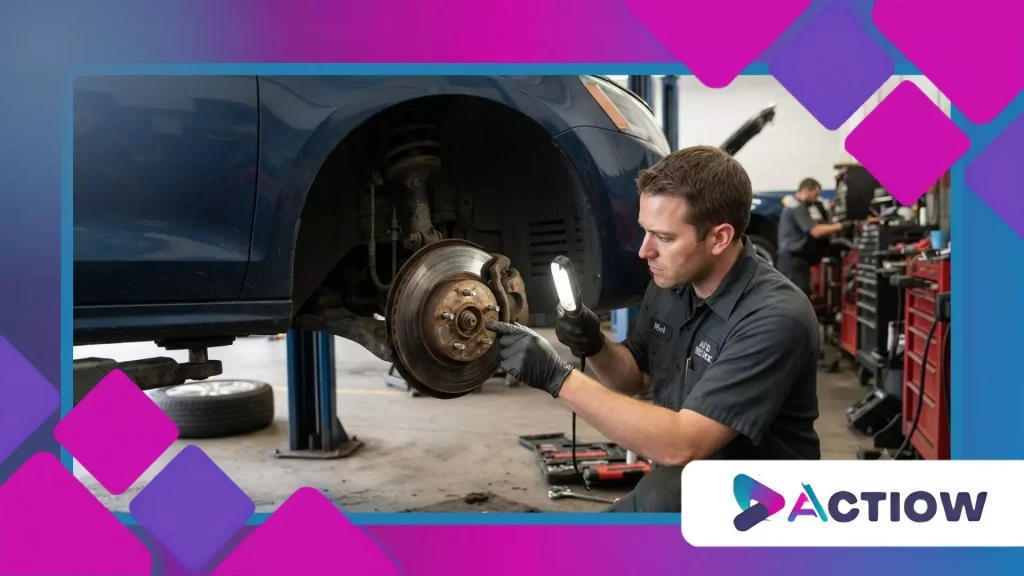
Embora as pastilhas desgastadas sejam fáceis de identificar visualmente, a degradação química do fluido hidráulico permanece totalmente invisível sem ferramentas de teste profissionais.
Com o tempo, o acúmulo de umidade interna causa corrosão localizada nos moduladores do seu caro sistema de freios antibloqueio (ABS) e nos delicados pistões das pinças de freio.
Essa ferrugem interna cria detritos microscópicos que rompem as vedações de borracha, causando vazamentos repentinos de fluidos e quedas catastróficas de pressão estrutural.
Considere as linhas hidráulicas como a complexa rede circulatória do seu veículo; se o fluido estiver contaminado, todo o sistema sofre uma falha sistêmica.
Técnicos profissionais utilizam refratômetros ópticos especializados ou tiras eletrônicas de umidade para verificar o ponto de ebulição exato do fluido durante inspeções de rotina.
Negligenciar essa simples verificação de fluidos acaba obrigando os motoristas a substituir módulos de controle ABS incrivelmente caros, que custam milhares de dólares.
Leia também: Como a remoção da contaminação da pintura protege o valor de revenda do veículo
Por que o volante do seu carro treme durante a frenagem?
Uma vibração distinta ou sensação pulsante no volante durante a desaceleração indica diretamente um desalinhamento lateral excessivo ou espessura irregular do disco.
Os motoristas costumam chamar essa condição de "discos empenados", mas na verdade ela resulta de uma transferência desigual do material de fricção da pastilha para a superfície giratória do disco.
Essa transferência desigual de material ocorre quando as pastilhas de freio quentes permanecem pressionadas firmemente contra um rotor parado e superaquecido após uma desaceleração repentina e agressiva em alta velocidade.
À medida que o rotor gira dentro da pinça durante as frenagens subsequentes, as pastilhas deslizam sobre essas elevações e depressões microscópicas de material depositado de forma irregular.
Esse rápido movimento mecânico de deslizamento cria uma vibração harmônica que se propaga para cima através da cremalheira da direção, vibrando diretamente suas mãos no volante.
Com o tempo, essa vibração mecânica constante destrói as buchas da suspensão dianteira, desgasta prematuramente os rolamentos das rodas e aumenta a distância de frenagem.
Leia mais: 10 sinais de que a bateria do seu carro pode falhar antes da chegada do inverno
Como pinças de freio travadas desestabilizam seu veículo?
Uma pinça de freio travada ou emperrada ocorre quando o pistão interno ou os pinos deslizantes externos ficam presos devido à falta total de lubrificação ou ferrugem severa.
Quando o pistão da pinça de freio não retorna à posição original após você soltar o pedal, a pastilha permanece pressionada firmemente contra o disco giratório enquanto você dirige.
Esse atrito constante e inflexível gera um calor cinético extremo que pode cheirar a borracha queimada ou material de embreagem torrado, emanando do compartimento da roda.
Essa resistência mecânica puxa seu veículo violentamente para um dos lados da faixa, obrigando você a lutar constantemente com o volante para manter a trajetória reta.
Considere um exemplo prático: um motorista que dirige um sedan percebe uma puxada persistente para a direita durante a condução em rodovia, mas ignora o problema para evitar uma visita à oficina.
Em um raio de 64 quilômetros, a pinça de freio dianteira direita superaquecida danifica o rolamento da roda, derrete a coifa de borracha do eixo e pega fogo em um pedágio.
Como a inspeção proativa pode prevenir a falha total dos freios?
Implementar uma estratégia rigorosa de inspeções visuais e físicas permite identificar pequenos desgastes de componentes antes que se transformem em uma emergência mecânica com risco de vida.
Uma inspeção visual rápida através dos raios da roda de liga leve permite verificar a espessura física das pastilhas de freio externas sem remover o conjunto da roda.
Se o material de fricção restante parecer mais fino do que uma aliança de casamento padrão, seu veículo está com os dias contados.
Matriz de Custos de Referência para Manutenção e Conservação
| Sintoma do sistema de freios | Causa Mecânica Principal | Faixa de custo médio de reparo | Intervalo de ação recomendado |
| guincho metálico agudo | Pastilhas de fricção desgastadas / Contato indicador de desgaste | $150 – $300 (Por eixo) | Inspecione a cada 16.000 quilômetros (10.000 milhas). |
| Vibração severa no volante | Transferência irregular de material da pastilha / Desalinhamento do rotor | $350 – $700 (Pastilhas e Discos de Freio) | Verifique a cada rodízio de pneus. |
| Pedal de freio esponjoso e afundando | Contaminação por umidade / Ar em tubulações hidráulicas | $90 – $150 (Lavagem de fluido) | Troque o fluido a cada 2 anos. |
| O veículo puxa bruscamente para um lado. | Pistão da pinça de freio travado / Pinos deslizantes secos | $250 – $500 (Por paquímetro) | Lubrifique os pinos durante a troca das almofadas. |
O acompanhamento constante desses sintomas físicos ajuda você a gerenciar a saúde do seu veículo de forma proativa, mantendo os custos de manutenção baixos e previsíveis.
Tratar seu veículo com o mesmo cuidado preventivo que você daria a uma aeronave de alto desempenho garante confiabilidade absoluta quando as condições da estrada piorarem.
Investir uma pequena quantia hoje em um teste profissional de diagnóstico de fluidos evita gastos exorbitantes com reboque e reparos de colisões amanhã.
Por que a ferrugem se acumula rapidamente nos rotores?
Os discos de freio de ferro são altamente suscetíveis à oxidação superficial porque são feitos de ferro fundido bruto, sem revestimento, para maximizar o potencial de fricção.
Quando o seu veículo fica estacionado ao ar livre durante uma noite úmida ou uma forte tempestade, uma fina camada de óxido de ferro alaranjado se forma na superfície brilhante do rotor em poucas horas.
Felizmente, essa ferrugem superficial geralmente se desprende facilmente durante as primeiras frenagens normais enquanto você dirige pela rua.
No entanto, se um veículo permanecer completamente parado por semanas em um ambiente úmido, essa ferrugem superficial corrói profundamente o ferro, enfraquecendo estruturalmente o rotor.
Essas cavidades profundas degradam o acabamento liso da superfície, criando uma textura áspera e abrasiva que desgasta as pastilhas de freio macias como lixa.
A condução regular evita esse acúmulo destrutivo de óxido, mantendo as superfícies de contato limpas, polidas e totalmente otimizadas para máxima potência de frenagem em emergências.
Com que frequência devo trocar o fluido de freio?
A maioria dos fabricantes de automóveis recomenda a troca do fluido hidráulico a cada dois anos ou a cada 24.000 milhas (aproximadamente 38.600 km), independentemente dos seus hábitos de condução.
Esse intervalo de tempo rigoroso é crucial porque a umidade entra no sistema através de poros microscópicos nas mangueiras de borracha flexíveis, independentemente da quilometragem percorrida.
Esperar até que o pedal fique macio significa que seus componentes internos já sofreram danos oxidativos causados pela umidade durante meses.
Uma limpeza profissional do sistema de arrefecimento envolve a remoção completa do fluido velho, escuro e oxidado das tubulações, substituindo-o por fluido novo e cristalino proveniente de um recipiente selado.
Essa manutenção preventiva mantém um ponto de ebulição elevado e lubrifica as partes móveis internas da sua cara bomba ABS e cilindro mestre.
Ignorar essa troca de fluidos barata introduz sérios riscos de segurança em seu trajeto diário, deixando seu veículo em mau estado. sistema de freio Vulnerável ao desbotamento térmico inesperado.
É seguro adiar a próxima revisão dos freios?
Adiar a próxima revisão é uma aposta perigosa que pressupõe que os perigos da estrada se adaptarão à capacidade de frenagem reduzida do seu veículo.
Ao reduzir drasticamente suas margens de segurança, você compromete sua capacidade de evitar acidentes repentinos em rodovias, cervos que atravessam a pista repentinamente ou pedestres distraídos.
Seu veículo sistema de freio É o seu recurso de segurança mais crítico; mantê-lo em bom estado é uma responsabilidade fundamental do proprietário do veículo.
Assuma o controle da sua segurança hoje mesmo agendando uma inspeção profissional caso note quaisquer ruídos incomuns, vibrações ou alterações na sensação dos pedais.
Você já passou por um momento assustador na estrada devido à perda de eficiência dos freios ou a um pedal esponjoso? Compartilhe suas experiências e dicas de manutenção na seção de comentários abaixo para ajudar a manter nossa comunidade de motoristas informada e segura.
Perguntas frequentes
Por que meus freios rangem apenas na primeira vez que dirijo pela manhã?
Esse ruído de atrito matinal geralmente é causado pelas pastilhas de freio removendo uma fina camada de ferrugem superficial que se acumulou nos discos de ferro fundido durante a noite.
Essa oxidação causada pela umidade ocorre rapidamente em clima úmido ou chuvoso e geralmente é inofensiva se o ruído desaparecer completamente após duas ou três paradas normais.
Se o ruído de atrito persistir durante toda a viagem, significa que as pastilhas de freio estão completamente gastas e que há um contato perigoso de metal com metal.
Posso trocar apenas as pastilhas de freio e não precisar trocar os discos?
Você pode substituir apenas as pastilhas se os discos de freio forem grossos, lisos e não apresentarem sulcos profundos, rachaduras ou deformações térmicas severas.
No entanto, um técnico deve medir a espessura do rotor com um micrômetro para garantir que ela exceda a especificação mínima de descarte do fabricante antes de instalar novas pastilhas.
Instalar pastilhas novas em um disco de freio ranhurado ou gasto reduz a capacidade de frenagem inicial e faz com que as pastilhas novas se desgastem muito mais rapidamente.
O que significa se a luz de aviso dos freios acender no painel?
Uma luz de aviso de freio acesa pode indicar uma queda acentuada no nível do fluido hidráulico, o acionamento de um sensor de desgaste ou uma falha elétrica no módulo ABS.
Se esta luz do painel acender enquanto você estiver dirigindo, pare em um local seguro o mais rápido possível e verifique o reservatório do fluido do cilindro mestre.
Operar um veículo com baixo nível de fluido pode levar a uma perda repentina e completa da pressão hidráulica, tornando impossível parar com segurança.