
A ascensão dos veículos definidos por software e o que isso significa para os motoristas.
Anúncios
Veículos definidos por software estão alterando fundamentalmente o cenário automotivo, transformando carros de meros componentes mecânicos em sofisticadas plataformas de computação móvel sobre rodas.
Ao transferir o controle de componentes físicos fixos para um código dinâmico e atualizável, os fabricantes estão redefinindo a forma como percebemos a mobilidade pessoal.
Essa evolução representa o salto tecnológico mais significativo no transporte desde que o motor de combustão interna revolucionou as viagens globais há um século.
Anúncios
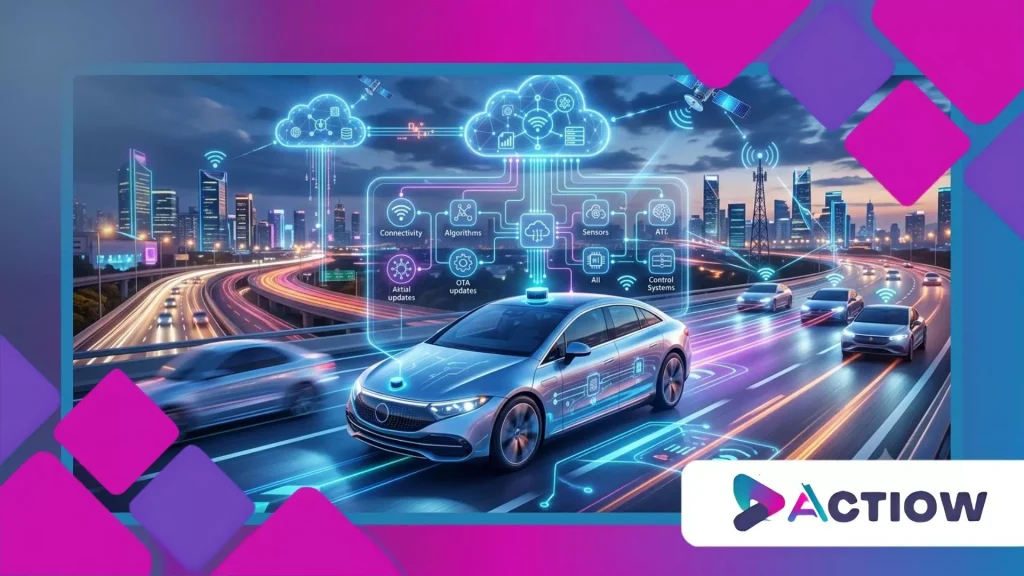
Os motoristas agora desfrutam de veículos que melhoram com o tempo, recebendo atualizações de desempenho, melhorias de segurança e recursos de entretenimento por meio de conexões sem fio na nuvem.
Essa capacidade preenche a lacuna entre a fabricação automotiva tradicional e os ciclos de inovação acelerados típicos das empresas de software do Vale do Silício.
À medida que avançamos para 2026, a dependência da arquitetura digital garante que seu carro permaneça moderno, inteligente e altamente personalizado por muitos anos.
Navegando na Transformação Digital
- Entendendo a arquitetura central do transporte inteligente moderno.
- O profundo impacto na experiência do usuário e no conforto ao dirigir no dia a dia.
- Benefícios críticos em termos de segurança e a transição para a capacidade autônoma.
- Tendências de mercado e o futuro da conectividade veículo-para-tudo (V2X).
O que são veículos definidos por software e como funcionam?
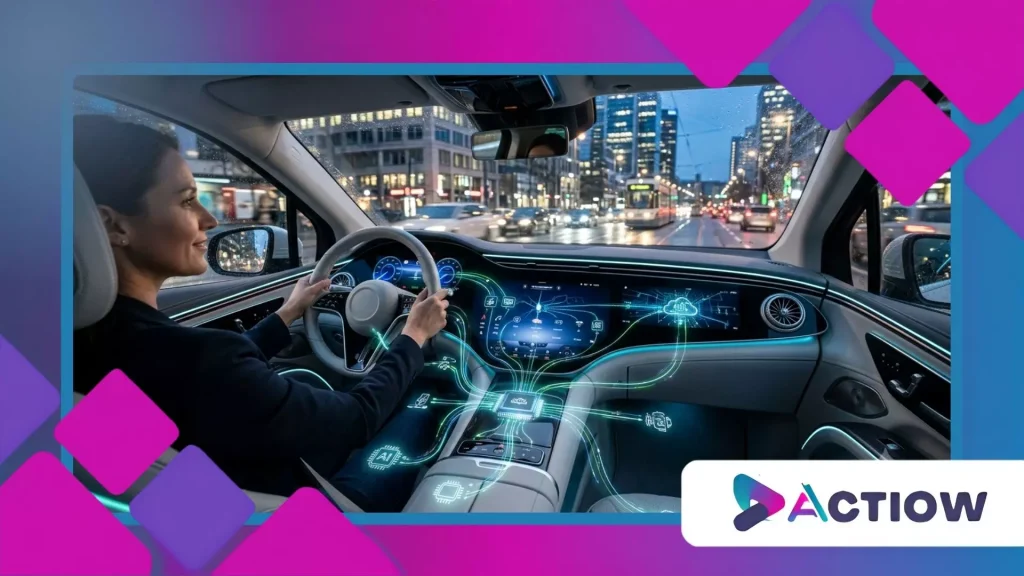
Em sua essência, essas máquinas dependem de arquiteturas de computação centralizadas em vez de dezenas de unidades de controle eletrônico especializadas e desconectadas.
Essa integração permite que um único e poderoso sistema operacional controle tudo, desde a eficiência do trem de força e o gerenciamento da bateria até o clima da cabine e recursos avançados de assistência ao motorista.
Imagine um carro tradicional como uma máquina de escrever rígida, enquanto essa nova geração funciona como um smartphone versátil sobre rodas. As atualizações digitais fluem perfeitamente para o veículo, refinando constantemente sua lógica operacional sem a necessidade de uma visita à concessionária.
Essa abordagem modular concede aos engenheiros a liberdade de implantar patches de segurança ou algoritmos de otimização instantaneamente em milhares de unidades conectadas em todo o mundo.
Ao abstrair o hardware da camada de software, os fabricantes podem desacoplar o desempenho das datas de fabricação física, garantindo relevância a longo prazo.
Como a computação centralizada altera o design?
A centralização reduz a complexidade da fiação física, diminui o peso do veículo e melhora a eficiência energética geral, consolidando o poder de processamento em algumas unidades principais.
Essa arquitetura simplificada permite um fluxo de dados em alta velocidade, o que é essencial para processar as entradas massivas provenientes de lidar, radar e câmeras.
Isso transforma o veículo em uma entidade responsiva que aprende com o ambiente e adapta seu comportamento às condições da estrada em milissegundos.
++ Por que os sistemas elétricos de 48 volts estão se tornando padrão na indústria?
Os veículos existentes podem se tornar verdadeiramente definidos por software?
Embora os modelos legados possuam capacidades digitais limitadas, a verdadeira transformação exige uma reformulação completa da arquitetura eletrônica.
Atualmente, os fabricantes estão investindo bilhões para modernizar suas linhas de produção, garantindo que as futuras frotas suportem atualizações remotas completas (over-the-air).
Isso cria uma clara divisão entre os modelos tradicionais estáticos e as novas plataformas digitais em constante evolução que definem a era moderna da inovação automotiva.
Leia também: Como as baterias de estado sólido podem mudar os carros elétricos em 2026
Por que os fabricantes preferem esse novo modelo?
As informações obtidas a partir de dados permitem que as marcas monitorem a integridade dos componentes em tempo real, prevendo as necessidades de manutenção antes que as falhas ocorram.
Essa mudança reduz os custos de garantia e gera imensa confiança, mantendo os veículos na estrada por mais tempo e com mais segurança.
Em última análise, a capacidade de vender assinaturas de software e recursos digitais premium proporciona fluxos de receita recorrentes, incentivando a melhoria contínua e o engajamento do cliente a longo prazo.
Quais são as vantagens imediatas para os motoristas modernos?
O benefício mais imediato é a eliminação da obsolescência, já que seu carro ganha novos recursos muito tempo depois da data da compra inicial.
Se um fabricante lançar um algoritmo de frenagem regenerativa aprimorado ou uma ferramenta de navegação mais eficiente, você o receberá da noite para o dia.
Imagine comprar um veículo que, dois anos depois, apresenta um desempenho melhor do que quando você o comprou.
A personalização atinge novos patamares, permitindo que cada motorista crie perfis exclusivos que ajustam automaticamente as preferências de assentos, climatização e entretenimento.
Essas configurações são mantidas em diferentes veículos do mesmo ecossistema, tornando cada transição suave e intuitiva.
A integração de painéis digitais de alta definição garante que as informações vitais permaneçam claras, relevantes e visualmente atraentes, aprimorando toda a experiência do proprietário no dia a dia.
Leia mais: Como os espelhos retrovisores digitais melhoram a visibilidade no trânsito.
Como isso melhora a segurança pessoal?
Os recursos de diagnóstico em tempo real e as atualizações de frenagem autônoma de emergência reduzem significativamente o risco de acidentes causados por erro humano.
Com o avanço dos algoritmos de IA, seu carro se torna cada vez mais hábil em detectar pedestres ou perigos, protegendo você de maneiras que os modelos mais antigos jamais conseguiriam.
As atualizações de segurança contínuas também protegem o veículo contra intrusões digitais, garantindo que seus dados e o controle do veículo permaneçam exclusivamente seus.
É possível monetizar as capacidades do seu veículo?
Sim, a futura integração com serviços de mobilidade compartilhada e compartilhamento de dados ponto a ponto permitirá que os carros contribuam para uma rede de transporte mais ampla.
Teoricamente, seu veículo ocioso poderia participar da estabilização da rede elétrica local ou fornecer dados aos planejadores urbanos mediante pagamento.
Essa transição transforma um ativo depreciável em um participante semiautônomo no ecossistema mais amplo da cidade inteligente do futuro.
A interface do usuário é realmente amigável?
Interfaces de alta resolução imitam sistemas operacionais móveis familiares, minimizando a curva de aprendizado para novos usuários que valorizam a simplicidade.
Os controles ativados por voz e o reconhecimento de gestos permitem realizar tarefas complexas sem distrair o motorista da estrada, tornando a condução segura e agradável.
Como veículos definidos por software Quando o sistema estiver maduro, a barreira entre a intenção humana e a execução da máquina praticamente desaparecerá para a maioria dos usuários.
Por que essa tecnologia está remodelando o mercado global?
A indústria automotiva está passando por uma migração total para o desenvolvimento com foco em software, impulsionada pelas expectativas dos consumidores por conectividade de alta tecnologia.
Segundo análises recentes do setor, referentes a 2026, mais de 701 mil e trinta trilhões de dólares em vendas de veículos novos priorizam plataformas digitais integradas em detrimento de especificações de desempenho puramente mecânicas.
Essa tendência massiva força as marcas tradicionais a firmarem parcerias com gigantes da tecnologia para garantir a expertise necessária para suas futuras frotas.
Os ciclos de inovação estão se acelerando, com os prazos de desenvolvimento diminuindo de anos para meros meses para atualizações de recursos essenciais.
Marcas que não conseguem compreender a complexidade de veículos definidos por software Correr o risco de ficar para trás em um mercado que exige gratificação instantânea e constante evolução tecnológica.
A vantagem competitiva hoje reside nas empresas que se veem como empresas de software que operam na interseção entre mobilidade e computação.
Os custos diminuirão para o consumidor?
Embora o investimento inicial em plataformas de alta tecnologia continue elevado, o custo total de propriedade a longo prazo diminui significativamente devido ao menor número de falhas mecânicas.
A gestão digital eficiente dos sistemas de propulsão elétrica prolonga a vida útil da bateria, enquanto a manutenção preditiva evita reparos repentinos e dispendiosos.
Essas economias compensam o preço de compra inicial mais elevado, proporcionando um melhor valor geral ao longo da longa vida útil do veículo.
Como é gerenciado o impacto ambiental?
Os sistemas de gestão de energia otimizados priorizam a eficiência da autonomia, ajustando constantemente o torque e o arrefecimento com base no estilo de condução em tempo real.
Ao reduzir o desperdício de energia durante os deslocamentos diários, essas arquiteturas digitais avançadas diminuem indiretamente a pegada de carbono de cada quilômetro percorrido.
Além disso, os protocolos de carregamento inteligente garantem que os veículos consumam energia durante os horários de menor consumo, aliviando a pressão sobre a rede elétrica.
Existem riscos de segurança a serem considerados?
Todo dispositivo conectado enfrenta vulnerabilidades potenciais, e é por isso que a segurança cibernética é agora a principal prioridade para todas as equipes de engenharia automotiva.
Criptografia avançada e protocolos de defesa em múltiplas camadas protegem as funções críticas do veículo contra acessos não autorizados.
O setor está adotando padrões internacionais rigorosos para garantir que veículos definidos por software Manter o mais alto nível possível de integridade digital.
Análise Comparativa: Arquitetura Automotiva Tradicional vs. Moderna
A tabela a seguir descreve as diferenças fundamentais entre os processos de fabricação tradicionais e a abordagem digital em constante evolução para o desenvolvimento de veículos.
| Categoria de recurso | Ferragens automotivas tradicionais | Sistemas modernos definidos por software |
| Capacidade de atualização | Nenhuma (Características estáticas) | Contínuo (atualizações via rede sem fio) |
| Método de diagnóstico | Inspeção manual realizada na concessionária | Alertas remotos preditivos em tempo real |
| Controle de componentes | Dezenas de controladores isolados | Computador centralizado de alto desempenho |
| Lógica de desempenho | Fixado no ponto de fabricação | Adaptável por meio de aprendizado de máquina |
| Experiência do usuário | Rígido e dependente do dispositivo | Altamente personalizado e conectado à nuvem |
Conclusão
A transição em direção a veículos definidos por software marca o fim definitivo da era do "carro estático" e o início de um futuro de mobilidade verdadeiramente dinâmico.
Ao priorizar a agilidade digital, a segurança e as experiências personalizadas, os fabricantes garantem que nossos veículos continuem sendo parceiros em nosso dia a dia, e não apenas ferramentas.
Essa evolução oferece aos motoristas um valor, segurança e conveniência sem precedentes, algo que antes era ficção científica. O futuro é promissor à medida que abraçamos essa transformação de alta tecnologia.
Você já fez alguma atualização remota (over-the-air) no seu veículo atual? Compartilhe sua experiência nos comentários!
Perguntas frequentes
O que acontece se a conexão com a internet for perdida?
As funções principais de condução, como direção, frenagem e gerenciamento do trem de força, operam independentemente da conectividade com a nuvem.
Embora recursos avançados, como informações de trânsito em tempo real ou entretenimento, possam apresentar interrupções durante uma queda de conexão, o veículo permanece perfeitamente seguro e totalmente funcional para tarefas de condução padrão.
O software do meu carro é vulnerável a ataques de hackers?
Os fabricantes utilizam criptografia de nível empresarial e módulos de segurança de hardware isolados para proteger sistemas vitais contra ameaças digitais.
Atualizações de segurança frequentes e obrigatórias garantem que seu veículo esteja sempre à frente de possíveis vulnerabilidades, assim como acontece com aplicativos bancários modernos ou smartphones.
Meu carro eventualmente deixará de receber atualizações de software?
Cada modelo tem um ciclo de vida definido, mas a indústria está caminhando para períodos de suporte mais longos para manter o valor do veículo a longo prazo.
Como veículos definidos por software Quando essa tecnologia se tornar padrão, espere que os fabricantes ofereçam planos de suporte plurianuais que garantam que seu carro receba melhorias essenciais em segurança e eficiência durante toda a sua vida útil razoável.