
Por que as motocicletas leves estão se tornando mais populares em todo o mundo?
Anúncios
Motocicletas leves estão se tornando cada vez mais populares. Em todo o mundo, os centros urbanos enfrentam congestionamentos sem precedentes e os passageiros exigem opções de mobilidade mais inteligentes.
Essa mudança repentina na preferência dos motociclistas não é apenas uma tendência passageira; representa uma mudança fundamental na forma como as pessoas veem o transporte de duas rodas.
Numa era dominada por preços elevados dos combustíveis e ruas urbanas congestionadas, estas máquinas ágeis oferecem uma rota de fuga prática tanto para motociclistas experientes como para iniciantes.
Anúncios
Os motociclistas modernos que usam a moto para ir ao trabalho já não consideram as grandes e pesadas motos cruiser ou as motos esportivas de alta cilindrada como o símbolo máximo de liberdade.
Em vez disso, os motociclistas agora valorizam a eficiência, a facilidade de manuseio e os menores custos de propriedade em detrimento da potência bruta e do peso excessivo do chassi.
Este editorial analisa em profundidade os fatores econômicos, tecnológicos e culturais que impulsionam essa enorme mudança global em direção a bicicletas ágeis e leves.
Navegação rápida
- A onda global: Por que os ciclistas estão optando por bicicletas mais leves hoje em dia.
- Impacto econômico: Análise detalhada da eficiência de combustível e dos custos de manutenção.
- Vantagens urbanas: Navegando por cidades congestionadas com total agilidade.
- Tecnologia e Inovação: Como os fabricantes aprimoraram os motores de baixa cilindrada.
- Perguntas frequentes: Respostas a perguntas frequentes sobre motocicletas leves.
Por que o mercado global está se voltando para bicicletas mais leves?
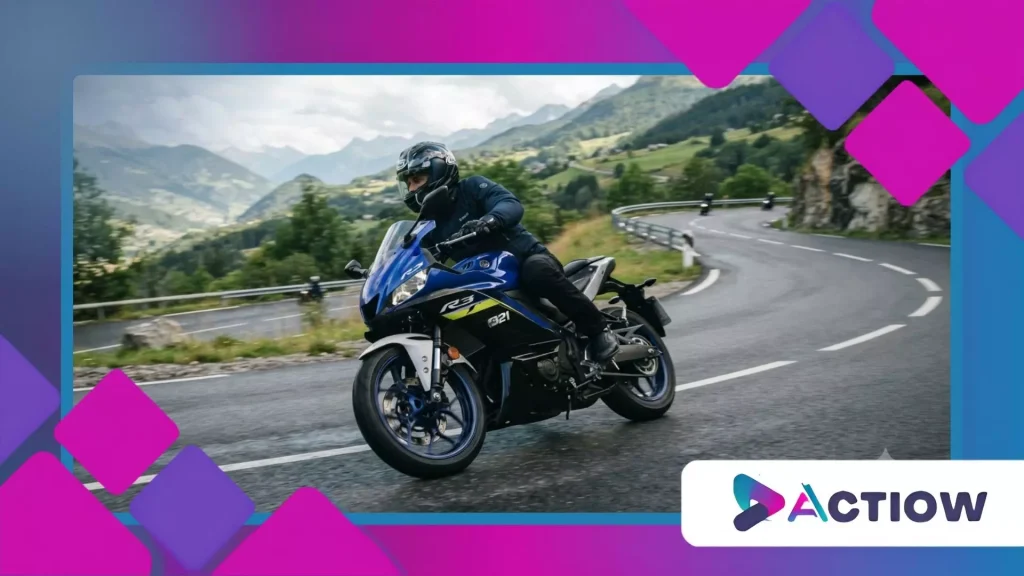
O panorama global do motociclismo está passando por uma grande mudança de comportamento, à medida que as motos de turismo, grandes e pesadas, perdem espaço para alternativas ágeis.
Motoristas do mundo todo estão percebendo que máquinas pesadas muitas vezes complicam o deslocamento diário em vez de melhorá-lo.
Devido a esta, Motocicletas leves estão se tornando cada vez mais populares. entre diversos grupos demográficos, incluindo jovens profissionais, motociclistas mulheres e motociclistas mais velhos que desejam controlar menos o peso corporal.
Além disso, o cenário pós-pandemia alterou a forma como as pessoas veem o transporte público, levando milhões a optar por alternativas de deslocamento independentes e acessíveis.
Os fabricantes responderam inundando o mercado com opções premium de baixa cilindrada que não parecem baratas ou de qualidade inferior.
Essa repentina entrada de máquinas leves e de alta qualidade eliminou completamente o antigo estigma de que bicicletas menores são meramente brinquedos para iniciantes.
O que define uma motocicleta leve hoje em dia?
No mercado atual, uma motocicleta leve normalmente se refere a uma moto com cilindrada entre 125cc e 400cc, pesando menos de 360 libras.
Essas máquinas priorizam um centro de gravidade baixo, tornando-as incrivelmente fáceis de equilibrar, estacionar e manobrar em espaços apertados sem esforço físico.
Quem está comprando essas bicicletas?
O perfil dos compradores expandiu-se significativamente, indo além dos tradicionais adolescentes aprendizes e incluindo agora pessoas que usam a moto para ir ao trabalho, profissionais de entregas e motociclistas experientes que optam por motos menores em busca de conforto.
Mulheres e ciclistas mais jovens citam especificamente o perfil físico não intimidador dessas bicicletas como um dos principais motivos para suas decisões de compra.
++ Por que as picapes compactas estão conquistando os compradores de SUVs familiares?
Onde essa tendência está crescendo mais rapidamente?
Embora o Sudeste Asiático e a Europa sempre tenham dependido de bicicletas de pequeno porte, a América do Norte e a América Latina estão atualmente experimentando as taxas de crescimento mais rápidas nesse segmento.
Centros urbanos como Nova Iorque e Paris estão registrando a maior concentração dessas máquinas ágeis em rotas diárias de deslocamento de passageiros.
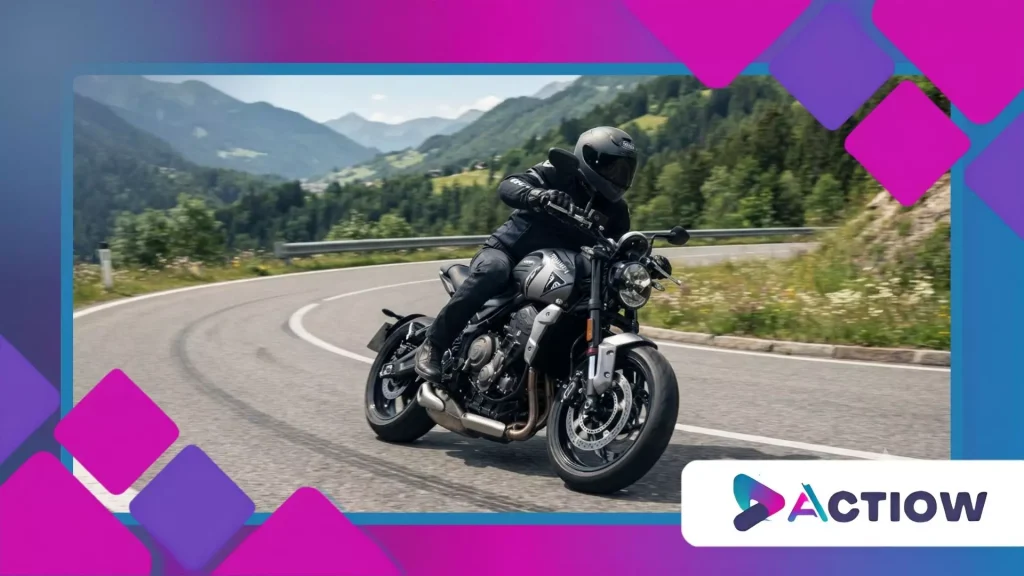
Como os fatores econômicos influenciam essa popularidade repentina?
O pragmatismo financeiro é, sem dúvida, um catalisador importante para essa mudança global em curso no transporte sobre duas rodas.
Comprar uma motocicleta de grande porte geralmente envolve altos prêmios de seguro, consumo excessivo de combustível e manutenção especializada cara, o que pode comprometer o orçamento mensal do motociclista.
É fácil entender porquê. Motocicletas leves estão se tornando cada vez mais populares. quando você calcula a enorme quantia de dinheiro economizada em um único ano civil de deslocamento diário.
Para colocar isso em perspectiva, pense em uma motocicleta cruiser pesada como um SUV corporativo voraz e em uma bicicleta leve como um carro híbrido moderno e elegante.
A opção mais leve requer menos matéria-prima para ser fabricada, menos pneus ao longo de sua vida útil e significativamente menos combustível para percorrer a mesma distância.
Essa dura realidade econômica torna as motos de baixa cilindrada uma opção incrivelmente atraente para cidadãos preocupados com o orçamento e que enfrentam a inflação global.
Leia também: Honda WN7: por que esta premiada motocicleta elétrica é importante globalmente agora
Qual é a economia real de combustível?
Motocicletas leves geralmente atingem mais de 70 a 80 milhas por galão (aproximadamente 30 a 34 km/l), facilmente dobrando a eficiência de combustível de motocicletas touring de grande cilindrada.
Essa redução drástica no consumo de combustível permite que os passageiros diários economizem milhares de dólares anualmente, ao mesmo tempo que reduzem drasticamente sua pegada de carbono pessoal.
Leia mais: Veículos menores estão se tornando mais populares nas cidades.
Os custos de manutenção são significativamente menores?
Sim, porque esses veículos têm motores com configurações mais simples, de um ou dois cilindros, e requerem menos consumíveis, como óleo de motor e pastilhas de freio.
Uma revisão de rotina para uma moto leve geralmente custa menos da metade do que custaria uma moto esportiva premium e pesada.
Como se comparam os seguros?
As companhias de seguros categorizam as motocicletas principalmente pela cilindrada do motor e pelo peso, o que significa que as motos menores têm taxas de seguro significativamente mais baixas.
Essa acessibilidade torna muito mais fácil para motociclistas mais jovens ou estudantes obterem cobertura legal sem gastar uma fortuna.
| Aula de Motociclismo | Peso médio (em libras) | Consumo médio de combustível (MPG) | Custo relativo de manutenção |
| Leve (125cc-400cc) | 280 – 350 | 70 – 95 | Baixo |
| Cilindrada média (500cc-900cc) | 400 – 490 | 45 – 60 | Médio |
| Cilindrada pesada (acima de 1000cc) | 500 – 800+ | 30 – 40 | Alto |
Por que as motocicletas pequenas são melhores para cidades congestionadas?
Você já viu um enorme SUV de luxo ficar preso em um beco estreito enquanto uma bicicleta passa deslizando sem esforço?
Esse cenário exato explica por quê? Motocicletas leves estão se tornando cada vez mais populares. em ambientes urbanos densos e densamente povoados em todo o mundo atualmente.
Pilotar uma motocicleta pesada e larga em trânsito intenso é um exercício físico exaustivo que deixa os motociclistas suados e estressados antes mesmo de chegarem ao trabalho.
As bicicletas leves oferecem uma agilidade incomparável, permitindo que os ciclistas manobrem sem esforço para desviar de buracos inesperados, detritos e mudanças repentinas de faixa.
Estacionar torna-se uma tarefa completamente livre de estresse, já que esses veículos compactos se encaixam em espaços pequenos e fragmentados onde um carro grande jamais conseguiria passar.
Esse nível extremo de praticidade urbana transforma um trajeto diário miserável na hora do rush em uma jornada envolvente, eficiente e genuinamente divertida.
Como eles lidam com o estresse dos engarrafamentos?
A leveza do conjunto minimiza a fadiga do condutor, permitindo que ele apoie os pés no chão com facilidade e mantenha o equilíbrio ao transitar entre faixas em baixa velocidade.
O motor também produz significativamente menos calor ambiente, mantendo o motociclista fresco e confortável enquanto aguarda em semáforos urbanos por longos períodos.
Estacionar é realmente tão mais fácil assim?
Com certeza, porque uma motocicleta de 136 kg (300 libras) pode ser facilmente empurrada, girada e manobrada em vagas apertadas para motocicletas ou em áreas de estacionamento na calçada.
Você nunca precisa se preocupar em deixar cair um veículo com o centro de gravidade alto ao tentar estacionar de ré em uma vaga em subida.
Será que melhoram a segurança nas cidades?
Bicicletas mais leves possuem distâncias de frenagem incrivelmente curtas porque os freios têm muito menos massa física e energia cinética para contrabalançar durante paradas de emergência.
O chassi ágil permite manobras de desvio instantâneas, em frações de segundo, que podem facilmente evitar uma colisão com um motorista desatento.
Qual o papel da tecnologia moderna nesse crescimento?
Antigamente, escolher uma motocicleta menor significava sacrificar recursos de segurança modernos, qualidade de construção e comodidades digitais.
No entanto, os fabricantes de motocicletas premium revolucionaram completamente o segmento ao incorporar tecnologia avançada em suas linhas de modelos com menos de 400cc.
Esta era de ouro tecnológica é uma das principais razões pelas quais Motocicletas leves estão se tornando cada vez mais populares., pois os ciclistas já não sentem que estão a fazer concessões em termos de qualidade.
Segundo dados recentes de 2025/2026 de relatórios da indústria global de motocicletas, as vendas de motos com menos de 500cc equipadas com eletrônica avançada aumentaram mais de 221 mil e três trilhões em todo o mundo.
Hoje em dia, um motociclista pode comprar uma máquina acessível e leve que conta com ABS sensível à inclinação, controle de tração, acelerador eletrônico e telas TFT nítidas.
Esses recursos sofisticados proporcionam uma experiência de pilotagem de altíssima qualidade, mantendo os pilotos seguros, conectados e no controle total em todos os momentos.
Quais são os recursos de segurança que agora são padrão?
A maioria das motocicletas leves modernas vem equipada com sofisticado sistema ABS de dois canais, embreagens deslizantes para evitar o travamento da roda traseira e até mesmo sistemas básicos de controle de tração.
Esses auxílios eletrônicos reduzem drasticamente a probabilidade de quedas laterais para motociclistas inexperientes em ruas molhadas ou escorregadias da cidade.
Como os motores evoluíram?
Atualmente, os fabricantes utilizam sistemas avançados de refrigeração líquida, comando duplo de válvulas no cabeçote e injeção eletrônica de combustível de alta precisão para extrair um desempenho incrível de motores de baixa cilindrada.
Esses motores modernos funcionam suavemente em velocidades de estrada, sem produzir as vibrações ásperas e incômodas que afetavam as motocicletas pequenas mais antigas.
Os recursos digitais estão incluídos?
Sim, muitos modelos novos apresentam painéis TFT coloridos, conectividade Bluetooth com smartphones, navegação passo a passo e sistemas de iluminação totalmente em LED com baixo consumo de energia.
Essas comodidades de alta tecnologia garantem que o passageiro moderno e antenado em tecnologia se sinta em casa ao pilotar um veículo menor e mais acessível.
Conclusão
As evidências mostram claramente que Motocicletas leves estão se tornando cada vez mais populares. Porque estão perfeitamente alinhadas com as necessidades práticas dos cidadãos globais modernos.
Combinando uma economia de combustível incrível, tecnologia de segurança de ponta e dirigibilidade urbana descomplicada, esses veículos se transformaram de simples opções econômicas em carros de estilo de vida altamente desejáveis.
Elas democratizam o ciclismo, tornando a liberdade sobre duas rodas acessível, econômica e segura para todos, em qualquer lugar.
Seja para escapar do trajeto diário cansativo de carro, reduzir as despesas mensais ou simplesmente desfrutar de um hobby mais emocionante nos fins de semana, uma motocicleta leve é uma solução brilhante.
As motos antigas, pesadas e complexas, que ficavam guardadas nas garagens, estão rapidamente dando lugar a uma nova era de motociclismo ágil, eficiente e inteligente.
O que você acha dessa mudança global? Já pensou em trocar sua motocicleta por uma mais leve para ir ao trabalho todos os dias? Compartilhe suas experiências e opiniões nos comentários abaixo!
Perguntas frequentes
Motocicletas leves conseguem atingir velocidades de rodovia com segurança?
Sim, a maioria das motocicletas modernas de baixa cilindrada, entre 250cc e 400cc, consegue manter velocidades entre 110 e 135 km/h (70 e 85 mph) com conforto, sendo perfeitamente capazes de lidar com o tráfego em rodovias com segurança.
Bicicletas leves são boas opções para ciclistas altos?
Com certeza, já que muitos fabricantes modernos projetam motos adventure e dual-sport leves com assentos mais altos e ergonomia espaçosa para acomodar confortavelmente pessoas mais altas.
Motocicletas leves mantêm bem seu valor de revenda?
Sim, porque a procura por meios de transporte acessíveis e com baixo consumo de combustível mantém-se consistentemente alta, o que torna muito fácil vender rapidamente uma bicicleta leve usada por um ótimo preço.