
BMW i5 vs Mercedes-Benz EQE : Comparatif de berlines électriques de luxe
Annonces
BMW i5 vs Mercedes-Benz EQE stands out as one of the most intense battles in the luxury electric vehicle segment.
Drivers seeking a high-end executive saloon must choose between traditional driving dynamics and futuristic cabin luxury.
Both German automakers have crafted impressive machines designed to redefine business mobility without tailpipe emissions.
Annonces
Understanding these differences helps buyers make an informed choice based on real-world performance, charging speed, and interior comfort.
Each model targets a distinct preference in the premium electric landscape. While one focuses on engaging handling, the other emphasizes quiet elegance and futuristic technology.
Points clés à retenir
- Performance: BMW delivers a traditional dynamic driving feel, whereas Mercedes-Benz prioritizes supreme ride comfort.
- Technologie: The EQE features hyper-modern display options, while the i5 relies on modern software integrated into a classic dashboard layout.
- Range & Efficiency: Mercedes-Benz offers exceptional aerodynamic efficiency, giving it an edge on long highway trips.
- Interior Space: Both sedans provide high-grade executive seating, yet present completely different aesthetic philosophy.
What Makes the BMW i5 and Mercedes-Benz EQE Unique in the EV Market?
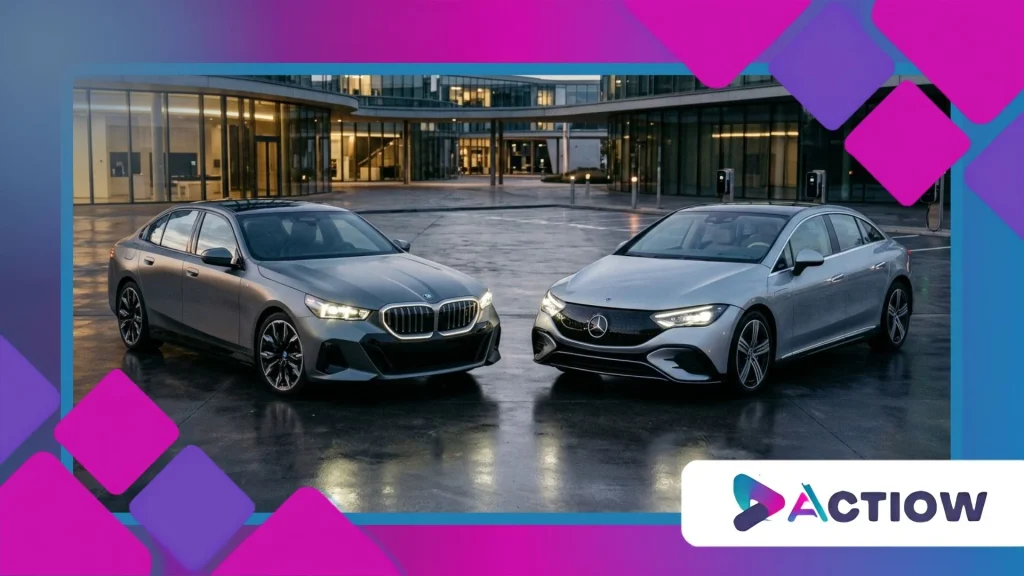
Comparer BMW i5 vs Mercedes-Benz EQE models reveals two distinct design approaches to executive electric driving.
BMW constructed the i5 on a flexible platform that accommodates both electric and combustion powertrains smoothly.
This architectural choice keeps classic proportions while offering state-of-the-art electric motors, battery management, and instant power delivery.
Mercedes-Benz designed the EQE on a dedicated electric vehicle platform focused entirely on aerodynamic efficiency.
The smooth teardrop silhouette cuts through the air, minimizing wind resistance to extend battery range.
Inside, high-quality material selections match silent electric propulsion, creating a quiet sanctuary for long journeys across major highways.
How Do Their Exterior Designs Compare on the Road?
BMW maintains iconic executive proportions, preserving a distinct sedan profile with a defined long hood and short overhangs.
The subtle active kidney grille blends classic brand heritage with modern cooling requirements for high-voltage systems.
Mercedes-Benz chooses an ultra-sleek cab-forward design that maximizes interior cabin volume relative to overall exterior vehicle footprint.
Smooth body panels reduce drag significantly, presenting a modern aesthetic that clearly differentiates itself from traditional gas-powered cars.
How Do the Interior Cabins and Displays Differ?
Inside the BMW i5, drivers find a Curved Display system running the latest iDrive operating system.
Premium ambient lighting strips offer customized cabin themes, combining classic ergonomics with intuitive touchscreen controls and physical switches.
The Mercedes-Benz EQE offers an available Hyperscreen option that covers nearly the entire dashboard with seamless glass displays.
Soft-touch materials surround passengers, creating an ultra-luxurious environment tailored for executive relaxation during daily city commutes.
Lire aussi : Toit ouvrant panoramique ou toit standard : avantages à long terme
What Are the Key Engineering Differences Underneath?
BMW engineered the chassis to deliver responsive steering and active body control through fast-cornering maneuvers on winding roads.
Rear-wheel steering options enhance agility, giving this sizable sedan a nimble feel in tight city streets.
Mercedes-Benz engineered air suspension options into the EQE to float over road imperfections with minimal cabin disruption.
This soft ride setup absorbs highway bumps effortlessly, prioritizing comfort over aggressive cornering precision during high-speed travel.
How Do Performance and Battery Range Compare in Daily Driving?
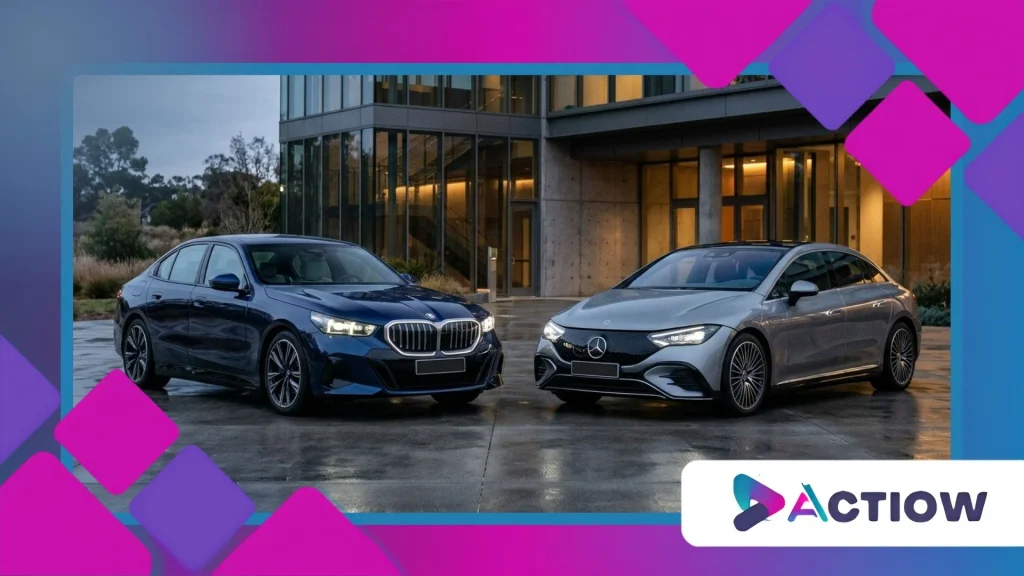
Analyzing BMW i5 vs Mercedes-Benz EQE performance metrics shows clear variation in acceleration responsiveness and overall battery efficiency.
According to recent EV energy efficiency tests, modern luxury electric sedans lose up to 15 percent of their total range in freezing temperatures.
Both vehicles use heat pumps to mitigate efficiency loss, protecting driving range during cold winter months.
Acceleration feels instantaneous in both vehicles, but BMW tunes pedal response to mimic traditional sports saloon characteristics.
Steering weight offers feedback that keeps drivers connected to the road surface during spirited driving sessions.
Which Sedan Delivers Better Acceleration and Handling?
BMW tunes the i5 to deliver dynamic agility, especially in dual-motor configurations that provide maximum traction.
Punching the throttle unleashes immediate torque, propelling the heavy chassis forward with confidence and sharp handling balance.
Mercedes-Benz offers smooth, linear acceleration that builds speed gracefully without unsettling passengers sitting in the rear seats.
Steering remains light and relaxed, reducing driver fatigue on extended trips across interstate routes.
En savoir plus: Tesla Model Y contre Kia EV6 : quel SUV électrique sera le meilleur en 2026 ?
How Fast Do They Charge at Public Fast Stations?
The BMW i5 supports high-voltage direct current fast charging, replenishing battery levels from 10 to 80 percent quickly.
Intelligent route planners automatically pre-condition the battery pack when navigating toward designated public fast-charging stations.
The Mercedes-Benz EQE accepts high charging rates with a stable charging curve across various temperature environments.
Drivers can plug in at major highway rest stops and gain substantial range within twenty minutes.
Which Vehicle Offers Superior Real-World Range?
The aerodynamic efficiency of the Mercedes-Benz EQE gives it a distinct advantage during continuous high-speed highway cruising.
Lower drag allows the battery to expend less energy maintaining cruising speeds over long distances.
The BMW i5 balances high-speed efficiency with strong city regenerative braking modes that capture kinetic energy effectively.
Drivers can customize regeneration strength, enabling smooth single-pedal driving modes in heavy stop-and-go traffic jams.
Why Is the Choice Between These Luxury Electric Sedans Important?
Selecting between the BMW i5 vs Mercedes-Benz EQE defines your daily luxury transportation experience for years to come.
Executive electric sedans represent significant investments, serving as mobile offices and comfortable family cruisers simultaneously.
Choosing the right vehicle depends on whether you prefer active driving engagement or plush, relaxed travel.
Evaluating tech ecosystems, ownership comfort, and long-term utility ensures your new vehicle aligns with your lifestyle.
Both manufacturers provide comprehensive warranty coverage and advanced driver assistance features to protect passengers on every journey.
Which Driver Assistance Systems Provide Better Safety?
BMW equips the i5 with hands-free highway driving assistance features that manage lane positioning, speed, and braking smoothly.
Active eye-tracking allows seamless lane changes simply by looking at side mirrors when prompted by system software.
Mercedes-Benz integrates comprehensive active safety suites that monitor surrounding traffic to prevent potential collisions before they happen.
Emergency braking and lane-keeping features operate gently without startling the driver during typical daily commutes.
Which Model Offers Better Value and Overall Practicality?
BMW offers a spacious trunk with a traditional opening that makes loading luggage and golf bags straightforward.
Cabin seating positions feel natural to traditional drivers transitioning from internal combustion engine vehicles for the first time.
Mercedes-Benz maximizes rear legroom due to its long wheelbase, offering executive passengers ample space to stretch out comfortable.
The quiet cabin minimizes road noise, allowing clear phone conversations while commuting through busy metropolitan areas.
How Do Software Updates Enhance Long-Term Ownership?
BMW sends over-the-air software updates regularly, refining infotainment features and driving assistance capabilities without dealer visits.
Owners can unlock additional digital functions directly through the connected vehicle smartphone app with ease.
Mercedes-Benz constantly improves battery management software and navigation mapping via seamless cellular network downloads.
Connected services inform drivers about real-time charger availability and pricing before arriving at charging destinations.
Technical Specification Comparison
| Caractéristique / Métrique | BMW i5 | Mercedes-Benz EQE |
| Driving Dynamics Focus | Sports Saloon Agility | Plush Highway Comfort |
| Aménagement intérieur | Écran incurvé BMW | Available MBUX Hyperscreen |
| Aerodynamic Profile | Traditional Sedan Shape | Teardrop Aerodynamic Silhouette |
| Charging Pre-conditioning | Automatic via Navigation | Automatic via Navigation |
| Primary Target Audience | Driver-Centric Enthusiasts | Passenger-Centric Travelers |
Finding Your Ideal Luxury Electric Executive Saloon
Choisir entre les BMW i5 vs Mercedes-Benz EQE ultimately comes down to your personal driving preference and aesthetic tastes.
The BMW i5 caters to those who love dynamic handling, driver-focused ergonomics, and traditional luxury sedan design elements.
Conversely, the Mercedes-Benz EQE appeals to commuters seeking ultimate cabin quietness, advanced futuristic screens, and optimized highway range efficiency.
Have you driven either of these electric executive sedans yet? Share your thoughts and personal driving experience in the comments section below!
Foire aux questions
Which sedan offers a more traditional executive driving feel?
The BMW i5 delivers a classic executive sedan feel, maintaining traditional body proportions and sharp steering feedback.
Its seating position and control layout mirror traditional sports saloons, making the transition to electric driving effortless.
Drivers who enjoy feeling connected to the road will prefer the precise handling characteristics of the i5.
Does the Mercedes-Benz EQE offer better highway range than the i5?
Yes, the aerodynamic shape of the Mercedes-Benz EQE gives it a small edge during high-speed highway driving.
Lower wind resistance allows its battery to consume less power over long distances compared to boxier designs. This makes the EQE a strong option for commuters who travel long highway routes frequently.
Are both vehicles capable of fast public charging?
Both vehicles support high-power DC fast charging capable of restoring 10 to 80 percent charge in under thirty minutes.
Each sedan includes automatic battery pre-conditioning when setting a public fast charger as the navigation destination.
This ensures maximum charging speeds immediately upon plugging in the charging cable.
Which infotainment system is easier to use during daily driving?
The BMW i5 uses a Curved Display with an intuitive rotary controller and responsive touchscreen options for quick adjustments.
The Mercedes-Benz EQE features a touch-centric interface with an optional full-dashboard Hyperscreen display system.
Choice depends on whether you prefer tactile physical controls or an all-digital glass surface.
How do rear passenger space and legroom compare between models?
The Mercedes-Benz EQE benefits from a dedicated EV platform with a long wheelbase, providing extra rear legroom.
Rear passengers enjoy generous space to stretch out, making it an ideal choice for chauffeur services or business travel.
The BMW i5 offers comfortable rear seating, though it mirrors traditional sedan dimensions more closely.
