
How automotive heat pumps improve electric vehicle range
Anúncios
Automotive heat pumps revolutionize battery electric vehicle efficiency by extracting thermal energy from ambient air and powertrain components to warm cabin interiors.
Traditional electric vehicle heaters rely heavily on resistive coil elements that drain high-voltage battery reserves rapidly during freezing winter commutes.
Engineers developed advanced thermodynamic fluid loops that capture waste heat from inverters and drive motors, multiplying thermal output exponentially.
Anúncios
This clever engineering breakthrough preserves valuable driving range when outdoor temperatures plummet across northern climates.
Navigating modern electric vehicle advancements requires examining how thermal management systems directly influence cold-weather driving performance and battery longevity.
Automotive manufacturers across global markets now treat integrated climate control systems as essential components rather than optional luxury accessories.
Think of a thermodynamic heat pump system as an efficient thermal accountant balancing energy accounts carefully. Are you ready to understand how thermal engineering transforms electric vehicle capability?
Navigating Electric Vehicle Thermal Innovation
- Investigating thermodynamic refrigeration cycles and ambient heat extraction principles.
- Analyzing waste heat recovery from inverter electronics and drive motors.
- Evaluating cold-weather driving range retention percentages across winter conditions.
- Documenting smart cabin climate programming and pre-conditioning energy savings.
How Do Thermodynamic Heat Pumps Function in Modern Vehicles?
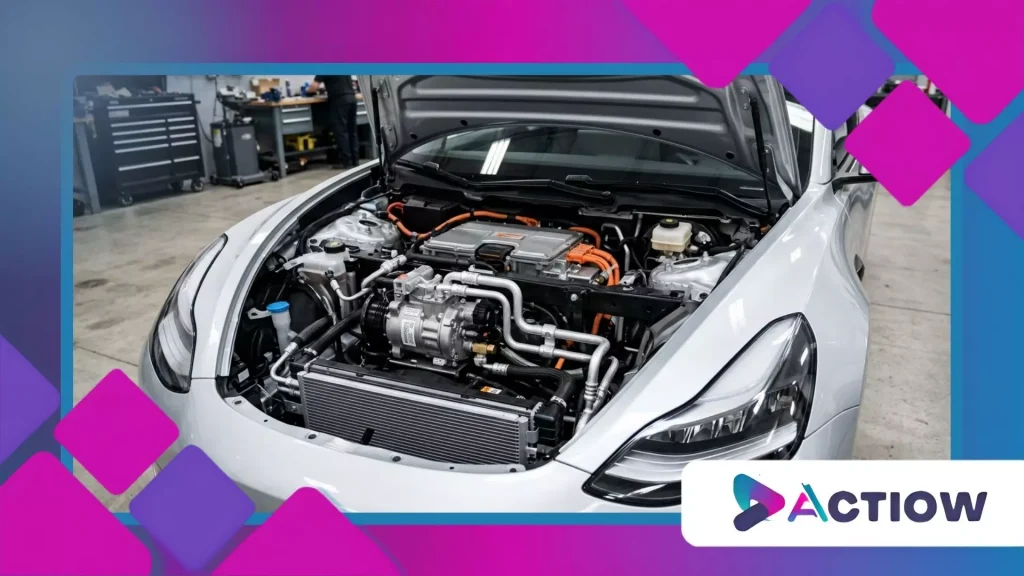
Automotive heat pumps operate using a closed-loop refrigerant system that reverses standard air conditioning principles to absorb ambient heat outdoors.
Even on freezing winter days, surrounding air contains usable thermal energy that liquid refrigerants capture efficiently during expansion stages.
Imagine a sponge absorbing water droplets from a cold morning mist; the system draws warmth from outside before compressing it.
This compressed thermal energy transfers directly into the passenger cabin via specialized heat exchangers without burning battery power wastefully.
Technical engineering evaluations published by automotive research institutes indicate that thermodynamic climate units consume up to sixty percent less electrical energy than conventional resistance heaters.
By shifting energy burdens away from the main lithium-ion traction pack, vehicles retain vital kilowatt-hours for propulsion over long highway stretches.
Drivers traversing sub-zero landscapes experience significantly smaller driving range penalties compared to older electric models. Efficiency gains redefine winter motoring reliability completely.
Why Do Resistive Heaters Drain Batteries So Fast?
Resistive heating elements convert electrical current directly into heat via high-resistance wires, demanding massive power outputs from the onboard battery pack.
This sudden heavy load draws precious electrical capacity away from the electric motor, plummeting driving range drastically. Thermodynamic systems bypass this brute-force approach entirely.
++ The Best Apps to Learn How to Drive
How Does Refrigerant Capture Ambient Thermal Energy?
Liquid refrigerants circulating through exterior coils absorb low-grade environmental heat even when ambient thermometers drop well below freezing point.
Once pressurized by an electric scroll compressor, the refrigerant temperature escalates rapidly to warm the cabin air. Physics converts cold air into comfortable cabin warmth.
Also read: How Solid-State Batteries Could Change Electric Cars in 2026
What Role Do Electronic Expansion Valves Play?
Precise electronic valves regulate refrigerant flow rates dynamically depending on immediate cabin climate demands and outside weather fluctuations.
This computerized regulation maximizes thermal exchange efficiency across varying operational speeds and driving conditions. Intelligent software optimization guarantees maximum comfort.
How Does Powertrain Waste Heat Recovery Maximize Range?
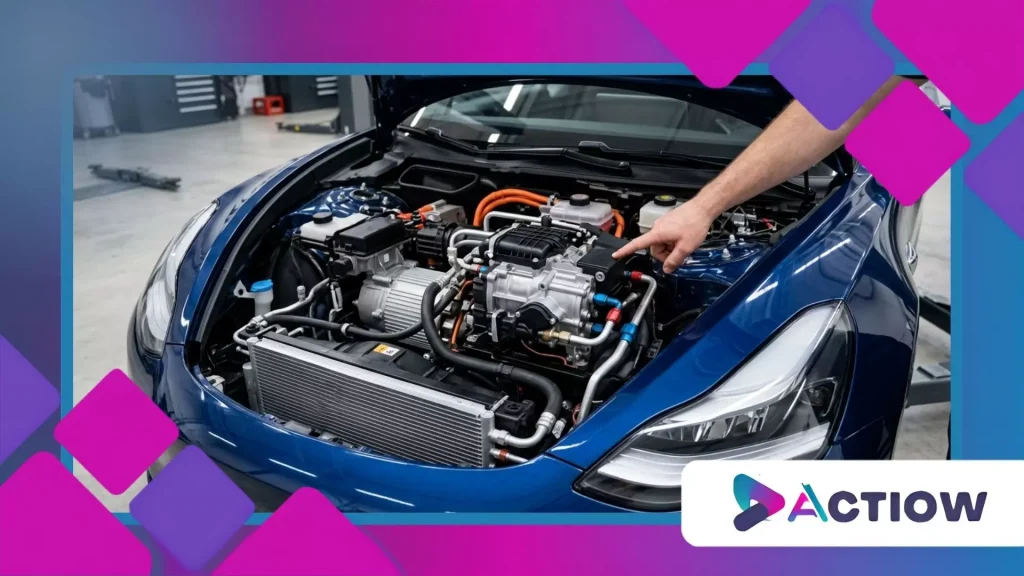
Automotive heat pumps capture excess thermal energy generated by high-voltage drive inverters, onboard chargers, and electric motors during active operation.
Instead of venting this valuable heat into the atmosphere through radiator grilles, intelligent routing channels it inward.
Think of capturing factory exhaust heat to warm the manufacturing plant floor; nothing goes to waste in a optimized system.
Modern thermal architectures integrate multiple coolant loops to harvest every available watt of thermal energy.
Recent technical white papers released by electric vehicle engineering consortia demonstrate that recycling powertrain waste heat boosts winter efficiency by nearly twenty percent.
When drive components reach operational temperatures, surplus heat supplements ambient collection to maintain cozy cabin environments effortlessly.
This integrated thermal ecosystem transforms the entire vehicle into a self-sustaining micro-climate machine. Engineering sophistication yields extraordinary real-world mileage benefits.
Read more: How digital rearview mirrors Improve Visibility in Traffic
Why Is Inverter Waste Heat Valuable?
High-frequency switching inside power electronics generates substantial thermal energy that must be dissipated to prevent hardware overheating.
Directing this thermal byproduct toward the cabin heating loop turns an operational cooling burden into a useful resource. Efficiency compounds through smart mechanical design.
How Do Multi-Source Loops Prioritize Heat Sources?
Advanced thermal controllers continuously analyze outside temperatures, battery pack conditions, and motor loads to select the most efficient heat source instantly.
If ambient air is too frigid, the system automatically draws warmth directly from the power electronics loop. Automated switching ensures optimal performance.
What Impact Do Coolant Valves Have on Efficiency?
Multi-way motorized valves direct warm coolant fluids across intricate plumbing networks with pinpoint precision and minimal pressure loss.
This fluid choreography ensures rapid cabin warm-up times while protecting delicate battery chemistry from thermal shock. Precision engineering drives modern automotive reliability.
How Much Range Can Drivers Actually Save in Winter?
Automotive heat pumps deliver measurable driving range preservation, allowing electric vehicle owners to travel significantly farther between charging stops during harsh winter weather.
Field tests conducted by independent automotive journalists confirm that equipped vehicles retain up to twenty-five percent more battery range in freezing conditions.
Imagine driving an extra fifty miles on your daily commute simply by upgrading your vehicle’s thermal management technology. This substantial difference eliminates severe winter range anxiety for long-distance commuters.
Consumer adoption surveys show that thermal climate management systems rank among the top requested features for buyers purchasing electric cars in cold-weather regions.
Automakers respond by making these sophisticated units standard equipment across contemporary model lineups, prioritizing all-season practicality.
When vehicles manage thermal energy intelligently, seasonal weather ceases to limit electric mobility freedom. Innovation makes sustainable transportation viable everywhere.
Why Does Cold Weather Impact Battery Chemistry?
Low temperatures increase internal electrical resistance within lithium-ion battery cells, slowing down electrochemical reactions and reducing available discharge power output.
Drawing massive amounts of current for cabin heating worsens this chemical sluggishness, shrinking driving range rapidly. Thermal management systems mitigate this problem.
How Does Cabin Pre-Conditioning Save Energy?
Programming your electric vehicle to warm its cabin and battery pack while still plugged into a home wall charger preserves maximum driving range.
Drawing electricity from the household grid rather than the traction battery keeps your starting state of charge untouched. Preparation ensures optimal journey efficiency.
What Future Advancements Are Expected in Thermal Tech?
Engineers are developing solid-state thermal management modules and artificial intelligence algorithms that predict weather patterns along navigation routes to pre-adjust heating loops.
These next-generation systems promise even greater energy savings and absolute climate comfort. Continuous evolution drives the industry forward.
Electric Vehicle Heating Efficiency Comparison Matrix
The structured table below contrasts conventional resistive heating systems with advanced thermodynamic climate architectures across key performance metrics.
| Heating Technology | Energy Consumption Rate | Winter Range Retention | Thermal Source Integration |
| Resistive Coil Heaters | Extremely High (Draws heavy battery loads) | Poor (Significant mileage drop) | Electrical resistance only |
| Thermodynamic Heat Pumps | Low (High coefficient of performance) | Excellent (Minimal winter range penalty) | Ambient air and powertrain waste heat |
| Smart Hybrid Systems | Moderate (Adaptive automated balancing) | Very Good (Optimized for extreme cold) | Multi-source dynamic fluid routing |
Empowering Sustainable Mobility Through Thermodynamic Innovation
Automotive heat pumps represent a monumental leap forward in electric vehicle engineering, solving the perennial challenge of cold-weather driving range reduction.
By intelligently harvesting ambient warmth and recycling powertrain waste heat, modern manufacturers ensure electric mobility remains practical year-round.
Embracing these advanced thermal technologies paves the way for a more efficient, reliable, and sustainable automotive future. Take a moment to reflect on your own winter driving experiences and electric vehicle readiness.
How will advanced thermal management influence your next vehicle purchase decision? Share your experience in the comments below!
Frequently Asked Questions
Do automotive heat pumps work effectively in extreme sub-zero temperatures?
Yes, modern thermodynamic systems utilize advanced refrigerants and auxiliary resistive boosters to extract heat effectively even when ambient outdoor temperatures plunge well below freezing point.
Are heat pumps standard equipment on all new electric vehicles?
While once offered exclusively as costly optional upgrades, thermal management systems now come standard on the vast majority of modern electric cars sold globally.
How much driving range can I expect to save during winter?
Equipped vehicles typically retain between fifteen and twenty-five percent more battery range during freezing weather compared to models utilizing conventional resistive heaters.
Can a heat pump be retrofitted into an older electric vehicle?
Retrofitting a thermodynamic system into an older vehicle is practically impossible due to the complex plumbing, software integration, and structural redesign required by the chassis.
Do heat pumps also improve vehicle cooling efficiency in summer?
In warmer weather, the system reverses direction entirely to function as a highly efficient air conditioner, keeping cabin temperatures comfortable with minimal battery drain.