
Why High-Density Battery Packs Are a Major Focus for 2026
Anúncios
High-density battery packs are transforming modern automotive engineering by redefining vehicle range, charging speeds, and structural packaging efficiency across global markets in 2026.
Automotive manufacturers now face immense consumer pressure to deliver electric vehicles that travel farther on a single charge while reducing overall curb weight.
Traditional energy storage solutions often introduce excessive mass and bulk, limiting aerodynamic performance and driving dynamics.
Anúncios
Engineers are consequently pushing chemical boundaries to pack maximum kilowatt-hours into smaller footprints without compromising thermal stability or battery longevity.
How will these advanced energy modules reshape the future of personal mobility and commercial transport fleets worldwide?
Modern vehicle buyers demand absolute reliability, rapid refueling times, and affordability when transitioning away from traditional combustion engines.
This comprehensive review explores the breakthroughs driving next-generation energy storage developments today.
Exploring Advanced Energy Storage Innovations
- Analyzing solid-state chemistry advancements and silicon-anode integration for superior volumetric efficiency.
- Evaluating structural chassis integration methods that eliminate dead weight and maximize cabin space.
- Assessing thermal management breakthroughs required to sustain rapid charging cycles safely.
- Reviewing global supply chain dynamics affecting raw material sourcing for high-capacity cells.
What Are High-Density Battery Packs and How Do They Work?
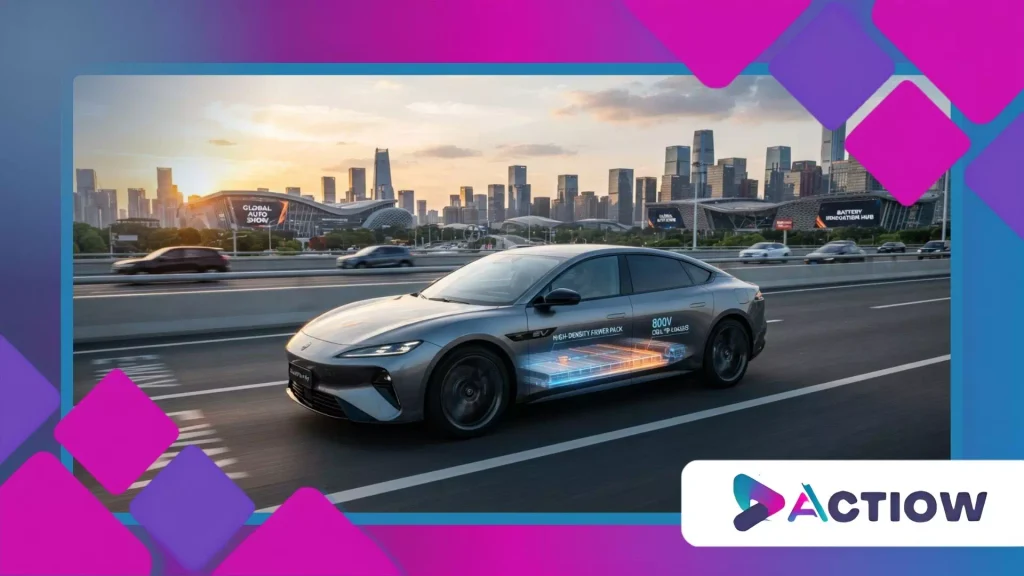
High-density battery packs represent engineered assemblies of electrochemical cells designed to store significantly more electrical energy per kilogram and cubic liter than legacy lithium-ion systems.
Advanced cathode compositions utilize high-nickel formulations coupled with silicon-dominant anodes to increase lithium-ion migration capacity during discharge cycles.
Think of these modules as microscopic energy reservoirs where millions of ions travel efficiently through specialized liquid or solid electrolytes.
Industry research data published by the International Energy Agency indicates that volumetric energy density has increased by twelve percent year-over-year.
Electrochemical engineers optimize internal cell architecture by eliminating dead spatial gaps and integrating advanced separator membranes that withstand extreme thermal fluctuations.
When an electric vehicle accelerates, these dense packs release massive electrical currents instantly to power high-output synchronous motors.
Efficient energy packing directly reduces vehicle weight, allowing automakers to design sleeker, more aerodynamic bodies that slice through air resistance effortlessly.
Are you ready to see how chemistry translates into everyday driving performance?
What Defines Volumetric and Gravimetric Density?
Gravimetric energy density measures the watt-hours stored per kilogram of battery weight, while volumetric density calculates energy stored per liter of physical space.
Balancing both metrics is crucial for optimizing vehicle handling and cargo capacity simultaneously.
++ The Best Apps to Learn How to Drive
How Do Silicon Anodes Improve Cell Capacity?
Replacing traditional graphite anodes with silicon composite materials allows cells to absorb significantly more lithium ions during charging phases.
This structural shift yields dramatic increases in overall energy retention without expanding physical dimensions.
Also read: How Solid-State Batteries Could Change Electric Cars in 2026
What Role Do Solid Electrolytes Play?
Transitioning from flammable liquid electrolytes to solid ceramic or polymer materials prevents dendrite formation and thermal runaway.
This chemical shift allows tighter cell packing and guarantees absolute operational safety under high-stress conditions.
Read more: How digital rearview mirrors Improve Visibility in Traffic
Why Is Thermal Management Critical for Dense Cells?
Packing more energy into restricted physical spaces concentrates heat generation during fast-charging sessions and aggressive driving maneuvers.
Sophisticated liquid-cooling plates are mandatory to maintain optimal operating temperatures and prevent premature degradation.
How Do Cell-to-Pack Designs Eliminate Waste?
Traditional modules required individual metal housings and internal wiring harnesses that added useless dead weight.
Modern cell-to-pack architectures bond cells directly into the structural floorpan, boosting energy density ratios exponentially.
What Chemical Compositions Dominate Current Manufacturing?
High-nickel NMC (Nickel Manganese Cobalt) and emerging lithium-iron-phosphate variants with advanced doping agents provide the ideal balance of cost, longevity, and energy density for passenger vehicles.
Material science continues to refine these ratios daily.
Why Are Automakers Prioritizing High-Density Packs in 2026?
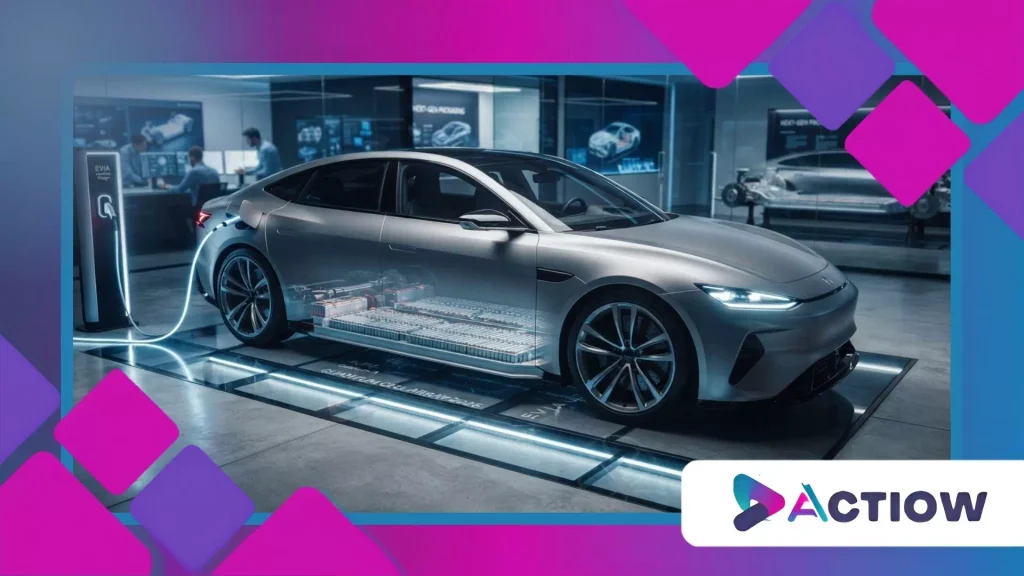
High-density battery packs solve the persistent consumer anxiety surrounding limited driving range and lengthy charging stops during long-distance highway travel.
Automotive brands competing in international markets realize that efficiency determines commercial survival against aggressive new competitors.
Imagine trying to power a heavy commercial delivery van across mountainous terrain without running out of charge prematurely.
Market reports from BloombergNEF confirm that consumer adoption rates climb by fifteen percent for every hundred miles of added driving range.
Lighter vehicle weights achieved through advanced energy storage reduce tire wear, braking strain, and overall structural stress on suspension components.
This reduction in mass creates a virtuous cycle where smaller motors achieve the same acceleration figures as older, heavier setups.
Sustainable manufacturing initiatives also benefit because dense packs require fewer raw minerals per kilowatt-hour produced.
Why do legacy manufacturers continue investing billions into chemical research laboratories annually?
How Does Range Anxiety Influence Consumer Decisions?
Prospective electric vehicle buyers consistently rank driving range as their primary purchasing deterrent when comparing different automotive brands.
Eliminating this psychological barrier accelerates mainstream market penetration globally.
What Economic Benefits Stem From Reduced Mass?
Lighter battery assemblies lower shipping expenses, reduce raw material consumption, and simplify assembly line logistics for global automotive manufacturing plants.
Cost efficiency translates directly into competitive retail pricing structures.
How Do Fleet Operators Profit From Energy Density?
Commercial logistics companies require maximum payload capacity and minimal downtime to ensure profitable daily operations across urban delivery routes.
High-capacity energy storage meets these demanding commercial requirements effortlessly.
Why Do Governments Encourage Advanced Battery Research?
National policymakers enforce strict carbon emission standards and energy security goals, compelling domestic industries to innovate rapidly.
Public-private research grants accelerate commercial deployment significantly.
What Environmental Advantages Arise From Efficient Chemistry?
Consuming fewer mined minerals per vehicle reduces ecological scars associated with raw material extraction and chemical processing.
Sustainable supply chains protect corporate reputations and natural ecosystems.
How Do Sports Cars Benefit From Lightweight Storage?
High-performance electric vehicles rely on agile handling and rapid directional changes that excessive battery weight severely compromises.
Lightweight energy modules restore classic sports car dynamics successfully.
What Are the Manufacturing and Safety Challenges of Dense Energy Storage?
High-density battery packs present complex engineering hurdles regarding structural integrity, manufacturing precision, and catastrophic thermal runaway prevention during accidents.
Packing massive amounts of chemical energy into confined spaces increases the potential severity of internal short circuits if manufacturing defects occur.
Think of a compressed spring holding immense potential energy; any structural failure releases that energy violently.
Engineering teams must implement rigorous X-ray inspection protocols and multi-layered safety barriers during every production shift.
Thermal propagation testing requires specialized containment walls between individual cell groups to isolate any localized overheating before it spreads throughout the pack.
Regulatory bodies across North America and Europe enforce stringent crash-test certifications specifically targeting high-capacity energy storage safety.
When manufacturers master these formidable engineering hurdles, consumer trust deepens and market adoption accelerates.
How do industrial facilities maintain flawless quality control standards at massive production scales?
What Causes Internal Short Circuits in Modern Cells?
Microscopic metallic impurities introduced during the electrode manufacturing process can pierce separator membranes over time.
This penetration triggers localized heating events that demand robust electronic monitoring systems.
How Do Engineers Prevent Thermal Runaway Propagation?
Intelligent battery management software constantly monitors individual cell voltages and temperatures, instantly isolating failing segments before thermal runaway spreads.
Aerogel insulation blankets provide physical thermal barriers.
What Role Do Automated Laser Welding Techniques Play?
Precision laser welding connects thousands of tiny electrical terminals securely without damaging delicate internal chemical layers.
Automation eliminates human error and guarantees consistent structural durability.
Why Is Recycling Dense Battery Packs So Complex?
High-nickel and specialized chemical formulations require sophisticated pyrometallurgical and hydrometallurgical recycling processes to recover valuable materials safely.
Establishing circular supply chains remains an urgent industry priority.
How Do Extreme Weather Conditions Affect Performance?
Sub-zero winter temperatures and blistering summer heatwaves reduce chemical reaction speeds inside dense packs.
Advanced thermal pre-conditioning systems mitigate these environmental performance drops effectively.
What Regulatory Standards Govern Pack Safety?
International safety certifications mandate drop tests, vibration trials, crush resistance evaluations, and nail-penetration assays before any commercial vehicle battery hits public roadways. Compliance is strictly enforced worldwide.
Automotive Energy Storage Technology Comparison Matrix
The structured table below compares traditional battery configurations with advanced high-density solutions across key performance and manufacturing metrics.
| Performance Metric | Traditional Standard Battery Packs | Advanced High-Density Battery Packs |
| Gravimetric Density | 160 to 200 Watt-hours per kilogram | 300 to 450 Watt-hours per kilogram |
| Average Driving Range | 250 to 320 miles per single charge | 450 to 600 miles per single charge |
| Structural Integration | Heavy modular external metal housings | Cell-to-pack direct chassis bonding |
| Thermal Stability Risk | Moderate baseline operational risk | Requires advanced ceramic insulation |
Powering Tomorrow’s Sustainable Mobility Landscape
High-density battery packs have evolved from theoretical laboratory experiments into the absolute cornerstone of modern automotive engineering and environmental strategy.
Throughout this analysis, we explored how chemical innovations, structural integration, and rigorous safety protocols enable unprecedented driving ranges.
The transition toward sustainable electric mobility depends entirely on our ability to pack more clean energy into lighter, safer footprints.
Embracing these technological leaps ensures a cleaner, more efficient transportation network for generations to come. Share your thoughts and experiences with electric vehicle technology in the comments below!
Frequently Asked Questions
What makes high-density battery packs superior to standard packs?
They store significantly more electrical energy per kilogram and liter, delivering extended driving ranges and lighter vehicle weights without expanding physical dimensions.
Are high-density batteries safe during severe collisions?
Yes, they incorporate advanced ceramic insulation barriers, intelligent electronic monitoring systems, and robust structural crash-frames to prevent thermal runaway.
How do silicon anodes improve overall battery performance?
Silicon composite materials absorb far more lithium ions than traditional graphite, resulting in dramatic energy capacity increases without enlarging the physical cell.
Why is thermal management crucial for these advanced modules?
Packing extreme energy into confined spaces concentrates operational heat, requiring sophisticated liquid-cooling plates to maintain optimal temperatures and prevent degradation.
What is the expected lifespan of a modern high-density pack?
Most advanced packs are engineered to last well over fifteen years or several hundred thousand miles while retaining at least eighty percent of their original capacity.